

Can you cook with rice vinegar? Absolutely—and it’s a kitchen staple for flavor, balance, and health. With its mild sweetness and gentle tang, rice vinegar enhances everything from stir-fries to marinades without dominating the taste. Whether you’re making sushi, pickles, or salad dressings, this versatile ingredient is a must-have in any pantry.
Key Takeaways
- Rice vinegar is safe and effective for cooking: It withstands heat well and adds bright, balanced flavor to dishes.
- Mild flavor makes it versatile: Unlike stronger vinegars, rice vinegar doesn’t overpower ingredients, making it ideal for delicate recipes.
- Great for sushi and Asian cuisine: Its subtle taste complements fish, rice, and vegetables perfectly in traditional dishes.
- Use in pickling and fermentation: The low acidity supports safe preservation while enhancing flavor during pickling processes.
- Health-conscious choice: Low in calories and free of artificial additives, rice vinegar offers digestive and metabolic benefits.
- Easy substitution in recipes: Swap rice vinegar for apple cider, white wine, or lemon juice in most recipes with minor adjustments.
- Store properly for longevity: Keep it cool and away from light to maintain freshness and prevent spoilage.
📑 Table of Contents
- Can You Cook with Rice Vinegar? A Kitchen Essential Explained
- What Is Rice Vinegar?
- Is Rice Vinegar Safe to Heat?
- How to Use Rice Vinegar in Cooking
- Substituting Rice Vinegar in Recipes
- Cooking Tips for Using Rice Vinegar
- Common Mistakes to Avoid
- Frequently Asked Questions
- Conclusion: Why Rice Vinegar Belongs in Your Kitchen
Can You Cook with Rice Vinegar? A Kitchen Essential Explained
Have you ever stood at your stove wondering what to add next to bring out the best in your dish? If you’re cooking up a stir-fry, simmering a sauce, or even preparing a simple grain bowl, chances are you’ve considered using vinegar. But when it comes to rice vinegar—do you know how to use it safely and effectively in the kitchen?
The short answer is yes, you absolutely can cook with rice vinegar. In fact, it’s one of the most versatile and underappreciated ingredients in Asian-inspired cooking. Unlike balsamic or red wine vinegar, which can be bold and overpowering, rice vinegar has a mild, slightly sweet profile that blends seamlessly into both savory and slightly sweet dishes. Whether you’re making sushi rice, pickling cucumbers, or dressing a salad, rice vinegar brings brightness, depth, and balance to your meals.
In this complete guide, we’ll explore everything you need to know about cooking with rice vinegar—from its origins and types to practical tips, recipe ideas, and safety considerations. By the end, you’ll feel confident reaching for that bottle every time you want to elevate your cooking.
What Is Rice Vinegar?
Rice vinegar is a type of vinegar made by fermenting rice starch into alcohol and then into acetic acid. It’s traditionally used in East and Southeast Asian cuisines, including Chinese, Japanese, Korean, Vietnamese, and Thai cooking. The process typically involves two main steps: first, the rice is fermented into rice wine (like sake), and then that wine is further fermented with bacteria to produce acetic acid—the key component of vinegar.
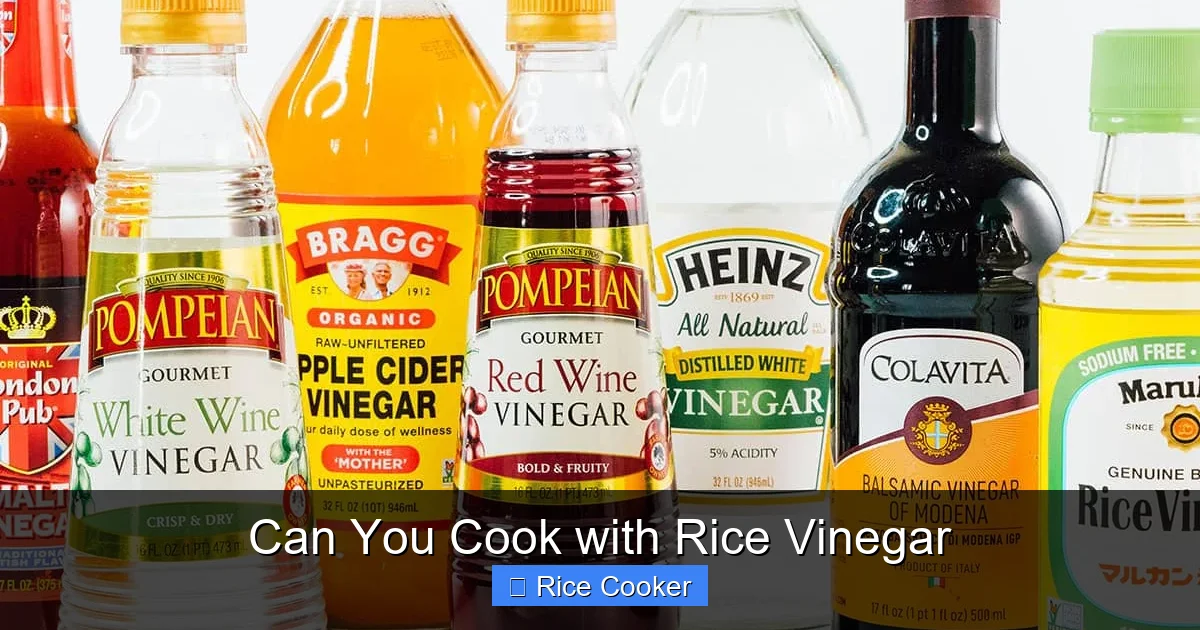
Visual guide about Can You Cook with Rice Vinegar
Image source: liveeatlearn.com
Types of Rice Vinegar
Not all rice vinegars are created equal. There are several varieties, each with distinct flavors and uses:
- White Rice Vinegar: Also known as mirin vinegar, this is the most common type. It’s clear, mild, and slightly sweet. Ideal for sushi rice, dressings, and light sauces.
- Red Rice Vinegar: Made from brown rice, this variety has a deeper color and richer, nuttier flavor. Often used in Chinese cuisine for braised dishes or dipping sauces.
- Black Rice Vinegar: Fermented from black glutinous rice, this is darker and more complex. Used sparingly due to its strong flavor—common in Cantonese sweet and sour dishes.
- Aged Rice Vinegar: Similar to aged balsamic, these have a deeper, sweeter flavor and are less acidic. Rare but prized in gourmet applications.
Nutritional Profile and Health Benefits
Rice vinegar isn’t just about flavor—it also offers some health perks. It’s low in calories and sodium, and contains trace amounts of amino acids, vitamins B1 and B6, and antioxidants. Some studies suggest that rice vinegar may support digestion, regulate blood sugar levels, and aid in weight management when consumed in moderation.
For example, adding a splash of rice vinegar to your meal can help slow the absorption of carbohydrates, keeping you fuller longer. It also stimulates stomach acid production, which can improve nutrient absorption and reduce bloating.
Is Rice Vinegar Safe to Heat?
This is a common question—especially for those new to using vinegar in cooking. Can you cook with rice vinegar, or will it lose its flavor when heated?
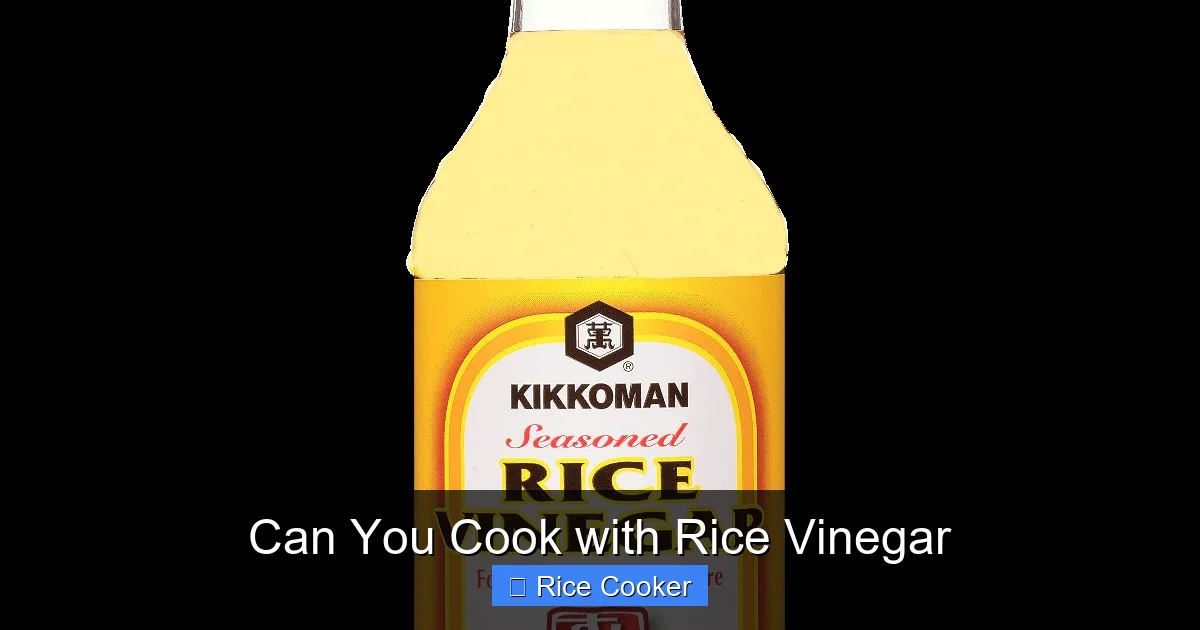
Visual guide about Can You Cook with Rice Vinegar
Image source: kikkomanusa.com
The good news is yes, you can safely cook with rice vinegar. While vinegar does lose some of its sharp, tangy qualities when exposed to high heat, rice vinegar’s mild nature means it won’t completely disappear. Instead, it melds into the dish, providing subtle acidity and helping to balance rich or fatty ingredients.
How Heat Affects Rice Vinegar
When rice vinegar is heated, its acetic acid content remains stable, so it continues to act as a preservative and flavor enhancer. However, prolonged boiling can diminish its aromatic compounds, making it less “bright” on the palate. For that reason, it’s often added toward the end of cooking or used in sauces that aren’t brought to a full boil.
For instance, if you’re making a stir-fry, you might add rice vinegar in the last minute or two of cooking to preserve its freshness. But if you’re preparing a marinade or braising liquid, heating it first helps dissolve seasonings and infuse flavors into proteins or vegetables.
Safety Considerations
Rice vinegar is generally safe for cooking, but there are a few things to keep in mind:
- Pasteurization: Most commercial rice vinegars are pasteurized, meaning they’ve been heat-treated to kill harmful bacteria. This makes them safe for cooking and storing at room temperature.
- Unpasteurized versions: These may contain wild yeast or bacteria and should not be used in cooking unless specifically labeled as such. Always check the label.
- Allergens: Rice vinegar is gluten-free and suitable for most diets, but always verify if cross-contamination is a concern.
How to Use Rice Vinegar in Cooking
Now that we’ve confirmed you can cook with rice vinegar, let’s dive into the fun part: how to actually use it!
In Sushi and Sashimi Rice
One of the most iconic uses of rice vinegar is in sushi rice. The vinegar mixture (vinegar, sugar, salt) is gently folded into cooked sushi rice while it’s still warm, giving the grains a glossy finish and a perfect balance of sweet and tangy flavor.
Pro tip: Never use regular white vinegar—it’s too harsh. Rice vinegar is essential for authentic sushi flavor.
In Stir-Fries and Wok Dishes
Rice vinegar adds a refreshing lift to stir-fries. Try tossing it with soy sauce, garlic, and ginger to create a quick glaze for chicken, tofu, or shrimp. The vinegar cuts through the richness of oil and enhances the umami of soy.
As a Marinade Ingredient
Its mild acidity helps tenderize meat and lock in moisture. Combine rice vinegar with olive oil, herbs, and spices for a marinade that works well with beef, pork, or tofu.
In Salad Dressings
Mix rice vinegar with sesame oil, honey, and a pinch of salt for a light, Asian-inspired vinaigrette. Drizzle over greens, noodles, or roasted vegetables.
For Pickling and Fermentation
Rice vinegar’s low acidity makes it excellent for pickling vegetables like cucumbers, carrots, and radishes. It preserves food safely while adding a crisp, tangy bite.
In Sauces and Glazes
Use it in teriyaki, hoisin, or oyster sauce recipes. The vinegar balances sweetness and deepens flavor complexity.
Substituting Rice Vinegar in Recipes
What if you don’t have rice vinegar on hand? Don’t panic—there are several substitutes you can use, though flavor profiles may vary slightly.
Best Substitutes for Rice Vinegar
- Apple Cider Vinegar: Mild and fruity. Use 1:1 ratio. Best for salads and dressings.
- White Wine Vinegar: Clean and slightly sweet. Good for light sauces.
- Lemon or Lime Juice: Fresh and bright. Add right before serving to avoid bitterness.
- Rice Wine (Mirin): Note that mirin is not vinegar—it’s sweet and lacks acidity. Only use if the recipe allows for extra sweetness.
Keep in mind that substitutes may alter the final taste. For example, lemon juice can make a dish too sharp if overused, while apple cider vinegar may add a stronger fruit note.
Cooking Tips for Using Rice Vinegar
To get the most out of your rice vinegar, follow these expert tips:
- Measure carefully: A little goes a long way. Start with 1–2 tablespoons and adjust to taste.
- Add gradually: Taste as you go, especially in delicate dishes like dressings or sushi rice.
- Balance with sweetness: Rice vinegar is naturally slightly sweet, but sometimes pairing it with a touch of sugar or honey improves harmony.
- Use fresh vinegar: Check expiration dates. Over time, vinegar can oxidize and develop off-flavors.
- Store properly: Keep the bottle tightly sealed and away from direct sunlight. Refrigeration isn’t necessary but can extend shelf life.
Common Mistakes to Avoid
Even experienced cooks can make mistakes when using rice vinegar. Here are a few pitfalls to watch out for:
- Using too much: Too much vinegar can make a dish overly sour or unbalanced.
- Adding at the wrong time: Heating it too early or too long can dull its flavor.
- Confusing it with rice wine: Mirin and sake are not vinegars and serve different culinary purposes.
- Ignoring brand quality: Low-quality vinegar may contain artificial flavors or excessive additives.
Frequently Asked Questions
Is rice vinegar okay to boil?
Yes, rice vinegar can be boiled safely, but prolonged exposure to high heat may reduce its aromatic qualities. For best results, add it toward the end of cooking or use it in sauces that don’t require full boiling.
Can you use rice vinegar instead of apple cider vinegar?
Yes, but the flavors differ. Rice vinegar is milder and less tangy, making it better for delicate dishes. Apple cider vinegar is sharper and fruitier—ideal for salads and pickling.
Does cooking with rice vinegar remove its health benefits?
Most nutritional benefits remain intact even after cooking. While some volatile compounds may evaporate, rice vinegar still contributes acidity, enzymes, and antioxidants to your meal.
Can rice vinegar go bad?
Rice vinegar has an almost indefinite shelf life due to its high acidity, which acts as a natural preservative. However, if it develops mold, unusual odor, or sediment, discard it. Always store it in a cool, dark place.
Is rice vinegar gluten-free?
Yes, traditional rice vinegar is gluten-free since it’s made from rice. However, always check labels for cross-contamination warnings if you have celiac disease or gluten sensitivity.
Can I use rice vinegar in baking?
Rarely. Due to its strong flavor and acidity, rice vinegar is not commonly used in baking. However, in small amounts, it can react with baking soda to help leaven certain recipes, like flatbreads or pancakes.
Conclusion: Why Rice Vinegar Belongs in Your Kitchen
So, can you cook with rice vinegar? The answer is a resounding yes—and once you start using it, you’ll wonder how you ever lived without it. From sushi rice to stir-fries, marinades to dressings, rice vinegar brings a level of balance and sophistication that few other ingredients can match.
Its mild flavor, versatility, and health-friendly profile make it a smart addition to any home cook’s pantry. Whether you’re new to Asian cuisine or a seasoned chef looking to expand your repertoire, rice vinegar is a tool worth mastering.
Next time you’re at the grocery store, pick up a bottle. Then, try adding it to a simple dish—maybe a bowl of noodles, a grilled vegetable plate, or even a homemade salad dressing. You might be surprised at how much brighter and more delicious your food becomes.
Happy cooking!
Frequently Asked Questions
Is rice vinegar okay to boil?
Yes, rice vinegar can be boiled safely, but prolonged exposure to high heat may reduce its aromatic qualities. For best results, add it toward the end of cooking or use it in sauces that don’t require full boiling.
Can you use rice vinegar instead of apple cider vinegar?
Yes, but the flavors differ. Rice vinegar is milder and less tangy, making it better for delicate dishes. Apple cider vinegar is sharper and fruitier—ideal for salads and pickling.
Does cooking with rice vinegar remove its health benefits?
Most nutritional benefits remain intact even after cooking. While some volatile compounds may evaporate, rice vinegar still contributes acidity, enzymes, and antioxidants to your meal.
Can rice vinegar go bad?
Rice vinegar has an almost indefinite shelf life due to its high acidity, which acts as a natural preservative. However, if it develops mold, unusual odor, or sediment, discard it. Always store it in a cool, dark place.
Is rice vinegar gluten-free?
Yes, traditional rice vinegar is gluten-free since it’s made from rice. However, always check labels for cross-contamination warnings if you have celiac disease or gluten sensitivity.
Can I use rice vinegar in baking?
Rarely. Due to its strong flavor and acidity, rice vinegar is not commonly used in baking. However, in small amounts, it can react with baking soda to help leaven certain recipes, like flatbreads or pancakes.