

Dehydrating cooked rice is not only possible but also a smart way to extend its shelf life. Whether you’re prepping meals in advance or building an emergency food supply, this method helps retain nutrients while making storage easier. Using a food dehydrator or your oven at low heat turns leftover rice into lightweight, shelf-stable flakes. Just remember proper drying times and safe handling to avoid spoilage—read on for step-by-step guidance.
Key Takeaways
- Yes, cooked rice can be dehydrated: It’s safe and effective when done correctly using either a food dehydrator or oven.
- Nutrient retention is high: Dehydration preserves most vitamins and minerals better than freezing, though texture changes occur.
- Shelf life extends significantly: Properly dried rice lasts up to 10–15 years when stored in airtight containers away from light and moisture.
- Rehydration is simple: Add boiling water or broth to reactivate the rice—ideal for soups, casseroles, or side dishes.
- Safety first: Always cool rice quickly before dehydrating to prevent bacterial growth like Bacillus cereus.
- Portion control matters: Spread rice thinly on trays for even drying; small batches dry faster and more uniformly.
- Great for meal prep and emergencies: Dehydrated rice reduces bulk and weight—perfect for camping, disaster kits, or pantry stocking.
📑 Table of Contents
- Can You Dehydrate Cooked Rice? The Ultimate Guide to Preserving Your Leftovers
- Why Dehydrate Cooked Rice?
- How Does Rice Dehydration Work?
- Step-by-Step Guide: How to Dehydrate Cooked Rice
- Types of Rice Best Suited for Dehydration
- Rehydrating Dehydrated Rice Like a Pro
- Safety Considerations When Dehydrating Rice
- Creative Uses for Dehydrated Rice Beyond the Bowl
- Comparing Dehydrated Rice to Other Preservation Methods
- Common Myths About Dehydrating Rice Debunked
- Final Thoughts: Is Dehydrating Rice Worth It?
Can You Dehydrate Cooked Rice? The Ultimate Guide to Preserving Your Leftovers
If you love cooking in bulk or always seem to end up with extra rice after dinner, you’re not alone. Leftover rice is a kitchen staple—but what happens when you have more than your family can eat within a few days? Throwing it out feels wasteful, especially when there are smarter ways to store it. One surprisingly efficient method is dehydrating cooked rice. But before you toss those leftovers into a food dehydrator, let’s answer the big question: Can you dehydrate cooked rice?
The short answer is yes—you absolutely can dehydrate cooked rice safely and effectively. In fact, this technique has been used for centuries to preserve grains for long-term storage. Whether you’re preparing meals ahead of time, storing food for emergencies, or simply trying to reduce waste, dehydrated rice offers a lightweight, nutrient-rich alternative to traditional refrigeration or freezer storage. Plus, once rehydrated, it tastes remarkably close to fresh-cooked rice. So grab your favorite pot of white, brown, or jasmine rice—and let’s dive into everything you need to know about turning yesterday’s meal into tomorrow’s convenience.
Why Dehydrate Cooked Rice?
You might wonder why anyone would go through the trouble of dehydrating something as common as rice. After all, it’s cheap, easy to cook, and lasts just fine in the fridge for a few days. But there are several compelling reasons to consider this method—especially if you’re serious about meal prep, emergency readiness, or sustainable living.
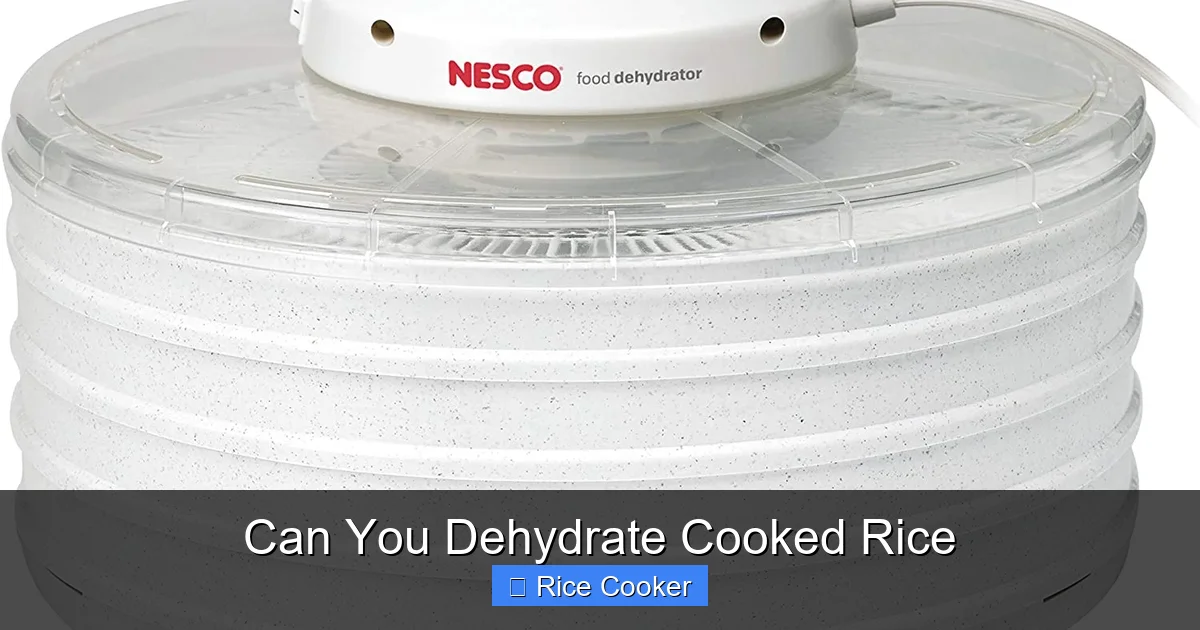
Visual guide about Can You Dehydrate Cooked Rice
Image source: dehydratedcookbook.com
Meal Prep Efficiency
Imagine having perfectly portioned, ready-to-use rice that requires no reheating—just add hot liquid and you’re good to go. That’s the magic of dehydrated rice. For busy professionals, parents, or fitness enthusiasts who follow strict meal plans, prepping individual servings ahead of time saves hours every week. No more daily cooking or last-minute scrambling for sides. Just pop a packet into a bowl, pour boiling water over it, stir, wait five minutes… and dinner is served.
Long-Term Food Storage
Dehydrated rice shines in survival scenarios and emergency kits. Unlike fresh rice (which spoils quickly) or frozen rice (which becomes mushy upon thawing), dehydrated versions remain stable for years. Military rations, backpacking supplies, and disaster preparedness guides often include dehydrated grains because they take up minimal space, weigh very little, and don’t require refrigeration. A single pound of dehydrated white rice equals about six pounds of fresh rice in terms of caloric value—making it incredibly efficient for long-term storage.
Nutritional Preservation
While dehydration does alter texture slightly, it doesn’t destroy nutrients. In fact, studies show that gentle heat used in dehydration helps break down some complex carbohydrates, making certain nutrients more bioavailable. Vitamins B and C may decrease slightly during processing, but overall, dehydrated rice retains most of its protein, fiber, and mineral content—especially if you start with whole-grain varieties like brown rice.
Reduced Waste
In the U.S., millions of pounds of food are wasted annually—and rice is no exception. By dehydrating leftovers instead of tossing them, you contribute to a more sustainable kitchen. This eco-friendly approach aligns with zero-waste lifestyles and reduces your carbon footprint by minimizing landfill contributions.
How Does Rice Dehydration Work?
At its core, dehydration removes moisture from food, which inhibits microbial growth and enzymatic activity—the main causes of spoilage. When applied to cooked rice, this process transforms soft, wet grains into dry, porous flakes that can sit on shelves indefinitely under proper conditions.

Visual guide about Can You Dehydrate Cooked Rice
Image source: dehydratedcookbook.com
The Science Behind Safe Dehydration
Cooked rice is notorious for harboring Bacillus cereus, a bacterium that produces toxins causing food poisoning—even after reheating. However, these bacteria thrive in moist, warm environments. By reducing water content to below 10%, dehydration kills off most pathogens and prevents regrowth. The key is ensuring complete dryness; any residual moisture invites mold or reactivation of spores.
Differences Between Methods
There are two primary ways to dehydrate rice: using a dedicated food dehydrator or your home oven. Both methods work well, but each has pros and cons:
- Food Dehydrator: Most consistent results. Even heat distribution ensures uniform drying. Typically takes 8–12 hours at 135°F (57°C).
- Oven Method: More accessible but less precise. Requires propping doors open and frequent monitoring. Can take 6–10 hours depending on oven type.
Regardless of equipment, success hinges on temperature control, airflow, and patience.
Step-by-Step Guide: How to Dehydrate Cooked Rice
Ready to try it yourself? Follow this foolproof process for perfect results every time.
Gather Your Supplies
Before starting, make sure you have:
- Freshly cooked rice (cooled completely)
- Airtight containers or vacuum sealers
- Parchment paper (for lining trays)
- Food dehydrator or oven
- Timer and thermometer (optional but helpful)
Preparation Is Key
Start with properly cooled rice. Never place hot rice directly into a dehydrator—this raises internal temperature too high, creating ideal conditions for bacteria. Instead, spread it out on baking sheets and refrigerate until room temperature (about 2 hours). Then fluff gently with a fork to separate clumps.
Laying Out for Success
For best results, spread rice in a single layer on parchment-lined dehydrator trays or oven racks. Aim for no more than ¼-inch thickness. Overcrowding leads to uneven drying and potential spoilage. If using an oven, leave door cracked 2–4 inches to allow steam escape.
Setting the Right Temperature
Maintain temperatures between 135–140°F (57–60°C). Higher heat risks burning rice or forming condensation inside the machine. Lower temps extend drying time but yield better texture. Use a probe thermometer to verify—this is crucial for safety and quality.
Monitoring Progress
Drying usually takes 8–12 hours. Check periodically after 8 hours. Rice should feel brittle and snap easily when bent. Avoid touching with bare hands—use clean utensils. If any pieces remain soft, continue drying in 1-hour increments until fully crisp.
Cooling & Storing
Once dry, let rice cool completely before sealing. Store in glass jars, Mylar bags with oxygen absorbers, or vacuum-sealed pouches. Label with date and contents. Keep in a cool, dark place—ideally below 70°F (21°C)—for maximum shelf life.
Types of Rice Best Suited for Dehydration
Not all rice varieties behave the same during dehydration. Some hold up better than others due to starch content, grain structure, and cooking behavior.
White Rice
Most commonly dehydrated thanks to its neutral flavor and quick cooking time. Basmati and jasmine white rice rehydrate beautifully and maintain a light, fluffy texture when done right. Ideal for everyday use and emergency kits alike.
Brown Rice
Higher in fiber and nutrients, but also more challenging to dry evenly. Its bran layer absorbs moisture differently, so expect longer drying times (up to 14 hours). Still worth the effort—brown rice adds heartiness to stews and grain bowls post-rehydration.
Wild Rice & Mixed Grains
Less practical due to varied particle sizes and densities. May require blending with other grains or pre-soaking. Generally not recommended unless you’re experimenting.
Instant Rice vs. Fresh-Cooked
Avoid instant rice—it’s already partially processed and won’t dehydrate well. Stick to freshly boiled rice for optimal results.
Rehydrating Dehydrated Rice Like a Pro
The moment of truth: bringing your dried rice back to life. Done correctly, it should taste almost indistinguishable from freshly cooked grains.
The Water Ratio Game
Start with a 1:2 ratio—one part rice to two parts liquid. Adjust based on desired consistency:
- Fluffy rice: Use more water (1:2.5)
- Starchy base: Use less (1:1.5)
Best Liquids to Use
Water works fine for plain rice, but for enhanced flavor consider:
- Vegetable or chicken broth
- Coconut milk (great for Asian-inspired dishes)
- Tomato juice (perfect for Spanish paella-style recipes)
Steeping Time Matters
Let rehydrated rice rest covered for 5–10 minutes. This allows full absorption without becoming gluey. Stir gently before serving.
Troubleshooting Tips
- Gummy rice? Too much liquid or insufficient soaking time. Try reducing water next batch.
- Rice won’t soften? Ensure it was fully dried initially. Partially wet rice won’t absorb properly.
- Off flavors? Old rice or poor storage conditions. Rotate stock regularly and check seals.
Safety Considerations When Dehydrating Rice
While dehydration is generally safe, rice demands extra caution due to Bacillus cereus. Follow these guidelines to avoid health risks.
Never Skip the Cooling Step
Hot rice creates condensation inside dehydrators, reintroducing moisture and promoting bacterial growth. Always cool completely before processing.
Avoid Cross-Contamination
Use clean tools and sterilized containers. Wash hands thoroughly before handling food. Dirty surfaces introduce pathogens that dehydration can’t eliminate.
Check for Signs of Spoilage
Discard rice showing:
- Mold (visible fuzz or discoloration)
- Unpleasant odors (rotten or sour smells)
- Clumping or stickiness (indicates moisture return)
Rotate Your Stock
Even though dehydrated rice lasts years, quality degrades over time. Consume older stock first and rotate new batches into regular use.
Creative Uses for Dehydrated Rice Beyond the Bowl
Don’t limit yourself to plain boiled rice. Dehydrated grains open up endless culinary possibilities.
Instant Soups & Stews
Blend dehydrated rice with dehydrated vegetables, seasonings, and bouillon cubes. Reconstitute with hot water for a hearty, portable meal.
Emergency Rations
Combine with nuts, dried fruit, and protein powder for energy bars or trail mixes. Lightweight and calorie-dense—ideal for hikers or preppers.
Homemade Baby Food
Purée rehydrated rice with steamed veggies for nutritious first foods. Much cheaper and fresher than commercial options!
Pantry Staples for Diabetics or Gluten-Free Diets
Rice is naturally gluten-free and low-glycemic when paired with healthy fats and proteins. Dehydrated versions simplify carb counting and meal planning.
Comparing Dehydrated Rice to Other Preservation Methods
How does dehydration stack up against freezing, canning, or freeze-drying?
| Method | Shelf Life | Weight/Space | Texture Post-Processing | Best For |
|---|---|---|---|---|
| Refrigeration | 3–7 days | Heavy/Voluminous | Soft, sticky | Short-term leftovers |
| Freezing | 1–2 months | Very heavy | Mushy when thawed | Batch cooking |
| Dehydrating | 10–15 years* | Ultra-light | Crisp, flaky | Emergency kits, travel |
| Vacuum Sealing + Freeze | 2–5 years | Moderate | Acceptable | Long-term freezer storage |
| Commercial Drying (e.g., military rations) | Decades | Ultra-compact | Very dry | Military, expeditions |
*With proper storage (Mylar bags, oxygen absorbers, cool/dark location)
Common Myths About Dehydrating Rice Debunked
Let’s clear up some misconceptions floating around online.
Myth #1: “Rice Can’t Be Safely Dehydrated”
False. With proper temperature control and thorough drying, rice becomes shelf-stable. Thousands of people dehydrate rice monthly without issues.
Myth #2: “It Tastes Nothing Like Real Rice”
Partially true—texture differs slightly (more crumbly), but flavor is nearly identical when rehydrated correctly. Many report preferring it for certain dishes.
Myth #3: “You Need Special Equipment”
Not really. An oven works fine. Dedicated dehydrators just make life easier.
Myth #4: “Only White Rice Works”
Both white and brown rice dehydrate well. Brown just needs more attention.
Final Thoughts: Is Dehydrating Rice Worth It?
After exploring every angle—from safety and nutrition to creativity and cost-effectiveness—it’s clear that dehydrating cooked rice is not only feasible but highly valuable. Whether you’re a homesteader building a year’s supply of staples, a parent streamlining weekly dinners, or an outdoor enthusiast packing light, this ancient technique remains relevant today.
Yes, it requires upfront effort—cooling, spreading, monitoring, sealing—but the payoff is unmatched. Imagine pulling out a jar of perfectly preserved rice from your pantry, adding hot broth, and having a nourishing meal ready in minutes. No waste, no hassle, no compromise.
So go ahead—next time you cook a big pot of rice, think beyond the fridge. Consider the dehydrator. Your future self (and your emergency kit) will thank you.
Frequently Asked Questions
Is it safe to dehydrate cooked rice?
Yes, it’s completely safe when done correctly. The low-temperature drying process eliminates moisture, preventing bacterial growth. Just ensure rice is cooled before dehydrating and fully dried afterward.
How long does dehydrated rice last?
Properly stored dehydrated rice can last 10 to 15 years. Use airtight containers, oxygen absorbers, and keep it in a cool, dark place for maximum longevity.
Can you rehydrate dehydrated rice in cold water?
Technically yes, but it takes much longer—sometimes over an hour. Hot water rehydrates rice quickly and yields better texture, so it’s recommended for best results.
Does dehydrating rice change its nutritional value?
Some surface vitamins may decrease slightly due to heat exposure, but core nutrients like protein, fiber, and minerals remain largely intact. Whole-grain rice retains more benefits than white rice.
Can I dehydrate instant rice?
No, avoid instant rice. It’s already partially processed and contains additives that don’t dehydrate well. Always use freshly cooked rice for best results.
What’s the difference between dehydrated and freeze-dried rice?
Freeze-dried rice uses sublimation (solid ice turning directly to vapor), preserving texture better but requiring specialized equipment. Dehydrated rice uses gentle heat and is more accessible for home cooks.