
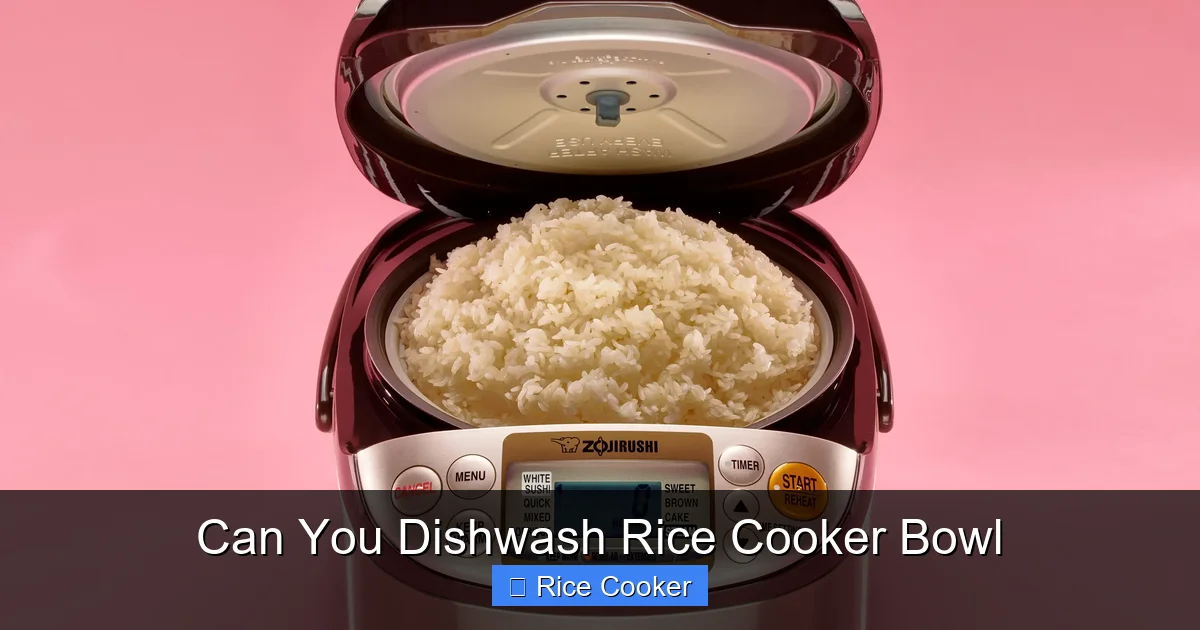
Can you dishwash rice cooker bowls? The answer depends on the material and manufacturer instructions. Generally, many are dishwasher-safe—but always check labels first. Using the wrong method can damage coatings or warp parts, shortening your bowl’s life. We’ll guide you through safe cleaning practices, material differences, and when to hand wash instead.
Key Takeaways
- Dishwashing safety varies by material: Stainless steel and high-quality non-stick bowls are often dishwasher-safe, but ceramic or enamel coatings may degrade over time.
- Always check the manual: Manufacturer guidelines override general advice—look for dishwasher symbols or warnings on the base or lid.
- Use top-rack placement: Place bowls upside down on the top rack with space between them to avoid water pooling and heat exposure.
- Skip harsh detergents: Opt for mild, phosphate-free dish soap to protect non-stick surfaces and seals.
- Hand washing preserves longevity: For delicate bowls or older models, gentle hand washing prevents cracking, warping, or coating damage.
- Air dry completely: Always let bowls dry fully before reassembling to prevent rust or mold in internal components.
- Inspect regularly: Check for scratches, discoloration, or warping—signs that dishwashing may be doing more harm than good.
📑 Table of Contents
- Can You Dishwash Rice Cooker Bowl? A Complete Guide
- Understanding Your Rice Cooker Bowl Materials
- How to Determine Dishwasher Safety
- Safe Dishwashing Practices
- When to Choose Hand Washing Instead
- Step-by-Step: How to Hand Wash Your Rice Cooker Bowl
- Common Mistakes to Avoid
- Signs Your Bowl Needs Replacement
- Expert Tips for Long-Lasting Performance
- Environmental and Health Considerations
- Frequently Asked Questions About Dishwashing Rice Cooker Bowls
Can You Dishwash Rice Cooker Bowl? A Complete Guide
Rice cookers have become kitchen staples across the globe, beloved for their simplicity and ability to cook fluffy, perfectly seasoned grains every time. But once dinner’s done, the real question arises: how do you clean that inner bowl without ruining it? Many home cooks wonder—can you dishwash rice cooker bowl? The short answer is: sometimes. But understanding the “when” and “how” is key to keeping your appliance working well for years.
In this article, we’ll walk through everything you need to know about cleaning your rice cooker’s inner cooking vessel. From materials like stainless steel and non-stick coatings to practical tips from appliance experts, you’ll learn how to maintain your rice cooker bowl safely and effectively. Whether you’re a beginner or a seasoned cook, knowing the right way to clean your bowl ensures better taste, longer appliance life, and fewer kitchen headaches.
Understanding Your Rice Cooker Bowl Materials
The first step in determining whether you can dishwash rice cooker bowl is identifying what it’s made of. Different materials respond differently to heat, moisture, and detergent exposure. Let’s break down the most common types:
Visual guide about Can You Dishwash Rice Cooker Bowl
Image source: ricearray.org
Non-Stick Coatings (PTFE or PFOA-Free)
Most modern rice cooker bowls feature non-stick surfaces to prevent rice from sticking and make cleanup easier. These coatings—often made from PTFE (polytetrafluoroethylene)—are durable but sensitive to high temperatures and abrasive tools.
Can you dishwash rice cooker bowl with non-stick coating? It depends. Some manufacturers design these bowls to be dishwasher-safe, especially newer models with advanced coatings resistant to heat and chemical wear. However, even safe dishwashing can gradually degrade the coating over time, especially if used frequently or washed with strong detergents.
To test your bowl’s durability: try hand washing it gently with warm soapy water after one cycle. If the surface looks shiny and smooth afterward, it may handle dishwashing well. If it feels dull or slightly sticky, it’s best to avoid the dishwasher.
Stainless Steel Bowls
Stainless steel bowls are popular in professional and higher-end rice cookers because they’re tough, corrosion-resistant, and don’t react with food. Unlike non-stick surfaces, stainless steel can usually withstand dishwasher cycles without damage.
Can you dishwash rice cooker bowl made of stainless steel? In most cases, yes. Stainless steel resists warping, scratching from detergents, and high heat. Still, it’s wise to place it on the top rack and avoid placing metal utensils nearby to prevent chipping.
One caveat: some stainless steel bowls have a polished finish that can dull over time in the dishwasher. If appearance matters, hand washing is gentler.
Ceramic and Enamel-Coated Bowls
Ceramic-coated bowls offer a middle ground—they’re non-stick and visually appealing. Enamel finishes, commonly seen in vintage or artisanal models, are glass-like and resistant to staining.
However, both materials can be fragile in dishwashers. Sudden temperature changes (like hot water hitting cold ceramic) can cause cracks. Detergents may also erode glazes over repeated use.
If your bowl has a ceramic or enamel coating, can you dishwash rice cooker bowl safely? Only if the manual says so. Otherwise, hand washing is the safest choice.
Plastic or Heat-Resistant Polymer Bowls
Some compact or budget-friendly rice cookers use plastic bowls. These are lightweight and inexpensive but not designed for high heat or prolonged exposure to water and detergents.
Can you dishwash rice cooker bowl made of plastic? Almost never. Even top-rack cycles expose plastic to enough heat and moisture to warp or release chemicals. Always hand wash these models.
How to Determine Dishwasher Safety
Before tossing your rice cooker bowl into the dishwasher, take a few minutes to check for clear signs of safety. Here’s how:
Visual guide about Can You Dishwash Rice Cooker Bowl
Image source: ricearray.org
Check the Manual or Label
Your rice cooker’s user manual will list care instructions, including whether the inner bowl is dishwasher-safe. Look for icons like a dishwasher symbol (usually a tub with waves) or a warning against machine washing.
Many brands print these labels directly on the bowl’s underside or base. If you’ve lost the manual, search online using your model number. Brands like Zojirushi, Panasonic, and Tiger provide digital manuals on their websites.
Look for Warning Stickers
Some bowls have small stickers inside or near the rim that say “Not Dishwasher Safe” or “Hand Wash Only.” These are hard to miss once you know what to look for.
Test a Small Area
If you’re unsure, perform a spot test: wipe a small section with dish soap and warm water. If it cleans easily and shows no discoloration, it’s likely safe for occasional dishwashing. If it becomes sticky or dull, avoid the full cycle.
Safe Dishwashing Practices
If your rice cooker bowl is approved for dishwashing, follow these steps to minimize wear:
Place on Top Rack Only
Never put the bowl on the bottom rack. Bottom racks are closer to the heating element and hotter overall. Top racks stay cooler and reduce risk of warping or melting.
Also, position the bowl upside down to prevent water from pooling in the center where steam collects during cooking.
Avoid Harsh Detergents
Use only mild, unscented dishwasher detergents. Avoid those with bleach, chlorine, or heavy enzymes. These can break down seals, degrade coatings, or leave residues.
For extra protection, consider using a rinse aid—it helps prevent water spots and keeps surfaces smooth.
Don’t Overcrowd the Dishwasher
Give your rice cooker bowl space around it. Tight packing reduces water circulation and can lead to uneven cleaning or re-depositing of food particles.
Air Dry Completely
After the cycle ends, remove the bowl and let it air dry fully before reassembling the rice cooker. Residual moisture can promote rust in metal parts or mold in plastic seals.
When to Choose Hand Washing Instead
Even if your bowl is technically dishwasher-safe, there are situations where hand washing is smarter:
New or Uncertain Models
If you’ve just bought a rice cooker and aren’t sure about its bowl’s origin, start with hand washing. It’s gentler and lets you observe how the material responds.
Older or Worn Bowls
Bowls with visible scratches, peeling coatings, or discoloration are more vulnerable to damage in the dishwasher. Hand washing reduces stress on weakened areas.
Delicate Rice Varieties
If you cook sticky rice, sushi rice, or other high-moisture grains, residue builds up quickly. Hand washing with warm soapy water removes gunk without exposing the surface to extra heat and chemicals.
You Prefer Eco-Friendly Options
Hand washing uses less energy and water than running full dishwasher loads. Plus, you control the temperature and cleaning agents, reducing chemical runoff.
Step-by-Step: How to Hand Wash Your Rice Cooker Bowl
Follow this simple routine to keep your bowl sparkling and functional:
- Cool Down First: Never wash a hot bowl. Let it cool completely to avoid thermal shock.
- Rinse Off Loose Debris: Rinse under lukewarm water to remove excess rice or oil.
- Apply Mild Soap: Use a soft sponge or cloth with a drop of gentle dish soap. Avoid steel wool or scrub pads.
- Gently Scrub: Focus on stuck-on bits, but don’t press hard—especially near edges or corners.
- Rinse Thoroughly: Make sure all soap is gone. Leftover suds can affect taste or leave film.
- Dry Completely: Pat dry with a towel, then air dry upside down on a rack.
- Store Properly: Once dry, store the bowl separately or reassemble the cooker only when needed.
This method works for all materials and extends the life of your bowl significantly.
Common Mistakes to Avoid
Even experienced cooks make errors when cleaning rice cooker bowls. Steer clear of these habits:
- Using abrasive scrubbers: They scratch non-stick surfaces and trap bacteria in tiny grooves.
- Soaking overnight: Prolonged water exposure can warp plastic or loosen seals.
- Putting lids in the dishwasher: Lids often contain rubber or silicone parts that degrade in heat and moisture.
- Ignoring manufacturer warnings: Every model differs. Don’t assume all bowls are dishwasher-safe.
- Skipping regular cleaning: Built-up starch attracts pests and affects future cooking performance.
Signs Your Bowl Needs Replacement
No matter how carefully you clean it, bowls wear out. Watch for these indicators:
- Pitting, flaking, or bubbling of the non-stick coating
- Persistent sticking even with oil or proper rinsing
- Cracks, chips, or warping around the rim
- Unusual odors or tastes after cleaning
- Difficulty removing stubborn residue
If any of these occur, it’s time to replace the bowl. Most manufacturers sell compatible replacements, or you can upgrade to a new rice cooker with a more durable design.
Expert Tips for Long-Lasting Performance
Appliance specialists recommend these practices to keep your rice cooker bowl in top shape:
- Pre-Rinse Before Storage: Remove leftover rice and rinse immediately after use. Starches harden and bond to surfaces.
- Use Cooking Oil Sparingly: Excess oil creates residue that’s hard to clean. A light spray is sufficient.
- Clean Monthly Deep Clean: Once a month, soak the bowl in warm vinegar-water (1:1) for 15 minutes to dissolve mineral deposits.
- Store Separately: Keep the bowl away from other dishes to prevent scratches.
- Rotate Usage: If you have multiple bowls, rotate them to spread wear evenly.
These small efforts make a big difference in flavor consistency and appliance longevity.
Environmental and Health Considerations
Beyond appliance care, cleaning choices impact your health and planet:
- Reduce Chemical Exposure: Hand washing with natural soap (like castile) avoids synthetic detergents linked to skin irritation.
- Conserve Water: A single hand wash uses far less water than a full dishwasher cycle.
- Extend Appliance Life: Gentle care means fewer replacements, reducing e-waste.
- Avoid Microplastic Release: Some dishwasher detergents contain microbeads or synthetic polymers that shed during washing.
Choosing sustainable cleaning methods aligns with eco-conscious living—and often saves money too.
Frequently Asked Questions About Dishwashing Rice Cooker Bowls
Can I put my rice cooker bowl in the dishwasher if it has a non-stick coating?
It depends on the brand and model. Many modern non-stick bowls are dishwasher-safe, but repeated exposure can degrade the coating over time. Check your manual or look for a dishwasher symbol. When in doubt, hand wash to preserve the surface.
What happens if I dishwash a plastic rice cooker bowl?
Plastic bowls are almost never dishwasher-safe. The heat and moisture can warp the material, melt seals, or release harmful chemicals. Always hand wash plastic bowls to ensure safety and functionality.
How often should I dishwash my rice cooker bowl?
Only when necessary. After each use, a quick rinse or hand wash is usually enough. Frequent dishwashing accelerates wear, regardless of material. Reserve machine washing for deep cleaning once a week or as needed.
Can I use bleach-based cleaners on my rice cooker bowl?
No. Bleach and harsh oxidizers damage non-stick coatings, metal finishes, and plastic parts. Use only mild, pH-neutral cleaners designed for kitchenware. Natural alternatives like baking soda paste work well for tough stains.
Is it okay to leave rice in the bowl overnight before washing?
No. Leaving cooked rice overnight allows bacteria to grow and starches to harden, making cleanup much harder. Rinse the bowl within 30 minutes of cooking to prevent residue buildup.
Where can I find replacement bowls for my rice cooker?
Visit the manufacturer’s website or authorized retailers. Search using your model number. Popular brands like Zojirushi, Cuckoo, and Instant Pot offer genuine replacement parts. Third-party sellers may also carry compatible bowls—verify compatibility first.
Frequently Asked Questions
Can I put my rice cooker bowl in the dishwasher if it has a non-stick coating?
It depends on the brand and model. Many modern non-stick bowls are dishwasher-safe, but repeated exposure can degrade the coating over time. Check your manual or look for a dishwasher symbol. When in doubt, hand wash to preserve the surface.
What happens if I dishwash a plastic rice cooker bowl?
Plastic bowls are almost never dishwasher-safe. The heat and moisture can warp the material, melt seals, or release harmful chemicals. Always hand wash plastic bowls to ensure safety and functionality.
How often should I dishwash my rice cooker bowl?
Only when necessary. After each use, a quick rinse or hand wash is usually enough. Frequent dishwashing accelerates wear, regardless of material. Reserve machine washing for deep cleaning once a week or as needed.
Can I use bleach-based cleaners on my rice cooker bowl?
No. Bleach and harsh oxidizers damage non-stick coatings, metal finishes, and plastic parts. Use only mild, pH-neutral cleaners designed for kitchenware. Natural alternatives like baking soda paste work well for tough stains.
Is it okay to leave rice in the bowl overnight before washing?
No. Leaving cooked rice overnight allows bacteria to grow and starches to harden, making cleanup much harder. Rinse the bowl within 30 minutes of cooking to prevent residue buildup.
Where can I find replacement bowls for my rice cooker?
Visit the manufacturer’s website or authorized retailers. Search using your model number. Popular brands like Zojirushi, Cuckoo, and Instant Pot offer genuine replacement parts. Third-party sellers may also carry compatible bowls—verify compatibility first.