
Yes, you can eat cold cooked rice—but only if it’s been stored properly. While cold rice is safe for most people to consume, improper storage can lead to foodborne illness from bacteria like Bacillus cereus, which thrives in cooked grains left at room temperature. To stay safe and enjoy your leftovers, always cool rice quickly, refrigerate or freeze within two hours, and reheat thoroughly before eating. With the right care, cold rice can be a convenient, nutritious part of your diet.
Key Takeaways
- Safety First: Eating cold cooked rice is generally safe if handled correctly, but improper storage increases the risk of Bacillus cereus growth, which can cause food poisoning.
- Proper Storage Matters: Cool rice rapidly after cooking, store it in shallow containers, and refrigerate within 2 hours—ideally within 1 hour for high-risk groups.
- Reheating Is Crucial: Never eat cold rice directly from the fridge without reheating it to at least 165°F (74°C) to kill potential bacteria.
- Freezing Extends Freshness: Frozen cold rice lasts up to 6 months and can be easily reheated when needed.
- Cold Rice Can Be Delicious: From sushi to fried rice, cold rice is a versatile ingredient that enhances texture and flavor in many dishes.
- Watch for Signs of Spoilage: Discard rice if it smells sour, has an off-color, or feels slimy—even if it’s within the recommended timeframe.
- Individual Health Matters: Pregnant individuals, young children, older adults, and those with weakened immune systems should take extra precautions with cold rice.
📑 Table of Contents
- Can You Eat Cold Cooked Rice? Everything You Need to Know
- Understanding the Risks of Cold Cooked Rice
- How to Safely Store Cold Cooked Rice
- Is It Safe to Eat Cold Rice Directly from the Fridge?
- Cultural Uses of Cold Cooked Rice
- Nutritional Benefits of Cold Cooked Rice
- Creative Ways to Enjoy Cold Cooked Rice
- Signs Your Cold Rice Has Gone Bad
- Special Considerations for Vulnerable Groups
- Common Myths About Cold Cooked Rice
- Final Thoughts: Cold Rice Can Be Safe and Delicious
Can You Eat Cold Cooked Rice? Everything You Need to Know
You’ve just finished a delicious meal, and there’s leftover rice sitting in the pot. Instead of tossing it, you might wonder: Can you eat cold cooked rice? The short answer is yes—but with important caveats. Cold rice is not inherently dangerous, but how it’s stored and handled plays a huge role in its safety and quality. In this comprehensive guide, we’ll walk you through everything you need to know about eating cold cooked rice, from food safety to creative recipes and health considerations.
Rice is one of the world’s most consumed staple foods, especially in Asian countries where it forms the base of countless meals. But when rice is cooked, it becomes a perfect breeding ground for bacteria if not treated properly. That’s why understanding how to handle, store, and consume cold rice safely is essential—not just for avoiding stomach upset, but for protecting your long-term health. Whether you’re making sushi, packing a lunch, or turning leftovers into fried rice, knowing the dos and don’ts of cold rice will help you enjoy it without worry.
Understanding the Risks of Cold Cooked Rice
Before diving into the benefits of cold rice, let’s address the elephant in the room: food safety. The main concern with cold cooked rice isn’t that it’s spoiled or rotten—it’s that it may contain heat-resistant bacteria called Bacillus cereus. This bacterium produces spores that survive normal cooking temperatures. When cooked rice is left at room temperature, these spores can germinate, multiply, and produce toxins that cause food poisoning.
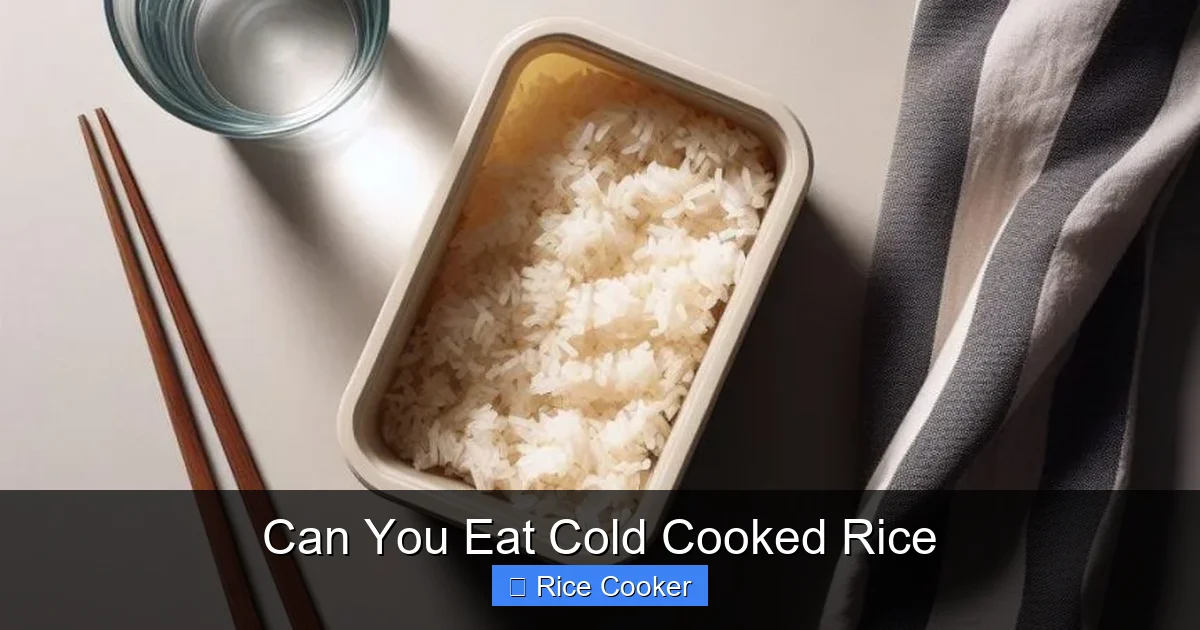
Visual guide about Can You Eat Cold Cooked Rice
Image source: cookedbest.com
What Is Bacillus Cereus?
Bacillus cereus is a common soil-dwelling bacterium found in many environments, including raw and cooked grains. Unlike some other foodborne pathogens, B. cereus can survive boiling because its spores are heat-resistant. Once the rice is cooled, the spores can activate and grow rapidly in warm, moist conditions—especially between 40°F and 140°F (4°C to 60°C), known as the “danger zone” for bacterial growth.
The symptoms of B. cereus food poisoning usually appear within 6 to 15 hours after eating contaminated rice. They include nausea, vomiting, diarrhea, and abdominal cramps. While unpleasant, these symptoms typically resolve on their own within 24 hours. However, repeated exposure or high bacterial loads can lead to dehydration and complications, particularly in vulnerable populations.
Why Room-Temperature Rice Is Riskier Than Refrigerated
Cooked rice left out at room temperature for more than 2 hours becomes increasingly dangerous. Bacteria multiply exponentially every 20 minutes under ideal conditions. A single grain of rice can theoretically contain over 1 million spores per gram—so even a small amount of improperly stored rice can pose a risk.
In contrast, refrigerated rice slows bacterial growth significantly. Cold temperatures (below 40°F or 4°C) inhibit the reproduction of B. cereus, giving you more time to safely consume or reheat the rice before it becomes hazardous.
How to Safely Store Cold Cooked Rice
If you’re planning to eat cold cooked rice later—whether in salads, sushi, or chilled bowls—proper storage is non-negotiable. Here’s how to keep your rice safe and fresh:
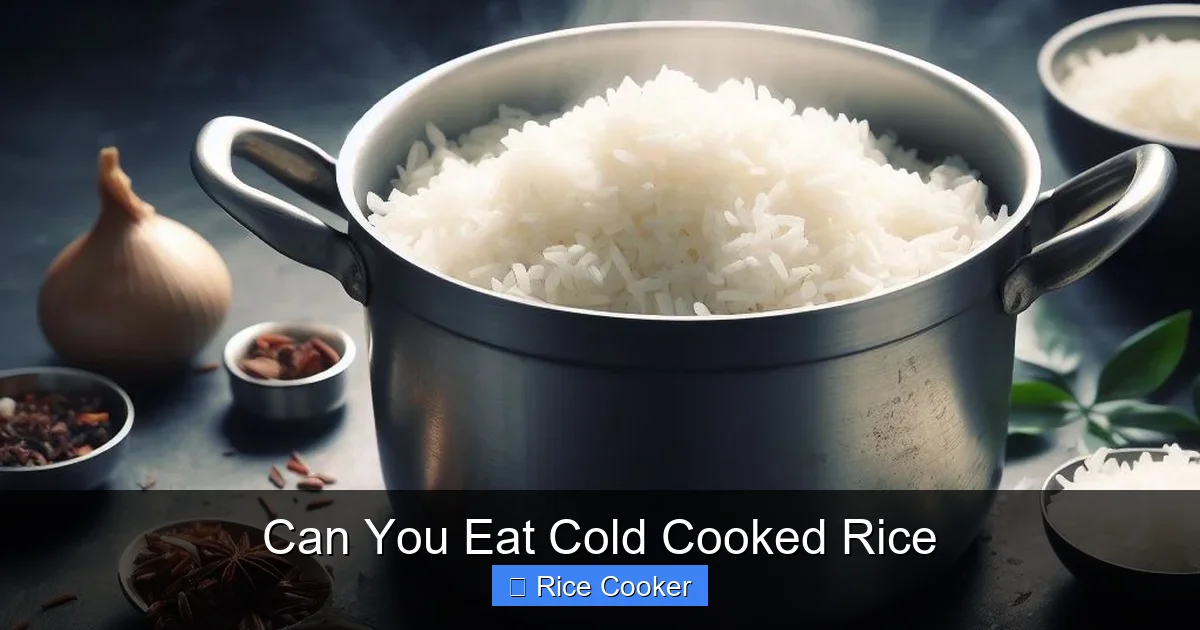
Visual guide about Can You Eat Cold Cooked Rice
Image source: cookedbest.com
Cool It Quickly
After cooking, don’t let rice sit at room temperature. The longer it stays warm, the faster bacteria multiply. Spread the rice in a thin layer on a baking sheet or shallow dish to cool it down rapidly. Stir occasionally to speed up the process. You can also place the container in an ice bath for faster cooling.
Store in Shallow Containers
Transfer cooled rice into clean, airtight containers. Avoid deep pots or wide bowls, as they slow down chilling and create pockets of warmth. Shallow containers allow cold air to reach the rice evenly, reducing the chance of internal spoilage.
Refrigerate Within Two Hours
This is the golden rule: refrigerate cooked rice within 2 hours of cooking. For high-risk groups (pregnant women, infants, elderly, immunocompromised individuals), aim to refrigerate within 1 hour. Label the container with the date so you know when it was stored.
Use Within Recommended Timeframes
According to the USDA, cooked white rice can be safely stored in the refrigerator for up to 4 days. Brown rice, which contains more moisture and oil, should be eaten within 3–4 days. Always check for signs of spoilage before eating.
Freeze for Long-Term Storage
Want to save rice for weeks or months? Freeze it! Portion rice into freezer-safe bags or containers, remove excess air, and label with the date. Frozen rice stays safe for up to 6 months. Thaw overnight in the refrigerator before reheating.
Is It Safe to Eat Cold Rice Directly from the Fridge?
Here’s a common question: Can I just grab a spoonful of cold rice straight from the fridge? Technically, yes—but only if you plan to eat it immediately and haven’t opened the container since refrigeration. However, for maximum safety, especially if the rice was previously at room temperature, it’s best to reheat it before consumption.
Reheating kills any surviving bacteria and destroys toxins produced by B. cereus. Use a microwave, stovetop, or steamer until the rice reaches at least 165°F (74°C). Stir well to ensure even heating. If the rice feels dry after reheating, add a splash of water or broth to restore moisture.
Exceptions to Reheating
Some dishes, like sushi or rice salads, are meant to be served cold. In these cases, ensure the rice was cooled and stored properly from the start. Sushi-grade rice should never come into contact with raw fish unless it’s been treated to eliminate bacteria—which standard home preparation does not do.
Cultural Uses of Cold Cooked Rice
Around the world, cold rice is celebrated for its unique textures and flavors. In Japan, sushi relies on vinegared, cooled rice that’s easy to shape and pairs perfectly with seafood. In Thailand, khao pad (Thai fried rice) uses day-old rice that’s firmer and less sticky, resulting in a satisfying crunch.
In many Indian households, leftover rice is often mixed with spices, vegetables, and ghee to make pulao or khichdi. These dishes benefit from the slightly chewy texture of cooled rice, which holds up better during cooking than freshly made rice.
Even in American cuisine, cold rice finds a place in grain bowls, rice salads, and breakfast scrambles. Its neutral flavor makes it a versatile base for bold seasonings and sauces.
Nutritional Benefits of Cold Cooked Rice
Contrary to popular belief, cold rice isn’t nutritionally inferior to hot rice. In fact, certain nutrients may become more bioavailable when rice is cooled and then reheated. Resistant starch, a type of fiber that resists digestion in the small intestine, increases significantly when rice is cooled and stored.
Resistant starch acts like soluble fiber, promoting gut health, stabilizing blood sugar, and supporting weight management. Studies suggest that eating cooled rice as part of a balanced diet may improve insulin sensitivity and reduce inflammation.
Cooked rice itself is a good source of carbohydrates, providing sustained energy. It’s naturally gluten-free (when using rice varieties like jasmine or basmati), low in fat, and contains small amounts of B vitamins and minerals like magnesium and phosphorus.
Glycemic Index Considerations
While white rice has a high glycemic index (GI), meaning it raises blood sugar quickly, cooling and reheating can lower the GI. This makes cold rice a smarter choice for people managing diabetes or looking to maintain steady energy levels throughout the day.
Creative Ways to Enjoy Cold Cooked Rice
If you’ve ever eaten cold rice straight from the fridge, you know it can be bland and dry. But with the right techniques, cold rice can transform into something delicious and satisfying. Here are some tasty ideas:
- Fried Rice: Stir-fry cold rice with eggs, vegetables, soy sauce, and your favorite proteins. The dry texture prevents mushiness.
- Rice Salad: Mix cooled rice with diced cucumbers, tomatoes, herbs, olive oil, lemon juice, and feta cheese. Perfect for picnics or lunches.
- Sushi Rolls: Use seasoned, cooled sushi rice to roll with nori, fish, avocado, or cucumber. Serve with pickled ginger and wasabi.
- Risotto-Style Dishes: Reheat cold rice with broth, butter, and Parmesan for a creamy, rustic risotto.
- Breakfast Bowls: Scramble cold rice with black beans, corn, salsa, and avocado for a hearty morning meal.
- Rice Pudding: Simmer cold rice with milk, cinnamon, and sugar until thickened. Chill and serve as a dessert.
Signs Your Cold Rice Has Gone Bad
Even with proper storage, rice can spoil. Watch for these warning signs:
- Unpleasant Odor: Sour, ammonia-like, or foul-smelling rice is a red flag.
- Discoloration: Grayish, greenish, or moldy spots indicate contamination.
- Texture Changes: Slimy or overly sticky rice should be discarded.
- Mold Growth: Visible fuzzy patches mean bacteria or fungi have taken hold.
If you’re unsure whether rice is safe, when in doubt—throw it out. Food poisoning is no joke, and the consequences of ignoring these signs can be serious.
Special Considerations for Vulnerable Groups
Pregnant women, infants, the elderly, and anyone with a compromised immune system should exercise extra caution with cold cooked rice. Their bodies are less able to fight off infections, making them more susceptible to severe outcomes from foodborne illness.
If you fall into one of these categories, consider the following precautions:
- Avoid eating cold rice unless it’s been reheated to steaming hot.
- Never consume rice that has been left out for more than 1 hour.
- Stick to freshly cooked rice whenever possible.
- When dining out, avoid dishes containing cold rice unless you’re confident in the kitchen’s hygiene practices.
Common Myths About Cold Cooked Rice
There are plenty of misconceptions floating around about cold rice. Let’s clear them up:
- Myth: “All cold rice is unsafe.”
Truth: Cold rice is safe if stored properly and reheated when necessary. - Myth: “Rice can only be eaten hot.”
Truth: Many cultures rely on cold rice for iconic dishes like sushi and fried rice. - Myth: “Freezing ruins rice.”
Truth: Freezing preserves rice and actually increases resistant starch content. - Myth: “Leftover rice is always bad.”
Truth: With safe handling, leftovers can be eaten multiple times—just follow storage guidelines.
Final Thoughts: Cold Rice Can Be Safe and Delicious
So, can you eat cold cooked rice? Absolutely—as long as you follow basic food safety rules. Proper cooling, prompt refrigeration, and thoughtful reheating go a long way in preventing illness while preserving taste and nutrition. Whether you’re making a quick snack, packing a lunch, or preparing a traditional dish, cold rice is a flexible and wholesome option when handled correctly.
Remember, the key is consistency. Treat your rice like you would any perishable food: respect its shelf life, monitor storage conditions, and trust your senses. And don’t forget to get creative—cold rice opens the door to endless culinary possibilities.
With this knowledge, you can confidently enjoy cold cooked rice without fear. After all, food is meant to nourish both body and soul—and sometimes, the best flavors come from leftovers.
Frequently Asked Questions
Is it safe to eat cold cooked rice?
Yes, cold cooked rice is safe to eat if it has been stored properly. Refrigerate within 2 hours of cooking and reheat before consumption if it was previously at room temperature. Improper storage can allow Bacillus cereus bacteria to grow, leading to food poisoning.
How long can you keep cold cooked rice in the fridge?
Cooked white rice can be safely kept in the refrigerator for up to 4 days. Brown rice, due to its higher oil content, should be eaten within 3–4 days. Always check for signs of spoilage before eating.
Should you reheat cold cooked rice?
It’s recommended to reheat cold cooked rice before eating, especially if it was left at room temperature for more than 2 hours. Reheating to at least 165°F (74°C) helps kill any bacteria that may have developed.
Can you freeze cold cooked rice?
Yes, freezing is an excellent way to preserve cold cooked rice. Place it in airtight containers or freezer bags, label with the date, and store for up to 6 months. Thaw in the refrigerator before reheating.
What are the symptoms of eating spoiled cold rice?
Symptoms of Bacillus cereus food poisoning include nausea, vomiting, diarrhea, and stomach cramps. These typically appear 6–15 hours after ingestion and last less than 24 hours. Seek medical attention if symptoms are severe or persistent.
Why is cold rice better for fried rice?
Cold rice is drier and less sticky than freshly cooked rice, making it easier to stir-fry without clumping. This results in fluffier, more flavorful fried rice with a satisfying bite.