
Yes, you can eat cooked cold rice—but only if it’s been stored correctly. When handled safely, leftover rice is not only safe to consume but also a convenient, nutritious option for quick meals. The key lies in proper cooling, sealing, and refrigeration to prevent harmful bacteria like *Bacillus cereus*, which can grow in improperly stored rice.
Quick tips: Always cool rice within two hours of cooking, store it in shallow containers, and reheat thoroughly before eating. With these steps, cold rice can be both tasty and safe for days after cooking.
Key Takeaways
- Yes, cold cooked rice is safe to eat when stored properly in the refrigerator or freezer within two hours of cooking.
- Bacillus cereus risk is a concern if rice is left at room temperature too long; this bacteria produces heat-stable toxins that cause food poisoning.
- Proper storage is critical—use shallow airtight containers and refrigerate immediately to speed up cooling.
- Reheating kills bacteria, so always microwave or steam cold rice until it’s piping hot throughout.
- Cold rice is nutritious and can be used in salads, fried rice, or grain bowls—just ensure it’s safe first.
- Freezing extends shelf life; frozen rice stays safe for up to 6 months and can be reheated without losing texture.
- Trust your senses: If rice smells off, feels slimy, or has mold, throw it out—even if it looks fine.
📑 Table of Contents
- Can You Eat Cooked Cold Rice?
- Understanding the Risks: Why Cold Rice Can Be Dangerous
- Safe Handling and Storage Practices
- Reheating Cold Rice Safely
- Nutritional Benefits of Eating Cold Rice
- Creative Ways to Use Cold Rice
- Signs It’s Time to Throw Out Cold Rice
- Conclusion: Cold Rice Is Safe—If You Handle It Right
Can You Eat Cooked Cold Rice?
You’ve just finished a delicious meal, and there’s leftover rice sitting in your kitchen. Instead of tossing it, you might be wondering: Can you eat cooked cold rice? The short answer is yes—but with important caveats. Cold rice, when stored and handled correctly, is perfectly safe and even convenient for future meals. However, improper storage can lead to bacterial growth and foodborne illness. Understanding how to manage leftover rice is essential for both food safety and taste.
Rice is one of the most versatile and commonly consumed grains worldwide. Whether it’s part of sushi, stir-fries, or a simple side dish, rice plays a central role in countless cuisines. But because it’s often cooked in large batches, the question of what to do with leftovers naturally arises. Many people hesitate to eat cold rice, fearing it’s unsafe or unappetizing. This fear is understandable, especially given past warnings about food poisoning from improperly stored rice. But with the right knowledge, cold rice can be a safe, nutritious, and tasty part of your diet.
In this article, we’ll explore everything you need to know about eating cooked cold rice—from food safety concerns to creative uses in recipes. We’ll also share practical tips for storing, reheating, and enjoying leftover rice without worry. So grab a bowl and let’s dive into the world of cold rice!
Understanding the Risks: Why Cold Rice Can Be Dangerous
The Role of Bacillus Cereus
One of the biggest concerns with cold rice is the presence of Bacillus cereus, a type of bacteria that can survive normal cooking temperatures. This bacteria is commonly found in soil and raw ingredients, including rice. When cooked rice is left to cool at room temperature, *Bacillus cereus* can begin to multiply—especially if the rice remains between 40°F (4°C) and 140°F (60°C), known as the “danger zone” for bacterial growth.
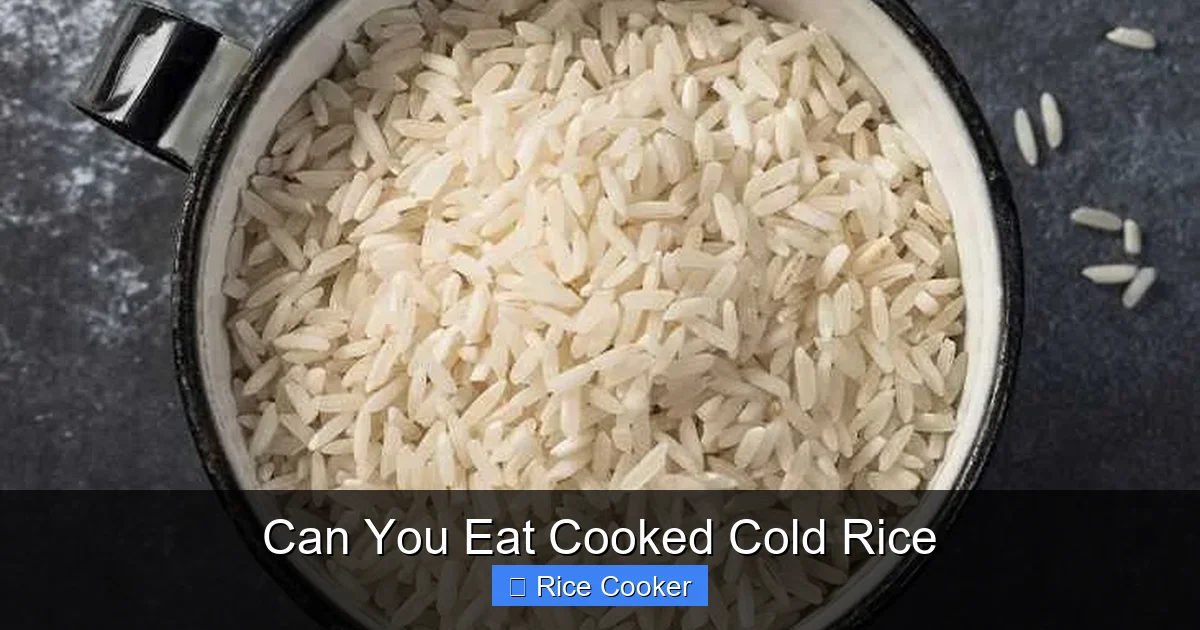
Visual guide about Can You Eat Cooked Cold Rice
Image source: metrocookingdallas.com
What makes *Bacillus cereus* particularly tricky is that it doesn’t spoil food in the usual way. It produces spores that resist boiling and refrigeration. Even when rice is reheated, these spores can release toxins that cause food poisoning. Symptoms typically appear within 6 to 15 hours and include nausea, vomiting, and diarrhea. This is why simply reheating rice isn’t enough—it may kill the bacteria, but not the toxins they produce.
Why Improper Storage Leads to Problems
Many people leave rice out overnight or for several hours before storing it. This practice dramatically increases the risk of contamination. The longer rice sits at room temperature, the more time bacteria have to grow. For example, if you cook a pot of rice for dinner and don’t refrigerate it until the next day, the bacteria may already have produced dangerous toxins by then.
Another common mistake is using deep containers to store rice. A thick pile of rice takes much longer to cool than a thin layer. Bacteria thrive in warm, moist environments, and a deep container traps heat, slowing down the cooling process and creating ideal conditions for growth.
How Long Is Too Long?
The general rule is simple: cooked rice should not sit at room temperature for more than two hours. After that, the risk of *Bacillus cereus* growth increases significantly. If you’re serving rice at a picnic or outdoor event where refrigeration isn’t available, consider using an insulated cooler with ice packs. This helps keep the rice below 40°F during transport and display.
Even if rice smells and looks fine, it could still be unsafe. *Bacillus cereus* doesn’t alter the appearance, smell, or taste of rice—that’s why it’s called a “silent” contaminant. Relying on sensory cues alone isn’t enough to determine safety.
Safe Handling and Storage Practices
Cooling Rice Quickly
Speed is your best friend when it comes to storing cooked rice. The moment your rice is done cooking, start the cooling process immediately. Spread it out in a thin layer across a large baking sheet or divide it into shallow containers. This maximizes surface area, allowing heat to escape faster and reducing the chance of bacterial growth.
Visual guide about Can You Eat Cooked Cold Rice
Image source: miro.medium.com
Aerate the rice as it cools. You can use a fork to gently fluff it, which helps distribute heat evenly. Avoid covering the rice while it’s still warm—this traps steam and keeps it in the danger zone. Only transfer it to airtight containers once it’s cooled to room temperature.
Refrigeration Best Practices
Once cooled, place the rice in airtight containers or wrap it tightly in plastic wrap or aluminum foil. Label the container with the date so you know how long it’s been stored. Refrigerated rice should be eaten within 3 to 4 days for optimal safety and flavor.
Use shallow containers—no deeper than 2 inches. This ensures even cooling and reduces the risk of internal pockets staying warm. If you’re storing rice in a standard Tupperware container, slice it horizontally into thinner layers before sealing.
Freezing for Long-Term Storage
Freezing is one of the safest ways to preserve rice for longer periods. When frozen properly, rice can stay safe for up to 6 months. To freeze, spread cooled rice in a single layer on a baking sheet, freeze for an hour, then transfer to a freezer-safe bag or container. This prevents clumping.
When ready to use, thaw rice in the refrigerator overnight or reheat directly from frozen (add a splash of water to prevent drying). Frozen rice holds up well in dishes like fried rice, casseroles, or grain bowls.
Reheating Cold Rice Safely
Microwave Method
The easiest way to reheat cold rice is in the microwave. Place the rice in a microwave-safe dish, cover it with a damp paper towel to retain moisture, and heat in 30-second intervals, stirring in between. This ensures even heating and prevents dry spots.
Aim for an internal temperature of at least 165°F (74°C) throughout. Use a food thermometer to check if possible. Stirring redistributes heat and helps eliminate cold spots where bacteria could survive.
Stovetop and Steaming Options
For a fluffier result, reheat rice on the stovetop. Place rice in a saucepan with a tablespoon of water or broth. Cover and simmer over low heat for 5–7 minutes, stirring occasionally. The steam helps rehydrate the grains and restore softness.
Alternatively, steam rice in a covered pot or using a rice steamer. This method preserves moisture better than dry heat and gives you that fresh-cooked texture.
Avoid These Common Mistakes
Don’t reheat rice multiple times. Each time you reheat, you increase the risk of contamination. Instead, cook only what you plan to eat. Also, avoid using a slow cooker to reheat rice—the low, steady heat promotes bacterial growth.
Never defrost rice at room temperature. Always thaw in the fridge or use the microwave’s defrost setting. Reheat only once, and make sure it’s steaming hot all the way through.
Nutritional Benefits of Eating Cold Rice
Resistant Starch Content
Here’s a surprising benefit: cold rice contains something called resistant starch, a type of carbohydrate that resists digestion in the small intestine. When you eat cold rice, this resistant starch ferments in the large intestine, acting like a prebiotic. This supports healthy gut bacteria and may improve digestive health.
Studies suggest that resistant starch can help regulate blood sugar levels and reduce insulin resistance. So eating cold rice might actually be better for your metabolism than eating freshly cooked rice—especially in large portions.
Calorie Efficiency and Satiety
Because resistant starch takes longer to digest, cold rice tends to keep you fuller for longer. This makes it a smart choice for weight management. A cup of cold rice has slightly fewer calories than the same amount of hot rice due to reduced water absorption during cooling.
It’s also a good source of complex carbohydrates, which provide sustained energy. Combined with vegetables, proteins, and healthy fats, cold rice makes a balanced meal.
Versatility in Recipes
Cold rice shines in many dishes. In Asian cuisine, it’s the foundation of fried rice—where its firm texture holds up to oil and seasonings. In Western kitchens, it’s perfect for grain bowls, salads, and stuffing. Leftover rice also works well in soups, risottos, and casseroles.
Try mixing cold rice with black beans, corn, diced tomatoes, and avocado for a no-cook Mexican-inspired salad. Or blend it into a smoothie base for added fiber and creaminess.
Creative Ways to Use Cold Rice
Fried Rice Variations
Classic fried rice is made with cold rice because it’s easier to scramble without becoming mushy. Start by heating oil in a wok or large skillet. Add vegetables (peas, carrots, onions) and protein (eggs, chicken, shrimp). Push everything to the side, add cold rice, and stir-fry until heated through. Season with soy sauce, garlic, and a pinch of sugar.
For a vegetarian version, use tofu or mushrooms. For a fusion twist, try Thai-style fried rice with basil, lime, and fish sauce.
Grain Bowls and Salads
Build a hearty bowl with cold rice as the base. Top with roasted vegetables, grilled chicken, nuts, seeds, and a tangy dressing. Quinoa and brown rice work well in Buddha bowls or power salads.
Add a fried egg on top for extra protein and richness. A drizzle of tahini or sriracha adds flavor without heavy cream sauces.
Breakfast Ideas
Surprise yourself with breakfast uses for cold rice. Mix it into pancake batter for added texture. Or form it into patties and pan-fry with eggs and cheese for rice croquettes.
You can also use it as a base for breakfast burritos—fill tortillas with rice, scrambled eggs, peppers, and salsa. Roll it up and enjoy on the go.
Signs It’s Time to Throw Out Cold Rice
Visual and Textural Clues
While *Bacillus cereus* doesn’t change appearance, other signs indicate spoilage. If your rice looks slimy, has mold spots, or develops an unusual color (like green or gray), discard it immediately.
Also, if the texture is overly sticky or clumpy, it may be past its prime. Freshly cooked rice should separate easily when stirred.
Smell and Taste Tests
Trust your nose. If the rice smells sour, foul, or ammonia-like, it’s likely spoiled. Even if you don’t taste anything bad, don’t risk it. Food poisoning symptoms can appear hours later.
Taste a small amount only if you’re certain the rice has been handled properly. If anything feels off, throw it out.
Expiration Dates Matter
Remember: refrigerated rice is safest within 3 to 4 days. If it’s been longer, even if it looks and smells fine, it’s better to err on the side of caution. When in doubt, throw it out.
Conclusion: Cold Rice Is Safe—If You Handle It Right
So, can you eat cooked cold rice? Absolutely—when you follow proper food safety practices. With the right cooling, storage, and reheating techniques, cold rice is not only safe but also nutritious and versatile. It’s a pantry staple that deserves a place in your meal planning, not a last-minute trash decision.
By understanding the risks of *Bacillus cereus* and taking steps to prevent bacterial growth, you can enjoy cold rice with confidence. Use shallow containers, refrigerate quickly, and reheat thoroughly. And don’t forget the benefits: resistant starch, satiety, and endless recipe possibilities.
Next time you have leftovers, don’t toss that rice. Cool it, store it, and transform it into a delicious new dish. Your body and your taste buds will thank you.
Frequently Asked Questions
Is it safe to eat cold rice straight from the fridge?
Yes, it’s safe to eat cold rice straight from the refrigerator, as long as it was cooled and stored properly within two hours of cooking. Just make sure it hasn’t been sitting out too long before refrigeration.
Can you get sick from eating cold rice?
You can get sick from eating improperly stored cold rice due to *Bacillus cereus* bacteria. This bacteria produces toxins that aren’t killed by reheating, so always store rice correctly and reheat it thoroughly.
How long can you keep cooked rice in the fridge?
Cooked rice can be kept safely in the refrigerator for 3 to 4 days. After that, the risk of bacterial growth increases, even if it looks and smells fine.
Does freezing rice make it unsafe?
No, freezing doesn’t make rice unsafe. In fact, it’s a great way to preserve rice for up to 6 months. Just make sure to cool it first and store it in airtight containers to prevent freezer burn.
Should you wash cold rice before reheating?
No, you don’t need to wash cold rice before reheating unless it’s very dirty or has visible debris. Washing rice removes excess starch, which can affect texture, especially in fried rice.
Can you eat cold rice if it smells okay?
Yes, if it smells okay and was stored properly, cold rice is likely safe to eat. Unlike some foods, *Bacillus cereus* doesn’t change the smell or appearance of rice, so trust your storage practices over sensory cues.