
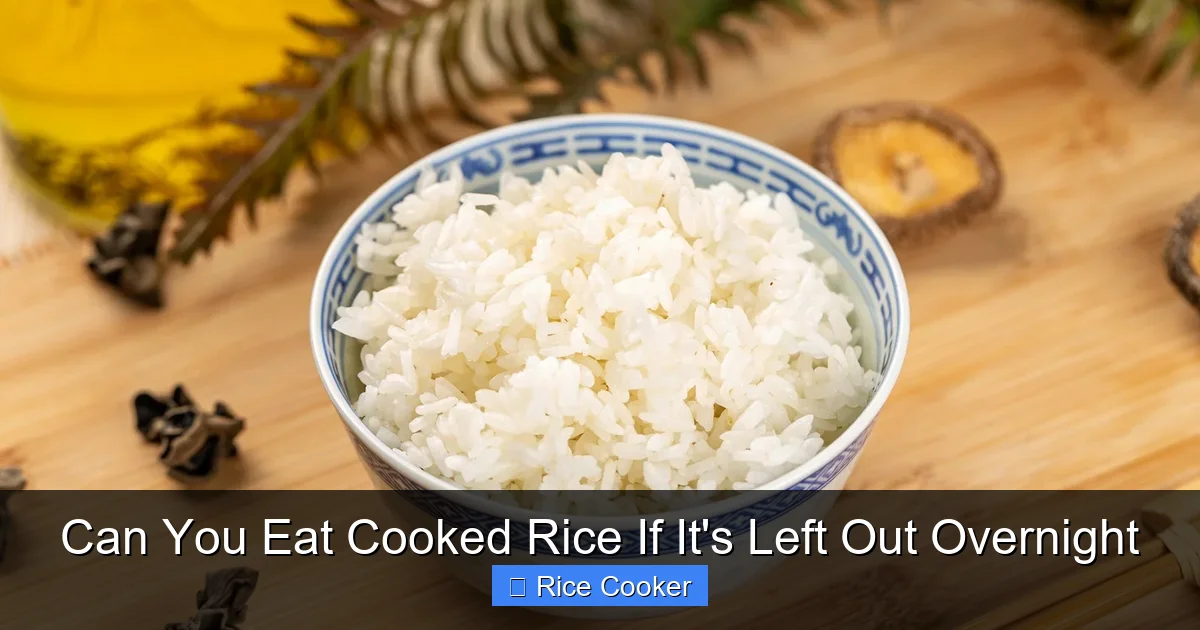
Can you eat cooked rice if it’s left out overnight? The short answer is usually no—rice left at room temperature can grow harmful bacteria like Bacillus cereus, which causes food poisoning. However, with proper storage, some leftover rice may be safe if refrigerated or reheated correctly. Always prioritize food safety to avoid stomach issues and illness.
Key Takeaways
- Bacterial Growth Risk: Cooked rice left out for more than 2 hours at room temperature can develop Bacillus cereus spores, a common cause of foodborne illness.
- Refrigeration Is Key: To safely store leftover rice, cool it quickly and place it in an airtight container within 1–2 hours of cooking.
- Reheating Matters: Reheat rice thoroughly until steaming hot (at least 165°F or 74°C) to kill any potential bacteria.
- Smell and Texture Clues: If rice smells sour or has an off-putting texture, discard it—don’t risk eating spoiled food.
- Freezing Extends Freshness: For long-term storage, freeze rice in portions for up to 6 months without significant quality loss.
- Use Within Safe Timeframes: Consume refrigerated rice within 3–4 days; frozen rice should be used within 6 months.
- Prevention Over Cure: Always practice safe food handling to protect yourself and your family from food poisoning.
📑 Table of Contents
- Can You Eat Cooked Rice If It’s Left Out Overnight? Let’s Break It Down
- The Science Behind Cooked Rice and Bacterial Growth
- How Long Is Too Long? The 2-Hour Rule
- Signs It’s Time to Throw Out Your Rice
- Can You Freeze Cooked Rice? Yes—And It’s Great!
- Common Myths About Eating Leftover Rice
- Special Considerations: Rice in Different Cuisines
- What to Do If You Get Sick
- Final Thoughts: Safety First, Always
Can You Eat Cooked Rice If It’s Left Out Overnight? Let’s Break It Down
Picture this: you’ve just finished a delicious dinner of fried rice, and there’s enough left over for tomorrow’s lunch. Instead of putting it in the fridge right away, you leave it on the counter while you clean up. Later that night, you realize the rice has been sitting out—and now you’re wondering: Can you eat cooked rice if it’s left out overnight?
This is a question many of us have asked, especially after a busy meal prep day. And honestly, it’s not just a random curiosity—it’s rooted in real health concerns. Rice, once cooked, becomes a perfect breeding ground for bacteria if not handled properly. So let’s dive deep into what happens when cooked rice is left out, how to tell if it’s still safe, and what steps you can take to protect your health.
The Science Behind Cooked Rice and Bacterial Growth
When rice is cooked, it’s no longer raw grain—it’s warm, moist, and rich in nutrients. These are exactly the conditions that bacteria love. But here’s where it gets interesting: rice contains spores of a bacterium called Bacillus cereus. Unlike other bacteria that need to be alive and active to cause problems, these spores are dormant. That means they can survive the cooking process, even at high temperatures.
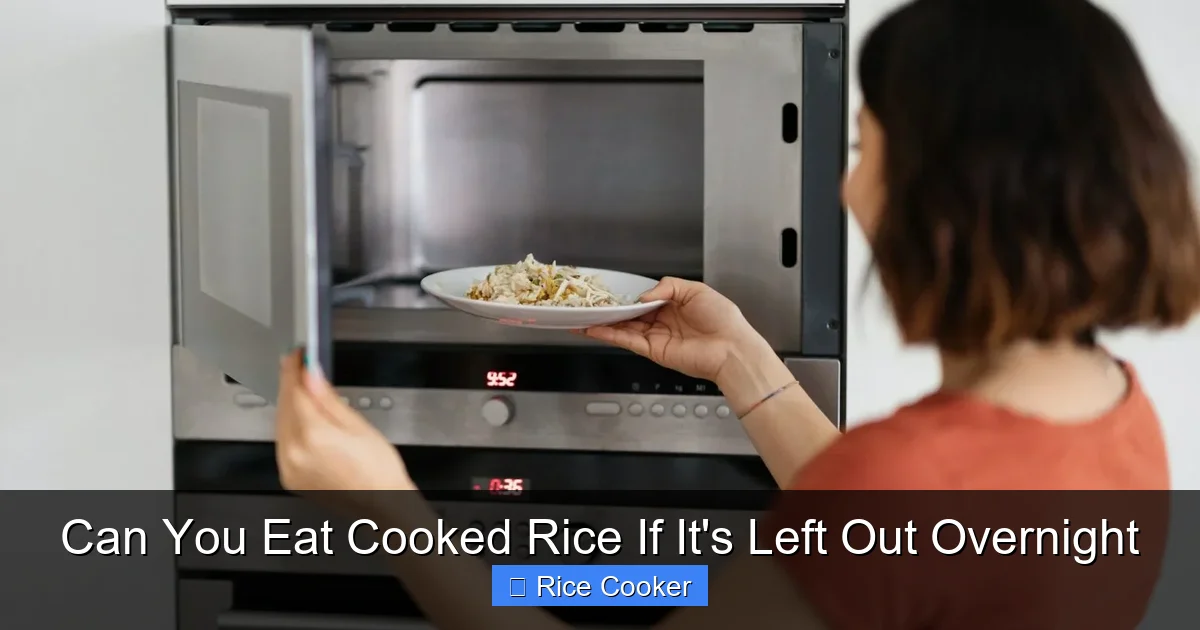
Visual guide about Can You Eat Cooked Rice If It’s Left Out Overnight
Image source: ricecookerjunkie.com
Once the cooked rice is cooled to room temperature—especially between 40°F and 140°F (the so-called “danger zone” for food)—those spores can wake up and start multiplying. In as little as 20 minutes, under ideal conditions, they can double in number. And when you eat rice with a high concentration of Bacillus cereus, your body can react with symptoms like nausea, vomiting, diarrhea, and stomach cramps within 6 to 12 hours.
Why Is Rice Different From Other Foods?
You might be thinking, “But I’ve eaten leftovers before, and they were fine!” Yes—some foods are safer to leave out. For example, bread, crackers, or dry pasta don’t provide the same moisture and starch content that rice does. Rice, especially white rice, has a high starch content that supports rapid bacterial growth. This makes it particularly risky compared to other leftovers like grilled chicken or steamed vegetables.
Also, unlike meat or fish, rice doesn’t have natural antimicrobial compounds. So once those Bacillus cereus spores get going, there’s nothing in the rice itself to slow them down. That’s why rice requires extra care in storage and handling.
How Long Is Too Long? The 2-Hour Rule
Food safety experts agree: any perishable food should not be left out at room temperature for more than 2 hours. After that, the risk of bacterial growth increases significantly. If you live in a hot environment (above 90°F), that time drops to just 1 hour. Why? Because higher temperatures speed up bacterial reproduction.
Visual guide about Can You Eat Cooked Rice If It’s Left Out Overnight
Image source: ricecookerjunkie.com
So if you leave cooked rice sitting out overnight—say, 8 to 10 hours—you’re well past that 2-hour mark. Even if the rice looks and smells normal, it could still contain dangerous levels of Bacillus cereus. And here’s the tricky part: those spores don’t make the rice taste bad or smell funky. They produce toxins that aren’t destroyed by reheating, which means cooking the rice again won’t fix the problem.
What Happens When You Reheat Leftover Rice?
Many people believe that if they just reheat rice until it’s steaming, they’re good to go. But here’s the catch: Bacillus cereus produces two types of toxins—one that causes vomiting (called emetic toxin) and one that causes diarrhea (enterotoxin). The emetic toxin is heat-stable, meaning it survives boiling and reheating. So even if you cook rice that’s been sitting out, you might still get sick.
That’s why reheating alone isn’t a guarantee of safety. The damage may already be done before you even turn on the stove.
Signs It’s Time to Throw Out Your Rice
Sometimes, you can tell if rice has gone bad just by looking or smelling it. But remember: not all spoiled rice shows obvious signs. Here are some red flags to watch for:
- Unpleasant odor: If it smells sour, rancid, or just “off,” don’t risk it.
- Strange texture: Slimy, sticky, or clumpy rice is a warning sign.
- Mold: Any visible mold means immediate disposal.
- Unusual color: Discoloration—like grayish or greenish patches—is a no-go.
If you see or smell any of these, trust your instincts. When in doubt, throw it out. Better safe than sorry when it comes to food poisoning.
Safe Storage Tips for Cooked Rice
Prevention is always better than dealing with foodborne illness. Here’s how to store cooked rice safely:
- Cool it fast: Don’t let rice sit out for more than 2 hours. If it’s a large batch, divide it into shallow containers to speed cooling.
- Refrigerate immediately: Once cooled, store rice in an airtight container in the fridge at 40°F or below.
- Label and date: Write the date on the container so you know how long it’s been stored.
- Avoid cross-contamination: Use clean utensils when removing rice from the container.
Following these steps can reduce your risk of getting sick from leftover rice significantly.
Can You Freeze Cooked Rice? Yes—And It’s Great!
If you often have too much rice, freezing is a fantastic option. Cooked rice freezes well and retains its quality for several months. Here’s how to do it properly:
- Pour cooled rice into freezer-safe containers or zip-top bags.
- Leave about ½ inch of headspace to allow for expansion.
- Label with the date and contents.
- Store in the freezer for up to 6 months.
When you’re ready to use it, thaw in the refrigerator overnight or reheat directly from frozen—just make sure it reaches an internal temperature of 165°F.
Microwave vs. Stovetop: Which Is Better for Reheating?
Both methods work, but there are pros and cons:
- Microwave: Fast and convenient, but can create cold spots where bacteria survive. Stir halfway through and ensure it’s steaming throughout.
- Stovetop: Gives more even heating, especially if you cover the pot and simmer gently. Add a splash of water to prevent drying.
Whichever method you choose, always reheat until the rice is uniformly hot.
Common Myths About Eating Leftover Rice
There are plenty of old wives’ tales floating around about rice safety. Let’s clear up some misconceptions:
Myth #1: “If I boil rice again, it’s safe.”
False. As mentioned earlier, Bacillus cereus toxins aren’t killed by boiling. Boiling only affects live bacteria, not the toxins they’ve already produced.
Myth #2: “Rice can last a week in the fridge.”
Not necessarily. While rice can be stored safely for 3–4 days, quality and safety depend on how it was handled. Always check for signs of spoilage before eating.
Myth #3: “Brown rice is safer because it’s less processed.”
Not really. Brown rice has more fiber and nutrients, but it also has similar starch content and is equally susceptible to bacterial growth if left out. The type of rice doesn’t change the basic rules.
Special Considerations: Rice in Different Cuisines
Rice plays a central role in many global cuisines, and sometimes the way it’s prepared affects safety:
Sushi Rice
Sushi rice is often served at room temperature or slightly chilled. But it’s usually made fresh and consumed quickly. If you’re making sushi at home, never leave sushi rice out for more than 2 hours—even if you plan to use it soon.
Fried Rice
Fried rice often contains eggs, meat, and vegetables, which all require refrigeration after cooking. Leaving it out increases the risk of multiple types of bacteria growing.
Congee (Porridge)
This warm, porridge-like dish is typically served hot and consumed within hours. Like other cooked grains, it should be refrigerated promptly if not eaten immediately.
What to Do If You Get Sick
If you suspect you’ve eaten contaminated rice and feel unwell, here’s what to do:
- Drink plenty of fluids to prevent dehydration.
- Rest and avoid solid foods until vomiting stops.
- See a doctor if symptoms are severe or last more than 2 days.
Most cases of Bacillus cereus poisoning resolve on their own, but it’s important to monitor your condition.
Final Thoughts: Safety First, Always
So, back to the original question: Can you eat cooked rice if it’s left out overnight? In most cases, the answer is no. While some people might get lucky and feel fine, the risk of food poisoning is real and serious. Bacillus cereus spores are everywhere, and rice provides the perfect environment for them to thrive.
The best approach is prevention. Cool rice quickly, refrigerate it promptly, and reheat it thoroughly. When in doubt, toss it out. Your stomach will thank you.
Remember, food safety isn’t about being overly cautious—it’s about being smart. A few simple habits can save you from a miserable evening of nausea and cramps. Treat your leftovers with respect, and they’ll treat you well.
Frequently Asked Questions
Is it safe to eat rice that’s been left out for 12 hours?
No, it’s not safe. Rice left out for more than 2 hours—especially overnight—can harbor Bacillus cereus bacteria. Even if it looks and smells fine, reheating won’t eliminate the heat-stable toxins, which can cause food poisoning.
How long can cooked rice sit out before it goes bad?
Cooked rice should not be left out at room temperature for more than 2 hours. In hot weather (above 90°F), limit it to 1 hour. Beyond that, bacterial growth becomes unsafe.
Can you reheat rice that’s been left out overnight?
It’s not recommended. While reheating kills live bacteria, it doesn’t destroy the toxins produced by Bacillus cereus. Eating rice left out overnight poses a high risk of foodborne illness.
How should you store leftover rice to keep it safe?
Cool rice quickly, then place it in an airtight container and refrigerate within 1–2 hours. Label with the date and consume within 3–4 days. For longer storage, freeze in portion-sized containers.
Does freezing rice kill bacteria?
No, freezing doesn’t kill bacteria—but it halts their growth. Frozen rice is safe to eat as long as it’s thawed and reheated properly. Just make sure to store it in airtight packaging.
Can I eat rice from the fridge that’s been there for a week?
Generally, no. While rice can last 3–4 days in the fridge, after a week the texture may degrade, and there’s a higher chance of contamination. When in doubt, throw it out.