

Can you eat half cooked rice? While it might seem harmless, consuming undercooked rice can lead to serious food poisoning due to surviving bacteria like Bacillus cereus. This article explains the risks, symptoms, and how to safely prepare rice using your rice cooker.
Key Takeaways
- Undercooked rice can harbor dangerous bacteria: Rice can contain spores of Bacillus cereus that survive cooking and multiply in warm, moist environments.
- Symptoms of eating half cooked rice may appear hours later: These include nausea, vomiting, diarrhea, and stomach cramps—similar to food poisoning.
- Rice cookers are designed to eliminate risk: Modern rice cookers reach temperatures high enough to kill harmful microbes when used correctly.
- Proper storage matters: Leftover rice should be refrigerated within two hours and reheated thoroughly to avoid bacterial growth.
- Cooking methods affect safety: Boiling or steaming rice until fluffy and dry reduces contamination risk compared to partially cooked grains.
- Children, elderly, and immunocompromised individuals are at higher risk: Their systems are less able to fight off foodborne illnesses.
- Always check your rice cooker’s settings: Use the correct water-to-rice ratio and allow natural pressure release to ensure full cooking.
📑 Table of Contents
- Introduction: The Hidden Danger in Your Rice Bowl
- What Happens When You Eat Half Cooked Rice?
- Why Rice Cookers Are Safer Than Stovetops
- Safe Storage Practices for Leftover Rice
- Can You Fix Half Cooked Rice?
- Special Considerations: Brown Rice vs. White Rice
- Signs That Your Rice Is Safe to Eat
- Conclusion: Prioritize Safety Without Sacrificing Flavor
Introduction: The Hidden Danger in Your Rice Bowl
Rice is a staple food for over half the world’s population, enjoyed in countless dishes from sushi to risotto. But what happens when your rice isn’t fully cooked? Can you eat half cooked rice without consequences? The short answer is yes—you can eat it, but you shouldn’t. Undercooked rice may contain live bacterial spores that can grow and cause food poisoning, especially if stored improperly. While most people assume “half cooked” just means mushy or chewy, the real concern lies beneath the surface: invisible germs that thrive in starchy environments.
In this comprehensive guide, we’ll explore the science behind why half cooked rice is risky, how modern rice cookers help prevent contamination, and practical tips to ensure every grain is perfectly safe to eat. Whether you’re using an electric rice cooker, a stovetop pot, or even leftover grains from last night’s dinner, understanding proper rice preparation is key to staying healthy. Let’s dive into everything you need to know about eating half cooked rice—and how to avoid it altogether.
What Happens When You Eat Half Cooked Rice?
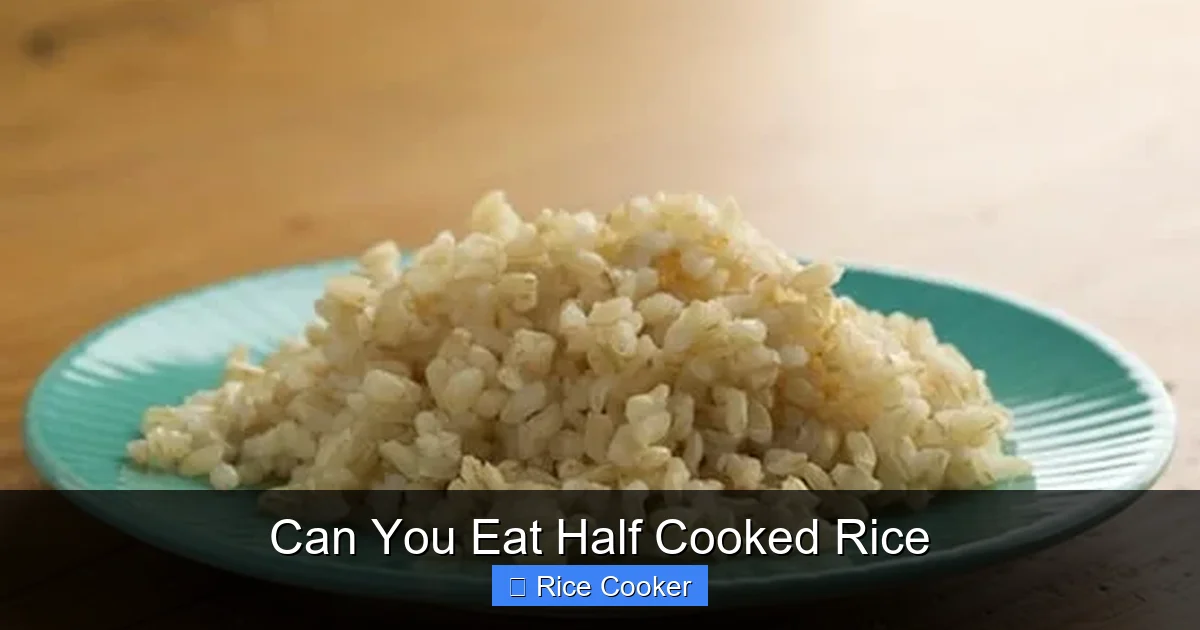
Visual guide about Can You Eat Half Cooked Rice
Image source: cdn.diys.com
The Science Behind Undercooked Rice
When rice is only partially cooked, its outer layers remain firm and resistant to digestion. But more importantly, the internal structure still contains moisture and nutrients that support bacterial growth. Certain bacteria, particularly Bacillus cereus, produce heat-resistant spores that survive standard boiling temperatures. These spores don’t die during incomplete cooking but can activate later—especially if the rice cools slowly or sits at room temperature.
Once activated, B. cereus multiplies rapidly in the starch-rich environment created by uncooked or poorly cooked rice. Within hours, these bacteria release toxins that trigger gastrointestinal distress. Unlike pathogens such as Salmonella, which are killed by thorough cooking, B. cereus spores are notoriously resilient. That’s why even reheating leftover rice doesn’t always guarantee safety unless it reaches a high enough temperature for long enough.
Common Symptoms of Eating Half Cooked Rice
If you consume undercooked rice contaminated with B. cereus, you may experience symptoms anywhere from 6 to 15 hours after ingestion. These typically include:
– Nausea and vomiting
– Watery diarrhea
– Stomach cramping
– Mild fever (in some cases)
While most people recover within 24 hours, repeated vomiting or dehydration can require medical attention, especially in vulnerable groups like children, pregnant women, and older adults. It’s important to note that symptoms won’t appear immediately—this delayed onset makes undercooked rice particularly deceptive. Many people mistakenly blame other foods for their sudden illness rather than suspecting rice.
How Long Does It Take for Symptoms to Appear?
The incubation period for B. cereus food poisoning ranges from 6 to 15 hours, though some strains may act faster. This timing means you could eat half cooked rice at lunch and feel sick by dinner—or wake up the next morning with severe stomach pain. Because the bacteria multiply in cooler environments, improperly stored rice (even if briefly left out) becomes a breeding ground for danger.
Why Rice Cookers Are Safer Than Stovetops
Visual guide about Can You Eat Half Cooked Rice
Image source: eatbefitexplore.com
Modern Rice Cookers Eliminate Risk
Unlike traditional pots on the stove, modern rice cookers are engineered specifically to eliminate risks associated with undercooked rice. Most models use precise temperature controls that maintain a rolling boil during cooking, ensuring all grains reach a core temperature of at least 100°C (212°F). This kills any remaining bacterial spores, making the final product safe to eat.
Additionally, rice cookers often feature automatic shut-off functions and keep-warm modes that prevent overheating while maintaining pasteurization levels. Some advanced units even include fuzzy logic technology that adjusts cooking time based on grain type and quantity, further reducing the chance of partial cooking.
Water Ratios Matter More Than You Think
One common mistake is adding too much or too little water. Too little results in dry, hard rice; too much creates soggy, undercooked centers. For white rice, the general rule is 1 part rice to 1.5 parts water. Brown rice requires more liquid—typically 1:2.5—because its bran layer absorbs water more slowly. Using a measuring cup and following your cooker’s instructions ensures consistent results every time.
Natural Pressure Release Is Key
After the cooking cycle ends, many rice cookers recommend letting the pressure release naturally for 10–15 minutes before opening. This allows residual heat to finish steaming the inner grains, eliminating cold spots where bacteria might survive. Rushing to open the lid immediately can leave portions undercooked, defeating the purpose of the entire process.
Safe Storage Practices for Leftover Rice
Refrigerate Within Two Hours
Whether you’re eating fresh rice or leftovers, prompt refrigeration is essential. Bacteria thrive between 40°F and 140°F (4°C to 60°C), known as the “danger zone.” Leaving rice at room temperature for more than two hours increases the risk of B. cereus growth exponentially. If your kitchen is hot (above 90°F/32°C), aim to refrigerate within one hour.
Store in Airtight Containers
Transfer cooled rice to shallow, airtight containers to speed up chilling and prevent cross-contamination. Shallow layers chill faster, reducing the chance of bacterial multiplication. Label containers with the date so you know when they were made—discard any rice older than 4 days in the refrigerator.
Reheat Thoroughly Every Time
Never eat leftover rice cold or slightly warmed. Always reheat it until steaming hot throughout. Microwave-safe containers work well—add a splash of water if the rice seems dry, cover loosely, and stir halfway through heating. Ensure the internal temperature reaches at least 165°F (74°C) before serving.
Can You Fix Half Cooked Rice?
Stovetop Method
If you realize your rice is undercooked right after turning off the heat, return it to medium-low heat with a tight-fitting lid. Add small amounts of water as needed and steam for 5–10 minutes, checking frequently. The goal is to evaporate excess moisture while softening the grains. Avoid over-stirring, which can break apart the rice.
Microwave Technique
For microwave users, place the rice in a covered dish, add a tablespoon of water, and heat on high for 1–2 minutes per cup. Pause halfway to fluff with a fork. This method works best for small batches and helps redistribute heat evenly.
Avoid the Keep-Warm Setting Overnight
While convenient, the keep-warm function isn’t designed for prolonged storage. Most models cycle between warming and standby modes, creating ideal conditions for bacterial growth. If you must leave rice out, do so for no more than 2 hours maximum.
Special Considerations: Brown Rice vs. White Rice
Brown Rice Has Different Needs
Because brown rice retains its bran layer, it takes longer to absorb water and soften. This means it’s more prone to being undercooked if not given enough time or liquid. However, it also contains more fiber and nutrients, making it a healthier choice when prepared correctly.
Pressure Cooking Is Ideal for Safety
Using a pressure cooker significantly reduces the risk of undercooked rice. High-pressure environments raise the boiling point of water, allowing rice to cook faster and more uniformly. Combined with precise timing, this method virtually eliminates bacterial survival.
Instant Pot and Other Multi-Cookers
Devices like Instant Pots combine rice cooker functionality with pressure cooking. Selecting the “rice” setting ensures optimal results, but always follow the manufacturer’s guidelines for water ratios and natural pressure release.
Signs That Your Rice Is Safe to Eat
Visual and Textural Clues
Fully cooked rice should be tender yet separate, with no hard or chalky centers. It should smell faintly sweet, not sour or stale. If grains stick together or have visible moisture pools, they may be undercooked.
Temperature Check
Use a food thermometer inserted into the center of the rice mass. Safe internal temperature is at least 165°F (74°C). Note that microwaved rice may not register this temperature evenly, so visual inspection remains important.
Trust Your Senses
Even if the rice looks done, trust your nose and mouth. If it tastes bland or has a slightly gritty texture, it’s better to err on the side of caution and recook it.
Conclusion: Prioritize Safety Without Sacrificing Flavor
Eating half cooked rice is technically possible, but highly inadvisable due to the risk of foodborne illness. Modern rice cookers make it easy to prepare safe, delicious rice every time—if used correctly. By paying attention to water ratios, cooking times, and storage practices, you can enjoy perfectly fluffy grains without worrying about hidden dangers.
Remember: when it comes to rice, “done” isn’t just about texture—it’s about safety. Whether you’re feeding a family dinner or packing a school lunch, ensuring every grain is fully cooked protects everyone’s health. So next time you fire up your rice cooker, take those extra few minutes to verify everything’s cooked through. Your stomach will thank you.
Frequently Asked Questions
Is it safe to eat half cooked rice occasionally?
Occasionally eating a small amount of half cooked rice is unlikely to cause harm for healthy adults, but it carries a real risk of food poisoning due to Bacillus cereus spores. To protect your health, especially if you’re in a high-risk group, always ensure rice is fully cooked.
How can I tell if rice is fully cooked?
Fully cooked rice should be tender, separate, and free of hard or chalky centers. It should smell mildly sweet and not sour. When pressed, each grain should break easily without resistance.
Can freezing rice kill bacteria?
Freezing does not kill bacteria—it only slows their growth. While frozen rice is safe to eat, it can still harbor Bacillus cereus spores that become active again when thawed and left at room temperature.
Does rinsing rice reduce the risk of food poisoning?
Rinsing removes surface starch and dust but does not eliminate bacteria or spores. Proper cooking and storage are far more effective at ensuring safety than washing alone.
Are instant rice products safer than regular rice?
Instant rice (like Minute Rice) is parboiled and precooked, then dried. While this reduces cooking time, it doesn’t eliminate the risk of contamination if stored improperly or reheated inadequately.
What’s the fastest way to cook rice safely?
A pressure cooker or rice cooker set to the correct mode is the fastest and safest option. These devices reach temperatures high enough to kill harmful microbes while ensuring even cooking throughout.