
Eating partially cooked rice is unsafe and can lead to food poisoning. Raw or undercooked rice contains spores of Bacillus cereus, a bacteria that can survive normal cooking temperatures and multiply in warm environments. Always ensure your rice reaches a safe internal temperature to protect your health.
Have you ever wondered whether it’s okay to eat partially cooked rice? Maybe you’re in a hurry, or the rice cooker malfunctioned, or you simply didn’t notice it was still firm in the center. Whatever the reason, this question comes up often — especially among busy parents, college students, or anyone who cooks rice regularly.
The short answer is: no, you should not eat partially cooked rice. While it might look harmless — just a bit firmer than usual — eating undercooked rice can put your health at serious risk. In this article, we’ll walk through everything you need to know about why partially cooked rice is dangerous, how to avoid it, and what to do if you accidentally eat some. We’ll also share practical tips using modern appliances like rice cookers to make sure your next batch is always perfectly safe.
Whether you’re a kitchen novice or a seasoned cook, understanding the science behind rice safety can save you from unpleasant stomach issues and help you prepare delicious, worry-free meals every time. So grab a cup of tea, sit back, and let’s dive into the world of safe rice cooking — starting with the most important question: can you eat partially cooked rice?
Key Takeaways
- Partially cooked rice can cause foodborne illness — Undercooked rice may contain live spores of Bacillus cereus, which are heat-resistant and can produce toxins that cause nausea, vomiting, and diarrhea.
- Cooking rice properly kills harmful bacteria — Rice must reach an internal temperature of at least 165°F (74°C) to eliminate dangerous microbes and prevent food poisoning.
- Reheating leftovers is not always safe — Even if you reheat leftover rice, the spores can survive and release toxins during digestion, leading to food sickness.
- Proper storage is critical — Cool cooked rice quickly and refrigerate within two hours to prevent bacterial growth. Never leave rice at room temperature for more than two hours.
- Use a rice cooker for consistent results — Modern rice cookers are designed to cook rice evenly and safely, reducing the risk of undercooking compared to stovetop methods.
- Signs of spoiled rice include off smells or slimy texture — Trust your senses; if rice doesn’t smell fresh or feels sticky, it’s best to discard it.
- Special diets don’t justify eating raw rice — Whether you’re gluten-free, vegan, or following another diet, safety comes first — never consume uncooked rice.
📑 Table of Contents
- The Dangers of Eating Partially Cooked Rice
- Can You Eat Partially Cooked Rice Safely?
- How to Safely Cook Rice: Tips and Best Practices
- Rice Cooker Safety: Why It Helps Prevent Undercooked Rice
- What to Do If You Accidentally Eat Undercooked Rice
- Fun Facts About Rice: More Than Just a Staple
- Conclusion: Prioritize Safety Over Convenience
The Dangers of Eating Partially Cooked Rice
When it comes to food safety, rice is one of the trickier staples to handle correctly. Unlike meat or vegetables, rice is often eaten without further cooking, which means any contamination is directly ingested. And here’s where things get risky.
Bacillus Cereus: The Silent Threat
The main culprit behind rice-related food poisoning is a bacterium called Bacillus cereus. This spore-forming bacteria is found naturally in soil, water, and grains — including rice. What makes it particularly dangerous is that its spores can survive standard cooking processes. That means even when you boil rice, some spores might still be alive.
Here’s how it works: after cooking, if rice is left sitting at room temperature for too long, the surviving spores can multiply rapidly in the warm, moist environment. Once they grow into active bacteria, they begin producing toxins — specifically heat-stable emetic toxins that cause vomiting and diarrhea within 1–5 hours of consumption.
What’s scary is that these toxins cannot be destroyed by reheating. So even if you boil leftover rice again, the toxins remain intact and still make you sick. This is why reheated rice that’s been stored improperly can cause food poisoning — even if it looks and smells fine.
Symptoms of Rice Poisoning
If you eat undercooked or contaminated rice, you might experience:
– Nausea and vomiting
– Watery or slightly bloody diarrhea
– Stomach cramps
– Mild fever (in severe cases)
These symptoms usually appear within 6 to 12 hours, but can start as early as one hour after eating. Most people recover within 24 hours, but young children, older adults, and those with weakened immune systems may face more serious complications.
Why Rice Is Especially Vulnerable
Rice is unique because it’s typically consumed without additional cooking steps — unlike pasta, which is boiled twice, or bread, which is baked. This means any bacteria or spores present in the raw grain remain unless fully cooked during preparation.
Additionally, rice absorbs water during cooking and creates an ideal environment for bacterial growth. If cooled slowly or stored incorrectly, rice can become a breeding ground for Bacillus cereus within just a few hours.
Can You Eat Partially Cooked Rice Safely?
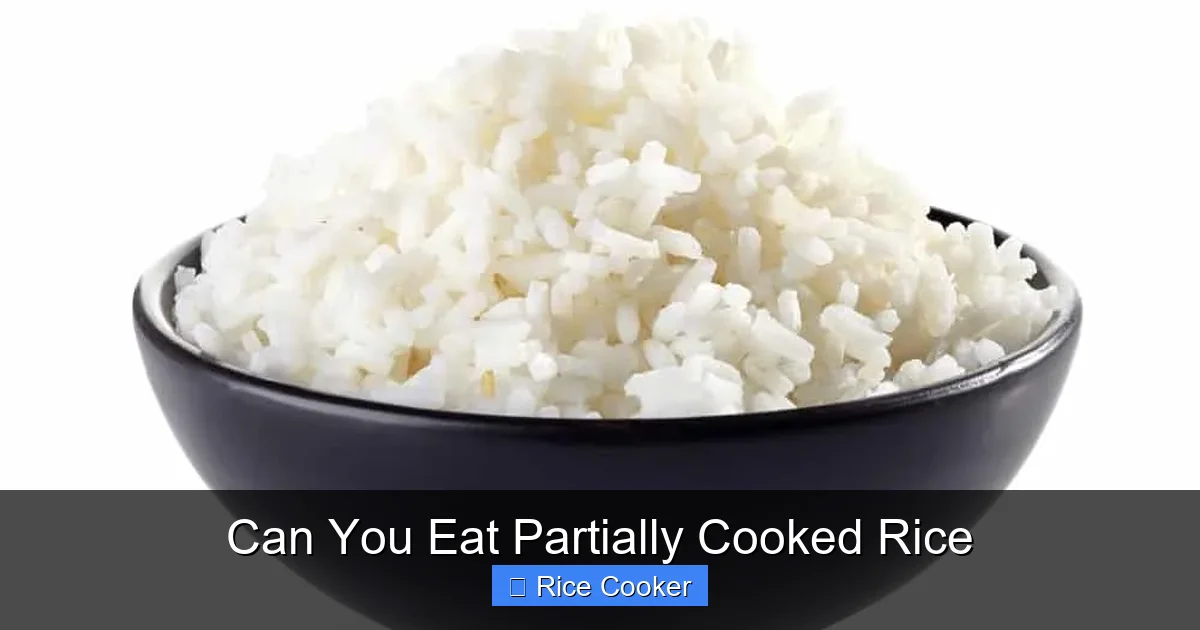
Visual guide about Can You Eat Partially Cooked Rice
Image source: northernnester.com
Now let’s get to the heart of the matter: can you eat partially cooked rice? The simple answer is no — and here’s why.
Even if the rice looks mostly done, the inside may still harbor live spores of Bacillus cereus. These spores aren’t visible, smelly, or taste different, so you won’t know they’re there just by looking or tasting.
Moreover, partially cooked rice lacks the uniform texture and safety guarantees of fully cooked rice. When rice is properly cooked, the starch gelatinizes, breaking down the grain’s structure and killing off harmful microbes. But in partially cooked rice, this process isn’t complete — leaving behind potential hazards.
What Does “Partially Cooked” Mean?
Partially cooked rice typically refers to rice that hasn’t reached its full hydration and softening stage. Common signs include:
– A hard or chalky center
– White specks or uncooked kernels
– Firm texture instead of fluffy
– Steam escaping unevenly during cooking
While some types of rice (like sushi rice or certain Japanese varieties) are intentionally served slightly firmer, even then, they are fully cooked — meaning the grains have absorbed water and softened throughout.
Never confuse “firm” with “undercooked.” If the rice isn’t soft all the way through, it’s not safe to eat.
Is It Ever Okay to Eat Undercooked Rice?
There are rare exceptions — such as in traditional dishes like onigiri (Japanese rice balls), where rice is packed while still warm and slightly firm. But even in these cases, the rice has already been fully cooked once and is only being reshaped.
In no scenario should you eat rice that was never fully cooked in the first place — especially if it’s raw or only simmered for a short time.
How to Safely Cook Rice: Tips and Best Practices
Visual guide about Can You Eat Partially Cooked Rice
Image source: theeverydaymomlife.com
Avoiding the risk of eating partially cooked rice starts with proper preparation and cooking techniques. Here’s how to do it right every time.
Use the Right Ratio of Water to Rice
Most rice cooker recipes call for a 1:2 ratio — one part dry rice to two parts water. However, this can vary depending on the type of rice:
– White rice: 1:2
– Brown rice: 1:2.25 (slightly more water)
– Jasmine rice: 1:1.5
– Basmati rice: 1:1.75
Using a measuring cup and sticking to the recommended ratio ensures consistent results. Too much water can make rice mushy; too little leaves it hard and undercooked.
Cook Rice Thoroughly
If you’re using a stovetop, bring the rice to a boil, then reduce heat to low, cover, and simmer for the recommended time. For white rice, this is usually 18–20 minutes. Stir occasionally to prevent scorching and ensure even cooking.
With a rice cooker, simply add rice and water, press the “Cook” button, and wait. Modern rice cookers automatically switch to “Keep Warm” mode once the rice is done — indicating full cooking completion.
Let Rice Rest After Cooking
After turning off the heat or pressing “Cancel,” let the rice sit covered for 5–10 minutes. This allows steam to finish cooking the grains evenly and prevents a gummy or undercooked texture.
Don’t skip this step — resting helps achieve that perfect fluffy consistency.
Store Leftovers Properly
Once cooked, rice should be cooled and refrigerated within two hours. Spread it out in shallow containers to speed up cooling. Use refrigerated rice within 3–4 days for best quality and safety.
Never leave rice sitting at room temperature for more than two hours — this includes countertops, picnic tables, or car dashboards.
Rice Cooker Safety: Why It Helps Prevent Undercooked Rice
One of the best ways to avoid eating partially cooked rice is by using a reliable rice cooker. These appliances are designed specifically for one purpose: to cook rice evenly and safely.
How Rice Cookers Work
Modern rice cookers use precise temperature control and sensors to monitor the cooking process. They detect when the rice has absorbed all the water and automatically shut off, preventing overcooking or burning.
Many models also include a “Keep Warm” function that maintains the rice at a safe temperature (around 165°F) without letting it dry out or develop off-flavors.
This level of automation reduces human error — something that’s easy to overlook when boiling rice on the stove.
Benefits of Using a Rice Cooker
– Consistent results every time
– No need to watch the pot constantly
– Built-in timers and auto-shutoff features
– Better texture and flavor
– Safer cooking due to precise heat control
For families, meal preppers, or anyone who eats rice regularly, investing in a good rice cooker is worth every penny.
Choosing the Right Rice Cooker
Look for models with:
– Non-stick inner pots (easy to clean)
– Multiple settings (white rice, brown rice, porridge, etc.)
– Large capacity if you cook for many people
– Dishwasher-safe parts
Popular brands include Zojirushi, Cuckoo, and Instant Pot. Read reviews and compare features before buying.
What to Do If You Accidentally Eat Undercooked Rice
Even with the best intentions, mistakes happen. Maybe the rice cooker broke mid-cycle, or you forgot to check if it was fully cooked. If you’ve eaten partially cooked rice, here’s what to do.
Monitor Your Symptoms
Most people who eat undercooked rice don’t get sick — especially if only a small amount was consumed. However, if you start feeling unwell within the next 24 hours, note your symptoms and stay hydrated.
Drink plenty of water, rest, and avoid dairy or fatty foods until you feel better.
When to Seek Medical Help
Contact a healthcare provider if you experience:
– Severe vomiting lasting more than 24 hours
– Signs of dehydration (dry mouth, dizziness, reduced urination)
– High fever above 101.5°F (38.6°C)
– Bloody or very dark stool
These could indicate a more serious infection requiring medical attention.
Prevent Future Incidents
To avoid repeat situations:
– Double-check your rice cooker is working properly
– Learn how to test doneness (press a grain — it should be soft with no resistance)
– Keep a timer handy when cooking on the stove
– Label and date leftovers clearly
Remember: prevention is always better than dealing with food poisoning.
Fun Facts About Rice: More Than Just a Staple
Before we wrap up, here’s something interesting: rice is one of the world’s oldest cultivated crops, dating back over 9,000 years. It feeds more people globally than any other staple food — over half the world’s population depends on rice for a significant portion of their calories.
Did you know?
– There are over 40,000 varieties of rice worldwide.
– Japan consumes the most rice per capita, followed by India and China.
– Brown rice retains more nutrients than white rice because it’s less processed.
– Rice husks are used to make biofuels, paper, and even building materials.
Understanding rice isn’t just about safety — it’s about appreciating a food that sustains billions.
Conclusion: Prioritize Safety Over Convenience
So, can you eat partially cooked rice? The answer remains clear: no, it’s not safe. While it might seem harmless to nibble on a few grains that aren’t quite done, the risk of foodborne illness far outweighs any minor convenience.
By using proper cooking techniques, storing rice correctly, and relying on tools like rice cookers, you can enjoy perfectly cooked, delicious rice every time — without worrying about getting sick.
Your health is worth the extra minute of attention in the kitchen. So next time you’re making rice, take that moment to ensure it’s fully cooked. Your body will thank you.
Frequently Asked Questions
Can eating partially cooked rice make you sick?
Yes, eating partially cooked rice can make you sick. It may contain live spores of Bacillus cereus, which produce toxins that cause nausea, vomiting, and diarrhea. These toxins can survive reheating, so even leftover rice must be handled carefully.
How can I tell if rice is fully cooked?
Fully cooked rice should be soft and tender throughout, with no hard or chalky spots. Press a grain between your fingers — it should mash easily. If the center is firm or crunchy, it’s undercooked and unsafe to eat.
Is it safe to eat rice that’s been sitting out overnight?
It’s not safe if rice has been left at room temperature for more than two hours. Bacteria like Bacillus cereus can grow and produce toxins in warm, moist conditions. Always refrigerate rice within two hours of cooking.
Can you get food poisoning from reheated rice?
Yes, you can get food poisoning from reheated rice if it was stored improperly before reheating. The bacteria may have already produced toxins during initial cooling, which remain active even after heating.
Does boiling rice kill all bacteria?
Boiling rice kills most bacteria, but Bacillus cereus spores can survive high heat. That’s why it’s essential to cool and store rice properly after cooking to prevent bacterial growth.
Are there any benefits to eating undercooked rice?
No, there are no health benefits to eating undercooked rice. While some cuisines serve rice with a firmer texture, that rice has already been fully cooked once. Consuming truly raw or partially cooked rice poses serious health risks.