
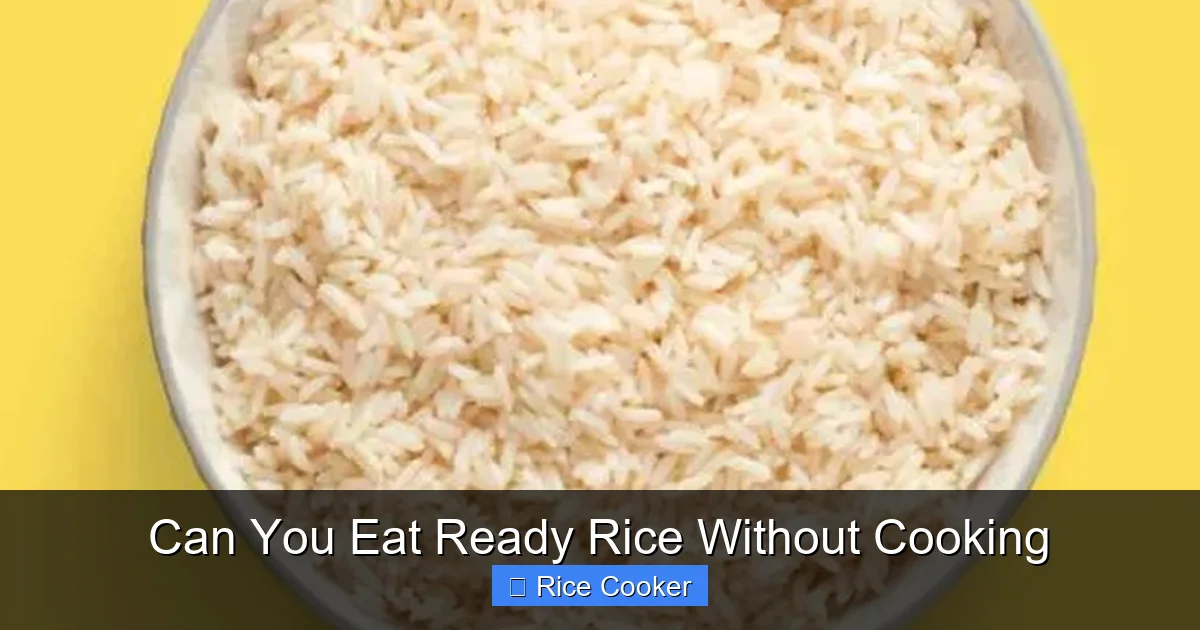
Ready-to-eat rice is a convenient food option that skips the boiling step. These products are pre-cooked, dried, or flash-frozen, making them safe to consume straight from the package. Ideal for emergencies, quick meals, or on-the-go eating, they’re a smart choice for modern life.
Can You Eat Ready Rice Without Cooking?
You’ve probably seen those small, vacuum-sealed packages of rice at outdoor supply stores, gas stations, or online. They’re often labeled “ready-to-eat” or “instant.” But do they actually work without any cooking? Can you just open the bag and dig in? The short answer: **yes**, you absolutely can eat ready rice without cooking—and it’s not only safe but also surprisingly practical. Whether you’re camping, preparing for emergencies, or just craving a quick meal, ready rice has become a go-to solution for time-strapped individuals and survival-minded families alike.
In this article, we’ll break down exactly what ready rice is, how it works, which types exist, and whether it’s nutritious or safe to eat raw. We’ll also explore real-world uses, storage tips, and common misconceptions. So grab your favorite grain (or maybe a packet of instant rice), and let’s dive into the world of no-cook rice options.
What Is Ready Rice?
Before we get into whether you can eat it raw, let’s define what “ready rice” really means. Ready rice refers to rice that has already been cooked and then processed to remove moisture or preserve freshness. Unlike regular rice that needs to be boiled for 15–30 minutes, ready rice skips the stovetop entirely. There are several methods used to make it:
– **Dehydration**: The rice is cooked first, then dried using heat or air. Once rehydrated with water, it regains its soft texture.
– **Freeze-drying**: A high-tech process where frozen rice is placed under vacuum to sublimate ice directly into vapor. This preserves flavor and nutrition better than dehydration.
– **Flash-freezing**: Cooked rice is rapidly frozen and packaged in airtight containers.
– **Vacuum sealing**: Pre-cooked rice is sealed in an oxygen-free environment to prevent spoilage.
These processes allow the rice to last for months or even years without refrigeration—making it ideal for emergency kits, backpacking trips, or dorm rooms with limited appliances.
How Is Ready Rice Made Safe to Eat Without Cooking?
The big question is safety. If it’s been cooked once, why not just eat it cold like leftover pasta? Because raw rice—especially uncooked brown rice—contains enzymes and starches that aren’t fully broken down. But ready rice isn’t raw; it’s *pre-cooked*. That’s the key difference.
When rice is fully cooked (reaching at least 165°F internally), harmful bacteria like *Bacillus cereus* are killed. After that, the drying or freezing process removes moisture that microbes need to grow. So even though you don’t reheat it, the rice has already passed through the safety zone.
For example, instant white rice sold in bulk packets is typically parboiled, then steamed, dried, and cooled. When you add hot water, it softens within minutes. But many people eat it cold right out of the bag—especially in places like Japan, where chilled rice is a staple.
Types of Ready Rice: Which One Can You Eat Raw?
Not all ready rice is created equal. Let’s look at the most common varieties and their eating habits:
**1. Instant Rice Packets**
These are the most widely available. Think of those single-serving packs you see near microwaves in offices or vending machines. They’re usually white rice, pre-cooked, then flash-dried. Most brands recommend adding hot water, but you can eat them cold if you prefer. Texture is slightly chewy, and flavor is mild.
**2. Freeze-Dried Rice (e.g., Mountain House or S.O.S.)**
Used by hikers and military personnel, freeze-dried rice retains much of its original texture and taste. Just add hot water, wait 10–15 minutes, and stir. However, some people enjoy it as-is—crunchy and light. It’s not recommended for long-term consumption due to cost and texture, but it’s perfectly safe.
**3. Military Meal, Ready-to-Eat (MRE) Rice Dishes**
MREs contain pre-cooked entrees, including rice-based dishes like jambalaya or fried rice. These are designed to be eaten hot or cold. You can actually eat the rice portion without reheating—though most soldiers warm them up using chemical heaters. Nutritionally balanced and shelf-stable for three+ years.
**4. Emergency Survival Rice**
Sold in bulk or compact packs, these are often brown rice variants. They require minimal prep: soak in water overnight or boil briefly. But some brands market “no-cook” versions that are fully processed for immediate consumption.
Each type has pros and cons. Instant rice is affordable and familiar. Freeze-dried offers superior taste. MREs are nutrient-complete. Choose based on your needs.
Benefits of Eating Ready Rice Without Cooking
Why would anyone choose ready rice over traditional boiled rice? Here are the top advantages:
– **Time-saving**: No waiting for water to boil. Open, eat, done.
– **Energy-efficient**: No stove or microwave needed (though some need heating).
– **Portable**: Lightweight, compact, and doesn’t require refrigeration.
– **Long shelf life**: Lasts years in dry conditions—great for pantries or bug-out bags.
– **Low mess**: Minimal cleanup compared to boiling pots and washing dishes.
– **Dietary flexibility**: Many brands offer gluten-free, organic, or fortified options.
Imagine being stuck in a power outage with no electricity. Boiling rice isn’t possible unless you have a campfire. But a sealed pack of instant rice? You’re golden. That’s the power of ready rice.
Nutritional Considerations
Now, let’s talk about health. Can you eat ready rice without worrying about missing out on nutrients?
Generally, yes—but there’s variation. Instant rice made from white rice may lack fiber and B vitamins found in brown rice. However, many commercial brands fortify their products with iron, folic acid, and thiamine to compensate.
Freeze-dried rice tends to preserve more nutrients because it avoids high-heat drying. Brown rice versions offer better fiber content and antioxidants.
That said, eating nothing but ready rice long-term isn’t balanced. It’s best paired with proteins, vegetables, and healthy fats—whether from canned goods, nuts, or dried fruits.
Also, watch for added sodium. Emergency and military rations often use salt for preservation and flavor. Opt for low-sodium versions if you’re sensitive to salt.
Safety Tips for Consuming Ready Rice Raw
Even though ready rice is safe, proper handling ensures zero risk. Follow these guidelines:
– **Check the package**: Look for tears, bulges, or signs of mold. Damaged seals compromise sterility.
– **Verify expiration date**: While shelf life is long, quality degrades over time.
– **Store in cool, dry place**: Heat and humidity reduce longevity.
– **Rehydrate if unsure**: If the rice feels hard or stale, add warm water and let sit 5–10 minutes. This kills any potential bacteria and restores texture.
– **Avoid cross-contamination**: Use clean utensils and avoid touching the rice directly after opening.
Remember: just because it’s labeled “ready-to-eat” doesn’t mean it’s meant to be eaten like chips. Texture and digestibility matter too.
Real-Life Uses of Ready Rice
Ready rice isn’t just for disasters. Here’s how everyday people use it:
– **College students**: Quick breakfast or snack between classes.
– **Travelers**: On flights, trains, or road trips where cooking isn’t allowed.
– **Crafters and artists**: Lightweight, non-perishable material for sensory play (with supervision).
– **Pets**: Some dog owners feed freeze-dried rice as treats (check vet approval).
– **Backpackers**: Compact weight for multi-day hikes.
– **Kitchen backups**: When your rice cooker breaks or power goes out.
One mom I spoke with keeps instant rice in her diaper bag. Her toddler loves eating it cold—no fuss, no spills!
Common Myths About Ready Rice
Let’s bust a few myths:
❌ *”It’s just raw rice in disguise.”*
→ False. Ready rice is fully cooked before processing.
❌ *”You must always add water.”*
→ Not true. Many brands are designed for direct consumption.
❌ *”It tastes like cardboard.”*
→ Only if old or improperly stored. Fresh freeze-dried rice tastes close to home-cooked.
❌ *”It’s unhealthy junk food.”*
→ Only if consumed alone. Pair it with other foods for balance.
✅ Fact: Ready rice is a legitimate, nutritious option when chosen wisely.
Comparing Ready Rice to Other No-Cook Foods
Ready rice stands out among pantry staples. Compare it to:
– **Oats**: Need hot water or milk to soften.
– **Cereal**: Often sugary and not filling.
– **Noodles**: Usually require boiling.
– **Granola bars**: High in sugar, low in protein.
Ready rice wins on versatility, shelf stability, and neutral flavor.
Tips for Maximizing Taste and Texture
Want your ready rice to feel less… artificial? Try these tricks:
– **Flavor it up**: Add a pinch of salt, soy sauce, sesame oil, or herbs.
– **Mix with beans or nuts**: Boosts protein and crunch.
– **Toast lightly**: In a dry pan over low heat for 2–3 minutes for a nutty aroma.
– **Use in salads**: Cold rice pairs well with veggies and dressings.
– **Rehydrate partially**: If too dry, mix with a splash of warm water.
Experimentation turns bland into delicious!
Environmental Impact of Ready Rice Packaging
Many ready rice products come in plastic pouches or metal tins. While convenient, this raises concerns about waste. Some brands now offer compostable liners or recyclable materials. As consumers, we can demand greener packaging and support eco-conscious companies.
Future Innovations in Ready Rice
The future looks bright. Scientists are developing edible films that dissolve in water, eliminating packaging. Others are creating rice-based snacks that mimic pizza or pasta. Imagine a rice bar that’s both nutritious and fun to eat!
Conclusion
So, can you eat ready rice without cooking? Absolutely—and you should consider it for convenience, safety, and nutrition. From emergency prep to quick lunches, ready rice proves that great meals don’t always need a pot and stove. Just remember to pick quality products, store them properly, and pair them with complementary foods for a complete diet.
Whether you’re stocking up for storms, fueling adventures, or simply tired of waiting for water to boil, ready rice offers a smarter, faster way to enjoy one of humanity’s oldest staples. Next time you see a sealed packet of grains, don’t hesitate—open it up and give it a try!
Key Takeaways
- Ready rice is safe to eat without cooking when properly processed and stored. It’s been cooked, dehydrated, or vacuum-sealed to extend shelf life.
- No cooking required—just open and serve. This saves time, energy, and reduces kitchen cleanup.
- Popular types include instant rice, freeze-dried rice, and military-grade emergency rations. Each offers different textures and uses.
- Nutritional value varies. Some retain more nutrients than others, especially if fortified or minimally processed.
- Storage matters. Proper packaging keeps ready rice fresh and safe for months or even years.
- Safety depends on handling. Always check expiration dates and inspect packaging for damage before eating.
Frequently Asked Questions
Is ready rice safe to eat raw?
Yes, ready rice is pre-cooked and processed to remove moisture, making it safe to consume without reheating. Always check packaging integrity and expiration dates before eating.
Does ready rice taste good without cooking?
It depends on the type. Instant and freeze-dried rice can be eaten cold and are generally mild in flavor. Adding seasonings or mixing with other foods enhances taste significantly.
How long does ready rice last unopened?
Most ready rice lasts 1–3 years when stored in a cool, dry place. Check the label for specific shelf-life information, as it varies by brand and processing method.
Can children eat ready rice without cooking?
Yes, as long as the product is age-appropriate and free from choking hazards. Supervision is recommended for young children, especially if eating very dry or hard textures.
Is ready rice healthier than regular rice?
It depends on the variety. Brown rice versions offer more fiber, while many white rice products are fortified with vitamins. Balance is key—pair with proteins and vegetables for optimal nutrition.
Do you need hot water to eat ready rice?
Not necessarily. While many brands suggest adding hot water for best texture, you can eat it cold straight from the package if preferred. Rehydrating helps improve mouthfeel.