
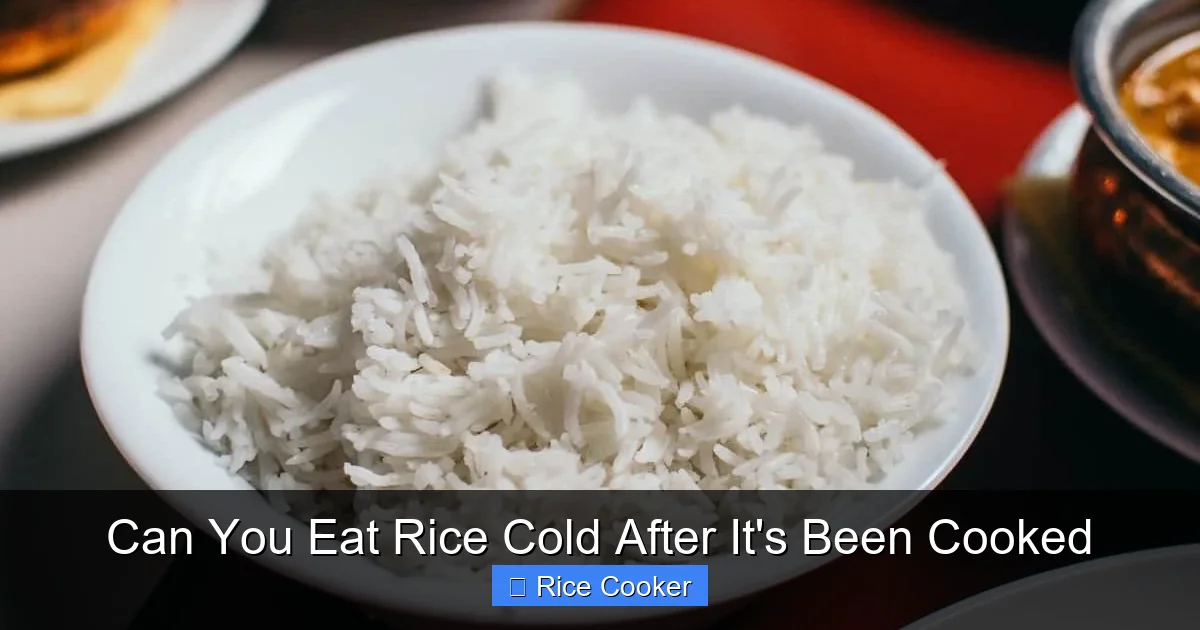
Can you eat rice cold after it’s been cooked? Absolutely—but only when stored correctly. Cold rice is safe as long as it cools quickly and refrigerates within two hours to avoid bacterial growth. With proper handling, leftover rice makes a tasty, convenient snack or side dish.
Key Takeaways
- Understanding can you eat rice cold after it’s been cooked: Provides essential knowledge
📑 Table of Contents
- Can You Eat Rice Cold After It’s Been Cooked? The Truth About Leftover Grains
- The Science Behind Cooked Rice and Bacteria
- Why People Worry About Eating Cold Rice
- How to Safely Store Cooked Rice for Cold Consumption
- Eating Cold Rice vs. Reheating: Which Is Better?
- Different Types of Rice and Their Behavior When Cold
- Creative Ways to Enjoy Cold Rice
- Signs Your Rice Has Gone Bad
- Freezing Rice: A Long-Term Solution
- Common Myths About Cold Rice Debunked
- Final Thoughts: Embrace Cold Rice with Confidence
Can You Eat Rice Cold After It’s Been Cooked? The Truth About Leftover Grains
You’ve just finished a big family dinner, and there’s a generous portion of rice left over. Instead of tossing it, you consider packing it up for tomorrow’s lunch—maybe even enjoying it straight from the fridge. But pause. Can you really eat rice cold after it’s been cooked?
This question pops up in kitchens all over the world, especially among home cooks who want to reduce waste and enjoy convenience. The short answer? Yes, you absolutely can eat cold rice—**as long as it’s been stored properly**. But there’s more to the story than just popping it in the refrigerator.
Let’s dive into what happens when rice cools, why safety matters, and how to make sure your leftover grains stay delicious—whether warm or chilled.
The Science Behind Cooked Rice and Bacteria
Cooked rice is like a cozy little habitat. It’s warm, moist, and full of nutrients—perfect conditions for certain bacteria to multiply. One of the most common culprits is *Bacillus cereus*. This spore-forming bacterium is naturally present in soil and can survive even after rice is cooked, thanks to its heat-resistant spores.
When warm, leftover rice sits at room temperature for too long—especially between 40°F and 140°F (the “danger zone” for bacterial growth)—these spores can activate, grow, and produce toxins. These toxins are heat-stable, meaning reheating won’t destroy them. That’s why leaving rice out overnight is risky.
But here’s the good news: *Bacillus cereus* doesn’t grow in cold environments. So once your rice is cooled and stored in the refrigerator, the clock stops ticking on bacterial reproduction.
Why People Worry About Eating Cold Rice
You might have heard warnings about eating cold rice, and it’s easy to see why. There have been outbreaks linked to improper storage of leftover rice, particularly in restaurants or large-scale food service. But most of these cases involve rice that was left out too long before being refrigerated.
At home, you have more control. The key is understanding the timeline. Cooked rice should not sit at room temperature for more than **two hours**, or one hour if it’s hot and humid outside (above 90°F/32°C). After that, bacteria can start multiplying rapidly.
So yes—eating cold rice is not only safe, it’s encouraged! In fact, many cultures regularly serve rice dishes chilled. Think of Japanese sushi rice, Indian pulao served at room temperature, or Mexican arroz rojo in a salad. These dishes rely on properly cooled rice.
How to Safely Store Cooked Rice for Cold Consumption
Storing rice correctly is the difference between safe snacking and potential food poisoning. Here’s how to do it right:
Cool It Fast
Don’t let rice sit in a big pot or deep container. Spread it out in a wide, shallow dish or tray. This increases surface area and helps it cool faster, reducing the time it spends in the danger zone.
Cover It Promptly
Once the rice is cool enough to handle (within an hour), cover it with plastic wrap or transfer it to an airtight container. Covering prevents contamination and slows moisture loss.
Refrigerate Within Two Hours
Time is critical. Even if the rice looks fine, bacteria could be silently growing. Refrigerate immediately after covering.
Label and Date
Always label your container with the date. Most cooked rice stays safe in the fridge for **3–4 days**. Beyond that, quality declines, and risk increases.
Portion Smartly
If you plan to freeze some, divide it into small portions. This way, you defrost only what you need, preserving the rest.
Eating Cold Rice vs. Reheating: Which Is Better?
Many people wonder whether cold rice tastes better or if reheating improves safety. The truth is, both methods work—but they offer different experiences.
Pros of Eating Cold Rice
- Convenient: Ready to grab and go, perfect for salads or snacks.
- Texture Changes: Starch recrystallizes (becomes resistant), making it firmer and chewier. Some love this!
- No Extra Steps: No need to reheat—ideal for quick meals.
Cons of Eating Cold Rice
- Dryness Risk: Without moisture, rice can become hard or crumbly.
- Limited Flavor Development: Warm rice absorbs sauces better; cold rice may feel bland.
Pros of Reheating
- Safety Boost: High heat kills any bacteria that might have developed.
- Better Taste: Sauces and flavors meld nicely when warmed.
- Soft Texture: Moisture is restored, giving rice a familiar softness.
Tips for Perfectly Reheated Rice
– Add a splash of water or broth before microwaving.
– Stir halfway through to distribute heat.
– Cover with a damp paper towel to retain moisture.
– Heat until steaming hot throughout (165°F internal temp).
Ultimately, choose based on preference. Many people rotate between cold and warm versions depending on the dish.
Different Types of Rice and Their Behavior When Cold
Not all rice is created equal—and that includes how it behaves when cooled. Let’s break down the most common types:
White Rice
White rice has a high amylose content, which means it resists sticking and holds shape well. When cold, it tends to dry out slightly but remains firm. It’s great for rice salads, fried rice (when cold), or as a crunchy base for bowls.
Brown Rice
Brown rice contains more fiber and fat, so it doesn’t dry out as fast as white rice. However, it can become slightly gummy when chilled due to its higher moisture retention. Still, it’s perfectly safe and nutritious when stored properly.
Basmati and Jasmine Rice
These aromatic varieties are popular in Asian cuisine. Basmati becomes fluffier when cold, while jasmine rice can turn sticky. Both are safe to eat chilled, especially in dishes like tabbouleh or fruit salad.
Sushi Rice
Sushi rice is vinegared and seasoned. It’s designed to be eaten cold and sticks together less than plain white rice. Just ensure it’s sealed tightly to prevent drying.
Instant and Parboiled Rice
These pre-cooked varieties often contain added ingredients that affect texture. They’re still safe when stored properly, though flavor may fade over time.
Creative Ways to Enjoy Cold Rice
Cold rice isn’t just for reheating. It opens up a world of culinary possibilities:
Rice Salad
Mix cooled rice with diced veggies, herbs, chickpeas, and a lemon-olive oil dressing. A Mediterranean twist? Add feta and olives.
Fried Rice (with a Twist)
Use cold rice for fried rice—it doesn’t clump and fries evenly. Skip the egg if you want a vegan version.
Grain Bowls
Layer cold rice with roasted vegetables, beans, avocado, and tahini sauce. Top with seeds for crunch.
Rice Pudding Chilled
Make a no-boil version by combining cold rice with milk, cinnamon, and sugar. Chill overnight for a creamy dessert.
Sushi Rolls
Use cold sushi rice with nori and fillings for hand rolls. The cooler temperature makes rolling easier.
Energy Bites
Blend cold rice with peanut butter, honey, and oats. Roll into balls for a quick, protein-rich snack.
Signs Your Rice Has Gone Bad
Even with perfect storage, rice won’t last forever. Watch for these warning signs:
- Off Smell: Sour, rancid, or ammonia-like odor.
- Unusual Texture: Slimy, mushy, or overly sticky.
- Mold Growth: Visible spots, fuzzy patches, or discoloration.
- Gas Bubbles: If rice develops bubbles or foam when opened, discard immediately.
If you’re unsure, trust your senses—and don’t take risks with foodborne illness.
Freezing Rice: A Long-Term Solution
Want to save rice for weeks—or months? Freezing is your friend. Here’s how:
Preparation
Let rice cool completely, then portion into freezer-safe bags or containers. Squeeze out extra air before sealing.
Label & Freeze
Write the date and contents on each container. Frozen rice stays safe for up to **6 months**.
Thawing Tips
– Thaw in the refrigerator overnight.
– Reheat directly from frozen (add a bit of water).
– Never thaw at room temperature.
Freezing preserves nutrients better than long-term refrigeration and keeps rice fresh longer.
Common Myths About Cold Rice Debunked
Let’s clear up some misconceptions:
Myth: “Cold rice causes food poisoning.”
Truth: Cold rice itself isn’t dangerous—improper storage is. As long as rice cools fast and refrigerates promptly, it’s safe.
Visual guide about Can You Eat Rice Cold After It’s Been Cooked
Image source: mearnes.com
Visual guide about Can You Eat Rice Cold After It’s Been Cooked
Image source: mearnes.com
Myth: “You must always reheat rice before eating.”
Truth: Many traditional dishes rely on cold rice. Safety depends on storage, not temperature at serving time.
Myth: “All rice is equally risky.”
Truth: Brown rice has more natural bacteria, but both types require proper handling. The rules apply to all cooked grains.
Myth: “Leftover rice is always bad.”
Truth: With good practices, leftover rice is one of the most sustainable and delicious parts of meal prep.
Final Thoughts: Embrace Cold Rice with Confidence
So, can you eat rice cold after it’s been cooked? The answer is a confident **yes**—provided you follow basic food safety steps. Cool it fast, store it tight, and enjoy it within a few days. Whether you’re making a refreshing salad, a hearty grain bowl, or simply reheating for warmth, cold rice is versatile, safe, and delicious.
Next time you cook rice, think beyond the pot. Consider how you’ll enjoy every last grain—even the ones that end up in the fridge overnight. With the right knowledge, leftover rice isn’t just a necessity; it’s a creative ingredient waiting to shine.
And remember: rice is more than just a side dish. It’s a global staple that adapts beautifully to every culture, climate, and craving. So go ahead—enjoy that cold rice with confidence.
Frequently Asked Questions
Is it safe to eat cold rice that’s been sitting out overnight?
No. Rice left at room temperature for more than two hours can allow bacteria like Bacillus cereus to grow. Always refrigerate within that window for safety.
Can you get sick from eating cold rice?
Yes, but only if the rice wasn’t stored properly. Improper cooling or prolonged room-temperature exposure increases the risk of foodborne illness.
How long does cooked rice last in the fridge?
Cooked rice lasts 3–4 days in the refrigerator when stored in an airtight container and cooled quickly.
Should I reheat rice before eating it cold?
No. Cold rice is safe to eat directly from the fridge. Reheating is optional and mainly affects texture and taste.
Does freezing rice change its safety or quality?
Freezing preserves rice safely for up to 6 months. Quality may decrease slightly over time, but it remains edible and nutritious.
Can I eat rice cold the next day if I refrigerated it properly?
Absolutely. As long as it was cooled and stored within two hours of cooking, rice is safe to eat cold the following day.