
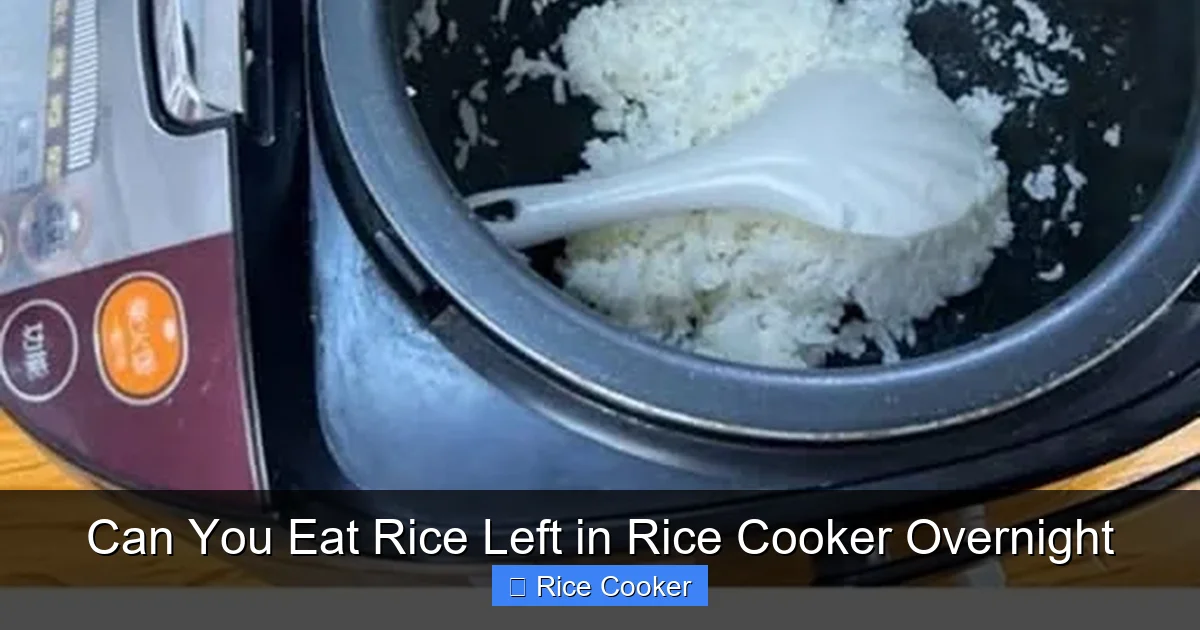
Eating rice left in a rice cooker overnight can be safe—if handled properly. The key is cooling it quickly, storing it in the fridge within two hours, and reheating thoroughly. However, improper storage increases the risk of bacterial growth, especially from *Bacillus cereus*, which thrives in cooked rice. To stay safe, always follow best practices: cool rice rapidly, refrigerate promptly, and consume within 24–48 hours.
Have you ever wondered whether it’s safe to eat rice left in your rice cooker overnight? It’s a common kitchen dilemma—especially after dinner when the rice is still warm and you’re tempted to just leave it in the cooker for the next meal. After all, rice cookers keep food warm, right? But here’s the catch: keeping cooked rice at room temperature for extended periods can create the perfect environment for dangerous bacteria to grow.
Cooked rice is particularly risky because it contains spores of *Bacillus cereus*, a bacterium that survives the cooking process. These spores can lie dormant until conditions are just right—like when rice is left out at room temperature—and then they start multiplying. The result? A potential foodborne illness known as “fried rice syndrome,” which causes symptoms like nausea, vomiting, and diarrhea.
But don’t panic! Just because rice can grow bacteria doesn’t mean you should never eat it again. With the right steps, leftover rice can be safe and delicious. In this guide, we’ll walk you through everything you need to know about can you eat rice left in rice cooker overnight—from safety tips to storage hacks and reheating methods. Let’s dive in.
Key Takeaways
- Rice can grow harmful bacteria when left at room temperature: Cooked rice contains spores of *Bacillus cereus* that survive cooking. These spores can multiply and produce toxins if rice sits out too long.
- Refrigeration slows bacterial growth: Cooling rice within two hours and storing it below 40°F (4°C) significantly reduces the risk of foodborne illness.
- Never leave rice out for more than 2 hours: The “danger zone” for food (40°F–140°F) allows rapid bacterial growth. This rule applies even if the rice was just taken off heat.
- Reheat rice thoroughly to kill remaining bacteria: Always microwave or steam leftover rice until it’s steaming hot throughout—at least 165°F (74°C).
- Use clean containers and avoid cross-contamination: Transfer cooled rice to airtight containers using clean utensils to prevent contamination from other foods.
- Freezing extends shelf life safely: You can freeze rice for up to 6 months. Thaw and reheat properly before eating.
- Trust your senses—but don’t rely on them: Even if rice looks and smells fine, toxins from *Bacillus cereus* are invisible and tasteless. When in doubt, throw it out.
📑 Table of Contents
- Understanding Rice Safety: What Makes Cooked Rice Dangerous?
- How Long Is It Safe to Leave Rice in the Rice Cooker?
- Safe Storage Practices for Leftover Rice
- Reheating Leftover Rice Safely
- Signs Your Rice Has Gone Bad
- Creative Ways to Use Leftover Rice
- Frequently Asked Questions About Eating Rice Left in a Rice Cooker Overnight
Understanding Rice Safety: What Makes Cooked Rice Dangerous?
When rice is cooked, the high heat kills most bacteria—including the ones that cause food poisoning. However, rice also contains *Bacillus cereus* spores, which are incredibly hardy. Unlike regular bacteria, these spores aren’t destroyed by normal cooking temperatures. Instead, they wait patiently in the warm, moist environment of cooked rice.
The real danger begins when rice is left at room temperature. Between 40°F and 140°F—known as the “danger zone”—bacteria multiply rapidly. In just a few hours, the number of spores can increase enough to produce toxins that cause illness. These toxins are not killed by reheating, so even cooking the rice again won’t make it safe if it’s been sitting out too long.
This is why experts strongly advise against leaving rice out for more than two hours (or one hour if the temperature is above 90°F). Even if your rice cooker has a “keep warm” setting, it usually only maintains the rice at around 190°F, which isn’t cold enough to stop bacterial growth. That’s one reason why can you eat rice left in rice cooker overnight depends entirely on how it was stored afterward.
How Long Is It Safe to Leave Rice in the Rice Cooker?
Let’s get one thing straight: the rice cooker’s “keep warm” function is convenient, but it’s not a food safety feature. Most rice cookers maintain an internal temperature between 160°F and 190°F, which may keep the rice warm, but it’s still in the danger zone. At these temperatures, *Bacillus cereus* can thrive.
So, how long is too long? Here’s the general rule:
– **Do not leave rice in the rice cooker overnight.** Even with the keep-warm setting, the rice remains at a temperature where bacteria can grow.
– **If you must leave rice in the cooker for a short time (up to 30 minutes),** it’s acceptable—but only if you plan to refrigerate it immediately afterward.
– **After 2 hours**, the risk becomes significant. After 4 hours, it’s considered unsafe to eat unless you’ve taken special precautions.
For example, imagine you cook a large pot of jasmine rice for dinner. You serve some now, and decide to leave the rest in the rice cooker while guests arrive. If you transfer the remaining rice to the fridge within 30 minutes, it’s likely safe. But if you forget and come back hours later, the rice may already be harboring dangerous bacteria.
The bottom line: convenience shouldn’t compromise safety. If you can’t refrigerate the rice within two hours, take it out of the cooker and store it properly.
Safe Storage Practices for Leftover Rice
Now that we’ve established that can you eat rice left in rice cooker overnight depends on timing and handling, let’s talk about how to store it safely. Proper storage is the difference between a tasty side dish and a stomachache.
Cooling Rice Quickly
One of the biggest mistakes people make is putting hot rice directly into the refrigerator. Why? Because hot food raises the temperature inside the fridge, which can affect other foods and slow down cooling. More importantly, hot rice creates condensation, which can lead to sogginess and faster spoilage.
Instead, cool the rice quickly:
– Spread it out in shallow containers or on a baking sheet.
– Stir occasionally to release heat.
– Aim to cool it to room temperature within 30–60 minutes.
You can also use an ice bath—place the container in a bowl of ice water and stir frequently. This method helps lower the temperature faster and reduces the time rice spends in the danger zone.
Using Airtight Containers
Once the rice is cool, transfer it to airtight containers. Glass or BPA-free plastic containers work well. Avoid leaving rice in the original rice cooker pot for storage—it’s not designed for refrigeration and may leach chemicals or harbor odors.
Label the container with the date so you know how long it’s been stored. This helps prevent confusion and ensures you use it before it goes bad.
Refrigeration Guidelines
Store rice in the coldest part of the fridge—ideally between 32°F and 40°F. Keep it covered at all times to prevent drying out or absorbing odors from other foods.
Most leftover rice is safe to eat within 3–4 days. After that, the texture changes, and the risk of bacterial growth increases. If you’re unsure, trust your instincts—but remember, unlike meat or dairy, rice doesn’t always show visible signs of spoilage.
Reheating Leftover Rice Safely
Even if you stored your rice correctly, it still needs to be reheated properly to eliminate any surviving bacteria. Here’s how to do it right:
Microwave Method
Place the rice in a microwave-safe dish. Add a tablespoon of water to prevent drying out. Cover with a damp paper towel or vented lid. Microwave on high for 1–2 minutes, stir, then microwave another minute until steaming hot.
Stovetop Method
Heat a non-stick pan over medium heat. Add a little oil or butter, then add the rice. Stir frequently and add splashes of water as needed. Heat until the rice is hot throughout.
Steamer Method
Use a rice steamer or place a small amount of water in the bottom of a pot with a steaming rack. Add the rice in a single layer and cover. Steam for 5–10 minutes, checking occasionally.
No matter the method, always ensure the rice reaches at least 165°F internally. Use a food thermometer if possible.
Signs Your Rice Has Gone Bad
While *Bacillus cereus* toxins are odorless and tasteless, other signs can indicate spoiled rice:
– **Unpleasant smell:** Sour or fermented odors suggest fermentation or mold.
– **Mold growth:** White, green, or black spots mean the rice is contaminated.
– **Discoloration:** Dark or gray patches may signal bacterial growth.
– **Texture changes:** Slimy or overly sticky rice is a red flag.
If you notice any of these, discard the rice immediately. Don’t risk food poisoning.
Creative Ways to Use Leftover Rice
Leftover rice isn’t just for reheating plain. Get creative and turn it into new meals:
– **Fried rice:** Stir-fry with vegetables, soy sauce, and egg.
– **Risotto:** Gradually add broth while stirring to create a creamy texture.
– **Rice pudding:** Mix with milk, sugar, cinnamon, and raisins.
– **Sushi:** Cool rice, season with vinegar, and roll with nori and fillings.
– **Casseroles:** Combine with cheese, beans, and veggies.
These dishes not only reduce waste but also give your rice a fresh taste and texture.
Frequently Asked Questions About Eating Rice Left in a Rice Cooker Overnight
Is it okay to leave rice in the rice cooker overnight if I’m not home?
No, it’s not safe. Leaving rice in the cooker overnight keeps it in the danger zone, allowing *Bacillus cereus* to grow. Bring it to the fridge or freezer as soon as you return home.
Visual guide about Can You Eat Rice Left in Rice Cooker Overnight
Image source: ricearray.org
Visual guide about Can You Eat Rice Left in Rice Cooker Overnight
Image source: ricearray.org
Can I reheat rice that’s been in the rice cooker for 8 hours?
Only if it was cooled and refrigerated properly within 2 hours. Otherwise, it’s unsafe. When in doubt, throw it out.
Does freezing rice kill bacteria?
Freezing stops bacterial growth but doesn’t kill existing bacteria or their toxins. Always reheat frozen rice thoroughly.
Why does fried rice sometimes make people sick?
Because the rice was likely left at room temperature, allowing *Bacillus cereus* to multiply. Reheating doesn’t destroy the toxins.
Can I leave rice in the rice cooker for a few hours if I cover it?
Covering helps, but it doesn’t change the temperature. The rice stays warm, so bacteria can still grow. Refrigerate within 2 hours.
How long can rice be safely kept in the fridge?
Up to 4 days. Beyond that, the risk increases, even if it looks and smells fine.
Frequently Asked Questions
Is it okay to leave rice in the rice cooker overnight if I’m not home?
No, it’s not safe. Leaving rice in the cooker overnight keeps it in the danger zone, allowing *Bacillus cereus* to grow. Bring it to the fridge or freezer as soon as you return home.
Can I reheat rice that’s been in the rice cooker for 8 hours?
Only if it was cooled and refrigerated properly within 2 hours. Otherwise, it’s unsafe. When in doubt, throw it out.
Does freezing rice kill bacteria?
Freezing stops bacterial growth but doesn’t kill existing bacteria or their toxins. Always reheat frozen rice thoroughly.
Why does fried rice sometimes make people sick?
Because the rice was likely left at room temperature, allowing *Bacillus cereus* to multiply. Reheating doesn’t destroy the toxins.
Can I leave rice in the rice cooker for a few hours if I cover it?
Covering helps, but it doesn’t change the temperature. The rice stays warm, so bacteria can still grow. Refrigerate within 2 hours.
How long can rice be safely kept in the fridge?
Up to 4 days. Beyond that, the risk increases, even if it looks and smells fine.