
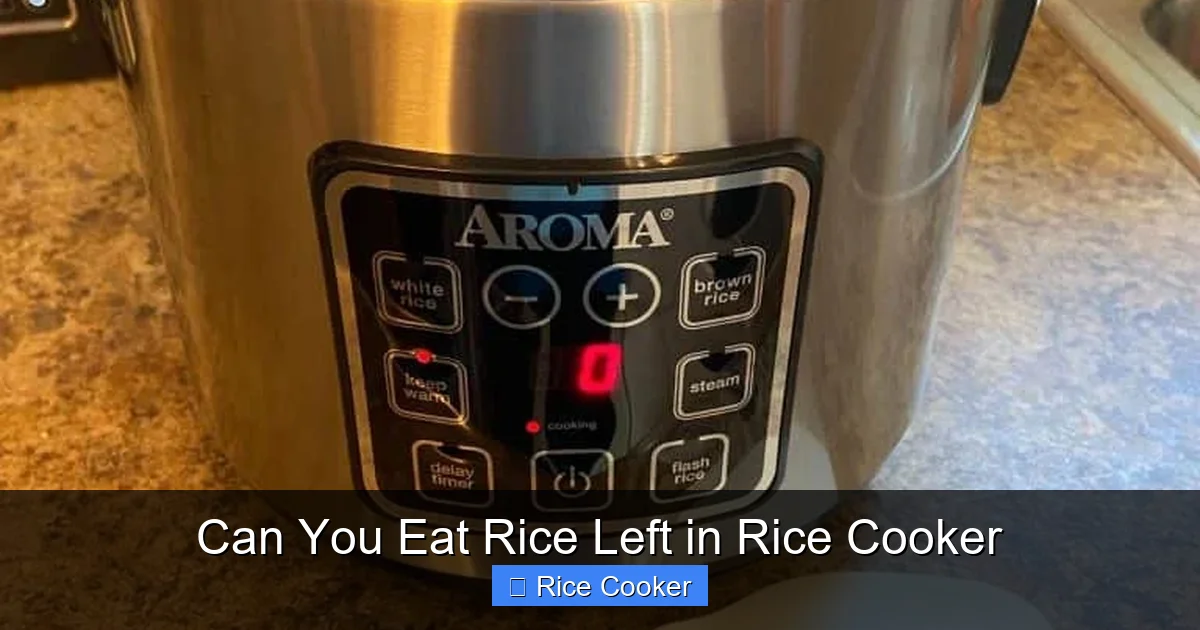
Can you eat rice left in the rice cooker? The answer is yes, but only if handled properly. Rice can safely be eaten after 24 hours if refrigerated within one hour of cooking. To avoid foodborne illness, always store it promptly and reheat thoroughly. Understanding proper food safety practices makes rice cooker leftovers a convenient and tasty option.
Have you ever finished a perfect bowl of rice and wondered, “What do I do with the rest?” Maybe your rice cooker still holds a few servings, or you just made more than you need. You might be tempted to leave it in the pot overnight, especially if you’re busy or don’t want to waste food. But before you close the lid and go to bed, let’s talk about what really happens when rice sits in a rice cooker—and whether it’s actually safe to eat later.
Eating leftover rice from the rice cooker isn’t inherently dangerous, but it does come with risks—especially if you’re not careful. The key lies in understanding how rice interacts with time, temperature, and bacteria. In this complete guide, we’ll walk through everything you need to know: from why rice can spoil quickly to how to safely store and reheat it. Whether you’re meal-prepping for the week or simply trying to reduce kitchen waste, knowing how to handle rice cooker leftovers is a game-changer.
So, grab a cup of coffee (or tea), and let’s dive into the science and practical tips behind eating rice left in the rice cooker.
Key Takeaways
- Safety depends on time and temperature: Rice should be cooled and refrigerated within one hour of cooking to prevent bacterial growth.
- Bacillus cereus is a major concern: This bacteria can survive cooking and produce toxins that cause food poisoning, especially in improperly stored rice.
- Proper storage is essential: Transfer rice to an airtight container and keep it in the fridge at or below 40°F (4°C).
- Reheating kills bacteria: Always reheat rice to at least 165°F (74°C) to ensure safety before eating.
- Smell and texture matter: If rice smells sour or has an off texture, discard it—even if it’s still cold.
- Cooking method affects shelf life: White rice lasts longer than brown rice due to lower oil content and higher starch stability.
- Use a rice cooker wisely: Some models have keep-warm settings, but they aren’t designed for long-term storage.
📑 Table of Contents
Understanding Rice Safety and Bacterial Growth
Rice is a staple food in many cultures—simple, filling, and incredibly versatile. But despite its humble nature, rice carries a hidden danger: bacteria. Specifically, a type called *Bacillus cereus*. This isn’t the kind of bacteria you see under a microscope; it’s a spore-forming bacterium that’s naturally present in soil and grains, including rice.
When rice is cooked, these spores are killed by heat. But here’s the catch: if the rice cools slowly—especially at room temperature—the spores can reactivate and begin to multiply. More importantly, even if they grow, they can produce toxins that are heat-resistant. That means reheating won’t destroy them. These toxins are what cause food poisoning, often leading to symptoms like nausea, vomiting, and diarrhea within 6 to 12 hours of eating contaminated rice.
This is why leaving rice out at room temperature for too long is risky. The longer it sits, the higher the chance of bacterial growth. A common rule of thumb is the “one-hour rule”: rice should be refrigerated within one hour of cooking. This applies to any leftover rice, whether it’s in a bowl, pot, or yes—your rice cooker.
The Danger Zone: Why Temperature Matters
The “danger zone” for food is between 40°F and 140°F (4°C to 60°C). Bacteria thrive in this range. When rice cools from boiling to room temperature, it spends several hours in this zone—especially if left uncovered in a warm kitchen. A rice cooker’s keep-warm function keeps rice at around 170°F (77°C), which sounds safe, but once you open the lid, the rice begins to cool rapidly.
Even with modern rice cookers that have advanced temperature controls, they’re not designed for long-term storage. Think of them as tools for cooking, not refrigerators. Leaving rice in the cooker overnight might seem convenient, but it increases the risk of bacterial contamination over time.
For example, imagine you cook rice for dinner at 6 p.m. and leave it in the rice cooker until 8 a.m. the next morning. That’s 14 hours in the danger zone. Even if the cooker maintains warmth initially, the outer layers will cool faster, creating pockets where bacteria can grow.
How to Tell if Rice Is Still Good
Sometimes, rice looks fine but doesn’t taste right. Trust your senses. Smell plays a big role: fresh rice should have a mild, slightly nutty aroma. If it smells sour, fermented, or just “off,” it’s best to toss it. Texture is another clue. Sticky, slimy, or overly soft rice may indicate bacterial growth or mold.
Visual signs aren’t always reliable. Mold might not appear immediately, and discoloration isn’t always visible. That’s why relying on smell and texture is more effective than just looking.
If you’re unsure, it’s safer to throw it out. Foodborne illnesses can be serious, especially for children, pregnant women, and older adults. It’s better to lose a small amount of rice than risk getting sick.
Safe Storage Practices for Leftover Rice
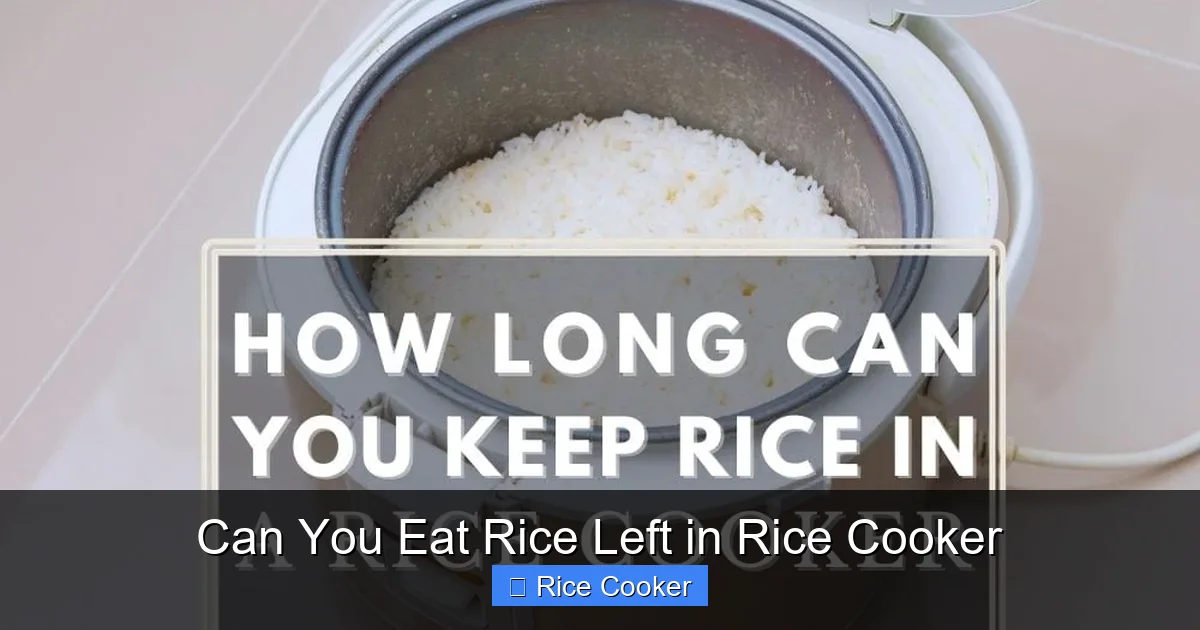
Visual guide about Can You Eat Rice Left in Rice Cooker
Image source: stretchrecipes.com
Now that we understand the risks, let’s talk about how to store rice properly. The goal is to minimize bacterial growth and preserve quality. Here’s how to do it step by step.
First, **cool the rice quickly**. Don’t let it sit out for more than one hour. If you’re serving a large meal and can’t refrigerate it right away, place the pot in an ice bath or transfer the rice to shallow containers to speed up cooling.
Next, **store it in airtight containers**. Glass or BPA-free plastic containers with tight-fitting lids work well. Avoid leaving rice in the original pot unless it has a sealable lid. Exposure to air increases moisture and oxidation, which can affect flavor and texture.
Label your containers with the date. Most leftover rice stays good for 3 to 5 days in the refrigerator. Brown rice, with its higher oil content, tends to spoil faster—usually within 3 days. White rice can last up to 5 days if stored correctly.
Freezing is another excellent option. Portion rice into freezer-safe bags or containers, squeeze out excess air, and freeze for up to 6 months. Thaw in the fridge overnight and reheat thoroughly.
Remember: refrigeration slows bacterial growth but doesn’t stop it entirely. Always reheat rice to at least 165°F (74°C) before eating.
Practical Tips for Meal Prep
Meal preppers love rice because it’s easy to make in bulk. If you’re planning ahead, consider cooking a large batch on Sunday and storing portions throughout the week. Use clear containers so you can see how much is left. Rotate older portions to the front of the fridge to avoid confusion.
You can also add a splash of lemon juice or vinegar when reheating to enhance flavor and mask any off-notes from improper storage.
Reheating Leftover Rice Safely
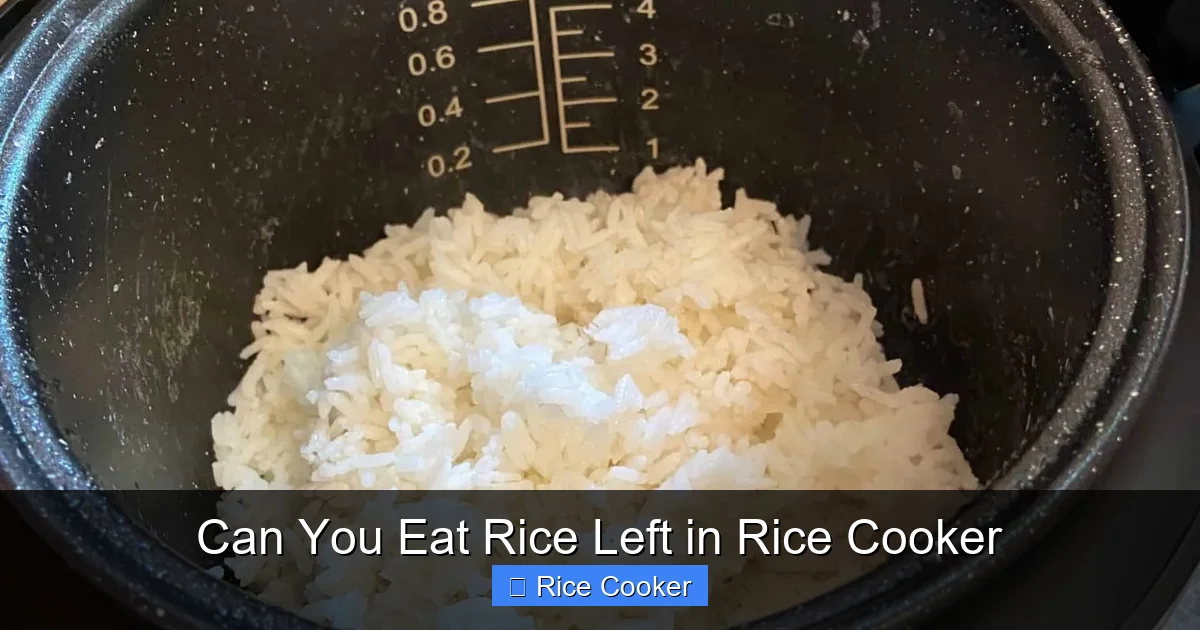
Visual guide about Can You Eat Rice Left in Rice Cooker
Image source: stretchrecipes.com
Reheating is where many people go wrong. Simply microwaving rice without checking its temperature isn’t enough. Bacteria can survive reheating if the rice wasn’t hot all the way through.
Here’s the safest method: **microwave with steam**. Place the rice in a microwave-safe dish, cover it with a damp paper towel or vented lid to retain moisture, and heat in 30-second intervals. Stir between cycles to distribute heat evenly. Use a food thermometer to confirm it reaches 165°F (74°C).
Alternatively, **reheat on the stovetop** with a bit of water or broth. Bring to a boil, then simmer covered for 5–10 minutes. This method gives better texture control.
Avoid using the rice cooker to reheat. Most models aren’t designed for this, and the heating element may not reach high enough temperatures consistently.
Flavor and Texture Tips
Overcooked or poorly reheated rice can become dry and mushy. To fix this, add a tablespoon of water or broth while reheating and fluff with a fork. You can also stir in butter, herbs, or spices to refresh the flavor.
For fried rice, sauté the rice in a pan with oil, soy sauce, and vegetables. This not only reheats it but also improves taste and texture.
Special Considerations: Brown Rice vs. White Rice
Not all rice is created equal when it comes to storage. **Brown rice** contains natural oils that can go rancid, even in the fridge. It’s also denser, which allows bacteria to grow more easily. Because of this, brown rice should be consumed within 3–4 days.
**White rice**, stripped of its bran and germ, has no oils and a longer shelf life. It’s more stable and can last up to 5 days in the refrigerator.
If you frequently cook brown rice, consider freezing portions. Or, cook it in batches and store only what you’ll eat soon.
Other Types of Rice
Wild rice, jasmine, basmati, and instant rice all follow similar rules. Instant rice, however, often contains additives that may alter shelf life. Always check the label for storage instructions.
Parboiled rice, which is partially boiled in the husk, is more resistant to bacterial growth due to changes in starch structure. It can last a bit longer than regular white rice.
Common Myths About Leftover Rice
There are plenty of misconceptions floating around. Let’s clear them up.
**Myth 1: “If rice smells okay, it’s safe.”**
False. Bacteria don’t always change the smell. Toxins can be present without any noticeable odor.
**Myth 2: “I’ll just pop it back in the rice cooker to reheat.”**
Not recommended. Rice cookers aren’t meant for reheating, and they may not heat evenly.
**Myth 3: “Freezing ruins rice.”**
Not true. Freezing preserves rice well. Just thaw slowly in the fridge and reheat properly.
**Myth 4: “Cooking rice in advance is unsafe.”**
As long as you follow the one-hour rule and store it correctly, pre-cooked rice is perfectly safe.
**Myth 5: “All rice cookers keep rice warm safely overnight.”**
No. Even high-end models shouldn’t be relied upon for long-term storage. The USDA advises against keeping rice warm for more than 2 hours.
Best Practices for Rice Cooker Usage
To maximize safety and convenience, use your rice cooker wisely. After cooking, turn it off and let the rice rest for a minute before opening. Then, transfer it to a container immediately.
Don’t use the keep-warm setting for more than 2 hours. If you need to serve late, reheat the rice instead.
Clean your rice cooker regularly. Residue buildup can harbor bacteria and affect future meals.
Energy Efficiency and Convenience
Modern rice cookers are energy-efficient and great for portion control. Some models come with timers, so you can set it to cook while you sleep. But again, timing matters. Set your cooker to finish 15–20 minutes before you plan to eat, then store the rice properly.
For families, a larger-capacity rice cooker can help reduce waste. Make extra rice on weekends and enjoy it throughout the week.
Conclusion: Enjoy Your Rice, Safely
So, can you eat rice left in the rice cooker? Absolutely—but with care. The key is speed: get it cool, store it right, and reheat it thoroughly. By following the one-hour rule and using proper containers, you can enjoy leftover rice without worry.
Rice cookers are fantastic tools, but they’re not storage units. Treat them as cooking devices, not refrigerators. With a little attention to detail, you can reduce food waste, save time, and still eat delicious, safe meals.
Whether you’re making fried rice for dinner or meal-prepping for the week, knowing how to handle rice cooker leftovers puts you in control. Next time you cook rice, think beyond the first serving—plan for the leftovers, and eat smarter.
Frequently Asked Questions
Is it safe to eat rice left in the rice cooker overnight?
It’s not recommended. Leaving rice in the rice cooker overnight keeps it in the danger zone (40°F–140°F) for too long, allowing bacteria like Bacillus cereus to grow. Always refrigerate rice within one hour of cooking.
How long can rice be left in a rice cooker?
You should not leave rice in the rice cooker for more than 1–2 hours. After that, it enters the bacterial growth zone. Once cooled, transfer it to an airtight container and refrigerate.
Can I reheat rice from the rice cooker safely?
Yes, but never in the rice cooker itself. Reheat rice in the microwave or on the stove until it reaches 165°F (74°C) throughout. Cover it to retain moisture and stir for even heating.
Does brown rice last longer than white rice in the fridge?
No, brown rice actually spoils faster due to its natural oils, which can go rancid. It’s best used within 3–4 days. White rice can last up to 5 days when stored properly.
How do I know if rice has gone bad?
Check the smell—sour or fermented odors mean it’s spoiled. Slimy texture or unusual color are also warning signs. When in doubt, throw it out.
Can I freeze rice from the rice cooker?
Absolutely. Portion rice into freezer-safe containers, label with the date, and freeze for up to 6 months. Thaw in the refrigerator and reheat thoroughly before eating.