
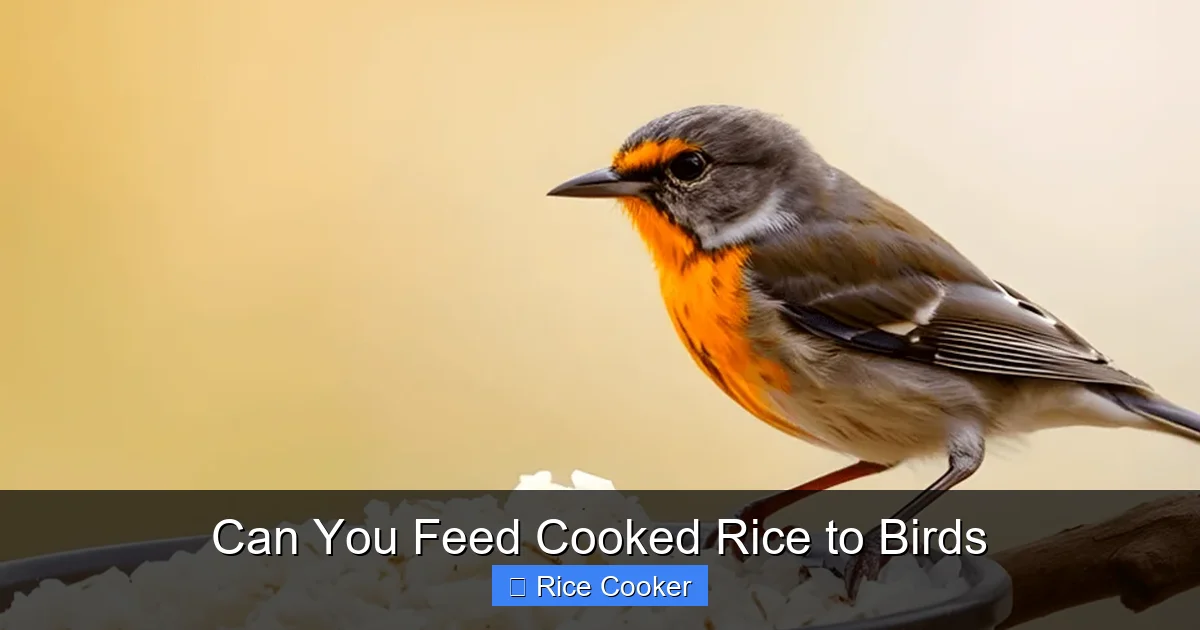
Can you feed cooked rice to birds? Yes, but with important caveats. While plain cooked white or brown rice is not toxic and can be part of a bird’s diet in moderation, it should never replace seeds or natural foods. Overfeeding cooked rice can lead to nutritional imbalances or digestive issues. Always serve it warm (not hot), unsalted, and unseasoned—ideally as an occasional treat during winter months when natural food is scarce.
Key Takeaways
- Safety First: Plain, cooked rice is non-toxic and generally safe for most bird species, including sparrows, finches, and robins.
- Nutritional Limitations: Rice lacks essential proteins, fats, and nutrients birds need daily; it should never be a staple food.
- Avoid Seasonings: Never add salt, butter, spices, or oils—these are harmful even in small amounts to birds.
- Serve Warm & Moist: Birds prefer moist grains; cool or dry rice is less appealing and harder to digest.
- Use Sparingly: Offer cooked rice as an emergency or seasonal supplement—never more than once every few weeks.
- Monitor Reactions: Watch for signs of illness like lethargy or difficulty breathing after feeding rice.
- Better Alternatives Exist: Consider offering cracked corn, millet, oats, or commercial seed blends instead of rice.
📑 Table of Contents
- Can You Feed Cooked Rice to Birds? What Every Birdwatcher Should Know
- The Basics: Is Cooked Rice Safe for Birds?
- Why Rice Isn’t Ideal for Regular Bird Feeding
- When Might Cooked Rice Be Appropriate?
- How to Safely Offer Cooked Rice to Birds
- Safer and More Beneficial Bird Food Alternatives
- Common Misconceptions About Feeding Rice to Birds
- Final Thoughts: Use Rice Wisely, If At All
Can You Feed Cooked Rice to Birds? What Every Birdwatcher Should Know
Have you ever wondered if that leftover bowl of rice from dinner could help out your feathered neighbors? It’s a common question among bird lovers—especially those who enjoy feeding backyard birds during colder months. The idea might sound harmless: “It’s just rice, right?” But before tossing out that pot of cooked rice or adding it to your bird feeder, there’s more to consider than meets the eye.
While cooked rice isn’t poisonous to birds, it’s far from ideal as a regular food source. In fact, many wildlife experts warn against making it a go-to meal. So what’s the truth? Can you feed cooked rice to birds safely—and if so, under what conditions?
Let’s dive into everything you need to know about feeding cooked rice to wild birds, including how it affects them nutritionally, what alternatives are better, and how to offer it responsibly if you choose to do so.
The Basics: Is Cooked Rice Safe for Birds?
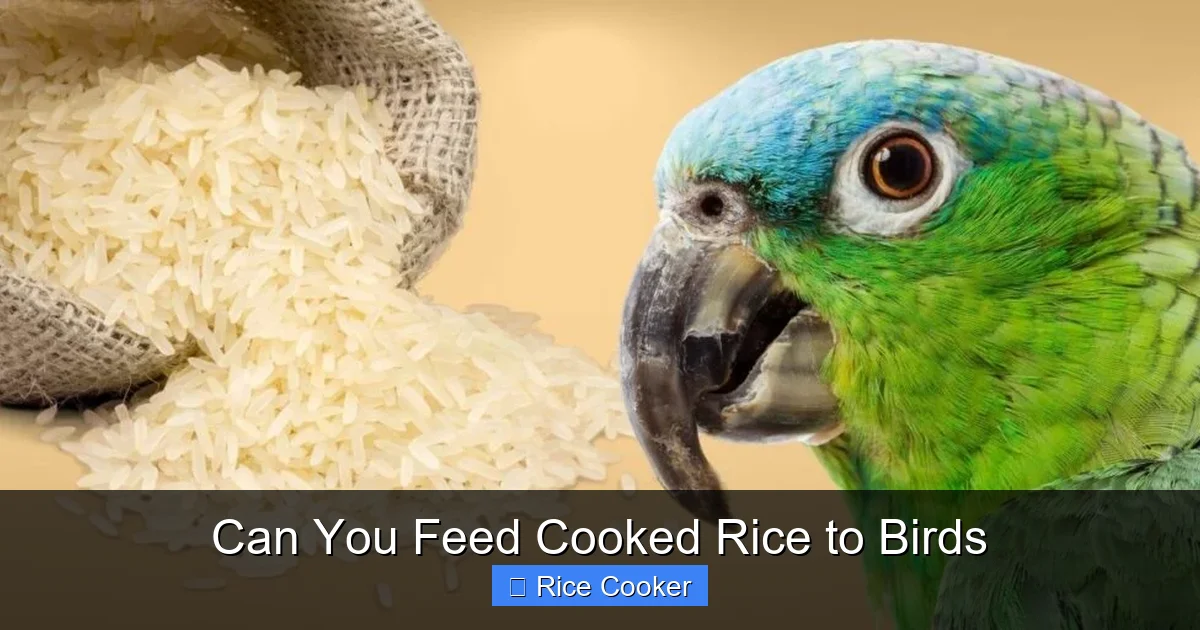
Visual guide about Can You Feed Cooked Rice to Birds
Image source: petsfoodsafety.com
Yes—plain, cooked rice (white or brown) is not toxic to birds. Unlike chocolate, caffeine, or certain artificial sweeteners, rice contains no compounds that directly harm avian physiology. However, safety doesn’t mean suitability. Just because something won’t kill a bird instantly doesn’t make it nutritionally valuable or appropriate for long-term feeding.
Birds have unique dietary needs based on their species, habitat, and life stage. For example, seed-eating finches require high-fat seeds for energy, while insectivorous birds like warblers depend on protein-rich bugs during nesting season. Rice, being mostly starch, fails to meet these requirements adequately.
That said, in rare situations—such as harsh winters when natural food sources dwindle—a small amount of plain cooked rice can provide temporary calories and warmth. Think of it like giving someone a slice of bread during a famine: it helps survive the moment but isn’t nourishing overall.
Types of Rice: Which Are Best?
Not all rice is created equal when it comes to bird consumption:
– White Rice: Easier to digest and softer when cooked, making it more palatable for smaller birds.
– Brown Rice: Contains more fiber and some vitamins, though slightly harder to chew and digest.
– Instant or Pre-cooked Rice: Often contains additives like salt or preservatives—avoid these entirely.
– Uncooked Rice: Dangerous! It can expand in a bird’s crop, causing blockages or choking.
Always opt for plain, freshly cooked rice without any sauces, herbs, or seasonings. And remember: uncooked rice is strictly off-limits.
Why Rice Isn’t Ideal for Regular Bird Feeding
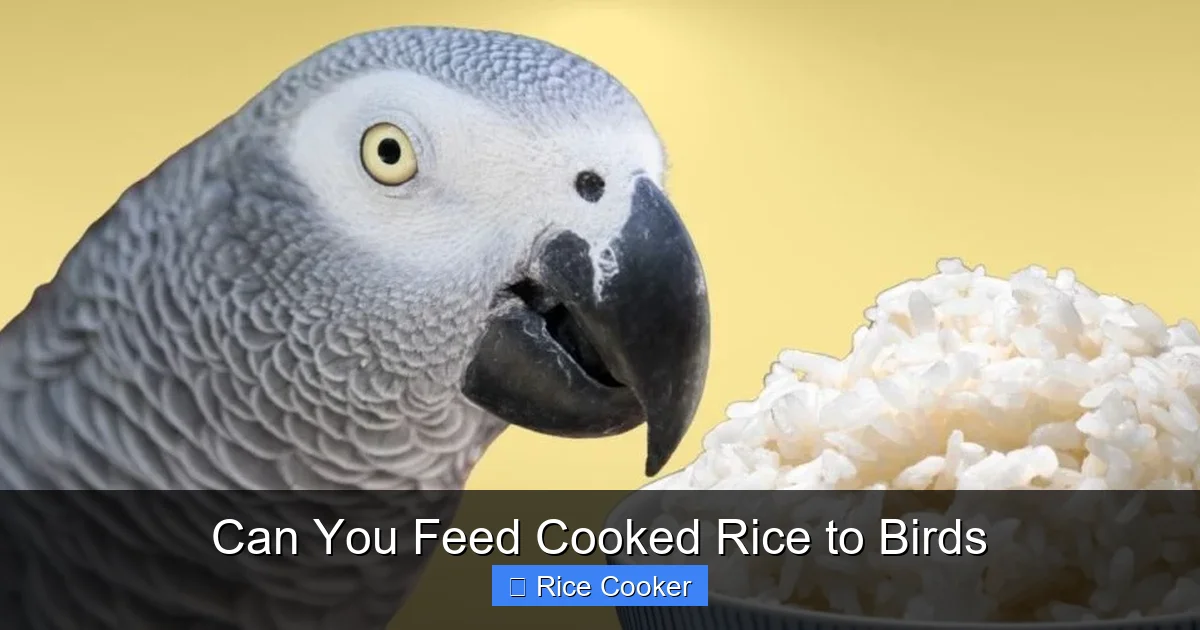
Visual guide about Can You Feed Cooked Rice to Birds
Image source: petsfoodsafety.com
Despite its apparent harmlessness, cooked rice falls short as a primary food source for several reasons:
Low Nutritional Value
Rice is primarily carbohydrate-based. While birds need energy (calories), they also require protein, healthy fats, vitamins, and minerals. A diet heavy in rice leads to malnutrition over time. For instance, finches fed only rice may suffer from weak bones, poor feather quality, or reduced reproductive success.
Poor Digestibility When Cold or Dry
Once cooled, rice becomes hard and crumbly—almost like sand. Many small birds struggle to break down such textures. Wet or warm rice, however, softens and is easier to swallow and digest. This is why offering rice near bird baths or in shallow dishes with a bit of water can improve acceptability.
Risk of Clumping and Choking
If multiple birds feed at once, rice grains can clump together. A cluster lodged in a bird’s throat can cause suffocation—a real concern in dense feeding areas. Always spread rice out thinly across trays or platforms to minimize clumping.
Lack of Natural Instinctual Appeal
Wild birds evolved to seek specific foods—seeds, nuts, berries, insects, nectar. Rice doesn’t resemble any of these in texture or scent. While some opportunistic feeders (like house sparrows) may nibble on rice left outdoors, others ignore it entirely.
When Might Cooked Rice Be Appropriate?
Though not recommended routinely, there are limited scenarios where feeding cooked rice makes sense:
Emergency Winter Feeding
During extreme cold snaps, natural food like seeds or fruits may become inaccessible under snow. In such cases, plain cooked rice can serve as a temporary calorie boost. Offer it sparingly—just enough to sustain birds until conditions improve.
Rehabilitating Injured or Orphaned Birds
Wildlife rehabilitators sometimes use soft, carbohydrate-rich foods like rice porridge to help dehydrated or weak birds regain strength. This is done under professional supervision and typically involves mixing rice with warm water and offering tiny portions via dropper or syringe.
Supplemental Feeding During Migration
Some migratory species stop frequently to refuel. If you notice flocks lingering near your yard during migration, a small dish of plain rice mixed with suet or peanut butter (unsalted) might attract them—but again, only as a last resort.
How to Safely Offer Cooked Rice to Birds
If you decide to try feeding cooked rice, follow these best practices:
1. Cook Without Additives
Use only water—no salt, oil, garlic, or butter. These ingredients can cause kidney damage, liver stress, or digestive upset in birds.
2. Serve Warm or at Room Temperature
Cold rice is unappealing and difficult to digest. Let it cool slightly after cooking, then place it in a shallow tray or platform feeder.
3. Moisten Slightly
Lightly mist the rice with water to keep it soft. Alternatively, mix it with a bit of unsalted peanut butter or dried fruit for added appeal and nutrition.
4. Spread It Thinly
Avoid piling rice too thickly. Use a spoon or fork to create single layers so grains don’t stick together.
5. Clean Up Promptly
Spoiled rice attracts pests and breeds mold. Remove uneaten portions within 24 hours, especially in humid climates.
6. Monitor Bird Behavior
Watch which species visit and how much they eat. If certain birds seem reluctant or aggressive, adjust placement or switch to more traditional foods like sunflower seeds.
Safer and More Beneficial Bird Food Alternatives
Instead of relying on rice, consider these healthier options:
Sunflower Seeds (Black Oil & Striped)
High in fat and protein, these are favorites among cardinals, chickadees, and finches. Offering whole shells encourages foraging behavior.
Suet Cakes
Made from animal fat and mixed with seeds or dried insects, suet provides critical energy for woodpeckers, nuthatches, and wrens—especially in winter.
Dried Fruits (Unsweetened)
Apples, raisins, or cranberries can attract thrushes, mockingbirds, and jays. Cut into small pieces to prevent choking.
Cracked Corn & Millet
These are staple grains in many commercial mixes and are naturally appealing to ground-feeding birds like doves and sparrows.
Oats & Barley
Similar to rice but slightly higher in fiber and nutrients. Soak overnight before offering to soften them.
Insects (for Nesting Season)
Offering mealworms or dried crickets during spring/summer supports breeding birds needing extra protein.
By diversifying your offerings, you support a wider range of species and reduce reliance on suboptimal foods like rice.
Common Misconceptions About Feeding Rice to Birds
Let’s clear up a few myths:
Myth #1: “Rice Will Swell in a Bird’s Stomach and Kill Them”
This urban legend stems from uncooked rice expanding when exposed to moisture. But cooked rice already absorbs liquid—it doesn’t swell dangerously. Still, always avoid raw rice.
Myth #2: “All Leftover Food Is Good for Birds”
Leftover pizza, fries, or pasta are terrible choices. They’re high in salt, fat, or artificial ingredients that harm birds’ livers and kidneys.
Myth #3: “Birds Love Rice Because Humans Eat It”
Just because we enjoy rice doesn’t mean birds do. Their taste preferences differ significantly from ours.
Myth #4: “Cooked Rice Is Better Than Uncooked”
True—but both are inferior compared to natural seeds, fruits, and insects.
Final Thoughts: Use Rice Wisely, If At All
So, can you feed cooked rice to birds? Technically yes—but only as a rare, supplemental treat under careful conditions. It’s not dangerous in small amounts, but it’s far from nutritious or ecologically appropriate as a mainstay.
Instead of reaching for rice next time you have leftovers, think about what real wild birds actually eat. Your backyard can become a vibrant hub of activity by providing foods that match their instincts and needs. Not only will this benefit local wildlife, but you’ll also gain deeper insights into their behaviors, diets, and survival strategies.
And who knows? Maybe you’ll discover a new favorite species to observe—or even adopt—through responsible, informed feeding practices.
Frequently Asked Questions
Is it okay to give birds leftover cooked rice from my plate?
Only if it’s plain, unsalted, and free of sauces or seasonings. Even then, limit it to occasional small amounts. Most leftover human food contains harmful additives, so safer options like sunflower seeds exist.
Can I mix rice with other foods for birds?
Yes—but only with bird-safe items like unsalted peanut butter, dried fruit, or seeds. Avoid anything processed or salty. Mixing rice with suet can make a decent winter snack, but monitor portions closely.
Will birds eat rice right away?
Many won’t. Some opportunistic species like sparrows or grackles may try it, but songbirds often prefer familiar seeds or fruits. Patience and proper preparation increase the chance of acceptance.
How long does cooked rice stay fresh for birds?
Up to 24 hours if kept cool and dry. After that, mold or bacteria growth poses risks. Always discard uneaten rice promptly, especially in warm weather.
What happens if a bird eats too much rice?
Excessive intake can lead to malnutrition due to lack of protein and fat. In rare cases, digestive discomfort or crop impaction may occur if rice clumps together. Observe behavior after feeding and discontinue if unusual symptoms arise.
Should I offer rice to baby birds?
Never feed rice directly to nestlings or fledglings. Instead, consult a licensed wildlife rehabilitator who can provide age-appropriate, nutrient-balanced meals. Improper feeding harms development and survival chances.