
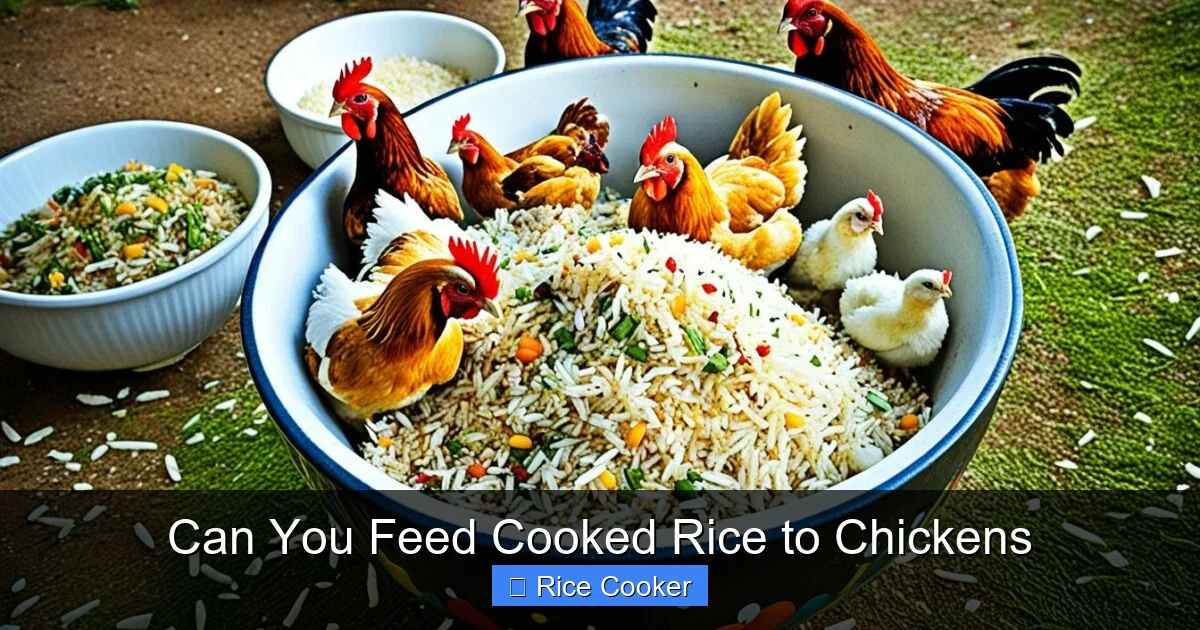
Can you feed cooked rice to chickens? Absolutely! Cooked rice is safe, easy to digest, and provides carbohydrates and energy for your birds. Just make sure it’s plain, cooled, and offered in small portions to keep your chickens healthy and happy.
Chickens are omnivores with surprisingly flexible diets, capable of eating everything from seeds and worms to kitchen scraps and grains. As backyard poultry enthusiasts or commercial farmers, we often look for cost-effective, nutritious ways to supplement our birds’ diets. One common question that pops up in chicken-keeping communities is: Can you feed cooked rice to chickens? The short answer? Yes—but with important caveats. In this complete guide, we’ll explore everything you need to know about feeding cooked rice to chickens, including nutritional benefits, safety tips, portion guidelines, and creative meal ideas. Whether you’re raising free-range hens or urban coop birds, this article will help you make informed decisions about what to feed your feathered friends.
Cooked rice isn’t just a human comfort food—it can also be a valuable part of a chicken’s diet when prepared and served correctly. Chickens thrive on a mix of protein, vitamins, minerals, and carbohydrates, and rice fits neatly into the carbohydrate category. But before you start tossing leftover rice into the coop, let’s dive deeper into why it works, what to watch out for, and how to make the most of this simple, affordable feed option.
Key Takeaways
- Cooked rice is safe for chickens: Unlike raw or uncooked rice, cooked rice has softened starch, making it easier for chickens to digest.
- Plain is best: Avoid adding salt, oil, spices, or seasonings—these can harm your chickens.
- Moderation is key: Rice should be an occasional treat, not a dietary staple, due to its high carbohydrate content.
- Cold rice is safer: Always serve rice at room temperature or slightly chilled to prevent respiratory issues from steam inhalation.
- Mix with other foods: Combine rice with vegetables, grains, or proteins to create balanced meals.
- Avoid uncooked rice: Raw rice expands in the digestive tract and can cause blockages.
- Monitor your flock: Watch for digestive changes or allergies after introducing new foods like rice.
📑 Table of Contents
- Is Cooked Rice Safe for Chickens?
- Nutritional Benefits of Cooked Rice for Chickens
- How to Properly Serve Cooked Rice to Chickens
- What About Brown Rice vs. White Rice?
- Common Mistakes to Avoid When Feeding Rice to Chickens
- Innovative Ways to Include Rice in Chicken Diets
- Alternatives to Rice for Chickens
- Final Thoughts: Should You Feed Cooked Rice to Chickens?
Is Cooked Rice Safe for Chickens?
Absolutely—cooked rice is safe for chickens to consume. In fact, it’s one of the most commonly fed leftovers in rural households worldwide. The key difference between safe and unsafe rice lies in the cooking process. When rice is boiled until soft and tender, its starches break down, making it much easier for chickens to digest. This contrasts sharply with raw or uncooked rice, which can expand significantly in a chicken’s gizzard (a muscular stomach), potentially leading to serious digestive blockages.
Another concern often raised is whether rice contains anything toxic to chickens. The good news is that plain, unseasoned cooked rice poses no known toxicity risks. It doesn’t contain any substances harmful to poultry when consumed in moderation. However, like all treats, rice should never replace a balanced commercial feed designed specifically for chickens’ nutritional needs.
That said, safety isn’t just about ingredients—it’s also about presentation. Always ensure the rice is fully cooked, cooled to room temperature, and free of mold or contaminants. Serving hot rice can cause burns in chickens, while leftover rice that’s been sitting out too long may harbor bacteria or develop mold, both of which can upset a chicken’s sensitive digestive system.
Nutritional Benefits of Cooked Rice for Chickens

Visual guide about Can You Feed Cooked Rice to Chickens
Image source: m.media-amazon.com
While chickens don’t require large amounts of carbohydrates compared to protein and calcium, carbohydrates still play a vital role in their energy balance. Cooked rice offers several nutritional advantages:
Energy Source
Rice is rich in complex carbohydrates, which provide sustained energy for active birds. This makes it ideal for winter months or when chickens need an extra boost during molting or egg production.
Digestibility
Unlike whole grains such as wheat or barley, cooked rice is soft and easy to process. Chickens with weak crops or young chicks can benefit greatly from this gentle texture.
Budget-Friendly Feed Option
For families or small farms, using leftover rice reduces food waste and lowers feed costs. A single pot of rice can feed dozens of chickens without breaking the bank.
Versatility in Meal Planning
Rice pairs well with almost any ingredient—vegetables, greens, grains, even small amounts of meat or fish. You can create balanced “chicken scratch” mixes by combining rice with other safe foods.
It’s important to note, however, that rice lacks essential amino acids and certain vitamins found in protein-rich feeds. Therefore, it should never be the sole component of a chicken’s diet. Think of it as a side dish, not the main course.
How to Properly Serve Cooked Rice to Chickens

Visual guide about Can You Feed Cooked Rice to Chickens
Image source: raisechickensright.com
Serving rice correctly ensures your chickens get maximum benefit while avoiding health risks. Here’s how to do it right:
1. Choose Plain, Unseasoned Rice
Never feed rice seasoned with salt, garlic, onions, butter, or herbs. These additives can be harmful to chickens. Stick to plain white or brown rice—both are safe options.
2. Cool Before Feeding
Hot rice releases steam when exposed to air, which can irritate chickens’ respiratory tracts if inhaled. Always allow rice to cool completely before placing it in the feeder.
3. Use Clean Containers
Avoid using plastic containers that may warp or leach chemicals when heated. Opt for stainless steel, ceramic, or food-grade plastic bowls instead.
4. Offer in Moderate Portions
A handful of rice per bird once or twice a week is sufficient. Overfeeding can lead to obesity or imbalanced nutrition.
5. Mix With Other Foods
Combine rice with chopped vegetables (like carrots, spinach, or squash), cracked corn, or even small pieces of fruit for variety and added nutrients.
6. Monitor for Allergies or Reactions
Introduce rice gradually and observe your flock for signs of discomfort, diarrhea, or lethargy. If any bird reacts negatively, discontinue use immediately.
By following these steps, you’ll maximize the benefits of cooked rice while keeping your chickens healthy and stress-free.
What About Brown Rice vs. White Rice?
Both types of rice are safe and nutritious for chickens, but they offer slightly different benefits:
White Rice
White rice undergoes milling that removes the bran and germ, leaving mostly starchy endosperm. It cooks quickly and has a mild flavor, making it a favorite among many backyard flocks. While it’s lower in fiber and nutrients than brown rice, it’s highly digestible and energy-dense.
Brown Rice
Brown rice retains its outer layer (the bran), giving it more fiber, vitamin B, magnesium, and antioxidants. It takes longer to cook and is chewier, which some chickens enjoy. Because it’s less processed, brown rice may support better gut health over time.
In practice, either type works well. Many chicken owners alternate between the two to provide variety. Just remember—both must be fully cooked and plain.
Common Mistakes to Avoid When Feeding Rice to Chickens
Even well-meaning chicken keepers sometimes make errors when introducing new foods. Here are some common pitfalls to avoid:
Mistake #1: Feeding Uncooked Rice
This is the biggest no-no. Raw rice absorbs water in the digestive tract and swells, potentially causing impaction. Always ensure rice is fully boiled and tender.
Mistake #2: Adding Salt or Seasonings
Salt causes dehydration and kidney strain in chickens. Never season rice meant for poultry—even “healthy” options like olive oil or garlic powder can be problematic.
Mistake #3: Serving Hot Rice Directly
As mentioned earlier, steaming rice can release moisture that irritates chickens’ sinuses and lungs. Let it cool for at least 30 minutes before serving.
Mistake #4: Overfeeding Rice
Rice is calorie-dense but nutrient-poor compared to complete feeds. Too much can displace more balanced foods in your chickens’ diet.
Mistake #5: Using Moldy or Stale Rice
Leftover rice that sits out overnight can grow bacteria like Bacillus cereus, which produces toxins harmful to animals—including humans. Always use fresh, properly stored rice.
By steering clear of these mistakes, you’ll protect your flock’s health and extend the usefulness of this humble grain.
Innovative Ways to Include Rice in Chicken Diets
Rice doesn’t have to be boring! With a little creativity, you can turn it into exciting meals that keep your chickens engaged and nourished.
Rice and Vegetable Medley
Chop cooked rice with steamed broccoli, shredded carrots, and peas. This colorful mix provides fiber, vitamins, and hydration—perfect for hot weather.
Scratch Mix Base
Blend rice with millet, sunflower seeds, and crushed oats to create a dynamic foraging experience. Chickens love pecking through textured mixes that mimic natural ground forage.
Molting Support Blend
During molting season, increase protein intake. Mix cooked rice with mealworms, boiled eggs, and leafy greens to support feather regrowth.
Emergency Feed Supplement
If you run low on commercial feed, a temporary blend of rice, dried beans, and fishmeal can tide chickens over—just ensure it includes enough calcium for laying hens.
These ideas not only diversify your chickens’ diet but also reduce household food waste—a win-win for sustainability-minded keepers.
Alternatives to Rice for Chickens
While rice is a great option, there are plenty of other safe, nutritious foods you can offer:
– **Oatmeal**: Soft, warm, and packed with fiber.
– **Quinoa**: A complete protein source when cooked.
– **Sweet Potatoes**: Rich in beta-carotene and easily digested.
– **Barley or Millet**: Whole grains that add bulk and variety.
– **Leafy Greens**: Kale, dandelion, and lettuce provide essential micronutrients.
Rotate these foods regularly to ensure a well-rounded diet. Remember, diversity is key to preventing boredom, nutritional gaps, and behavioral issues in chickens.
Final Thoughts: Should You Feed Cooked Rice to Chickens?
In summary, yes—you absolutely can feed cooked rice to chickens, and doing so responsibly can enrich their diet without costing much. It’s safe, affordable, and widely accepted in both homesteading and commercial settings. Just follow the guidelines we’ve outlined: cook it thoroughly, cool it down, avoid seasonings, and offer it in moderation alongside other wholesome foods.
Rice won’t replace your chickens’ primary feed, but as an occasional treat or supplemental carbohydrate source, it’s hard to beat. Plus, sharing meals with your flock builds trust and strengthens the bond between you and your birds.
Whether you’re feeding a dozen backyard hens or managing hundreds of layers, incorporating cooked rice thoughtfully into your feeding routine is a smart, sustainable choice. And who knows? That leftover pot of rice from last night’s dinner might just become tomorrow’s coop treat!
Frequently Asked Questions
Can chickens eat raw rice?
No, chickens should never eat raw rice because it expands in their digestive system and can cause blockages. Always serve rice that has been fully cooked and softened.
How often should I feed my chickens cooked rice?
Offer cooked rice 1–2 times per week in small portions. It should complement, not replace, their regular balanced feed.
Is brown rice better than white rice for chickens?
Brown rice offers more fiber and nutrients, but both types are safe and digestible. Choose based on availability and your chickens’ preferences.
Can baby chicks eat cooked rice?
Yes, but only after they’re a few weeks old and able to handle softer foods. Make sure the rice is finely mashed and mixed with starter crumbles.
Will cooked rice attract pests to my chicken coop?
If not cleaned up promptly, leftover rice can attract rodents or insects. Remove uneaten portions daily to maintain cleanliness.
Do I need to rinse cooked rice before feeding it to chickens?
No rinsing is necessary unless the rice was cooked with salt or other additives. Plain cooked rice is ready to serve as-is.