
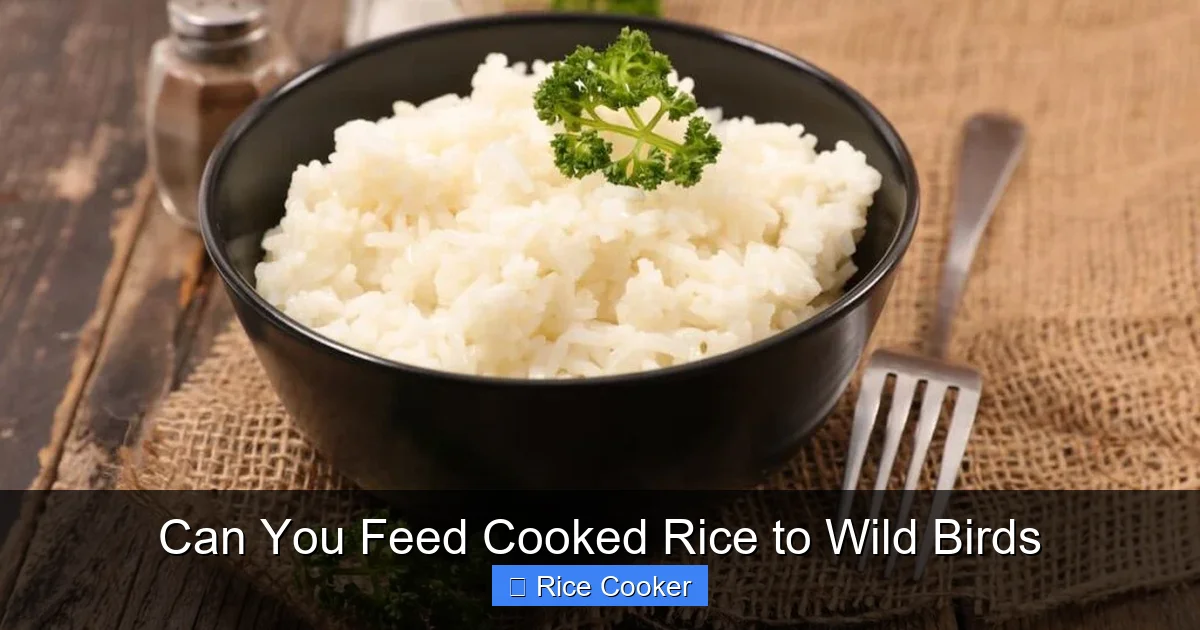
Can you feed cooked rice to wild birds? Yes, plain, cooled cooked rice is safe for most backyard birds and can be a helpful food source during winter months. However, it should never be given with salt, oil, spices, or garlic—these ingredients are harmful. Always serve small amounts and mix with other bird-friendly foods like seeds and fruits for balanced nutrition.
Have you ever looked out your kitchen window and seen a curious robin pecking at something on the ground? Maybe you noticed a sparrow hopping near your porch after you dropped a leftover grain of rice from your meal. It’s not uncommon for people to wonder: can you feed cooked rice to wild birds? The short answer is yes—but with important caveats. While cooked rice isn’t harmful in small amounts and can even help sustain birds during cold months, it’s not a complete or ideal food on its own. Let’s dive into everything you need to know about feeding rice to wild birds, how to do it safely, and what other foods you should consider instead.
Key Takeaways
- Safety First: Plain, cooled cooked rice is safe for many wild birds when served unseasoned and in small portions.
- Avoid Harmful Additives: Never feed rice with salt, butter, spices, or sauces—these can be toxic or cause digestive issues.
- Moderation Matters: Rice should not be the main part of a bird’s diet; use it as an occasional supplement or emergency food.
- Best Serving Method: Offer rice on the ground or in shallow dishes, mixed with seeds or suet for variety and better nutrition.
- Seasonal Considerations: Cooked rice works well as a winter food source when natural seeds are scarce, but avoid overfeeding year-round.
- Watch for Pests: Open rice can attract unwanted insects or rodents—store leftovers properly and clean up spills quickly.
- Alternative Foods: While rice is okay in a pinch, consider offering millet, cracked corn, nuts, or fruit for a more nutritious option.
📑 Table of Contents
Is Cooked Rice Safe for Wild Birds?
Before you start tossing rice into your bird feeder, it’s essential to understand whether it’s actually safe for our feathered visitors. The good news is that plain, cooled cooked rice—whether white or brown—is generally non-toxic to most common backyard birds such as sparrows, finches, robins, and doves. These birds can digest cooked grains fairly well, especially when they’re soft and easy to pick up.
However, safety depends entirely on how the rice was prepared and served. Raw rice, for example, poses a choking risk and takes much longer to digest because it expands in the stomach. But once cooked and cooled, it breaks down into smaller particles that birds can eat comfortably. That said, rice alone lacks essential nutrients like protein, healthy fats, vitamins, and minerals that birds need for optimal health. So while it won’t hurt them in moderation, it shouldn’t replace their natural diet.
The Risks of Seasoned or Greasy Rice
One of the biggest mistakes people make is feeding birds rice that contains salt, butter, oil, or any kind of seasoning. For example, fried rice, rice pilaf, or leftover takeout meals often include high levels of sodium and unhealthy fats—both of which are dangerous for wild birds. Excess salt can lead to dehydration and kidney damage, while greasy foods can clog their tiny digestive tracts and cause serious illness.
Even seemingly harmless additions like garlic or onion powder can be toxic to birds. If you’ve ever eaten garlic bread with rice, don’t assume it’s safe to share—those compounds remain potent even after cooking. Always opt for plain, boiled rice without any condiments or oils.
Raw vs. Cooked Rice: What’s the Difference?
You might have heard stories about raw rice causing birds to swell up in their crops, leading to fatal blockages. This myth likely stems from observations where raw rice appears to expand slightly in water, but there’s no solid evidence that cooked or even uncooked rice causes physical harm when ingested by birds. Still, cooked rice is far easier for birds to eat and digest, so it’s the preferred choice.
In fact, during extreme weather events—like blizzards or droughts—when natural food sources vanish, cooked grains like rice can serve as a temporary lifeline for struggling birds. Emergency wildlife rescuers sometimes use mashed, boiled grains to help rehabilitate injured or orphaned birds recovering from malnutrition.
When Is It Appropriate to Feed Cooked Rice?
Visual guide about Can You Feed Cooked Rice to Wild Birds
Image source: diyseattle.com
While feeding wild birds is a kind-hearted gesture, it’s important to recognize when and how to offer food responsibly. Cooked rice is best used in specific situations rather than as a regular menu item.
Winter Survival Food
During harsh winters, many native seeds become buried under snow or unavailable due to frozen ground. In these times, supplemental feeding becomes crucial. Offering plain cooked rice in a shallow dish or on the ground gives hungry birds a quick energy boost. The carbohydrates in rice provide immediate fuel, which helps them maintain body heat when temperatures drop.
But remember: this should be a stopgap, not a long-term solution. Relying too heavily on human-provided food can make birds dependent and reduce their ability to forage naturally.
Disaster Relief and Emergency Feeding
After natural disasters like hurricanes or floods, bird populations may lose access to their usual food sources. In such cases, organizations and volunteers sometimes distribute simple, shelf-stable grains—including cooked rice—to help sustain local wildlife. These efforts are carefully monitored to ensure the food is clean, uncontaminated, and free of harmful additives.
If you find yourself in a situation where birds are struggling due to environmental stressors, consult local wildlife experts before initiating any feeding program. Improper feeding can do more harm than good.
Bird Rescue Rehabilitation
Animal rehabilitation centers often use mashed, boiled grains like rice to feed injured or sick birds during recovery. The soft texture makes it easy for weakened patients to swallow, and the carbohydrates help replenish energy stores lost during illness.
If you’re caring for an injured bird, contact a licensed wildlife rehabilitator immediately. They’ll provide guidance on proper diet and care—and will likely recommend specific grain preparations tailored to the species and condition of the bird.
How to Properly Feed Cooked Rice to Wild Birds

Visual guide about Can You Feed Cooked Rice to Wild Birds
Image source: i.pinimg.com
Now that we’ve covered the basics, let’s talk practicalities. How exactly should you go about feeding cooked rice to wild birds? Follow these guidelines to keep both your guests and your garden safe.
Prepare It Safely
Start by boiling plain white or brown rice without any salt, butter, or seasonings. Once cooked, allow it to cool completely—hot rice could scald delicate beaks or crops. You can mash it lightly with a fork if you want to break it into smaller pieces, but whole grains work fine too.
Avoid using instant rice or pre-packaged mixes, as these often contain unnecessary additives. Stick to basic, unseasoned rice made from scratch.
Choose the Right Location
Place the rice in a shallow dish, tray, or even directly on the ground in a quiet area of your yard. Ground feeding reduces competition and allows ground-foraging birds like sparrows and juncos to eat comfortably. Make sure the spot is visible but not too exposed—birds prefer areas with some cover nearby in case predators approach.
Never leave large piles of rice unattended for long periods. Clean up any uneaten portions within 24 hours to prevent mold growth or insect infestations.
Mix With Other Bird-Friendly Foods
To give birds a more balanced meal, combine the rice with other safe foods like sunflower seeds, millet, cracked corn, or dried fruit (unsweetened). Suet cakes are another excellent addition, especially in winter. This mixture mimics their natural diet and provides necessary fats and proteins.
For instance, you might create a simple “emergency mix” of equal parts cooked rice, millet, and chopped peanuts (unsalted and shelled). Scatter this blend on newspaper or cardboard to minimize mess and make cleanup easier.
Monitor and Adjust
Observe which birds are visiting your feeding spot. If you notice only certain species showing interest, you may want to adjust future offerings. Also pay attention to behavior: if birds seem sluggish, disoriented, or are avoiding the food, stop offering rice immediately and consult a wildlife expert.
Keep records of when you feed and what you offer—this helps track patterns and ensures consistency during critical times like migration seasons.
What Else Should You Feed Wild Birds?
While cooked rice is acceptable in moderation, it’s far from the most nutritious option. Birds thrive on diverse diets rich in proteins, fats, and vitamins. Here are some better alternatives to consider:
Nuts and Seeds
Unsalted sunflower seeds (especially black-oil sunflower) are favorites among cardinals, chickadees, and nuthatches. Safflower seeds attract finches but deter squirrels. Peanuts (in the shell or shelled) are high in fat and loved by woodpeckers and jays. Just remember to use unsalted varieties only.
Dried Fruits and Berries
Apples, raisins, cranberries, and blueberries (cut into small pieces) make tasty treats. Offer them sparingly, though, as too much sugar can upset a bird’s system. Always remove pits and stems to avoid toxicity.
Fruit-Based Feeding Stations
Create a DIY fruit feeder by poking holes into an orange or grapefruit and hanging it from a tree branch. Or stuff halved apples with peanut butter and roll in birdseed for a fun, interactive snack. These encourage exploration and mimic foraging behaviors.
Suet and High-Energy Foods
Coconut oil or rendered beef fat mixed with seeds creates nutritious suet cakes. Hang these in mesh bags or specialized suet feeders to protect them from rain and mold. Suet is particularly valuable during winter when birds need extra calories.
Water and Grit
Don’t forget hydration! Provide fresh water daily, preferably in a heated birdbath during freezing weather. Also offer clean sand or small stones—birds need grit to grind food in their gizzards since they lack teeth.
Common Mistakes to Avoid When Feeding Wild Birds
Even well-intentioned bird lovers can accidentally do more harm than good. Here are some frequent errors to steer clear of:
– **Overfeeding**: Leaving out excessive amounts leads to waste, attracts pests, and encourages dependency.
– **Using Moldy or Spoiled Food**: Always check for signs of spoilage before offering anything new.
– **Feeding During Breeding Season**: Disturbing nesting areas with constant feeding can stress parent birds.
– **Placing Feeders Too Close to Windows**: This increases collision risks. Keep feeders at least 3 feet from glass and use visual markers.
– **Ignoring Local Regulations**: Some states restrict feeding certain species or require permits for public feeding programs.
By being mindful of these pitfalls, you’ll create a safer, healthier environment for your backyard visitors.
The Role of Human Feeding in Bird Conservation
Supplemental feeding has sparked debate among ornithologists and conservationists. On one hand, it supports bird populations during lean times and fosters public appreciation for wildlife. On the other hand, over-reliance on human-provided food can disrupt natural behaviors, spread disease, and alter migration patterns.
Research shows that moderate, informed feeding—such as offering high-quality seed blends and clean water—can enhance local biodiversity without major downsides. The key lies in balance: treat feeding as a supportive measure, not a replacement for ecological diversity.
Organizations like the Audubon Society and Cornell Lab of Ornithology advocate for responsible practices that prioritize animal welfare and habitat preservation. Their guidelines emphasize cleanliness, appropriate timing, and nutritional adequacy.
Ultimately, feeding wild birds reflects our connection to nature. Done thoughtfully, it strengthens community engagement with wildlife and inspires stewardship of shared spaces.
Frequently Asked Questions
Can baby birds eat cooked rice?
Yes, softened cooked rice can be part of a baby bird’s diet in rehabilitation settings. It should be mashed, unseasoned, and offered in tiny amounts mixed with protein-rich foods like hard-boiled egg or commercial hand-feeding formula. Always consult a wildlife rehabilitator first.
Will rice attract rodents to my yard?
Yes, spilled or improperly stored rice can attract rats, mice, and other pests. To prevent this, clean up any fallen grains promptly and store unused portions in sealed containers. Consider using alternative bird foods that don’t pose pest risks.
How long does cooked rice last as bird food?
Freshly cooked, cooled rice can sit out for up to 24 hours in dry conditions. Beyond that, it may develop mold or become unsafe. For longer storage, refrigerate in airtight containers for up to 3 days, then reheat before serving.
Do all types of birds eat rice?
Most small seed-eating birds like sparrows and finches will nibble on rice, but larger birds like crows or hawks rarely consume it. Waterfowl such as ducks and geese also enjoy grains, including rice, especially in wetland areas.
Can I feed rice to pet birds like parrots?
No, cooked rice is not recommended for companion birds like parrots. Their digestive systems differ significantly from wild birds, and they require specialized diets formulated for their species. Consult an avian veterinarian before introducing any new food.
Is brown rice better than white rice for birds?
Brown rice retains more fiber and nutrients than white rice, making it a slightly healthier choice. However, both are safe when plain and cooled. Just ensure they’re fully cooked so birds can easily digest them.