
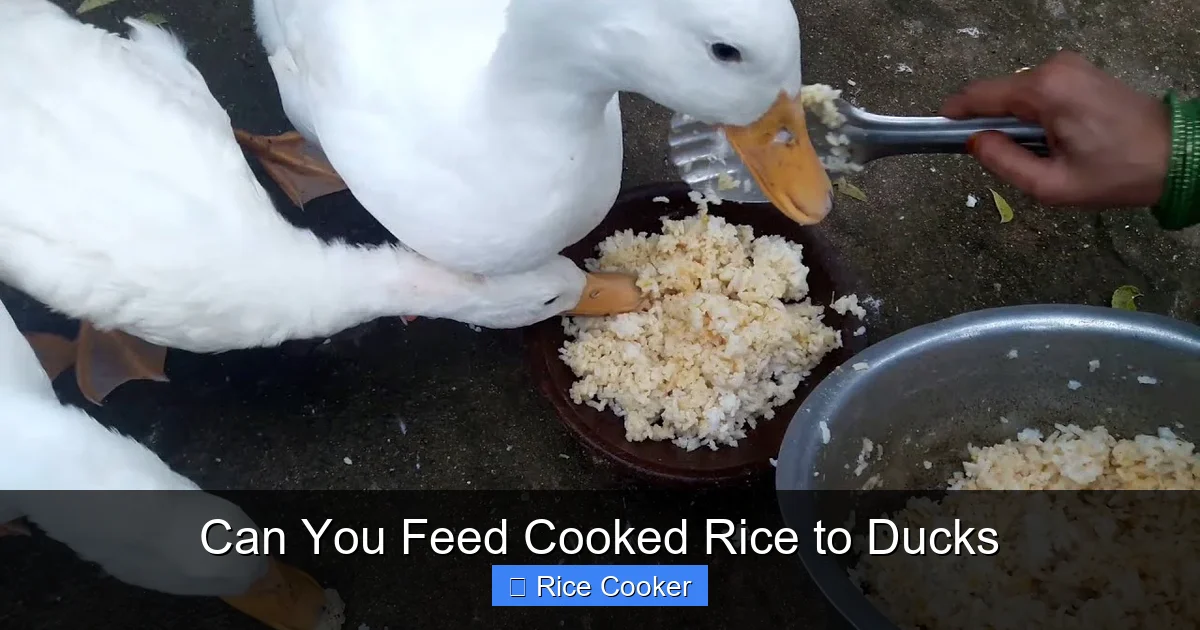
Yes, you can feed cooked rice to ducks—but only in moderation and without salt or seasoning. Rice provides carbohydrates and energy, but overfeeding can lead to malnutrition or digestive issues. Always cook plain white rice, cool it completely, and serve small portions as an occasional treat.
Key Takeaways
- Cooked rice is safe for ducks when prepared correctly: Use plain, unsalted rice that’s cooled to room temperature.
- It’s not a complete diet: Rice should only be an occasional snack, not a staple food.
- Raw rice is dangerous: Never feed raw or uncooked rice—it expands in the duck’s stomach and can cause blockages.
- Portion control matters: A few tablespoons per bird per day is plenty; excess rice can dilute nutrients from proper foods.
- Add variety for health: Mix rice with vegetables, insects, or duck pellets to ensure balanced nutrition.
- Monitor your ducks: Watch for changes in behavior or digestion after introducing new foods like rice.
- Best practice: Offer rice in shallow water so ducks can peck at it safely without choking.
📑 Table of Contents
- Can You Feed Cooked Rice to Ducks? Everything You Need to Know
- The Basics: Is Cooked Rice Safe for Ducks?
- Nutritional Value of Cooked Rice for Ducks
- How to Properly Feed Cooked Rice to Ducks
- Potential Risks and Misconceptions
- Alternatives to Rice: Better Snacks for Ducks
- When to Seek Veterinary Help
- Conclusion: Feed Smart, Enjoy Responsibly
Can You Feed Cooked Rice to Ducks? Everything You Need to Know
Imagine standing by a serene pond on a crisp spring morning, watching a flock of mallards glide across the water. One curious duckling wobbles toward you, eyes wide with hope. You reach into your pocket and pull out a handful of something soft and familiar—leftover rice from last night’s dinner. You toss it gently into the water, and the ducklings eagerly peck at it. It feels natural, almost instinctive. But is this really okay?
This scene plays out in parks, backyards, and even city ponds across the country. People often wonder: can you feed cooked rice to ducks? The short answer is yes—but with important caveats. While rice is generally safe when prepared correctly, it’s not ideal as a daily meal. Understanding how to feed ducks responsibly means knowing what they need nutritionally, how their bodies process food, and what risks lurk behind seemingly innocent snacks.
In this comprehensive guide, we’ll explore everything about feeding cooked rice to ducks—from the science behind their digestion to practical tips for doing it right. Whether you’re a backyard birdwatcher, a parent teaching kids about wildlife, or simply someone who loves feeding birds during walks, you’ll find clear, evidence-based advice here. Let’s dive in!
The Basics: Is Cooked Rice Safe for Ducks?
Understanding Duck Digestion
Ducks are omnivores with unique digestive systems designed for both plant matter and animal protein. Unlike humans, their stomachs contain specialized organs called gizzards—a muscular pouch lined with stones—that help grind up tough foods. This adaptation allows them to eat seeds, grains, worms, and even small crustaceks. So, when it comes to rice, the big question isn’t just “Is rice okay?” but rather “How does rice affect their digestive system?”

Visual guide about Can You Feed Cooked Rice to Ducks
Image source: thepoultryfeed.com
Cooked rice breaks down easily in a duck’s gut. Its starches are simple carbohydrates that provide quick energy. However, unlike whole grains, refined white rice lacks fiber, vitamins, and minerals found in more complex foods. That means while rice won’t poison a duck, relying on it exclusively could lead to nutritional gaps. Think of it like eating only bread—it fills you up but doesn’t nourish your body fully.
Why Not Raw Rice?
A common misconception is that if cooked rice is fine, then raw must be too. Nothing could be further from the truth. Never feed ducks raw or uncooked rice. When ingested dry, rice swells dramatically in the stomach due to absorption of water. For ducks, this expansion can cause bloating, discomfort, and even fatal blockages. In extreme cases, the swollen grain may rupture internal tissues—a condition known as gastric dilatation-volvulus (GDV) in livestock, though less common in waterfowl.
Even well-meaning park visitors have been warned against throwing raw rice at baby birds. While this myth originated from mistaken advice about fledglings (which actually shouldn’t be fed at all), the principle applies to adult ducks: always cook rice thoroughly before offering it.
Nutritional Value of Cooked Rice for Ducks
Macronutrients: What’s in Each Grain?
Let’s break down what’s inside that bowl of steamed rice. Per 100 grams of cooked white rice, you’re looking at approximately:
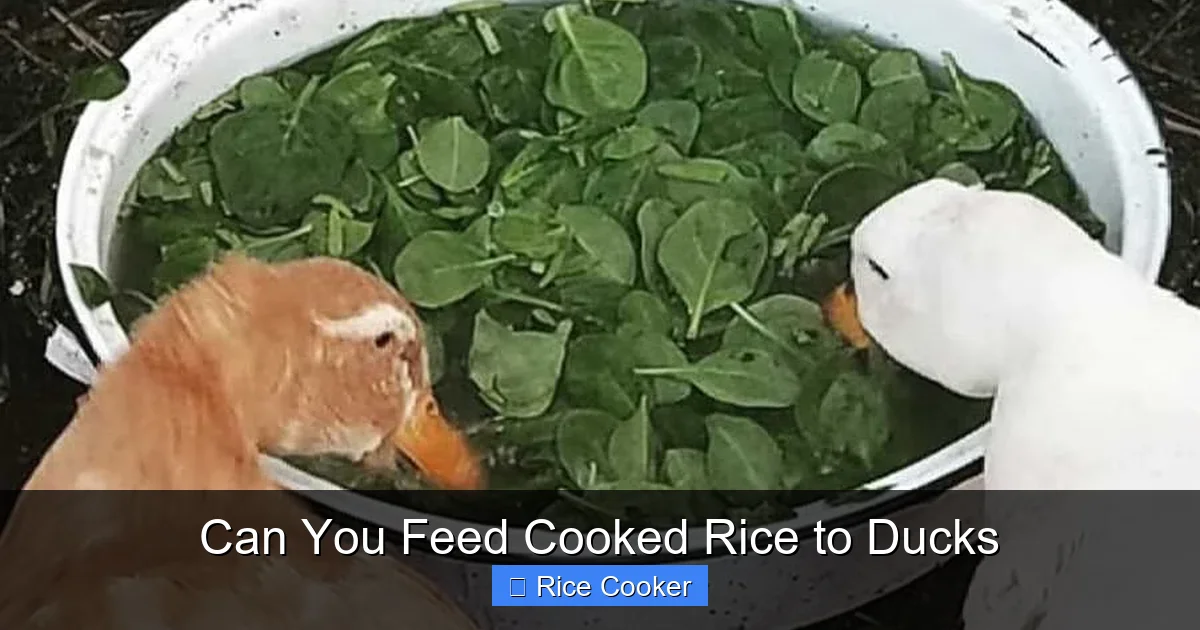
Visual guide about Can You Feed Cooked Rice to Ducks
Image source: metrocookingdallas.com
- Carbohydrates: ~28 grams
- Protein: ~2.7 grams
- Fat: Less than 1 gram
- Fiber: Negligible (mostly removed during polishing)
For ducks, these carbs translate into readily available glucose—an excellent fuel source for active birds. Protein content is low, but still present enough to support basic maintenance. Fat levels are minimal, which means no risk of obesity from overfeeding rice alone.
Vitamins and Minerals: Missing Links
Here’s where things get tricky. Cooked rice is notably deficient in several key nutrients ducks require:
- B-vitamins: Especially thiamine (B1), crucial for metabolism and nerve function.
- Calcium: Essential for bone development and egg production in females.
- Iron, magnesium, and zinc: Support immune health and cellular processes.
Since ducks naturally forage for a mix of aquatic plants, insects, snails, and seeds, their wild diet compensates for rice’s limitations. But domestic or captive ducks—or those fed primarily human leftovers—may miss out unless you supplement thoughtfully.
Energy Density vs. Nutrient Density
You might think, “More calories = healthier for busy ducks!” Not quite. Energy-dense foods like rice fill bellies quickly but don’t deliver proportional benefits. Imagine giving your dog only kibble—it’ll survive, but thrive only with added greens and proteins. Same logic applies to waterfowl.
In fact, studies suggest that excessive reliance on high-carbohydrate, low-nutrient foods can reduce overall fitness in wild birds. They become sluggish, less able to evade predators, and more prone to disease. So while rice gives a temporary energy boost, it’s not building long-term resilience.
How to Properly Feed Cooked Rice to Ducks
Preparation: Keep It Simple
Start with plain, unseasoned white rice. Avoid brown rice unless you’re certain it’s fully cooked and cooled—its higher fiber content can still pose challenges for some ducks. Rinse the rice briefly under cold water to remove excess starch, then cook until tender but not mushy. Overcooked rice loses structural integrity and may clump together, increasing choking risk.
Crucially—and this is non-negotiable—do not add salt, butter, oil, herbs, or spices. These ingredients are toxic to ducks and many other birds. Even a pinch of table salt can dehydrate them or disrupt electrolyte balance. Stick to pure, clean rice.
Serving Size and Frequency
Moderation is key. A reasonable serving size is about one tablespoon per duck, once or twice weekly. If you’re feeding a group, spread small amounts across a wide area so each bird gets a fair share. Remember: ducks don’t need rice every day. Their natural diets already include plenty of grains and plant matter.
Over time, constant access to rice can encourage dependence. Birds may start ignoring native food sources or congregating around humans, leading to overcrowding and pollution in local habitats. Responsible feeding means treating rice as a rare delicacy, not a regular menu item.
Safety Tips During Feeding
When tossing rice into water, aim for shallow areas where ducks can comfortably peck without swallowing large chunks. Larger grains can lodge in throats or crop (the pouch just before the stomach), causing distress. Crushing slightly with your fingers before release helps prevent this.
If possible, place rice near floating vegetation or alongside ducklings’ natural prey like snails or insect larvae. This mimics foraging behavior and encourages healthy eating habits. Also, avoid feeding directly from hands near edges where ducks might dart unexpectedly—accidents happen even with gentle birds!
Potential Risks and Misconceptions
Myths About Rice Feeding
Let’s address some persistent myths head-on:
- Myth: “Rice helps baby ducks grow faster.”
Reality: Baby ducks (ducklings) need protein-rich foods like insects, worms, and commercial starter feed. Rice offers little benefit and may slow growth due to poor nutrient balance. - Myth: “Brown rice is better because it’s healthier.”
Reality: Brown rice contains phytic acid, which inhibits mineral absorption. Some experts recommend soaking it overnight before cooking to reduce anti-nutrients—but even then, it’s not optimal for ducks. - Myth: “If I wash my hands after handling rice, there’s no problem.”
Reality: Cross-contamination isn’t the issue; the problem is feeding inappropriate foods in the first place. Always wash produce, not just hands, before preparing duck-safe meals.
Environmental Impact
Beyond individual health, mass feeding—especially with non-native or processed foods—affects ecosystems. Too many ducks concentrated near feeding spots can deplete local vegetation, increase fecal contamination, and attract unwanted species like raccoons or rats. Plus, leftover rice decomposes slowly in water, potentially altering pH levels and encouraging algae blooms.
Conservation groups often urge people to stop feeding wild animals altogether. While this seems harsh, the goal is protecting natural behaviors and habitats. That said, if you choose to feed rice occasionally, do so mindfully and sparingly.
Alternatives to Rice: Better Snacks for Ducks
Duck-Safe Grains and Vegetables
If you want to expand your duck’s diet beyond rice, consider these options:
- Oats: Cooked oat groats or rolled oats offer fiber and protein. Avoid instant oatmeal with additives.
- Barley or quinoa: Whole grains provide more nutrients than white rice. Rinse quinoa to remove bitterness.
- Sweet potato: Steamed and mashed, this veggie adds vitamins A and C. Cut into tiny pieces.
- Lettuce or spinach: Dark leafy greens supply calcium and antioxidants. Remove stems to prevent choking.
- Peas or corn kernels: Fresh or frozen (thawed), these are favorites among waterfowl. Skip canned versions with sodium.
Rotate these treats weekly to mimic seasonal foraging. Ducks love variety!
Commercial Duck Feed: The Gold Standard
For optimal health, especially for backyard flocks, commercial duck feed is unmatched. Look for brands labeled “for waterfowl” or “for ducklings” (if applicable). These formulas balance proteins (16–20%), fats, vitamins, and minerals tailored to ducks’ needs.
Homemade blends are possible but require careful planning. Consult avian veterinarians or extension services before attempting DIY mixes. Improper ratios can cause serious deficiencies.
When to Seek Veterinary Help
Symptoms of Dietary Distress
If your duck shows signs after eating rice or any new food, act quickly:
- Lethargy or weakness
- Swollen crop or inability to regurgitate
- Diarrhea or unusual droppings
- Puffed-up feathers or shivering
- Loss of appetite or refusal to drink
Contact a poultry or exotic animal vet immediately. Early intervention improves outcomes dramatically.
Emergency First Aid
If you suspect a blockage:
- Gently restrain the duck without stress.
- Do NOT force food down its throat.
- Offer warm water via dropper to soften obstructions (only if trained).
- Transport to clinic ASAP.
Prevention always beats cure—stick to safe, balanced feeding practices.
Conclusion: Feed Smart, Enjoy Responsibly
So, can you feed cooked rice to ducks? Absolutely—but only as part of a varied, thoughtful approach. Plain, cooled rice offers harmless calories and satisfies curiosity, but it’s far from nutritionally complete. By understanding their biology, respecting their instincts, and prioritizing safety over sentiment, we honor our feathered friends instead of harming them.
Next time you see ducks near a pond, consider skipping the rice. Instead, enjoy silent observation, document species in your journal, or plant native shoreline plants that naturally support wildlife. Your actions shape their world—one choice at a time.
Frequently Asked Questions
Is cooked rice good for ducks?
Yes, plain cooked rice is safe for ducks in moderation. It provides energy through carbohydrates but lacks essential nutrients, so it should only be an occasional treat, not a main food source.
Can ducks eat brown rice?
Brown rice is less ideal due to higher fiber and phytic acid content. If used, soak it overnight and ensure it’s fully cooked. However, white rice remains the safer, simpler option.
How much rice can I give ducks?
Aim for one tablespoon per duck, once or twice per week. Overfeeding can lead to malnutrition or behavioral dependency on humans for food.
Should I add anything to rice before feeding ducks?
No—never add salt, sugar, butter, or spices. These ingredients are harmful to ducks. Keep it plain and unsweetened.
What happens if a duck eats too much rice?
Excessive rice can displace nutrient-dense foods, causing vitamin deficiencies or digestive upset. It may also promote obesity or alter natural foraging behaviors.
Where is the best place to feed ducks rice?
Feed in shallow water away from steep banks. Scatter rice widely so multiple ducks can eat safely without competition or drowning risks.