

Can you freeze a cooked rice dish? Absolutely! Freezing is a smart way to preserve flavor, texture, and nutrients while reducing food waste. With proper storage and handling, most cooked rice dishes stay fresh and delicious for up to three months.
Key Takeaways
- Yes, you can freeze cooked rice dishes: Most rice-based meals—like fried rice, casseroles, or stir-fries—freeze well when stored properly.
- Cooling is essential: Always cool your dish completely before freezing to prevent ice crystals and bacterial growth.
- Use airtight containers: Store in freezer-safe, airtight containers or heavy-duty freezer bags to maintain quality and prevent freezer burn.
- Label and date everything: Include the contents and date on each container so you know what’s inside and how long it’s been frozen.
- Reheating matters: Thaw safely in the fridge or microwave, then heat thoroughly to avoid sogginess or food safety risks.
- Best dishes to freeze: Ideal candidates include curries, pilafs, rice salads (without mayo), and casseroles with minimal dairy.
- Freezer life varies: Rice dishes typically last 1–3 months in the freezer; beyond that, quality declines.
📑 Table of Contents
- Can You Freeze a Cooked Rice Dish?
- Why Freeze Cooked Rice Dishes?
- What Types of Cooked Rice Dishes Can Be Frozen?
- How to Properly Freeze a Cooked Rice Dish
- How Long Can You Keep Frozen Cooked Rice?
- How to Reheat Frozen Cooked Rice Dish
- Common Mistakes to Avoid
- Creative Ways to Use Frozen Rice Dishes
- Final Thoughts: Freeze Smart, Eat Better
Can You Freeze a Cooked Rice Dish?
You just spent time cooking a delicious batch of jasmine rice with vegetables, spices, and your favorite protein. Instead of eating it all now, you wonder: can you freeze a cooked rice dish? The short answer is yes—most cooked rice dishes freeze beautifully when handled correctly. Whether you’re meal prepping for the week or want to save leftovers, freezing is a practical, cost-effective way to extend your rice’s shelf life without sacrificing taste or texture.
Freezing isn’t just about convenience; it’s also a smart strategy for reducing food waste. A single pot of rice can easily serve four people, but if you cook too much, it often ends up in the compost bin. By learning how to freeze a cooked rice dish the right way, you’ll keep your meals fresh, nutritious, and ready to enjoy whenever hunger strikes. From creamy risotto to bold biryani, this guide covers everything you need to know to make freezing work for you—not against you.
Why Freeze Cooked Rice Dishes?
Before diving into the “how,” let’s talk about the “why.” Freezing cooked rice dishes offers several benefits that go beyond just saving leftovers.
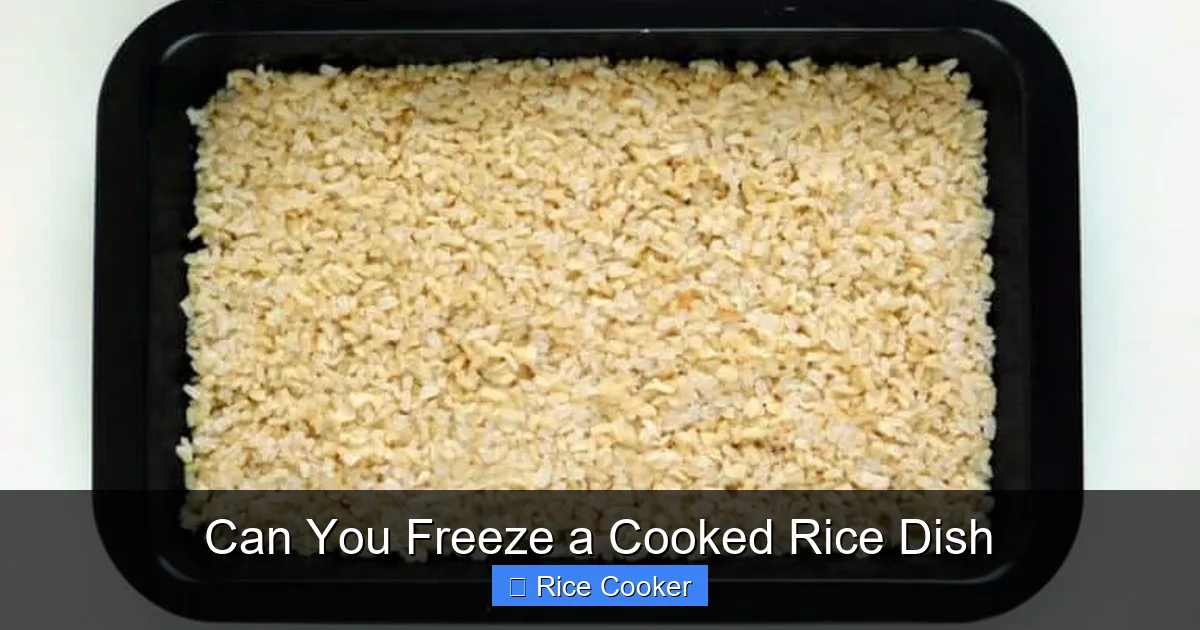
Visual guide about Can You Freeze a Cooked Rice Dish
Image source: canyoufreezethis.com
1. Reduces Food Waste
One of the biggest reasons to freeze rice dishes is to minimize waste. According to the USDA, Americans throw away nearly 30-40% of the food supply each year. Cooking a large batch of rice-based meals means you’re likely to have extras. Freezing those portions ensures they don’t go bad. For example, a pot of vegetable biryani or shrimp fried rice can be divided into individual servings and frozen, so you have a ready-made dinner in minutes later.
2. Saves Time and Money
Meal prep becomes effortless when you freeze meals ahead of time. Think about coming home after a long day and opening the freezer to pull out a portion of chicken curry over rice. With frozen portions already prepared, all you need to do is reheat. This saves precious time and reduces the temptation to order takeout. Plus, buying ingredients in bulk and freezing them as complete meals can lower grocery costs over time.
3. Preserves Flavor and Nutrients
When done properly, freezing actually helps lock in flavor and nutrients. Freshly cooked rice holds onto vitamins and minerals better than days-old room-temperature rice. Freezing slows down oxidation and microbial activity, which means your dish retains more of its original taste and nutritional value compared to sitting out on the counter.
4. Flexibility in Meal Planning
Having frozen rice dishes on hand gives you flexibility. You can plan simple dinners based on what’s available in the freezer. Want a quick lunch? Grab a portion of leftover kimchi fried rice. Need a side for a potluck? Reheat some mushroom pilaf. Freezing allows you to eat seasonally and adjust your menu based on what you’ve already made.
What Types of Cooked Rice Dishes Can Be Frozen?
Not every rice dish freezes equally well—some hold up better than others. Here’s a breakdown of what works best.
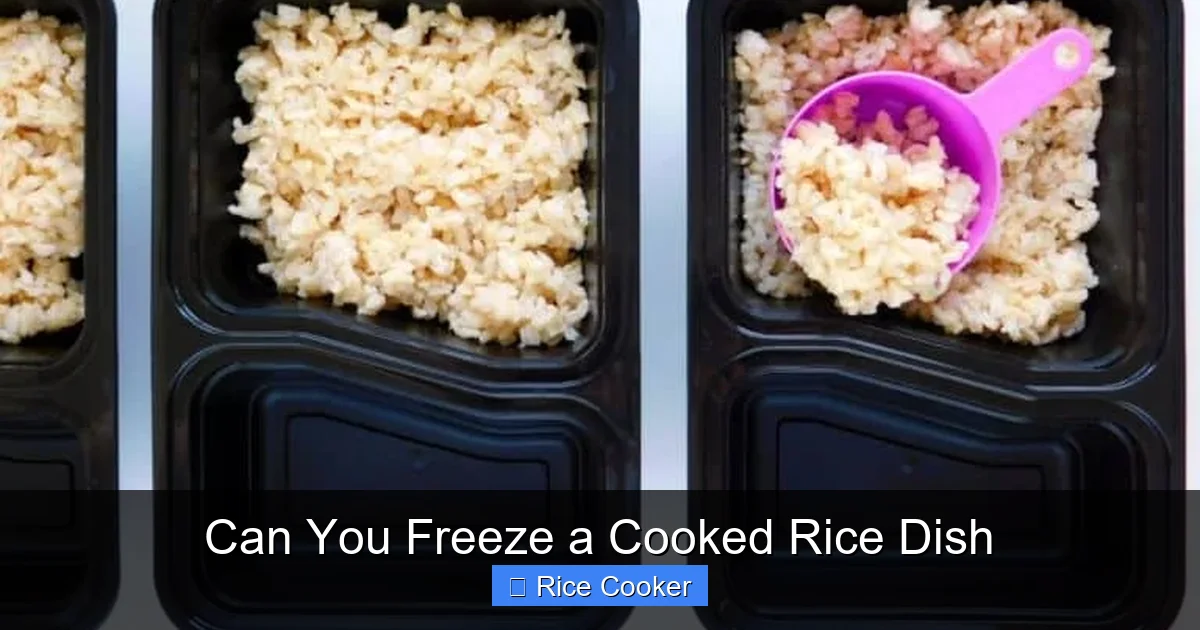
Visual guide about Can You Freeze a Cooked Rice Dish
Image source: canyoufreezethis.com
Best Rice Dishes to Freeze
- Casseroles: Dishes like rice pudding, tuna casserole, or shepherd’s pie with rice instead of potatoes freeze exceptionally well. The starch in the rice helps bind ingredients during freezing and reheating.
- Fried Rice: Classic fried rice with eggs, vegetables, and soy sauce freezes beautifully. Just be sure to cool it quickly to prevent sogginess.
- Rice Bowls and Salads: Plain rice mixed with steamed veggies, beans, or grilled chicken can be frozen, though it’s best eaten within a few weeks due to texture changes.
- Curries and Stews: Thai green curry, Indian biryani, or Mexican arroz con pollo are ideal. The sauces help maintain moisture.
- Stuffed Peppers or Cabbage Rolls: Filled with rice and meat, these freeze well and reheat evenly.
Dishes That Are Less Ideal for Freezing
- Rice Salad with Mayo: Mayonnaise-based dressings can separate or become grainy when frozen. Consider freezing plain rice and mixing in fresh ingredients later.
- Overcooked or Sticky Rice: Rice that’s too soft or clumpy may not thaw evenly. Opt for properly cooked, fluffy rice.
- Dishes with Cream or Dairy: Heavy cream or cheese-heavy dishes may split upon thawing. If freezing, use a stabilizer like cornstarch or freeze in smaller portions to minimize texture changes.
Practical Example: Freezing Chicken Fried Rice
Let’s say you’ve made a big batch of chicken fried rice using leftover rice, diced chicken, peas, carrots, and soy sauce. After cooking, let it cool for 30 minutes, then divide into four portions. Place each portion in a freezer bag, press out excess air, and seal. Label with “Chicken Fried Rice – Jan 15” and pop it in the freezer. When you’re ready to eat, thaw overnight in the fridge and reheat in a skillet with a splash of water to revive steam.
How to Properly Freeze a Cooked Rice Dish
Freezing might seem simple, but doing it wrong can lead to freezer burn, soggy textures, or even foodborne illness. Follow these steps to freeze your rice dish like a pro.
Step 1: Cool the Dish Quickly
Never put hot food directly into the freezer. Doing so raises the temperature inside the appliance, causing other foods to thaw slightly and increasing energy use. More importantly, warm food encourages bacteria growth. To cool quickly:
- Spread the rice dish thinly across a baking sheet to increase surface area.
- Place it in the refrigerator for 1–2 hours, stirring occasionally.
- Alternatively, submerge the container in an ice bath (water with ice cubes) while stirring to speed up cooling.
Aim for the dish to reach below 70°F (21°C) before transferring to the freezer.
Step 2: Portion and Package Smartly
Divide the cooled dish into manageable portions—usually 1–2 cups per serving. Use freezer-safe containers or resealable plastic bags. For liquids or saucier dishes, leave a half-inch headspace at the top to allow expansion during freezing.
Step 3: Remove Air from Bags
If using freezer bags, lay them flat and squeeze out as much air as possible before sealing. You can also use a vacuum sealer for optimal results. Air leads to freezer burn and off-flavors.
Step 4: Label and Date Everything
Use a permanent marker to write the contents and date on each container or bag. This helps you rotate stock and ensures you use older items first. For example: “Vegetable Biryani – Feb 10” or “Rice & Lentil Soup – Mar 1.”
Step 5: Store in the Freezer
Keep frozen rice dishes in the coldest part of the freezer (usually the back). Avoid placing them near frequently opened doors where temperature fluctuates. Lay flat for even freezing and easier stacking.
How Long Can You Keep Frozen Cooked Rice?
Most cooked rice dishes stay safe and flavorful in the freezer for up to three months. Beyond that, quality begins to decline—though food remains safe to eat.
Recommended Freezer Shelf Life
- Fried Rice: 2–3 months
- Rice Casseroles: 2–3 months
- Rice Curries & Stews: 3 months
- Plain Cooked Rice: 3 months (best for reheating as side dish)
- Rice Salad (without mayo): 1 month
Signs Your Frozen Rice Has Gone Bad
- Off Odor: A sour, rancid, or chemical smell indicates spoilage.
- Ice Crystals: Large crystals suggest repeated thawing and refreezing, which degrades quality.
- Texture Changes: Excessive dryness, sliminess, or grain separation are red flags.
- Color Shift: Discoloration or mold (even tiny spots) means discard immediately.
Thawing Safely
The safest way to thaw frozen rice dishes is in the refrigerator. Allow 6–8 hours for small portions or up to 24 hours for larger ones. For faster thawing, use the microwave’s defrost setting, but check frequently to avoid partial cooking. Never thaw at room temperature.
How to Reheat Frozen Cooked Rice Dish
Reheating is where many people run into trouble—rice can turn mushy or unevenly heated. Follow these tips for perfect results.
Microwave Method (Quick & Easy)
Remove the dish from packaging and place it in a microwave-safe bowl. Add a tablespoon of water or broth to reintroduce moisture. Cover with a damp paper towel or lid to trap steam. Heat in 30-second intervals, stirring between each, until warmed through (about 2–4 minutes depending on portion size).
Stovetop Method (Best for Even Heating)
Transfer the thawed rice to a saucepan. Add a splash of water or broth, cover, and simmer over low heat for 5–7 minutes, stirring occasionally. This method gives the most control over texture.
Oven Method (For Casseroles)
Preheat the oven to 350°F (175°C). Place frozen or thawed rice dish in an oven-safe dish. Cover tightly with foil and bake for 20–30 minutes, checking halfway through. Uncover toward the end to brown if desired.
Tips to Prevent Sogginess
- Don’t overheat—high heat breaks down rice grains.
- Add liquid gradually to avoid steaming.
- Stir gently to distribute heat evenly.
- Use a fork to fluff rice after reheating.
Example: Reheating Thai Basil Fried Rice
Take a portion of frozen Thai basil fried rice from the freezer. Thaw it in the fridge overnight. On the stove, heat a non-stick pan over medium heat. Add the rice and a teaspoon of oil. Stir-fry for 4–5 minutes, adding a splash of soy sauce if needed. Serve immediately with lime wedges and extra basil.
Common Mistakes to Avoid
Even experienced cooks make errors when freezing rice dishes. Watch out for these pitfalls.
Freezing Hot Food Directly
This causes temperature spikes in the freezer, risking bacterial growth and affecting other foods. Always cool first.
Using Regular Plastic Containers
Not all plastics are freezer-safe. Choose BPA-free, labeled “freezer-safe” containers or glass jars.
Skipping Labels
Without labels, you’ll forget what’s inside or how long it’s been frozen. Use waterproof markers.
Overpacking the Freezer
Leaving space for airflow helps maintain consistent temperatures. Don’t cram your freezer full.
Not Allowing Headspace
Liquid expands when frozen. Leave room in containers to prevent cracking.
Ignoring Texture After Thawing
If the rice is dry or clumpy, add a little liquid while reheating. If it’s slimy, it may be contaminated—discard.
Creative Ways to Use Frozen Rice Dishes
Once you’ve mastered freezing, the possibilities expand. Here are fun ways to repurpose your saved rice.
Meal Prep Mondays
Cook a big batch of rice-based meals on Sunday. Divide into containers, freeze, and enjoy throughout the week. Perfect for busy professionals or families.
Emergency Pantry Staples
Keep a few frozen rice dishes on hand for unexpected guests or power outages. Just thaw and reheat.
Campfire Dinners
Pack thawed rice dishes in insulated containers for hiking or camping trips. Reheat over a portable stove.
School Lunches
Send a portion of frozen rice salad or stir-fry for a hot lunch. It stays fresh longer than cold lunches.
Charity and Sharing
Donate excess rice dishes to local food banks (check guidelines). Many accept frozen items if packaged properly.
Final Thoughts: Freeze Smart, Eat Better
Freezing cooked rice dishes isn’t just possible—it’s one of the easiest ways to eat smarter, waste less, and save time. With the right techniques, you can preserve everything from humble fried rice to rich, spiced biryani. Remember: cool fast, pack tight, label clearly, and reheat gently. These small steps make a big difference.
Next time you cook rice, think ahead. Instead of wondering, “Can you freeze a cooked rice dish?” you’ll confidently say, “Yes—and here’s how!” Your future self will thank you with a warm, delicious meal straight from the freezer.
Frequently Asked Questions
Can you freeze cooked rice dishes like fried rice?
Yes, fried rice freezes very well. Just cool it quickly, portion it into airtight containers, and store in the freezer for up to 3 months. Reheat in the microwave or stovetop with a splash of water to restore moisture.
Is it safe to freeze rice that has been sitting out overnight?
No, rice left at room temperature for more than 2 hours should not be frozen or eaten. Bacteria like Bacillus cereus can grow rapidly in cooked rice exposed to warm environments. Always refrigerate or freeze rice within 2 hours of cooking.
Can you freeze rice pudding?
Yes, rice pudding freezes well for up to 2 months. Cool completely, portion into containers, and label. When reheating, add milk or cream to restore creaminess, as evaporation during freezing can reduce volume.
How do you reheat frozen fried rice without making it soggy?
Thaw rice in the microwave or fridge, then reheat in a skillet over medium-high heat with a bit of oil. Stir frequently and add a splash of water or broth if needed. Avoid covering too tightly, as excess steam makes rice soggy.
Can you freeze rice with mayonnaise in it?
It’s not recommended. Mayonnaise-based rice salads can separate or become grainy when frozen. Freeze plain rice separately and mix in fresh ingredients later to maintain texture and flavor.
How long does frozen rice last in the freezer?
Cooked rice dishes typically last 1–3 months in the freezer. While still safe beyond that, quality—including flavor, texture, and appearance—begins to decline after 3 months. For best results, use within that window.