

Flushing cooked rice down the toilet is a big mistake. Despite its soft texture, rice expands when wet, clogs pipes, and can cause serious plumbing damage. Instead, compost it or toss it in the trash—your pipes will thank you!
Key Takeaways
- Rice expands when exposed to water: Cooked rice absorbs moisture and swells, creating dense clumps that block pipes.
- It’s not biodegradable in sewer systems: Unlike raw rice, cooked rice doesn’t break down quickly in wastewater treatment plants.
- Toilets aren’t garbage disposals: Your toilet isn’t designed to handle solid food waste, even if it looks soft.
- Clogs are expensive to fix: A simple rice clog can lead to backups, overflows, and costly plumbing repairs.
- Sustainable disposal options exist: Composting or bin disposal are eco-friendly and pipe-safe choices.
- Prevent future issues: Always scrape leftovers into the trash before washing dishes or rinsing utensils.
- Educate your household: Make sure everyone knows not to flush any food, including rice, pasta, or coffee grounds.
📑 Table of Contents
- Can You Flush Cooked Rice Down the Toilet?
- Why People Think It’s Okay to Flush Rice
- What Happens When You Flush Cooked Rice?
- The Difference Between Raw and Cooked Rice
- Consequences of Flushing Cooked Rice
- Safer Alternatives for Disposing of Cooked Rice
- How to Prevent Future Rice-Related Clogs
- Common Misconceptions About Flushing Food
- When to Call a Professional
- Long-Term Benefits of Proper Disposal
- Conclusion: Think Before You Flush
Can You Flush Cooked Rice Down the Toilet?
Imagine this: you’ve just finished a delicious meal of stir-fried chicken and jasmine rice. The plate is clean, but there’s one last bite left—a small amount of cooked rice clinging to the side. Without thinking, you rinse it off with a bit of water and flush it down the toilet. Sounds harmless, right? But here’s the catch: cooked rice is not toilet-friendly.
Many people assume that because rice is soft and organic, it’s safe to flush. After all, it’s just food, and toilets are built to handle waste. But the reality is far from simple. Cooked rice behaves very differently once it enters your plumbing system. It doesn’t dissolve like toilet paper. Instead, it absorbs water, swells, and turns into a sticky, dense mass that can wreak havoc on your pipes. In this article, we’ll dive deep into why flushing cooked rice is a bad idea, what actually happens when it goes down the drain, and what you should do instead.
Why People Think It’s Okay to Flush Rice
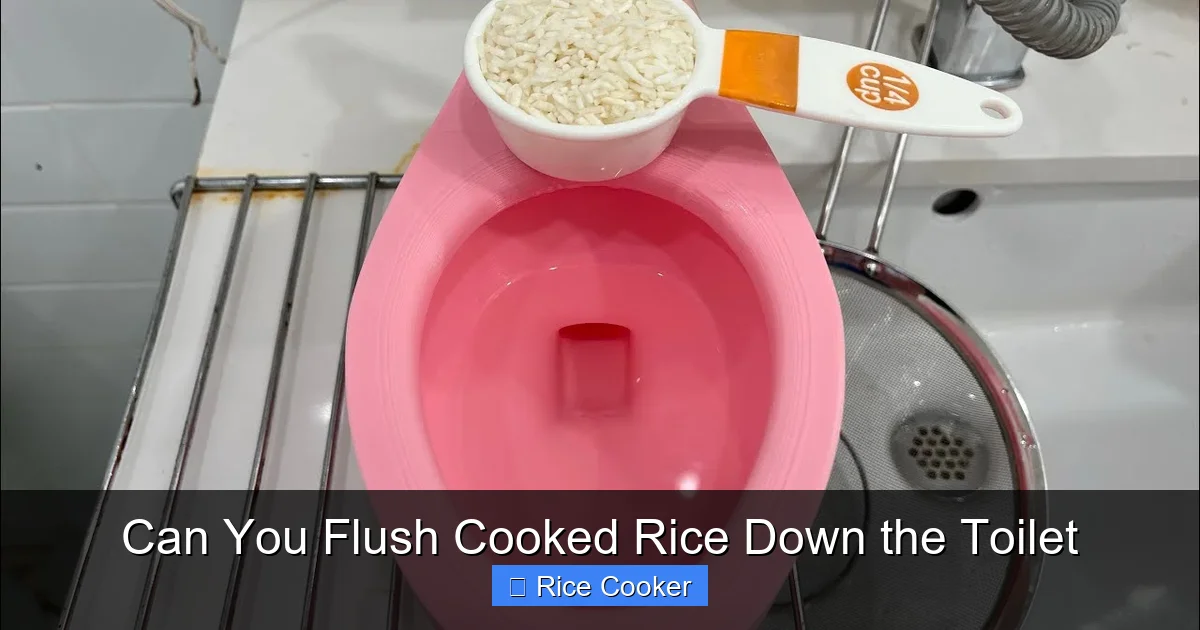
Let’s start by addressing a common myth: “Rice is natural, so it should go down the toilet.” This belief likely comes from a mix of convenience and confusion. Some people compare rice to banana peels or eggshells—both of which are sometimes flushed without issue. But rice is different. While banana peels do decompose relatively quickly, and eggshells can be crushed and dissolved, cooked rice has a unique property that makes it dangerous for plumbing.
Visual guide about Can You Flush Cooked Rice Down the Toilet
Image source: i.ytimg.com
The Myth of “Organic Equals Safe”
A major misconception is that anything organic—like food scraps—is automatically safe to flush. But organic materials vary widely in their behavior in water. For example, coffee grounds are often flushed, but they form a thick sludge that contributes to clogs. Similarly, cooked rice, despite being plant-based, doesn’t break down easily in wastewater systems. It retains its structure and can bind with other particles, forming stubborn blockages.
The Convenience Factor
Another reason people flush rice is sheer laziness. Scooping a few grains into the trash seems like extra effort. But think of it this way: wouldn’t you rather spend five seconds scraping a spoon into the bin than deal with a clogged toilet later? Prevention is always easier—and cheaper—than repair.
What Happens When You Flush Cooked Rice?
When you flush cooked rice, it travels through your home’s plumbing, heading toward the main sewer line or septic tank. But here’s where things go wrong. Cooked rice contains starch, which acts like a glue when mixed with moisture. As the rice moves through your pipes, especially in cooler temperatures, it begins to absorb water and expand. What starts as a few grains can quickly become a large, cohesive mass.
Visual guide about Can You Flush Cooked Rice Down the Toilet
Image source: householdblogger.com
Rice Swells and Clumps
Cooked rice has a high starch content. When exposed to water, the starch molecules swell and release gelatinous substances. This causes the rice to clump together, forming a sticky paste-like substance. Over time, these clumps grow larger as more particles attach to them. Eventually, they reach a size that blocks the flow of water, causing backups in your sink, shower, or toilet.
Common Areas for Blockages
Smaller pipes, like those in kitchen sinks or laundry drains, are especially vulnerable. But even your toilet—designed to handle human waste—can be overwhelmed by too much solid material. A single flush might not cause an immediate problem, but repeated flushing over days or weeks builds up residue, leading to chronic clogs.
The Difference Between Raw and Cooked Rice
You might wonder: if raw rice is just dried grains, why is cooked rice worse? The key lies in the cooking process. When rice is boiled, the heat breaks down its outer shell (the bran), releasing starches into the grain. These starches are what make rice soft and fluffy—but also what make it sticky and clingy in pipes.
Raw Rice vs. Cooked Rice in Plumbing
Raw rice is dry and brittle. If accidentally flushed, it might pass through a standard drain, especially if it’s mixed with plenty of water. But cooked rice is a different story. Once hydrated, it transforms into a semi-solid gel that adheres to pipe walls. Even a tiny amount can accumulate and grow over time, especially in slow-moving or narrow pipes.
Other Foods That Behave Like Rice
It’s not just rice. Foods like pasta, bread, oatmeal, and mashed potatoes behave similarly. They all contain starch and expand when wet. Coffee grounds, tea bags, and egg shells may seem harmless, but they too contribute to buildup. So, when in doubt, throw it out—literally.
Consequences of Flushing Cooked Rice
Flushing cooked rice might seem like a minor oversight, but the consequences can be severe. Let’s explore the real-world impacts, from minor inconveniences to major emergencies.
Minor Disruptions
In some cases, a small amount of rice might pass through without issue. However, you might notice reduced water flow, gurgling sounds from drains, or slow drainage in other fixtures. These are early warning signs of a developing clog.
Major Blockages
If enough rice accumulates, it can completely block a pipe. This leads to sewage backups, foul odors, and water overflow. In severe cases, the clog might require professional drain cleaning or even pipe replacement—costing hundreds of dollars.
Environmental Impact
Beyond your wallet, flushing rice contributes to broader environmental problems. Wastewater treatment plants aren’t equipped to handle large amounts of food waste. When rice and other organics enter the system, they increase the load on treatment processes, potentially leading to inefficiencies and overflows during heavy rainfall.
Safer Alternatives for Disposing of Cooked Rice
So, what should you do with leftover cooked rice? Fortunately, several safe and eco-friendly options exist. The key is to avoid sending it down any drain—toilet, sink, or otherwise.
Composting
If you have a backyard compost bin, cooked rice is perfect for it. Just add it in moderation, mix well, and let nature do the work. Avoid adding too much at once, as excess moisture can create odors. Turn the pile regularly to aerate it.
Trash Disposal
For most households, the simplest solution is the trash. Place leftover rice in a sealed bag or container to prevent spills and odors. Modern landfills are equipped to handle food waste safely, and your local sanitation service will dispose of it properly.
Donate Unused Rice
If you’ve cooked more rice than you can eat, consider donating it. Many food banks accept unopened, properly stored cooked rice (within a day or two). Check with local charities or shelters to see if they can use it.
Reuse or Repurpose
Got extra rice? Don’t waste it! Use it to make fried rice, rice pudding, or rice flour. Leftovers can be frozen for later meals, extending their shelf life safely.
How to Prevent Future Rice-Related Clogs
Once you know the risks, prevention becomes second nature. Here are practical tips to keep your plumbing—and peace of mind—intact.
Always Scrape Leftovers
After eating, scrape any remaining rice onto a plate or into a compost bin. Use a spoon to collect the grains, then wash it into the sink with hot water. Never rinse it directly into the toilet.
Use a Drain Strainer
Install a mesh strainer in your kitchen sink. It catches food particles before they enter the drain, reducing the chance of clogs. Rinse the strainer regularly into the trash.
Flush Only Toilet Paper and Human Waste
Remember: your toilet is not a garbage disposal. Only flush toilet paper and bodily waste. All other solids belong in the trash.
Regular Maintenance
Schedule annual plumbing inspections. Professionals can spot early signs of buildup and clear minor clogs before they become major problems.
Educate Your Household
Make sure everyone in your home understands the rules. Post a quick reminder near the kitchen and bathroom—something simple like “No rice in the toilet!” can go a long way.
Common Misconceptions About Flushing Food
There are many myths about what can and cannot be flushed. Let’s clear up a few.
Myth: “If It’s Natural, It’s Flushable”
False. Many natural items, like rice, pasta, and coffee grounds, cause clogs. “Flushable” wipes, for example, often contain plastics that don’t break down and can wrap around roots in sewer lines.
Myth: “Your Septic System Can Handle Anything”
Septic tanks rely on bacteria to break down waste. Too much food, grease, or non-biodegradable items can kill these bacteria, leading to system failure.
Myth: “One Flush Won’t Hurt”
Even a small amount of rice can accumulate over time. Repeated flushes increase the risk of clogs, especially in older homes with smaller pipes.
When to Call a Professional
If you suspect a clog caused by rice (or other food waste), don’t wait. Early intervention saves money and stress. Signs include slow drains, gurgling sounds, or sewage backing up into other fixtures.
DIY Solutions First
Try a plunger or a commercial drain cleaner. Boiling water can help dissolve light buildup. But if these fail, it’s time to call a plumber.
Professional Tools
Plumbers use specialized equipment like augers (snakes) or hydro-jetting to remove tough clogs. These methods are effective but require expertise—and cost—so prevention is still best.
Long-Term Benefits of Proper Disposal
By choosing safe disposal methods, you’re doing more than protecting your pipes. You’re also contributing to a healthier environment and a more efficient waste management system.
Reduced Repair Costs
Preventing clogs means fewer emergency calls and lower repair bills. A few minutes of mindful disposal now can save hundreds later.
Eco-Friendly Practices
Composting rice reduces landfill waste and creates nutrient-rich soil. Even trash disposal is better than flushing, which burdens water treatment facilities.
Peace of Mind
Knowing you’re making smart choices gives you confidence in your daily routines. No more wondering if that last bite of rice caused a hidden problem.
Conclusion: Think Before You Flush
Flushing cooked rice down the toilet is a habit that may seem harmless but can lead to serious plumbing issues. The science is clear: cooked rice expands, clumps, and clogs pipes faster than you’d expect. Instead of relying on your toilet to handle food waste, take a moment to dispose of rice responsibly—whether in the compost bin, the trash, or as part of a creative recipe.
Your plumbing deserves respect. By adopting simple habits like scraping leftovers and educating your household, you protect your home, save money, and support sustainable living. Next time you finish a meal, remember: when in doubt, throw it out. And if you love rice as much as I do, treat it with the care it deserves—not just in the kitchen, but in the pipes too.
Frequently Asked Questions
Is it okay to flush a little cooked rice down the toilet?
No, even a small amount of cooked rice can expand and clump in your pipes, leading to clogs over time. It’s best to dispose of it in the trash or compost.
Why does cooked rice cause clogs when raw rice doesn’t?
Cooked rice absorbs water and releases starch, forming sticky clumps. Raw rice is dry and less likely to adhere to pipes, though both are not recommended for flushing.
Can rice go down the kitchen sink drain?
No, rice should never go down any drain. Kitchen sinks lead to the same sewer system and are prone to clogs from food particles.
What happens if rice backs up into my house?
A rice clog can cause sewage to back up into sinks, showers, or toilets, creating unsanitary conditions and potential health hazards.
Are there any foods that are safe to flush?
Only human waste and toilet paper are safe to flush. Items like coffee grounds, pasta, and rice should always go in the trash.
How can I stop my family from flushing rice?
Place a friendly reminder sign near the toilet and kitchen, explain the risks simply, and model good behavior by always using the trash for food waste.