
Can you freeze and reheat cooked rice? Absolutely—and doing it right makes all the difference. Freezing cooked rice is a smart way to reduce food waste and enjoy meals faster. When stored properly and reheated thoroughly, frozen rice stays safe and tastes almost as good as fresh.
Have you ever cooked too much rice and wondered, “Can you freeze and reheat cooked rice?” The short answer is yes—but only if you do it the right way. Whether you’re meal prepping for the week, saving leftovers from a dinner party, or just want to avoid throwing away perfectly good food, freezing cooked rice is a practical and eco-friendly solution. In this guide, we’ll walk you through everything you need to know: how to freeze it safely, how long it lasts, the best ways to reheat it, and tips to keep it tasting great every time.
Cooked rice is more than just a side dish—it’s a staple in kitchens around the world. From stir-fries to fried rice, rice bowls to casseroles, its versatility is unmatched. But because it cooks so quickly and often in large batches, leftover rice can be tricky. It dries out fast on the counter, gets slimy in the fridge, and may develop off flavors if not handled properly. That’s where freezing comes in as a game-changer. With the right technique, you can preserve that fluffy, tender texture and rich flavor for weeks—or even months—down the line.
But before you toss your leftovers into the freezer, there are some important safety and quality considerations. Not all rice is created equal when it comes to freezing, and reheating it improperly can lead to dry, rubbery results or, worse, foodborne illness. So let’s dive in and explore how to freeze and reheat cooked rice like a pro—no guesswork, no stress.
Key Takeaways
- Freezing extends shelf life: Properly stored cooked rice can last up to 6 months in the freezer, making meal prep easier.
- Safe reheating is essential: Always reheat rice to an internal temperature of 165°F (74°C) to kill any potential bacteria.
- Use airtight containers: Prevent freezer burn by storing rice in freezer-safe, airtight containers or heavy-duty zip-top bags.
- Cool quickly before freezing: Spread hot rice on a baking sheet to cool rapidly, then transfer to containers—this prevents bacterial growth.
- Label and date everything: Keep track of how long rice has been frozen to ensure quality and safety.
- Reheating method matters: Steam, microwave, or pan-fry—each works well if done correctly to restore texture and flavor.
- Quality varies by type: Starchy rice like jasmine or basmati holds up better when frozen and reheated than delicate types like sushi rice.
Quick Answers to Common Questions
Can you freeze and reheat cooked rice?
Yes, you absolutely can freeze and reheat cooked rice safely. When stored properly in airtight containers and reheated to 165°F (74°C), frozen rice remains safe to eat and retains much of its original flavor and texture.
How long does frozen cooked rice last?
Properly stored cooked rice can last up to 6 months in the freezer. For best quality, use within 3–4 months. Refrigerated rice should be eaten within 3–4 days.
Is it safe to reheat rice multiple times?
While it’s technically safe to reheat rice more than once, it’s not recommended. Each reheating cycle increases the risk of drying out or developing off-flavors. It’s better to freeze in portion sizes and reheat only what you plan to eat.
Does freezing ruin rice texture?
Freezing can slightly affect texture, especially with short-grain rice, which may become softer or stickier. Long-grain rice like basmati or jasmine holds up better. Proper reheating with added moisture helps restore a fluffier consistency.
Should I add salt or seasoning before freezing?
It’s best to keep rice plain before freezing. Seasonings can intensify during freezing and reheating. Add salt, soy sauce, or herbs when reheating to control flavor and avoid over-seasoning.
📑 Table of Contents
- Why Freeze Cooked Rice?
- How Long Can You Store Frozen Cooked Rice?
- Best Practices for Freezing Cooked Rice
- How to Reheat Frozen Cooked Rice
- Common Mistakes to Avoid
- Types of Rice and Their Freezing Suitability
- Tips for Maintaining Quality
- Environmental and Economic Benefits
- Final Thoughts: Freeze and Reheat with Confidence
Why Freeze Cooked Rice?
Freezing cooked rice isn’t just about convenience—it’s about reducing waste and saving money. Imagine cooking a big pot of jasmine rice for a family dinner and having enough left over for three more meals. Instead of letting it sit in the fridge and eventually go bad, you freeze portions in small batches. This way, you can grab a portion whenever you’re in the mood for fried rice, rice bowls, or even risotto without extra cooking time.
Another benefit is meal planning flexibility. When you freeze rice in individual serving sizes, you can thaw and reheat exactly what you need—no more oversized portions or wasted food. Plus, frozen rice keeps longer than refrigerated rice, which typically lasts only 3–4 days in the fridge. By freezing, you extend its shelf life to up to 6 months, depending on the variety and storage conditions.
But beyond practicality, freezing helps maintain nutritional value. While some vitamins can degrade over time, most of rice’s nutrients remain intact when frozen properly. Just remember to store it in a way that minimizes exposure to air, moisture, and temperature fluctuations—this is key to preserving both taste and safety.
How Long Can You Store Frozen Cooked Rice?
Visual guide about Can You Freeze and Reheat Cooked Rice
Image source: diyjoy.com
When it comes to frozen cooked rice, time is your friend—if you use it wisely. Under ideal freezing conditions, cooked rice can safely stay in the freezer for up to 6 months. However, quality begins to decline after 3–4 months, with texture and flavor becoming less optimal.
Here’s a quick breakdown of how long different storage methods affect rice:
- Refrigerated rice: 3–4 days maximum. Best consumed within this window to avoid spoilage.
- Frozen rice (properly stored): Up to 6 months. Quality remains excellent for 3–4 months.
- Vacuum-sealed rice: Up to 8–12 months (due to reduced air exposure).
It’s important to note that these timeframes assume proper handling. If rice sits at room temperature for too long before freezing, or if it’s stored in containers that aren’t airtight, bacteria can grow even in the freezer—so always follow safe food practices.
Also, consider the type of rice. Short-grain varieties like sushi rice or arborio (used for risotto) tend to absorb more water and can become mushy when frozen and reheated. Long-grain rice like basmati, jasmine, or regular white rice holds its structure better and is more forgiving during the freezing process. Brown rice, while nutritious, contains more oil and can become rancid if frozen for too long—so it’s best used within 2–3 months.
Best Practices for Freezing Cooked Rice
Visual guide about Can You Freeze and Reheat Cooked Rice
Image source: diyjoy.com
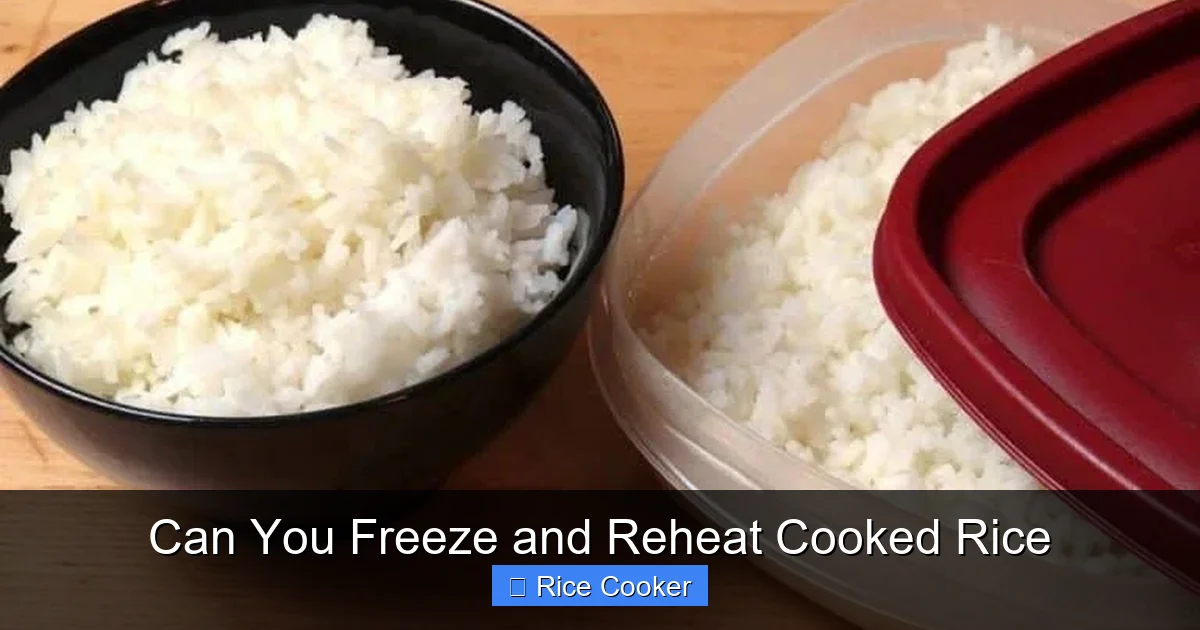
Freezing cooked rice sounds simple, but a few small steps make a big difference in safety and quality. The goal is to cool the rice quickly, minimize ice crystal formation, and prevent freezer burn. Here’s how to do it right.
Cooling Before Freezing
Never put hot rice directly into a freezer container. Doing so raises the freezer’s temperature temporarily, which can affect other foods and promote bacterial growth. Instead, spread the rice in a thin layer on a baking sheet or tray. This exposes more surface area, allowing it to cool faster. Cover loosely with plastic wrap or foil to protect it from drying out.
Once the rice reaches room temperature (this should take about 1–2 hours), break up any clumps and transfer it to airtight containers or freezer bags. Portioning it into smaller amounts makes future reheating quicker and more efficient.
Choosing the Right Containers
Not all containers are created equal. Use freezer-safe containers with tight-fitting lids, or heavy-duty zip-top plastic bags. If using bags, lay them flat so they stack neatly in the freezer and don’t take up too much space.
Leave about an inch of headspace in rigid containers—rice expands slightly when frozen. For bags, squeeze out as much air as possible before sealing. A vacuum sealer gives the best results, but even double-zipping a bag works well.
Labeling and Dating
This might seem obvious, but it’s easy to forget. Label each container or bag with the date and contents. Use a permanent marker or sticky label. This helps you track how long it’s been stored and ensures you use older portions first (FIFO—first in, first out).
Freezer Storage Tips
Keep your freezer at or below 0°F (-18°C) for consistent results. Avoid placing rice near frequently opened doors, where temperature fluctuates. Organize your freezer so similar items are grouped together, making it easier to find what you need without opening multiple containers.
How to Reheat Frozen Cooked Rice
Reheating frozen cooked rice doesn’t have to mean dry, chewy disappointment. With the right method, you can restore its original texture and flavor. The key is to reintroduce moisture and heat evenly.
Microwave Method (Quick & Easy)
The microwave is the fastest way to reheat frozen rice. Start by transferring a portion to a microwave-safe bowl. Add a tablespoon of water or broth per cup of rice—this prevents drying out. Cover the bowl with a damp paper towel or vented lid to trap steam.
Microwave on high for 1 minute, stir, then continue in 30-second intervals until heated through. Stirring helps distribute heat evenly and prevents cold spots. Check the internal temperature with a food thermometer—it should reach 165°F (74°C).
For best results, let the rice sit for 1–2 minutes after microwaving. This allows residual heat to finish warming it gently.
Stovetop Steaming (Best for Fluffiness)
If you want fluffier, more authentic-tasting rice, try the stovetop method. Place the frozen rice in a saucepan with a splash of water or broth. Cover tightly and cook over low heat, stirring occasionally. As it warms, the liquid will evaporate slowly, restoring moisture.
Alternatively, place the rice in a steamer basket over simmering water. Steam for 5–10 minutes, checking occasionally. This method mimics how rice is traditionally cooked and helps retain its texture.
Oven Reheating (For Large Batches)
Need to reheat several servings at once? The oven works well. Preheat to 350°F (175°C). Spread the frozen rice in a shallow baking dish, add a little water or broth, and cover with foil. Bake for 15–20 minutes, stirring halfway through.
Be cautious—oven-heated rice can dry out faster than microwaved or steamed rice. Keep an eye on it and add more liquid if needed.
Pan-Frying (Great for Fried Rice)
If you’re making fried rice, skip the reheating step entirely. Simply thaw the frozen rice and cook it in a skillet with oil, soy sauce, and your favorite veggies. The slight crispiness from the pan adds a delicious contrast to the soft grains.
Common Mistakes to Avoid
Even experienced home cooks make mistakes when dealing with frozen rice. Here are some common pitfalls and how to fix them.
Thawing at Room Temperature
Leaving frozen rice on the counter to thaw is unsafe. Bacteria multiply rapidly between 40°F and 140°F (4°C to 60°C). Always thaw in the refrigerator overnight, under cold running water, or in the microwave using the defrost setting.
Overfilling Containers
Packing too much rice into one container slows down freezing and increases the risk of uneven cooling. Stick to 1- to 2-cup portions for best results.
Skipping the Cooling Step
Putting hot rice straight into the freezer can damage your appliance and compromise food safety. Always cool it first.
Reheating Without Adding Moisture
Frozen rice loses moisture during storage. Skipping water or broth during reheating leads to dry, crumbly results. Always add a splash to revive it.
Using Damaged Containers
Cracked lids or torn freezer bags allow air in, leading to freezer burn. Inspect containers before use and replace any that show signs of wear.
Types of Rice and Their Freezing Suitability
Not all rice behaves the same when frozen. Some types handle the process better than others.
White Rice (Long-Grain)
Varieties like basmati and jasmine are excellent for freezing. They hold their shape well and regain a light, fluffy texture when reheated. Ideal for stir-fries, rice bowls, and pilafs.
Short-Grain Rice
Sushi rice and arborio rice absorb more water and become stickier when frozen. While they can still be used, they may turn mushy. Best reserved for dishes where texture isn’t critical, like rice pudding or casseroles.
Brown Rice
Nutrient-rich but higher in oil, brown rice can become rancid when frozen for too long. Use within 2–3 months and store in the coldest part of the freezer. Reheat carefully to avoid bitterness.
Pregrained or Instant Rice
These are already partially cooked and often contain additives. While they freeze okay, they may lose their quick-cook appeal. Still usable, but not ideal for gourmet preparations.
Wild Rice and Mixed Varieties
These are trickier due to their varied textures and cooking times. Proceed with caution and test a small batch first.
Tips for Maintaining Quality
Want your frozen rice to taste as good as the day you made it? Follow these expert tips.
- Portion control: Freeze in single-serving sizes for easier reheating and less waste.
- Use fresh ingredients: Rice made with clean, fresh water and minimal seasonings freezes better.
- Avoid adding dairy: Cream, milk, or cheese can separate or spoil when frozen and reheated.
- Season lightly: Salt and spices can intensify during freezing. Add them back when reheating if needed.
- Rotate stock: Use older rice first to maintain freshness and quality.
Environmental and Economic Benefits
Beyond personal convenience, freezing cooked rice has broader benefits. Food waste costs the average household hundreds of dollars a year. By freezing leftovers, you significantly reduce this expense. It also lowers your carbon footprint—less food thrown away means fewer resources used in production, transport, and disposal.
Meal prepping with frozen rice supports sustainable living. Instead of ordering takeout or buying pre-made meals (which often come in single-use packaging), you prepare healthy, homemade dishes ahead of time. This saves money, time, and the planet.
Plus, frozen rice allows you to buy in bulk—a win for both budget and flavor. Buying rice in larger quantities is often cheaper per pound, and freezing lets you enjoy it over time without sacrificing quality.
Final Thoughts: Freeze and Reheat with Confidence
So, can you freeze and reheat cooked rice? Yes—absolutely. With the right techniques, you can enjoy safe, delicious rice anytime, even months after you’ve prepared it. The key lies in proper cooling, airtight storage, and thoughtful reheating. Avoid common mistakes, choose the right rice type, and always prioritize food safety.
Whether you’re meal prepping for busy weekdays, hosting guests, or simply want to reduce waste, freezing cooked rice is a smart, practical choice. It’s a small habit that makes a big difference in kitchen efficiency, food safety, and sustainability.
Next time you cook a big batch, remember: don’t let it go to waste. Freeze it, label it, and enjoy it later—flavorfully and safely. Your future self will thank you.
Frequently Asked Questions
Can you freeze cooked rice in plastic containers?
Yes, but only if they are freezer-safe and airtight. Regular plastic containers may warp or leach chemicals when exposed to freezing temperatures. Always check the label and use containers rated for freezer use.
Do I need to drain rice before freezing?
If you’re freezing plain boiled rice, it’s fine to freeze it as-is. However, if the rice was cooked with broth, sauces, or oils, draining excess liquid can help prevent clumping and improve texture when reheated.
Can you freeze rice immediately after cooking?
No, never freeze hot rice directly. Always let it cool to room temperature first. Hot rice raises the freezer temperature and promotes bacterial growth, compromising safety.
How do I prevent freezer burn on frozen rice?
Use airtight containers or heavy-duty freezer bags, remove as much air as possible, and avoid leaving large air pockets. Double-bagging or vacuum sealing offers the best protection against freezer burn.
Can I freeze rice with eggs or meat in it?
Yes, but only if the dish was fully cooled before freezing. Dishes like fried rice or rice salads with eggs, vegetables, or proteins can be frozen safely. Just ensure all components are well combined and stored in airtight containers.
What’s the best way to thaw frozen rice?
The safest method is to thaw rice in the refrigerator overnight. For quicker results, use the microwave’s defrost setting or place the sealed container under cold running water. Never thaw at room temperature.