
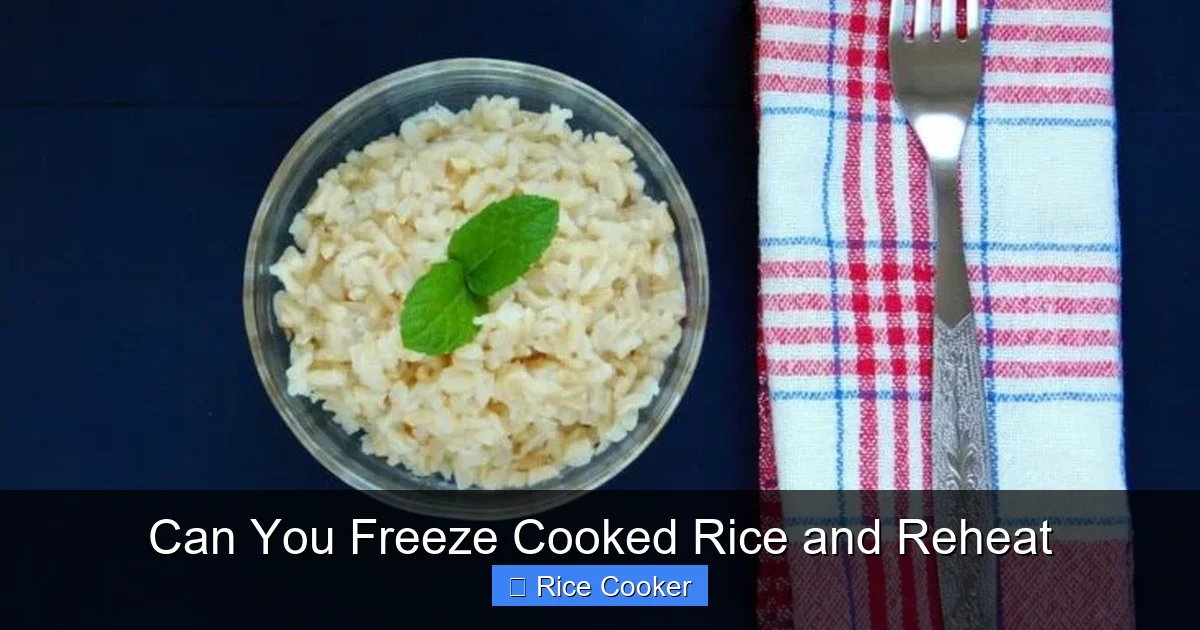
Freezing cooked rice is not only safe—it’s a smart way to reduce food waste and save time. When stored properly, rice keeps its texture and flavor for weeks in the freezer. Reheating frozen rice brings it back to delicious, fluffy perfection with minimal effort.
Key Takeaways
- Freezing cooked rice preserves nutrients and extends shelf life: Properly stored rice can last up to 3 months in the freezer without losing quality.
- Cooling before freezing prevents bacterial growth: Always cool rice quickly to room temperature (within 1-2 hours) before placing it in the freezer.
- Portion control makes reheating easier: Divide large batches into smaller containers or freezer bags for convenient single servings.
- Reheat safely using steam methods: Microwaving with a damp paper towel or steaming over boiling water restores moisture and prevents dryness.
- Label and date your containers: Avoid confusion by writing the contents and date on each container or bag.
- Avoid refreezing thawed rice: Once thawed, rice should be eaten within 1–2 days and never refrozen to ensure food safety.
Quick Answers to Common Questions
Can you freeze cooked rice right after cooking?
No—you must cool it first. Freezing hot rice can raise the internal temperature and encourage bacterial growth. Cool rice to room temperature within 1–2 hours before freezing.
How do you reheat frozen rice without it getting mushy?
Add moisture during reheating. Use a damp paper towel in the microwave, steam over boiling water, or add a splash of broth. Covering traps steam, keeping rice fluffy.
Is it safe to eat rice that’s been frozen and reheated multiple times?
Yes, as long as it’s handled properly each time. However, frequent freeze-thaw cycles can affect texture. Best to use within one freeze-thaw cycle for optimal results.
Can you freeze rice in aluminum foil?
Not recommended. Aluminum can react with acidic foods and isn’t ideal for long-term freezer storage. Use glass, BPA-free plastic, or heavy-duty freezer bags instead.
Does freezing change the taste of rice?
Minimal change if stored properly. Some people notice a slight shift in texture—especially with brown rice—but flavor remains largely intact. Adding a bit of oil or butter during reheating helps restore richness.
📑 Table of Contents
- Can You Freeze Cooked Rice and Reheat It? Yes—Here’s How!
- Why Freeze Cooked Rice?
- How to Freeze Cooked Rice Safely
- How Long Can You Freeze Cooked Rice?
- Best Ways to Reheat Frozen Cooked Rice
- Tips for Perfect Reheated Rice Every Time
- Common Mistakes to Avoid When Freezing Rice
- Freezing Different Types of Cooked Rice
- Creative Uses for Frozen Cooked Rice
- Food Safety Reminders
- Conclusion: Freeze, Save, Enjoy
Can You Freeze Cooked Rice and Reheat It? Yes—Here’s How!
If you’re like most home cooks, you’ve probably found yourself staring at a pot of leftover rice after dinner—wondering what to do with it. Do you toss it? Eat it cold the next day? Or maybe you’re asking yourself: Can you freeze cooked rice and reheat it? The short answer is yes—and doing so is not just possible, but practical and delicious too!
Freezing cooked rice is a time-saving hack that helps reduce food waste, ensures you always have a quick side dish ready, and keeps your meals nutritious. Whether you made too much jambalaya, stir-fry, fried rice, or plain steamed rice, knowing how to freeze and reheat it properly makes all the difference. In this complete guide, we’ll walk you through everything you need to know—from storage tips to reheating hacks—so your frozen rice always comes out fresh, fluffy, and full of flavor.
Why Freeze Cooked Rice?
Many people avoid freezing rice because they worry about texture loss, staleness, or even food safety risks. But when done correctly, freezing actually preserves rice better than leaving it at room temperature. Here’s why it’s worth doing:
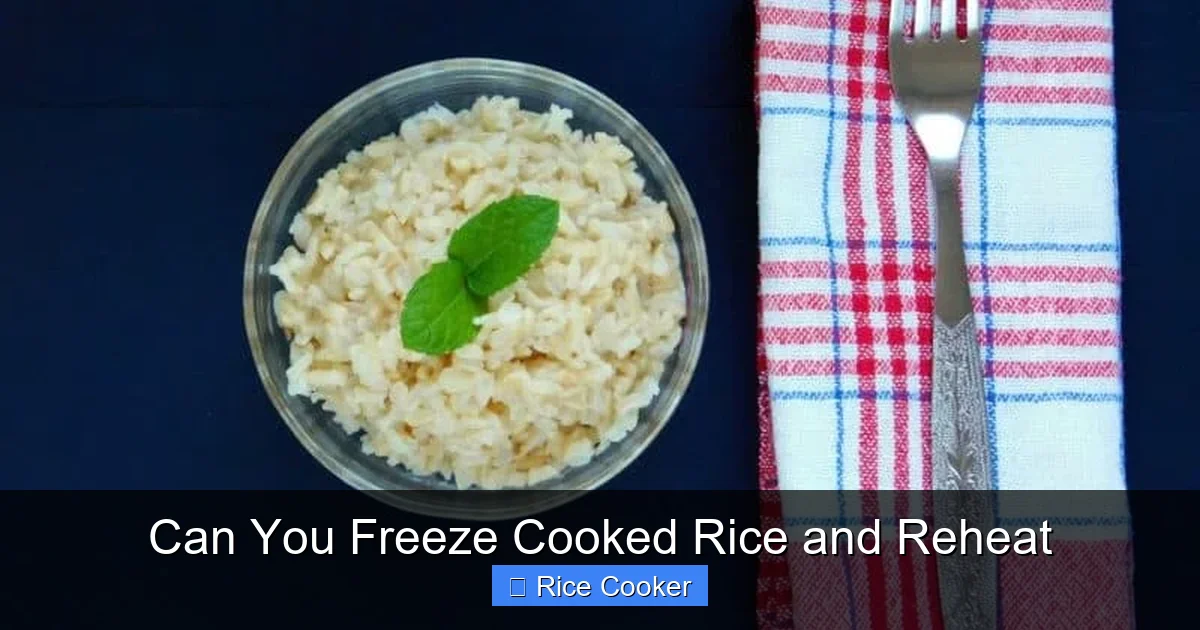
Visual guide about Can You Freeze Cooked Rice and Reheat
Image source: canyoufreezethis.com
- Prevents spoilage: Rice left out overnight can develop harmful bacteria like Bacillus cereus, which causes food poisoning. Freezing halts this risk.
- Saves money: Buying rice in bulk or making large batches reduces waste and cuts grocery costs.
- Makes meal prep easier: Cook once, freeze multiple portions—perfect for busy weekdays.
- Maintains nutritional value: Rice retains most of its vitamins and minerals when frozen properly.
So whether you’re planning ahead or dealing with leftovers, freezing cooked rice is a simple, smart move. Let’s dive into the step-by-step process.
How to Freeze Cooked Rice Safely
The key to successful frozen rice lies in proper preparation and storage. Follow these steps to keep your rice safe, fresh, and ready to reheat whenever needed.
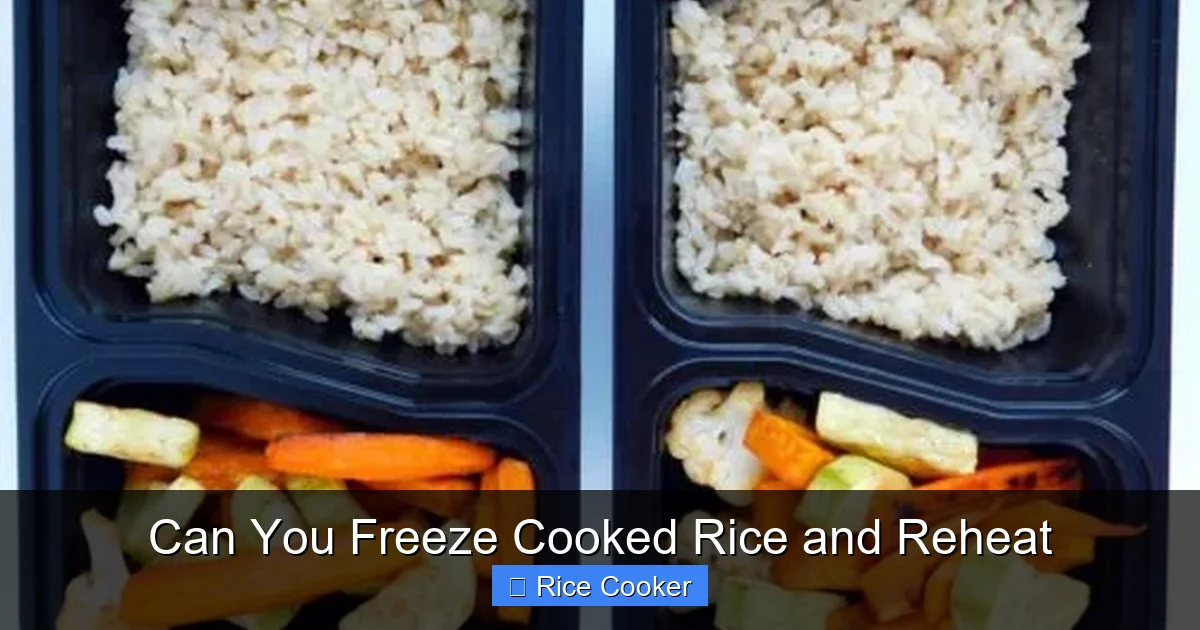
Visual guide about Can You Freeze Cooked Rice and Reheat
Image source: canyoufreezethis.com
Step 1: Cool the Rice Quickly
After cooking, don’t let rice sit at room temperature for more than 1–2 hours. Bacteria thrive between 40°F and 140°F (the “danger zone”), so rapid cooling is essential. Here’s how to do it fast:
- Pour hot rice into shallow containers or spread it thinly on a baking sheet.
- Place the containers in an ice bath or refrigerate immediately.
- Stir occasionally during cooling to release heat evenly.
This step prevents bacterial growth and helps the rice freeze uniformly.
Step 2: Portion Into Freezable Containers
Once cooled, divide the rice into manageable portions. This makes future reheating quicker and avoids unnecessary thawing and refreezing. Use:
- Freezer-safe plastic containers with tight lids
- Heavy-duty freezer bags (remove as much air as possible)
- Silicone ice cube trays for mini portions (great for soups or sauces)
Pro tip: Leave a little headspace in containers since liquids expand when frozen—even though rice isn’t wet, moisture from steam can cause pressure buildup.
Step 3: Label and Date Everything
It’s easy to forget what’s inside your freezer drawer. Write the contents and date on each container or bag. Frozen rice lasts up to 3 months, but best quality is usually within the first month.
Step 4: Store Flat in the Freezer
If using freezer bags, lay them flat so they stack neatly and thaw faster. Avoid overcrowding your freezer to maintain consistent temperatures.
How Long Can You Freeze Cooked Rice?
According to food safety experts, cooked rice can be safely stored in the freezer for up to 3 months. While it won’t spoil immediately after that, flavor and texture may begin to degrade. For optimal results, use within the first month.
Always check for signs of freezer burn—dry spots, discoloration, or off odors—before reheating. If the rice smells unusual or has ice crystals throughout, it’s best to discard it.
Best Ways to Reheat Frozen Cooked Rice
Reheating frozen rice doesn’t have to mean soggy, mushy leftovers. With the right technique, you can restore it to near-original perfection. Here are the top methods:
Method 1: Microwave with Moisture
This is the fastest and most common method. Follow these steps:
- Thaw rice in the fridge overnight or defrost in the microwave on low power (30% for 1–2 minutes).
- Transfer to a microwave-safe bowl.
- Add a splash of water or broth (1–2 tablespoons per cup of rice).
- Cover with a damp paper towel or vented lid to trap steam.
- Microwave on high for 1–2 minutes, stir, then repeat until heated through.
The paper towel creates steam, preventing dryness. Stirring redistributes heat evenly.
Method 2: Steam Over Boiling Water
This method mimics how rice was originally cooked and works great for larger quantities:
- Place a steamer basket over a pot of boiling water.
- Add frozen rice directly into the basket (no need to thaw).
- Cover and steam for 8–10 minutes, stirring halfway.
- Check internal temperature—it should reach 165°F.
This gentle heat revives texture beautifully and adds subtle flavor from the steam.
Method 3: Oven or Stovetop Revival
For restaurant-quality results, try this:
- Oven: Preheat to 350°F. Spread rice on a parchment-lined baking sheet, drizzle with water, cover tightly with foil, and bake for 15–20 minutes.
- Stovetop: Heat a non-stick pan over medium. Add rice and 1–2 tbsp liquid. Cover and simmer, stirring occasionally, until warm.
These methods work well when you’re preparing rice for dishes like fried rice or casseroles.
Tips for Perfect Reheated Rice Every Time
Even with the best techniques, a few small details make a big difference. Keep these tips in mind:
- Don’t overcook during reheating: Rice continues to cook slightly after microwaving. Stop when it feels tender but not mushy.
- Fluff with a fork: After reheating, gently fluff with a fork to separate grains and restore lightness.
- Add fat if needed: A pat of butter or splash of oil can revive stale or dry textures.
- Use in recipes: Reheated rice shines in fried rice, rice pudding, or grain bowls—don’t feel limited to just reheating plain.
Common Mistakes to Avoid When Freezing Rice
Despite being a simple process, several mistakes can ruin your rice—both in taste and safety. Watch out for these pitfalls:
- Freezing hot rice directly: This traps steam and raises internal temperature, promoting bacterial growth. Always cool first.
- Not labeling containers: You’ll end up guessing what’s inside—or worse, eating old rice.
- Refreezing thawed rice: Never refreeze unless it’s been cooked again. Raw thawed rice can harbor bacteria.
- Using weak packaging: Thin plastic bags may split. Invest in sturdy freezer containers or bags.
- Skipping portion control: Large blocks take forever to thaw and often end up undercooked inside and overdone outside.
Freezing Different Types of Cooked Rice
Not all rice is created equal when it comes to freezing. Some varieties hold up better than others.
White Rice
Best for freezing. Its starch structure remains stable, and it reheats well into soft, plump grains. Ideal for everyday meals.
Brown Rice
Can be frozen, but tends to become slightly chewier upon reheating due to higher fiber content. Still perfectly edible—just adjust liquid when reheating.
Sushi Rice & Sticky Varieties
These can be trickier. Sushi rice may lose stickiness, but it’s still usable in rolls or salads. Japanese-style short-grain rice freezes okay if consumed quickly.
Fried Rice & Flavored Rice
Yes! Flavorful rice like garlic fried rice or curry rice freezes excellently. Just remember that oils may separate—stir well after thawing.
Creative Uses for Frozen Cooked Rice
Don’t limit yourself to just reheating plain rice. Frozen rice opens up endless possibilities:
- Breakfast burritos: Scramble eggs, add cheese, wrap with rice, and toast.
- Rice porridge: Simmer thawed rice with milk, cinnamon, and fruit for a warm breakfast.
- Breadcrumbs: Pulse stale rice in a food processor to make homemade breadcrumbs.
- Energy bites: Mix rice with oats, peanut butter, and honey for no-bake snacks.
- Comfort soups: Drop frozen rice cubes into broths for instant thickness and heartiness.
Food Safety Reminders
While freezing kills most bacteria, it doesn’t eliminate existing ones. That’s why proper handling matters:
- Never leave rice at room temperature longer than 2 hours.
- Discard rice that’s been sitting out for more than 4 hours (in hot environments, cut to 1 hour).
- When in doubt, throw it out—better safe than sorry.
Remember: freezing is not sterilization. Cooked rice already contains spores; freezing just pauses their activity until thawing.
Conclusion: Freeze, Save, Enjoy
So, can you freeze cooked rice and reheat it? Absolutely—and now you know exactly how to do it right. From cooling quickly to choosing the best reheating method, every step plays a role in preserving quality and safety. By following these guidelines, you’ll turn potential kitchen waste into convenient, tasty meals all week long.
Whether you’re meal prepping for the week, saving dinner leftovers, or stocking up during sales, freezing cooked rice is a game-changer. It’s simple, cost-effective, and surprisingly versatile. Next time you cook a big batch, don’t hesitate—freeze it!
Your future self (and your taste buds) will thank you.
Frequently Asked Questions
How long does cooked rice last in the freezer?
Cooked rice can safely stay in the freezer for up to 3 months. For best quality, consume within the first month. Always check for freezer burn or unusual odors before using.
Should I rinse rice before freezing?
No. Rinsing removes surface starch that helps bind grains together. Since you’ll be reheating it anyway, rinsing offers no benefit and wastes water.
Can I freeze rice in plastic bags?
Yes, but only if they’re thick, leak-proof, and designed for freezer use. Squeeze out excess air to prevent freezer burn and ensure even thawing.
Will frozen rice grow bacteria?
Freezing stops bacterial growth but doesn’t kill existing bacteria. That’s why proper cooling before freezing is critical. Once thawed, treat rice as fresh and cook thoroughly.
Can I freeze rice in the same container I cooked it in?
Only if it’s freezer-safe. Metal pots aren’t suitable. Transfer to appropriate containers or bags to avoid contamination and ensure safe storage.
What’s the best way to thaw frozen rice?
Thaw in the refrigerator overnight for best results. If short on time, use the microwave’s defrost setting in 30-second intervals, stirring between bursts.