

Can you freeze brown rice after cooking? Absolutely—and it’s a smart way to save time and reduce food waste. When stored properly, cooked brown rice keeps well in the freezer for up to 6 months. Just portion it, cool it quickly, and store it in airtight containers or freezer bags to maintain quality and flavor.
Key Takeaways
- Yes, it’s safe: Cooked brown rice can be safely frozen for up to 6 months without losing significant nutrition or taste.
- Cooling is key: Always cool rice rapidly within 2 hours of cooking to prevent bacterial growth and ice crystal formation.
- Portion wisely: Divide into small, meal-sized portions before freezing to avoid repeated thawing and refreezing.
- Use airtight containers: Store in freezer-safe bags or glass containers with tight lids to prevent freezer burn.
- Label and date: Always label your containers with the date so you know when it was frozen.
- Reheat thoroughly: Thaw overnight in the fridge or microwave, then heat until steaming hot throughout.
- Best for meals: Freeze brown rice in batches to save time on weekly meal prep, ideal for stir-fries, bowls, or salads.
📑 Table of Contents
- Can You Freeze Brown Rice After Cooking? The Definitive Guide
- Why Freeze Cooked Brown Rice?
- How Long Can You Keep Frozen Brown Rice?
- Step-by-Step: How to Properly Freeze Cooked Brown Rice
- Best Containers for Freezing Brown Rice
- Thawing and Reheating Frozen Brown Rice
- Common Mistakes to Avoid When Freezing Brown Rice
- Cooking with Frozen Brown Rice
- Does Freezing Affect Nutrition?
- Comparing Brown Rice to White Rice in Freezing
- Environmental and Cost Benefits
- Final Thoughts: Should You Freeze Your Cooked Brown Rice?
Can You Freeze Brown Rice After Cooking? The Definitive Guide
Have you ever found yourself staring at a pot of perfectly cooked brown rice, wondering what to do with the leftovers? Maybe you’re meal prepping for the week, or perhaps you just don’t want to waste that nutritious grain. The good news? Yes, you absolutely can freeze brown rice after cooking—and doing so is not only safe but also incredibly practical. Whether you’re using a rice cooker, stovetop, or Instant Pot, freezing cooked brown rice is a game-changer for busy families, healthy eaters, and anyone who wants to cut down on kitchen cleanup.
Brown rice is packed with fiber, vitamins, and minerals, making it a staple in many health-conscious diets. But like any perishable food, it has a limited shelf life at room temperature—usually no more than a few days. Freezing extends its usability dramatically, allowing you to enjoy homemade meals all week long without sacrificing flavor or texture. In this comprehensive guide, we’ll walk you through everything you need to know about freezing brown rice: from proper cooling techniques to storage methods, reheating tips, and even creative ways to use frozen rice in your favorite dishes.
Why Freeze Cooked Brown Rice?
You might be wondering: “Do I really need to freeze my brown rice?” Let’s break down the benefits. First and foremost, freezing helps reduce food waste. According to the USDA, millions of pounds of food are thrown away each year due to spoilage—much of it preventable with simple storage tricks like freezing. By portioning and freezing your cooked rice, you ensure that nothing goes bad.
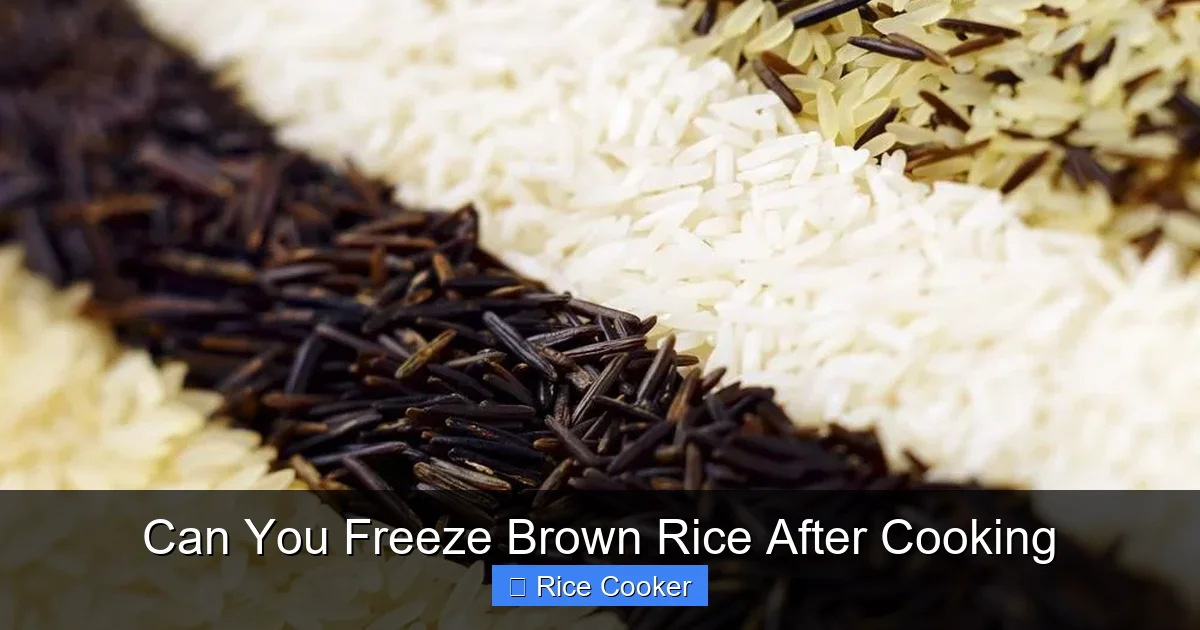
Visual guide about Can You Freeze Brown Rice After Cooking
Image source: freezeit.net
Another major advantage is convenience and time savings. Imagine having pre-cooked, ready-to-use brown rice on hand for quick stir-fries, grain bowls, or even fried rice. No need to cook from scratch every time! This is especially helpful during hectic mornings when you just want to grab something nutritious and fast. Plus, frozen brown rice retains most of its nutrients better than some other grains when stored correctly, so you’re not just saving time—you’re preserving health.
The Science Behind Freezing Grains
When we talk about freezing food, we’re essentially putting it in a state of suspended animation. Cold temperatures slow down or stop the activity of microorganisms (like bacteria) that cause spoilage. For cooked rice, this means you can safely store it for weeks—even months—without worrying about mold or contamination.
However, not all freezing methods are equal. Rapid cooling is crucial because it prevents the formation of large ice crystals that can damage cell walls and make rice mushy upon thawing. That’s why spreading hot rice across a baking sheet or using an ice bath helps distribute cold evenly and speeds up the process. We’ll cover these techniques in detail later.
How Long Can You Keep Frozen Brown Rice?
This is one of the most common questions: “How long does brown rice last in the freezer?” The short answer? Up to 6 months. While some sources suggest shorter periods (like 3–4 months), studies show that properly stored brown rice remains safe and edible beyond six months—though quality may slowly decline.
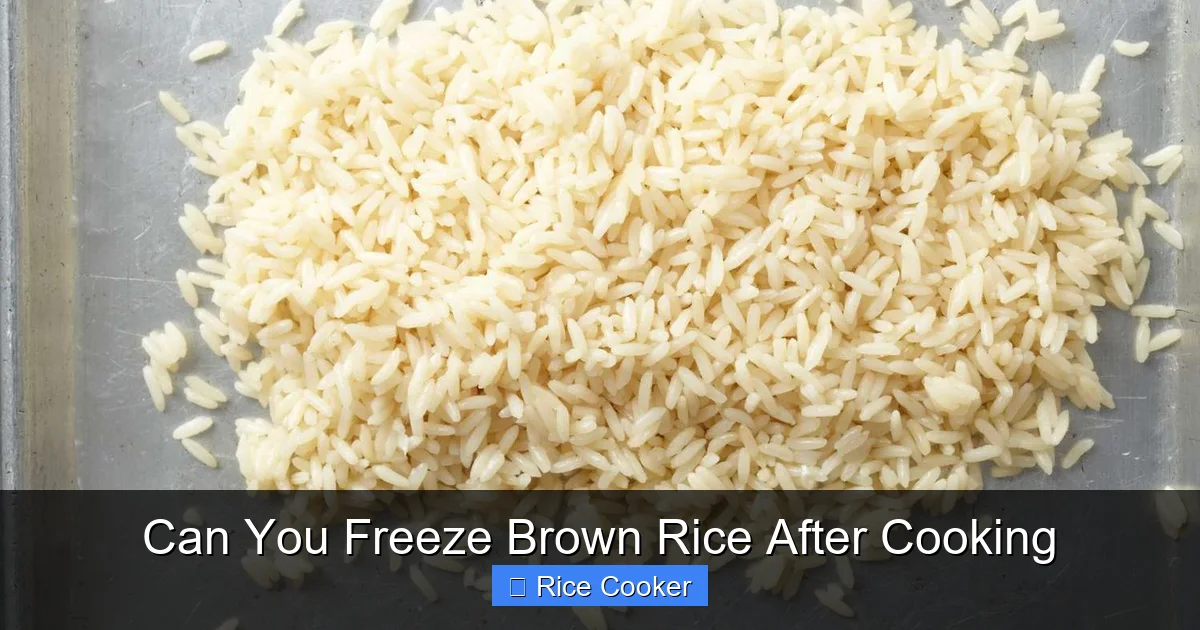
Visual guide about Can You Freeze Brown Rice After Cooking
Image source: allrecipes.com
After six months, the risk of freezer burn increases, which affects texture and flavor. You might notice dry spots or off-odors, though the rice will still be technically safe to eat if reheated thoroughly. To maximize freshness, try to use your frozen rice within four to five months for the best results.
Signs Your Frozen Brown Rice Is Still Good
Even if your rice has been in the freezer for over six months, there are telltale signs it’s still okay to consume:
- No unusual odors: Freshly frozen rice should smell neutral or slightly nutty. If it smells sour, rancid, or ammonia-like, discard it.
- Ice crystals are normal: Some frost buildup is expected, but excessive crystallization could indicate temperature fluctuations.
- Texture isn’t rock-hard: If the rice feels like a solid block instead of individual grains, it may have absorbed too much moisture.
If you’re unsure, it’s always better to err on the side of caution and throw it out. Better safe than sorry!
Step-by-Step: How to Properly Freeze Cooked Brown Rice
Freezing brown rice isn’t rocket science—but doing it right makes a big difference. Follow these steps to preserve texture, flavor, and safety:
1. Cool It Quickly
As soon as your rice is done cooking, transfer it from the pot to a shallow container or spread it out on a baking sheet lined with parchment paper. This exposes more surface area to cold air, helping it cool faster. Alternatively, place the pot in an ice bath (submerge in cold water with ice cubes) and stir occasionally. The goal is to get the internal temperature below 40°F (4°C) within two hours—the USDA’s recommended window to prevent bacterial growth.
2. Portion Into Meal-Sized Batches
Divide the cooled rice into portions that match your typical serving size—say, one cup per bag. This prevents you from defrosting more than you need, which can lead to waste. Use silicone freezer-safe bags or rigid plastic containers with airtight seals.
3. Remove Excess Air
If using freezer bags, squeeze out as much air as possible before sealing. Oxygen promotes freezer burn, so minimizing exposure is key. For containers, make sure lids fit snugly.
4. Label and Date Everything
Write the contents and date on each container using a permanent marker or adhesive labels. Trust us—you’ll thank yourself later when you’re looking through a crowded freezer.
5. Freeze Flat (If Using Bags)
Place bags flat in the freezer so they lie flat and take up less space. This also helps them thaw faster later. Stack them neatly to maximize freezer efficiency.
Best Containers for Freezing Brown Rice
Not all storage options are created equal. Here’s a breakdown of the top choices:
Freezer-Safe Plastic Bags
These are affordable and stackable, making them ideal for bulk storage. Look for thick, BPA-free bags labeled “freezer safe.” Lay them flat to save space and ensure even freezing.
Rigid Plastic or Glass Containers
Great for repeated use and easy pouring. Ensure they have tight-fitting lids. Glass is reusable and doesn’t absorb odors, but it’s heavier and more fragile than plastic.
Silicone Freezer Trays
Some brands offer flexible trays designed specifically for freezing small portions. These pop out individual servings easily—perfect for kids’ lunches or single portions.
Avoid wrapping rice in regular wax paper or aluminum foil alone, as these materials aren’t durable enough for long-term freezer storage and can tear easily.
Thawing and Reheating Frozen Brown Rice
One of the best parts about freezing brown rice is how easy it is to revive. There are two main methods:
Method 1: Refrigerator Thawing (Recommended)
Move the container from the freezer to the fridge and let it thaw overnight (about 8–12 hours). This gradual process preserves texture better than microwave thawing. Once thawed, reheat in a saucepan with a splash of water or broth to restore moisture.
Method 2: Microwave Thawing
If you’re in a hurry, place the frozen portion in a microwave-safe dish, cover loosely with a damp paper towel, and heat on medium power in 30-second intervals. Stir between cycles to promote even thawing. Add a teaspoon of water if the rice starts to dry out.
Reheating Tips
- Add moisture: Sprinkle water or broth over the rice before heating to counteract dryness.
- Stir frequently: Prevents clumping and ensures even warmth.
- Check temperature: Make sure it reaches at least 165°F (74°C) internally.
- Fluff with a fork: Gently fluff the rice after reheating to revive its fluffy texture.
Common Mistakes to Avoid When Freezing Brown Rice
Even experienced home cooks sometimes slip up. Here are pitfalls to watch out for:
Skipping the Cooling Step
Leaving hot rice at room temperature for hours allows bacteria like *Bacillus cereus* to multiply—a leading cause of foodborne illness. Always cool rice promptly.
Using Non-Freezer-Safe Containers
Regular plastic containers can warp or leak in the freezer. Stick to dedicated freezer gear.
Overfilling Containers
Leave headspace (about ½ inch) for expansion during freezing. Overpacked containers crack or burst.
Repeated Thawing and Refreezing
Each cycle degrades quality. Plan ahead and thaw only what you’ll use immediately.
Cooking with Frozen Brown Rice
Once thawed, frozen brown rice works beautifully in countless recipes. Its slightly firmer texture holds up well in dishes where you don’t want it to turn to mush.
Stir-Fries and Fried Rice
Frozen rice fries up nicely with veggies, soy sauce, and protein. Just make sure it’s fully thawed and patted dry before cooking to avoid sogginess.
Grain Bowls
Top with roasted vegetables, grilled chicken, avocado, and a tahini dressing for a satisfying lunch or dinner.
Baked Goods (Advanced Tip!)
In savory baking, like quinoa bread or veggie muffins, frozen brown rice can add fiber and chewiness. Just blend or finely chop it first.
Breakfast Options
Mix into oatmeal, bake into energy bars, or use as a base for breakfast burritos.
Does Freezing Affect Nutrition?
Good news: freezing doesn’t significantly reduce the nutritional value of brown rice. Studies show that vitamin and mineral content remains stable for months when stored properly. However, prolonged freezer exposure may cause minor losses in certain B-vitamins due to oxidation—but this is minimal compared to the benefits of reduced waste and increased convenience.
To retain maximum nutrition, store rice in opaque containers (to block light) and minimize air exposure. Also, consider adding a slice of lemon or a dash of oil when reheating to boost fat-soluble vitamin absorption.
Comparing Brown Rice to White Rice in Freezing
Both types freeze well, but there are subtle differences:
- Brown rice: Higher fiber and oil content mean it’s slightly more prone to freezer burn. Store in airtight containers and use within 4–6 months.
- White rice: Lower fat content makes it more stable in the freezer. Can often last up to 8 months without quality loss.
That said, both are safe and practical options. Brown rice wins on nutrition, while white rice edges out on shelf stability.
Environmental and Cost Benefits
Beyond personal convenience, freezing cooked rice aligns with sustainable living. Less food waste means fewer resources used in production, transportation, and disposal. Plus, buying rice in bulk and freezing it reduces packaging waste and saves money over time.
Many grocery stores sell rice in large bags—perfect for freezing in batches. Just remember to rotate stock using the “first in, first out” rule to keep things fresh.
Final Thoughts: Should You Freeze Your Cooked Brown Rice?
In short—absolutely yes. Freezing cooked brown rice is safe, easy, and beneficial. It reduces waste, saves time, and keeps your meals nutritious and delicious. With just a few simple steps—cooling quickly, portioning, and storing properly—you can enjoy perfectly textured brown rice anytime.
Whether you’re meal prepping for the week, cooking for a crowd, or just trying to eat healthier, freezing brown rice is a smart habit worth adopting. Give it a try next time you make a pot—your future self will thank you.
Frequently Asked Questions
Is it safe to freeze cooked brown rice?
Yes, it’s completely safe to freeze cooked brown rice when done properly. As long as you cool it quickly and store it in airtight containers, it can remain safe in the freezer for up to 6 months.
How long does frozen brown rice last in the freezer?
Properly stored brown rice lasts up to 6 months in the freezer. For best quality, use it within 4–5 months.
Can I freeze brown rice directly in the pot?
It’s not recommended. Transferring hot rice to containers helps it cool faster and prevents uneven freezing. Never freeze rice directly in metal pots.
Should I rinse brown rice before freezing?
No, rinsing removes starch that helps bind grains together. Cooked rice doesn’t need rinsing after cooking—just cool and store immediately.
Can I freeze brown rice in aluminum foil?
Not ideal. Aluminum foil isn’t durable enough for long-term freezer storage and can tear. Use freezer-safe bags or containers instead.
How do I reheat frozen brown rice without making it mushy?
Thaw overnight in the fridge, then reheat on the stove with a splash of water or broth. Stir constantly and fluff with a fork to maintain texture.