

Can you freeze brown rice cooked? Absolutely! Freezing cooked brown rice is a smart way to save time and reduce food waste. When stored correctly in airtight containers or freezer bags, brown rice can stay fresh for up to six months without losing much flavor or texture.
Key Takeaways
- Freezing cooked brown rice is safe and effective: It preserves nutrients and extends shelf life significantly.
- Proper storage prevents freezer burn and maintains texture: Use airtight containers or vacuum-sealed bags for best results.
- Thawing methods matter: Refrigerator thawing yields the best results, but microwaving works for quick reheating.
- Reheat with moisture to restore softness: Adding a splash of water or steam helps revive dry frozen rice.
- Use frozen rice within 6–12 months: Beyond that, quality declines due to oxidation and texture changes.
- Label containers with dates: This ensures you use older batches first and avoid confusion.
- Perfect for meal prep and batch cooking: Freezing makes brown rice ideal for busy schedules and healthy eating.
📑 Table of Contents
- Can You Freeze Brown Rice Cooked? The Ultimate Guide
- Why Freeze Cooked Brown Rice?
- How Long Can You Freeze Cooked Brown Rice?
- Step-by-Step: How to Freeze Cooked Brown Rice
- Best Practices for Storing Frozen Brown Rice
- How to Thaw and Reheat Frozen Brown Rice
- Tips for Maintaining Texture and Flavor
- Can You Freeze Brown Rice in the Same Container as Other Foods?
- Meal Prep Ideas Using Frozen Brown Rice
- Common Myths About Freezing Cooked Rice
- Final Thoughts: Is Freezing Cooked Brown Rice Worth It?
Can You Freeze Brown Rice Cooked? The Ultimate Guide
If you’re a rice lover—especially when it comes to brown rice—you’ve probably wondered whether freezing it after cooking is a good idea. After all, we all want to make the most of our time, reduce food waste, and keep meals nutritious and delicious. The short answer is: yes, you absolutely can freeze cooked brown rice. In fact, doing so is one of the best ways to prepare large batches ahead of time, especially if you love meal prepping or simply don’t want to cook rice every single day. But like any food storage method, there are some important details to get right to ensure your rice stays tasty, safe, and ready to eat whenever you need it.
In this comprehensive guide, we’ll walk you through everything you need to know about freezing cooked brown rice—from why it works so well to step-by-step instructions, storage tips, and even how to thaw and reheat it perfectly. Whether you’re using a traditional rice cooker, stovetop, or Instant Pot, these techniques apply universally. So grab your favorite container, because by the end of this article, you’ll be a pro at freezing brown rice like a true kitchen warrior.
Why Freeze Cooked Brown Rice?
Brown rice isn’t just more nutritious than white rice—it also has a richer, nuttier flavor and higher fiber content. But because it takes longer to cook and has a shorter shelf life once prepared, many people hesitate to make extra. That’s where freezing comes in. Here’s why it’s such a game-changer:
Visual guide about Can You Freeze Brown Rice Cooked
Image source: themillerskitchen.com
Nutrient Preservation
Cooked brown rice retains most of its vitamins and minerals even after being frozen. While some nutrient loss occurs during the freezing process, it’s minimal compared to other preservation methods. Plus, freezing locks in freshness quickly, which helps preserve heat-sensitive nutrients like vitamin B1 (thiamine) and folate.
Time-Saving Convenience
Imagine coming home after a long day and realizing you forgot to cook dinner. With a bag of frozen brown rice, you can whip up a stir-fry, add it to soup, or make a quick fried rice in minutes—no need to start from scratch. This is especially helpful for families, students, or anyone with a busy lifestyle.
Reduced Food Waste
Overcooking rice or having leftovers go uneaten is common. Freezing allows you to store portions that might otherwise spoil, turning potential waste into future meals. According to the USDA, properly stored frozen foods can last much longer than their refrigerated counterparts.
Batch Cooking Made Easy
When you’re meal prepping for the week, cooking a big pot of brown rice on Sunday saves hours of work throughout the week. Freezing it in individual servings means you can pull out just what you need—no guesswork or excess portions.
How Long Can You Freeze Cooked Brown Rice?
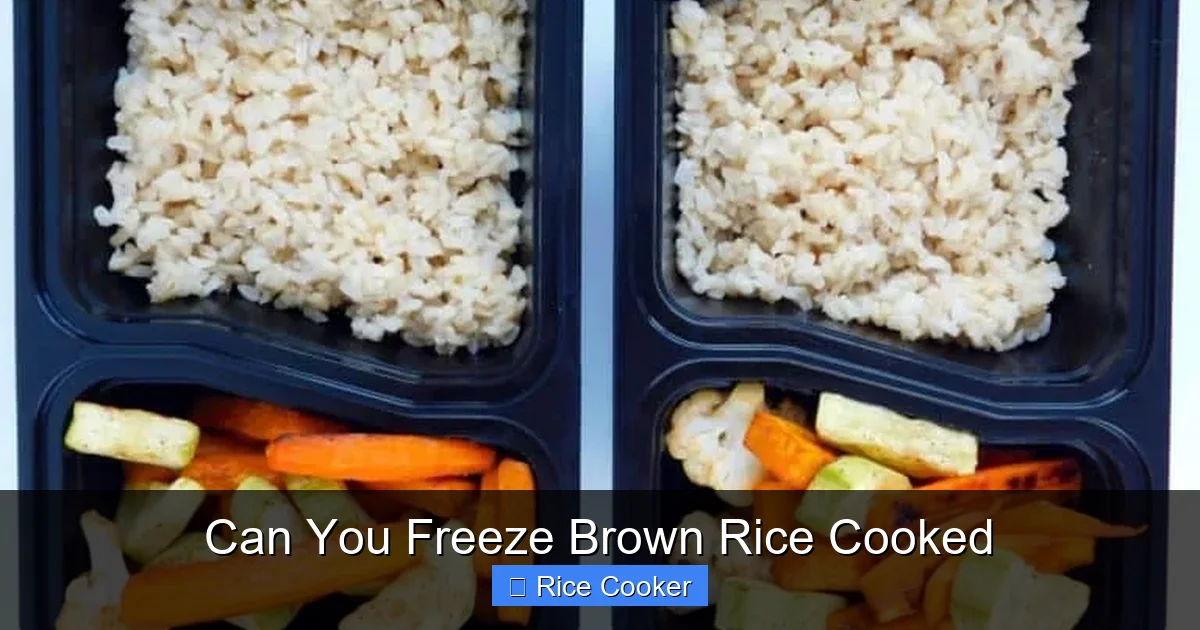
One of the most common questions is: “How long does cooked brown rice last in the freezer?” The good news is that cooked brown rice freezes exceptionally well. When stored properly, it remains safe and palatable for up to 6 to 12 months. However, for optimal taste and texture, most experts recommend using it within 3 to 6 months.
Visual guide about Can You Freeze Brown Rice Cooked
Image source: canyoufreezethis.com
After that, while the rice won’t become unsafe, you may notice subtle changes in flavor and texture—such as increased firmness or a slightly drier mouthfeel. Still, if properly reheated with added moisture, it will still be perfectly edible and nutritious.
Here’s a quick reference table for clarity:
| Storage Method | Max Storage Time | Notes |
|---|---|---|
| Refrigerator | 4–6 days | Best for short-term use; keep tightly sealed |
| Freezer (airtight) | 6–12 months | Optimal within 3–6 months for best quality |
| Vacuum Sealed | Up to 12+ months | Preserves texture and flavor longest |
Step-by-Step: How to Freeze Cooked Brown Rice
Freezing cooked brown rice is surprisingly straightforward. Follow these steps to ensure success every time:
1. Cool the Rice Quickly
Once your rice is done cooking, let it cool to room temperature—but don’t leave it sitting out for more than an hour. Rapid cooling helps prevent bacterial growth and makes portioning easier. Spread it out on a baking sheet lined with parchment paper if you’re freezing in small portions; this prevents clumps and speeds up chilling.
2. Portion It Out
Divide the rice into meal-sized portions. Think about how you typically eat it—maybe two cups per serving? Using ice cube trays or small containers makes portion control effortless and saves space in the freezer.
3. Choose the Right Container
Use airtight freezer-safe containers or heavy-duty freezer bags. Squeeze out as much air as possible from bags before sealing to minimize freezer burn. Label each container with the date so you know exactly when it was frozen.
4. Flash Freeze (Optional but Recommended)
For best results, place portions in a single layer on a baking sheet and freeze for 1–2 hours before transferring to a storage bag. This prevents clumping and makes grabbing individual servings much easier later.
5. Seal and Store
Once frozen solid, move the rice to labeled freezer bags or containers. Lay bags flat to save space and allow for easy stacking.
Pro Tip: If you’re freezing rice for smoothies or baked goods, consider freezing it plain first, then blending directly from frozen—no need to thaw!
Best Practices for Storing Frozen Brown Rice
Even though freezing is simple, following best practices ensures your rice stays fresh and delicious. Here’s what to keep in mind:
Use Airtight Containers or Vacuum-Sealed Bags
Air exposure leads to freezer burn, which causes dry, leathery spots and off-flavors. Vacuum sealing removes nearly all air, extending shelf life and preserving quality far better than regular zip-top bags.
Avoid Overfilling Containers
Leave about half an inch of headspace in rigid containers to allow expansion during freezing. Flexible bags should lie flat to prevent cracking.
Label Everything Clearly
Write the contents and date on masking tape or use a permanent marker. Trust us—you’ll thank yourself later when you see “Brown Rice – July 2024” instead of guessing.
Store in the Coldest Part of Your Freezer
The back corner of the freezer is usually the coldest. Avoid placing new items on top of already-stored rice to prevent temperature fluctuations.
How to Thaw and Reheat Frozen Brown Rice
Thawing and reheating are just as important as freezing. Done incorrectly, your rice can turn into a chewy brick or dry sponge. Here’s how to do it right:
Option 1: Thaw in the Fridge (Recommended)
Transfer the frozen rice to the refrigerator and let it thaw slowly overnight. This method preserves texture and reduces the risk of contamination. Once thawed, reheat immediately.
Option 2: Microwave with Steam
For fastest results, microwave frozen rice in 30-second intervals, stirring between each, until heated through. Add a tablespoon of water or broth to each cup of rice to reintroduce moisture. Cover loosely to trap steam.
Option 3: Steam or Boil
Place frozen rice in a steamer basket over boiling water for 5–7 minutes, or simmer in a saucepan with a splash of water until warmed. Stir occasionally to distribute heat evenly.
Warning: Never thaw rice at room temperature for more than 2 hours—this increases the risk of bacterial growth.
Tips for Maintaining Texture and Flavor
Many people worry that frozen rice becomes mushy or loses its signature chewiness. But with a few tricks, you can keep it tasting great:
- Add Moisture Before Reheating: Always add liquid—water, broth, or even vegetable juice—before warming. This compensates for moisture lost during freezing.
- Fluff with a Fork: After reheating, gently fluff with a fork to separate grains and restore lightness.
- Use Within 6 Months: As mentioned earlier, quality peaks around 3–6 months. Don’t push past 12 months unless you’re okay with minor texture changes.
- Consider Freezing Unseasoned Rice: Seasoning (like salt, spices, or sauces) can degrade over time. Freeze plain rice and season freshly when reheating.
Can You Freeze Brown Rice in the Same Container as Other Foods?
While it’s technically safe to store different types of food together in the freezer, cross-contamination risks increase. Raw meats, for example, can transfer bacteria to other foods. For this reason, it’s best to keep rice in dedicated, labeled containers away from uncooked ingredients.
If you’re short on space, consider freezing rice in silicone ice cube trays—they stack easily and don’t take up much room. Just pop out a few cubes when needed and reheat them in a bowl with a bit of water.
Meal Prep Ideas Using Frozen Brown Rice
Frozen brown rice is incredibly versatile. Here are some creative ways to use it:
- Stir-Fries: Sauté with veggies, soy sauce, and protein for a quick dinner.
- Bowl Bowls: Layer with roasted sweet potatoes, avocado, beans, and tahini dressing.
- Soups & Stews: Add a scoop to minestrone, chili, or miso soup for heartiness.
- Baked Goods: Substitute oats with rice flour in muffins or pancakes for gluten-free options.
- Rice Pudding: Simmer frozen rice with milk, cinnamon, and maple syrup for a comforting dessert.
Having pre-cooked rice on hand means you can turn any leftover veggie, protein, or sauce into a complete meal in under 15 minutes.
Common Myths About Freezing Cooked Rice
There are a few myths floating around that might make you second-guess freezing rice. Let’s clear them up:
- Myth: “Freezing ruins rice texture.”
Truth: While texture changes slightly, proper reheating restores most of the original chewiness. - Myth: “You can only freeze white rice, not brown.”
Truth: Both types freeze well, but brown rice holds up better due to its higher oil content. - Myth: “Rice gets slimy when frozen.”
Truth: Sliminess usually comes from improper cooling or contamination—not freezing itself. - Myth: “It’s unsafe to refreeze rice.”
Truth: As long as the rice was thawed safely and handled properly, it’s fine to refreeze—though repeated cycles affect quality.
Final Thoughts: Is Freezing Cooked Brown Rice Worth It?
Absolutely. Freezing cooked brown rice is practical, sustainable, and nutritionally sound. It transforms a simple grain into a powerhouse ingredient for countless meals. Whether you’re feeding a family, managing a hectic schedule, or just trying to eat healthier, this technique empowers you to plan ahead without sacrificing flavor or nutrition.
Remember: the key is proper storage, portioning, and mindful reheating. With these steps, your frozen brown rice will remain soft, flavorful, and ready to elevate any dish. And honestly, who doesn’t love having dinner ready before they even finish unloading the dishwasher?
So next time you cook a big batch of brown rice, think twice—then go ahead and freeze the extras. Your future self (and your taste buds) will thank you.
Frequently Asked Questions
Is it safe to freeze cooked brown rice?
Yes, freezing cooked brown rice is completely safe. When stored in airtight containers and kept below 0°F (-18°C), it remains safe for up to 12 months. Proper handling minimizes bacterial growth risks.
How do I prevent my frozen brown rice from getting hard or dry?
Always add a small amount of liquid (water, broth, or steam) when reheating. Microwave in short bursts and cover to trap moisture. Avoid overcooking during reheating.
Can I freeze brown rice that’s already been mixed with sauce or seasonings?
It’s best to freeze plain rice and add sauces separately. Some ingredients (like dairy or acidic sauces) can separate or spoil during freezing and thawing.
Do I need to cool brown rice before freezing it?
Yes, let it cool to room temperature first—but don’t leave it out for more than 1–2 hours. Rapid cooling prevents condensation inside containers, which can cause freezer burn.
Can I freeze brown rice directly from the rice cooker?
Absolutely! Just transfer it to a container while still warm. Warm rice freezes faster than cold rice and helps prevent bacterial growth if cooled promptly.
How do I tell if frozen brown rice has gone bad?
Look for signs like unusual odor, slimy texture, or mold. If the rice smells off or feels sticky, discard it. Otherwise, it’s likely still safe—just reheat carefully and check texture first.