
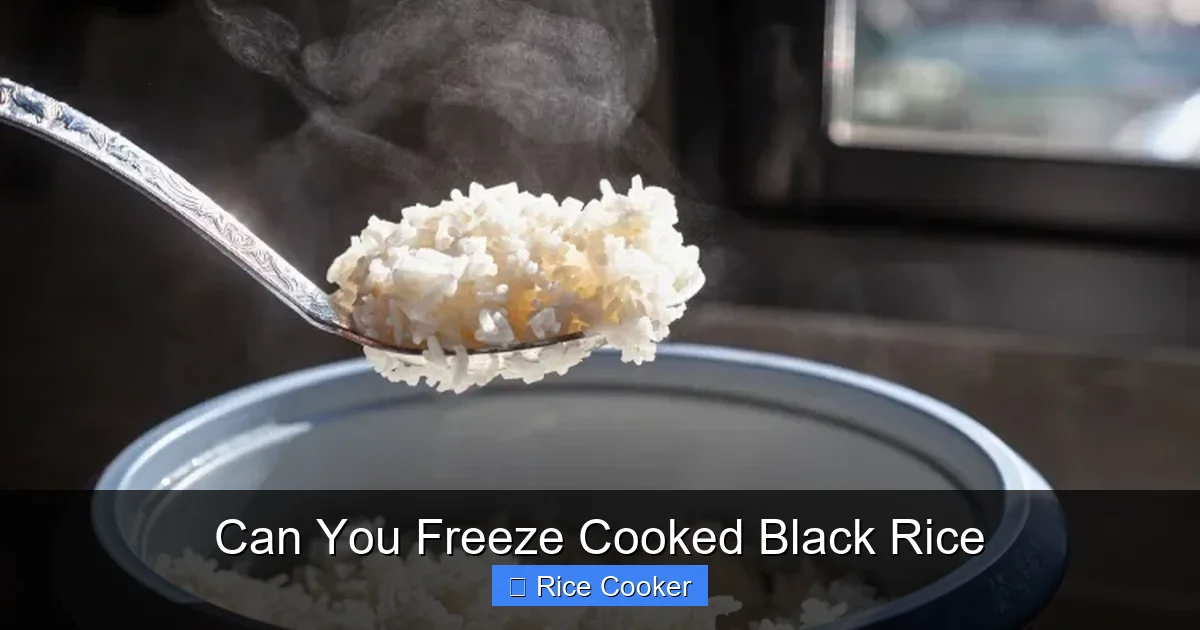
Can you freeze cooked black rice? Absolutely—and doing so is a smart way to save time and reduce food waste. When stored correctly, frozen black rice retains its rich color, nutty flavor, and nutritional value for up to 3 months. Whether you’ve made too much for one meal or want to prep ahead for future dinners, freezing is a simple, effective method.
Key Takeaways
- Freezing preserves flavor and texture: Properly stored cooked black rice keeps its nutty taste and firm bite even after thawing.
- Best storage containers: Use airtight freezer-safe bags or glass containers to prevent freezer burn and retain moisture.
- Label and date everything: Always mark your containers with the date so you know exactly when you froze the rice.
- Thaw safely in the fridge: For best results, transfer frozen black rice to the refrigerator overnight before reheating.
- Reheat without drying out: Add a splash of water or broth when warming frozen black rice to restore moisture.
- Ideal portion sizes: Divide into small portions (about 1–1.5 cups each) to make thawing and reheating faster.
- Nutrition stays intact: Freezing doesn’t significantly reduce the protein, fiber, or antioxidants in black rice.
📑 Table of Contents
- Introduction: Why Freeze Cooked Black Rice?
- Understanding Black Rice: What Makes It Special?
- Can You Really Freeze Cooked Black Rice?
- How Long Does Frozen Black Rice Last?
- Step-by-Step Guide: How to Freeze Cooked Black Rice
- How to Thaw Frozen Black Rice Safely
- How to Reheat Frozen Black Rice Without Losing Flavor
- Tips for Freezing Black Rice Like a Pro
- Common Myths About Freezing Rice Debunked
- Creative Ways to Use Frozen Black Rice
- Food Safety First: When to Throw Out Black Rice
- Conclusion: Make Freezing Part of Your Routine
Introduction: Why Freeze Cooked Black Rice?
Have you ever cooked a big batch of black rice only to realize you’re not going to eat it all by tomorrow? Or maybe you’re meal prepping for the week and want to save time on dinner? If so, you’re in luck—because yes, you can absolutely freeze cooked black rice, and it’s one of the easiest ways to extend its life without sacrificing taste or quality.
Black rice, also known as forbidden rice, has surged in popularity thanks to its striking deep purple-black color, earthy flavor, and impressive nutritional profile. Packed with antioxidants like anthocyanins, fiber, and plant-based protein, it’s more than just a trendy superfood—it’s a powerhouse grain that deserves a place in your kitchen. But like any good thing, it can spoil if left out too long. That’s where freezing comes in.
Freezing isn’t just about preservation; it’s about convenience. Whether you’re feeding a family, packing lunches, or simply want to enjoy black rice more often, learning how to freeze it properly makes life easier. In this guide, we’ll walk you through every step—from cooling to storing, thawing, and reheating—so you can confidently keep your cooked black rice fresh, tasty, and ready whenever you need it.
Understanding Black Rice: What Makes It Special?

Visual guide about Can You Freeze Cooked Black Rice
Image source: res.cloudinary.com
Before diving into freezing techniques, let’s talk about why black rice stands out. Unlike regular white rice, black rice retains its bran layer during processing, which gives it that dark hue and chewy texture. It’s also higher in fiber and contains more protein than many other grains—making it a favorite among health-conscious cooks.
When cooked, black rice develops a slightly nutty, almost smoky flavor that pairs beautifully with vegetables, beans, nuts, or even desserts like rice pudding. Because of its dense structure, it holds up well during cooking and maintains a pleasant bite even after refrigeration or freezing.
But here’s the catch: because black rice is denser and takes longer to cook than white rice, people often prepare large batches. And while leftover rice is great for tacos, salads, or bowls, not everyone wants to eat cold rice every day. That’s where freezing shines—it lets you preserve that perfect texture and flavor for future meals.
Can You Really Freeze Cooked Black Rice?

Visual guide about Can You Freeze Cooked Black Rice
Image source: allrecipes.com
The short answer? Yes, you can freeze cooked black rice without any issues. In fact, freezing is one of the most effective ways to keep it from spoiling and to lock in nutrients.
When rice cools, starch molecules begin to retrograde—a process that causes the grains to harden over time. Freezing slows this down dramatically, helping preserve both texture and taste. Studies have shown that properly frozen rice can stay safe and enjoyable for up to three months.
Unlike some foods that lose flavor when frozen (like leafy greens), black rice actually benefits from being frozen because its robust structure resists becoming mushy or bland. Just be sure to follow proper storage steps to avoid ice crystals and freezer burn.
How Long Does Frozen Black Rice Last?
Properly stored, cooked black rice can last anywhere from 2 to 3 months in the freezer. Beyond that, while it may still be safe to eat, the texture and flavor might start to degrade.
Here’s a quick breakdown:
– Up to 3 months: Best quality—firm texture, vibrant color, full flavor.
– 3–4 months: Still edible, but may become slightly softer or less vibrant.
– Beyond 4 months: Risk of freezer burn or off-flavors increases; not recommended.
Always trust your senses. If the rice smells sour, has an unusual odor, or looks discolored after thawing, discard it immediately—even if it’s within the recommended timeframe.
Step-by-Step Guide: How to Freeze Cooked Black Rice
Freezing cooked black rice is simpler than you might think. Follow these easy steps for optimal results:
1. Cool the Rice Quickly
After cooking, let the rice sit at room temperature for no more than 30 minutes. Then spread it out in a shallow container or baking sheet to cool rapidly. This prevents bacterial growth and ensures even freezing.
2. Portion Into Manageable Sizes
Divide the cooled rice into single or double servings—about 1 to 1.5 cups per portion. Smaller portions freeze and thaw faster, making them ideal for meal prep.
3. Use Airtight Containers or Bags
Transfer each portion into freezer-safe containers with tight lids or heavy-duty zip-top bags. If using bags, lay them flat to save space and allow for expansion during freezing.
4. Remove Excess Air
Squeeze out as much air as possible from plastic bags to minimize exposure to cold, dry freezer air—this reduces the risk of freezer burn.
5. Label and Date
Use a permanent marker to label each container or bag with the contents and the date. This helps you keep track and use older batches first.
6. Freeze Flat and Upright
Store containers upright in the freezer for stability, or lay bags flat if stacking is needed. Avoid placing them near strong-smelling foods (like fish or onions) to prevent flavor transfer.
How to Thaw Frozen Black Rice Safely
Thawing is just as important as freezing. Rushing the process can lead to uneven heating, sogginess, or even foodborne illness. Here are the safest methods:
Refrigerator Method (Recommended)
Place the frozen black rice in the refrigerator overnight. This slow thawing preserves texture and flavor while keeping bacteria at bay. It’s perfect for planning ahead.
Quick Thaw in Cold Water
For smaller portions, seal the rice in a leak-proof bag and submerge it in cold water for 30–60 minutes. Change the water every 15 minutes to keep it cold. Never use warm or hot water—this encourages bacterial growth.
Microwave Thawing (Use Sparingly)
If you’re short on time, microwave on defrost or low power in 30-second intervals, stirring between bursts. Be careful not to start cooking the rice, which can create uneven spots.
How to Reheat Frozen Black Rice Without Losing Flavor
Once thawed, your black rice might feel a bit dry or stiff—don’t worry, it’s normal. The key to restoring moisture is gentle reheating with added liquid.
Stovetop Reheating
– Place rice in a saucepan with 1–2 tablespoons of water or broth per cup.
– Cover and heat over medium-low heat, stirring occasionally, until warmed through (about 5–7 minutes).
– Add more liquid if needed.
Microwave Reheating
– Transfer rice to a microwave-safe dish.
– Drizzle with water or broth, cover loosely with a damp paper towel or lid.
– Heat in 30-second increments, stirring in between, until hot throughout.
Oven Reheating
– Preheat oven to 325°F (160°C).
– Spread rice in a baking dish, add a splash of liquid, cover with foil.
– Warm for 10–15 minutes, checking halfway through.
Tips for Freezing Black Rice Like a Pro
Want to take your freezing game to the next level? Try these expert tips:
– Don’t freeze rice in large clumps: Large blocks take forever to thaw and often end up soggy inside while staying icy outside.
– Use vacuum-sealed bags: These remove nearly all air, offering superior protection against freezer burn.
– Freeze before adding sauces: If you usually toss black rice with olive oil, soy sauce, or spices, freeze it plain and add seasonings after thawing.
– Keep a stockpile: Cook extra black rice once a month and freeze it—you’ll always have a healthy base for bowls, stir-fries, or salads.
– Test for doneness after reheating: Even though rice cooks fully during the original boiling process, always ensure it’s heated through to food safety standards.
Common Myths About Freezing Rice Debunked
There are plenty of misconceptions about freezing cooked rice—especially since some sources warn against freezing rice altogether. Let’s clear those up:
Myth 1: “Freezing ruins rice texture.”
False. While some rice varieties can become gummy when refrozen, black rice’s high starch content and dense structure make it resilient. With proper handling, it remains firm and appealing.
Myth 2: “You should never freeze rice because of botulism risk.”
This applies mainly to improperly stored rice left at room temperature for too long—not to flash-frozen rice in sealed containers. As long as you freeze it promptly and follow safe thawing practices, the risk is negligible.
Myth 3: “Frozen rice tastes metallic.”
Not true if stored correctly. Odor transfer happens when containers aren’t airtight or are stored near strong-smelling items. Keep your freezer organized!
Creative Ways to Use Frozen Black Rice
Once you master freezing, the possibilities are endless. Frozen black rice becomes a versatile pantry staple:
– Breakfast Bowls: Thaw and top with avocado, poached egg, and chili flakes.
– Lunch Wraps & Tacos: Mix with black beans, corn, and lime for a hearty wrap.
– Sushi Rolls: Use as a base for veggie or protein-filled sushi.
– Rice Cakes: Toast slices for crunchy snacks.
– Dessert Base: Make black rice pudding with cinnamon, cardamom, and coconut milk.
And yes—you can even freeze black rice before* cooking it*, though it’s less common. Raw black rice freezes well too, but you’ll need to add extra water when cooking since frozen grains absorb more liquid.
Food Safety First: When to Throw Out Black Rice
While freezing extends shelf life, it doesn’t make rice indestructible. Watch for these signs of spoilage:
– Sour or foul smell—indicates bacterial growth.
– Discoloration—grayish or moldy patches mean it’s time to toss.
– Unusual texture—mushiness or sliminess suggests contamination.
– Off flavors—metallic, bitter, or rancid tastes are red flags.
If in doubt, throw it out. Food safety always comes first.
Conclusion: Make Freezing Part of Your Routine
So, can you freeze cooked black rice? The answer is a confident yes—and doing so opens up a world of convenience, savings, and reduced waste. By following simple steps for cooling, portioning, labeling, and thawing, you’ll preserve the rich flavor, satisfying chew, and nutritional benefits of this ancient grain.
Whether you’re meal prepping for busy weekdays, stocking up on seasonal produce, or just love having a healthy side ready to go, freezing black rice is a game-changer. Plus, it pairs beautifully with so many dishes—from savory mains to sweet treats.
Next time you cook a pot of black rice, remember: don’t let it go to waste. Freeze it, store it smartly, and enjoy it weeks later with minimal effort. Your future self will thank you.
Frequently Asked Questions
Can I freeze black rice before or after cooking it?
You can freeze both raw and cooked black rice, but cooked rice is more commonly frozen due to its ready-to-eat nature. Raw black rice freezes well too—just thaw and cook with extra water since frozen grains absorb more liquid during heating.
Does freezing destroy the nutrients in black rice?
No, freezing doesn’t significantly reduce nutrients. In fact, flash-freezing shortly after cooking helps lock in vitamins, minerals, and antioxidants like anthocyanins that give black rice its health benefits.
How do I prevent freezer burn on black rice?
Use airtight containers or heavy-duty freezer bags, remove excess air, and avoid storing in large blocks. Label with dates and keep the freezer at 0°F (-18°C) or lower to maintain quality.
Can I freeze black rice in the original cooking pot?
It’s not recommended. Metal or non-stick pots can warp in the freezer, and leftover liquids or fats may separate. Transfer the rice to proper storage containers instead.
Will frozen black rice become mushy when thawed?
Not if handled properly. Black rice’s dense structure resists mushiness even after freezing. To restore texture, add a splash of water or broth during reheating.
Is it safe to refreeze black rice after thawing?
Only once, and only if it was thawed slowly in the refrigerator and hasn’t been left out for more than 2 hours. Rapid thawing (e.g., in warm water) increases bacterial risk. When in doubt, cook it directly from frozen instead of refreezing.