
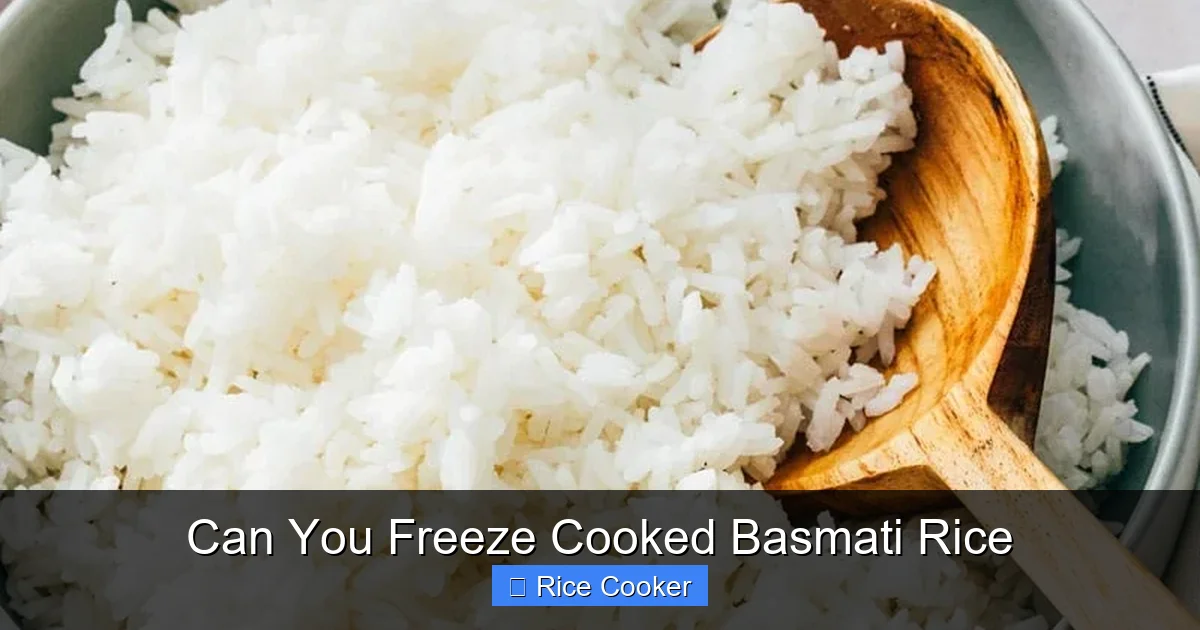
You absolutely can freeze cooked basmati rice, making it a smart move for meal prep and reducing waste. When stored properly in airtight containers or freezer bags, it stays fresh for up to 3 months. Just let it cool completely before freezing, spread it out to prevent clumping, and label with the date—then thaw slowly in the fridge or reheat directly from frozen.
Have you ever had leftover basmati rice sitting in the fridge past its prime? Or maybe you just cooked a big batch and want to save some for later meals? If so, you’re probably wondering: Can you freeze cooked basmati rice? The short answer is yes—absolutely. In fact, freezing cooked basmati rice is one of the most effective ways to extend its shelf life while preserving both flavor and texture. Whether you’re meal prepping for the week, saving leftovers from a dinner party, or stocking up during a bulk cook, freezing is a practical and safe method when done correctly.
But before you toss that bowl into the freezer, there are a few important steps to follow. From cooling techniques to proper storage containers, getting the details right makes all the difference. This guide walks you through everything you need to know about freezing cooked basmati rice—how to do it safely, how long it lasts, and how to thaw and reheat it perfectly every time.
Key Takeaways
- Freezing preserves flavor and texture: Properly frozen basmati rice retains its quality and can be reheated without turning mushy.
- Cooling is essential: Always let cooked rice cool completely before freezing to avoid ice crystals and bacterial growth.
- Portion control matters: Freeze rice in small portions (1–2 cups) so you only thaw what you need.
- Use airtight containers: Prevent freezer burn by storing rice in freezer-safe bags or sealed containers with minimal headspace.
- Label and date everything: Keep track of how long your rice has been frozen to maintain safety and quality.
- Reheating tips: Steam frozen rice in a covered pot or use a microwave with a damp paper towel to retain moisture.
- Safety first: Never refreeze rice that’s been thawed at room temperature—only thaw in the fridge or reheat immediately after removal from the freezer.
📑 Table of Contents
- Why Freeze Cooked Basmati Rice?
- How Long Can You Freeze Cooked Basmati Rice?
- Step-by-Step Guide: How to Freeze Cooked Basmati Rice
- Best Practices for Freezing Cooked Basmati Rice
- Thawing and Reheating Frozen Basmati Rice
- Common Mistakes to Avoid When Freezing Cooked Basmati Rice
- Creative Ways to Use Frozen Cooked Basmati Rice
- Does Freezing Affect Nutritional Value?
- Comparing Storage Methods: Freezer vs. Refrigerator
- Final Thoughts: Is Freezing Cooked Basmati Rice Worth It?
Why Freeze Cooked Basmati Rice?
Cooked basmati rice is a staple in many kitchens around the world. Light, fluffy, and subtly fragrant, it pairs well with curries, stir-fries, salads, and even desserts like rice pudding. But because it cooks quickly and often comes in large quantities, it’s common to end up with more than you can eat in one sitting. Instead of tossing it out (which is wasteful and disappointing), freezing offers a simple solution.
Freezing slows down the chemical processes that cause food to spoil. It also helps lock in nutrients and prevents the rice from developing off-flavors. When handled properly, frozen basmati rice can last up to three months and still taste nearly as good as fresh. Plus, having pre-cooked rice on hand saves time during busy weekdays—no need to boil water or wait for the rice cooker to finish.
Another benefit is portion control. By dividing your cooked rice into individual servings before freezing, you eliminate guesswork when meal planning. Whether you’re packing lunch or cooking for a family, having ready-to-use portions means less hassle and fewer excuses for ordering takeout.
How Long Can You Freeze Cooked Basmati Rice?

Visual guide about Can You Freeze Cooked Basmati Rice
Image source: foodrepublic.com
One of the most common questions is: How long can you keep cooked basmati rice in the freezer? The good news is that properly frozen rice remains safe to eat for up to **three months**. Beyond that, while it won’t necessarily be unsafe, the texture may start to degrade—becoming slightly drier or gummier upon reheating.
It’s important to note that quality begins to decline after about **one month**, especially if the rice was exposed to air or not stored in an optimal environment. That said, most people find that rice frozen for two to three months still works well in dishes where texture isn’t critical, like fried rice or casseroles.
To maximize freshness:
– Use high-quality storage containers.
– Minimize air exposure.
– Avoid opening the container frequently once frozen.
Always label your containers with the date so you can rotate older batches first. This “first in, first out” approach ensures nothing gets forgotten in the back of the freezer.
Step-by-Step Guide: How to Freeze Cooked Basmati Rice
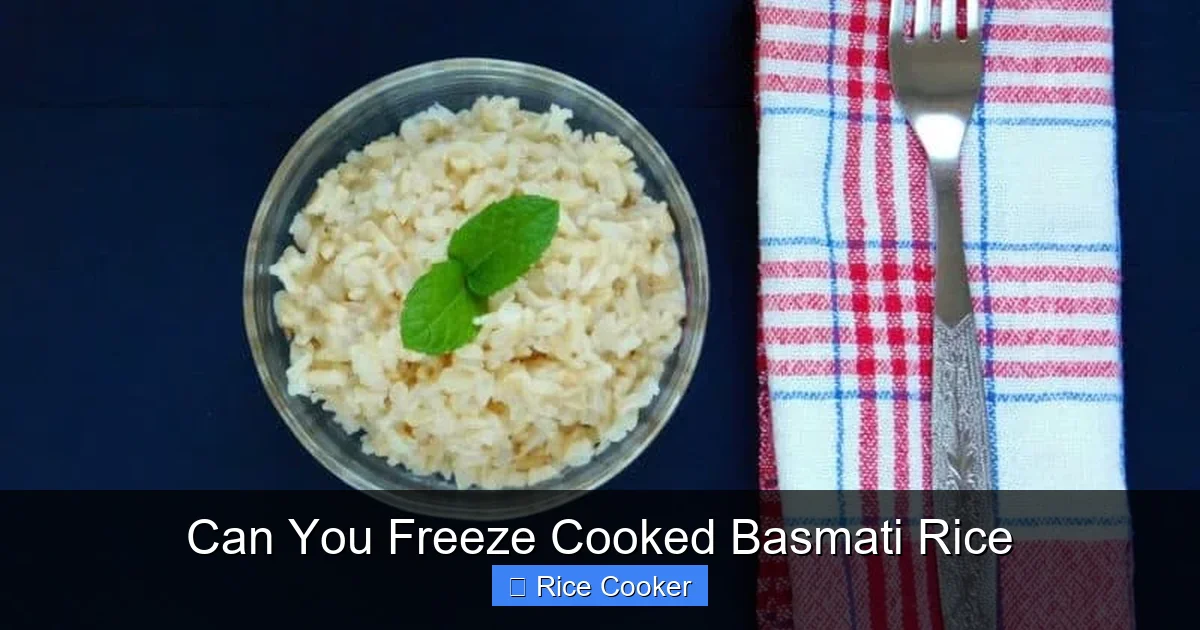
Visual guide about Can You Freeze Cooked Basmati Rice
Image source: canyoufreezethis.com
Freezing cooked basmati rice doesn’t require fancy equipment—just a little attention to detail. Follow these steps for best results:
1. Let the Rice Cool Completely
Never put hot rice straight into the freezer. Doing so raises the internal temperature of your freezer, which can affect other foods and lead to uneven freezing. Instead, spread the rice out on a baking sheet or shallow dish and let it cool at room temperature for about 30 to 60 minutes. Stir occasionally to speed up the process and prevent lukewarm spots.
2. Portion Into Manageable Sizes
Divide the cooled rice into portions based on how you plan to use it later. Common sizes include:
– ½ cup (ideal for single servings)
– 1 cup (good for side dishes)
– 2 cups (perfect for stir-fries or fried rice)
Using portion-sized amounts makes thawing faster and reduces waste. You can also use silicone molds or ice cube trays for smaller servings, though standard freezer-safe bags work just fine.
3. Pack in Airtight Containers or Bags
Choose between plastic freezer-safe containers or heavy-duty zip-top freezer bags. If using bags, squeeze out as much air as possible before sealing—this reduces freezer burn. For added protection, place bags inside a second bag or between layers of parchment paper.
Avoid glass containers unless they’re specifically labeled as freezer-to-table and designed for repeated temperature changes. Regular glass can crack due to expansion.
4. Label and Date Everything
Write the contents and date clearly on masking tape or a permanent marker. This simple habit saves you from guessing whether that mystery blob in the freezer is chicken biryani or plain white rice—and whether it’s still safe to eat.
5. Store Flat in the Freezer
Lay flat containers or bags horizontally in the freezer. This maximizes storage space and allows for quick defrosting later. If stacking, ensure each item is stable to prevent spills or crushing.
Best Practices for Freezing Cooked Basmati Rice
While freezing is straightforward, following best practices ensures your rice stays delicious and safe. Here are expert-tested tips to keep in mind:
Use Freshly Cooked Rice
Avoid freezing rice that’s already been sitting in the refrigerator for more than 24 hours. While refrigerated rice is still edible, its starches begin to retrograde (a process that affects texture), making it less ideal for freezing. It’s better to freeze rice within 1–2 hours of cooking.
Avoid Adding Oils or Sauces Before Freezing
If your basmati rice includes butter, oil, or sauce (like curry or gravy), consider reserving those additions until after thawing. Some fats can separate or become rancid over time, altering flavor and mouthfeel. Instead, store the rice dry and add sauces during reheating.
Don’t Overfill Containers
Leave about ½ inch of headspace in rigid containers to allow for expansion as water turns to ice. Overfilled containers can warp or burst, creating a mess and potential contamination.
Consider Vacuum Sealing (Optional)
For long-term storage or bulk cooking, vacuum-sealed rice lasts even longer and resists freezer odor absorption. While not necessary, this method offers superior protection against oxidation and dehydration.
Rotate Stock Regularly
Make it a habit to check your freezer monthly. Remove older batches and use them promptly. This keeps your freezer organized and ensures nothing expires unnoticed.
Thawing and Reheating Frozen Basmati Rice
Once your rice is frozen solid, the next challenge is bringing it back to life—without turning it into a gluey paste. The key is gentle reheating with moisture.
Thaw in the Refrigerator (Recommended)
The safest method is to transfer the frozen rice to the fridge and let it thaw overnight or for several hours. This slow process prevents bacteria growth and maintains even texture. Once thawed, rice should be used within 24 hours for best quality.
Thaw Quickly Using the Microwave (For Immediate Use)
If you’re in a hurry, microwave-safe containers work well. Place a damp paper towel over the rice to retain steam, then heat in 30-second intervals, stirring between cycles. Check frequently to avoid hot spots.
Reheat Directly From Frozen (No Thawing Needed!)
This is especially useful for dishes like fried rice or casseroles. Simply cook the frozen rice in a covered saucepan over low heat with a splash of water or broth. Stir occasionally and add liquid as needed until heated through.
Add Moisture During Reheating
Frozen rice tends to dry out. To revive it:
– Add 1 tablespoon of water per cup of rice.
– Cover tightly to trap steam.
– Simmer gently until warmed through.
Microwave users can add 1–2 teaspoons of water per serving and cover with a lid or damp cloth.
Avoid Boiling or High-Heat Methods
Boiling causes grains to break apart and absorb too much liquid, resulting in mushy rice. Similarly, high oven temperatures can dry out or burn the surface while leaving the center cold.
Common Mistakes to Avoid When Freezing Cooked Basmati Rice
Even experienced home cooks make mistakes. Here are some frequent errors—and how to fix them:
Mistake #1: Skipping the Cooling Step
Placing hot rice in the freezer creates temperature swings that promote bacterial growth (like *Bacillus cereus*, which causes food poisoning). Always cool rice fully before freezing.
Mistake #2: Using Non-Freezer-Safe Containers
Some plastics leach chemicals when frozen or become brittle. Stick to containers labeled “freezer-safe” or opt for glass designed for repeated freezing.
Mistake #3: Not Labeling Containers
It’s easy to forget what’s inside your freezer. Without labels, you risk eating expired rice or wasting perfectly good food.
Mistake #4: Freezing Rice With Strong Odors
Basmati rice absorbs flavors easily. Keep it away from fish, onions, or spicy curries to preserve its delicate aroma.
Mistake #5: Overcrowding the Freezer
Poor airflow leads to inconsistent freezing and frost buildup. Leave space between containers for proper circulation.
Creative Ways to Use Frozen Cooked Basmati Rice
Freezing doesn’t mean your rice has to stay plain. Get creative with these tasty ideas:
Fried Rice
Thaw a portion and fry with scrambled eggs, vegetables, soy sauce, and sesame oil. Frozen rice works better than fresh here because it’s drier and less likely to clump.
Rice Pudding
Simmer frozen rice with milk, sugar, cinnamon, and raisins for a comforting dessert. The texture softens nicely during cooking.
Biryani or Pilaf
Layer thawed rice with meat, spices, and herbs for aromatic one-pot meals. Add a splash of broth to loosen any stiffness.
Rice Balls or Patties
Mix rice with mashed potatoes, breadcrumbs, and seasonings, then pan-fry or bake for crispy bites.
Soups and Stews
Toss frozen rice directly into simmering broths or chili for extra heartiness.
Does Freezing Affect Nutritional Value?
Good news: freezing doesn’t significantly reduce the nutritional value of cooked basmati rice. Vitamins and minerals remain largely intact, though some water-soluble nutrients (like vitamin C) may decrease slightly over time. However, since basmati rice isn’t a major source of these vitamins anyway, the impact is minimal.
What does change is starch structure. Retrogradation—the reversion of gelatinized starch back to crystalline form—occurs during freezing and thawing. This can make rice slightly firmer, but it also improves performance in recipes like fried rice, where firm grains hold their shape.
Overall, the convenience and reduced food waste from freezing far outweigh minor nutritional trade-offs.
Comparing Storage Methods: Freezer vs. Refrigerator
Many people wonder whether it’s better to refrigerate or freeze cooked basmati rice. Here’s a quick comparison:
| Method | Shelf Life | Texture After Storage | Best For |
|—————|————|————————|———-|
| Refrigerator | 3–5 days | Soft, moist | Short-term use |
| Freezer | Up to 3 months | Firm, slightly dry | Meal prep, long-term storage |
Refrigeration is fine for immediate consumption within a few days, but freezing extends usability dramatically. For anyone who cooks in batches or wants backup meals ready to go, the freezer is the clear winner.
That said, if you only have a few servings left, refrigeration is quicker and requires no special preparation. Just reheat thoroughly before eating.
Final Thoughts: Is Freezing Cooked Basmati Rice Worth It?
Absolutely. Freezing cooked basmati rice is a game-changer for busy households, meal preppers, and anyone who hates wasting food. With proper technique, you can enjoy restaurant-quality rice anytime—even months later. The process takes just minutes, uses everyday kitchen tools, and pays off big-time in convenience and sustainability.
Remember: the secret lies in patience (cooling first!), organization (labeling and portioning), and gentleness (soft reheating). Treat your frozen rice with care, and it will treat you well.
Whether you’re building a week’s worth of dinners, preparing for a holiday gathering, or simply stocking your pantry with versatile staples, freezing cooked basmati rice is a smart, simple habit worth adopting. Your future self—hungry and pressed for time—will thank you.
Frequently Asked Questions
How long does cooked basmati rice last in the freezer?
Cooked basmati rice can safely stay in the freezer for up to three months. For best texture and flavor, aim to use it within two months. Always label containers with the date to track freshness.
Can you freeze basmati rice immediately after cooking?
No, you shouldn’t freeze hot rice right after cooking. Let it cool completely first to avoid raising the freezer temperature and to prevent bacterial growth. Cooling typically takes 30–60 minutes.
How do you thaw frozen basmati rice safely?
The safest way is to thaw it in the refrigerator overnight. Alternatively, you can microwave it on low power with a damp paper towel to retain moisture. Avoid thawing at room temperature for more than two hours.
Will frozen basmati rice become soggy when reheated?
Not if you add moisture during reheating. Cover the rice and add a splash of water or broth while steaming or microwaving. This helps restore softness and prevents dryness.
Can you freeze basmati rice with curry or sauce?
It’s best to freeze plain rice separately from sauces or oils, especially if they contain dairy or creamy ingredients. These can separate or spoil faster. Add sauces after thawing for best results.
Is it safe to refreeze basmati rice after thawing?
Only if the rice has been thawed in the refrigerator and hasn’t been left out at room temperature for more than two hours. Once thawed and reheated, use it immediately—do not refreeze to avoid foodborne illness risks.