
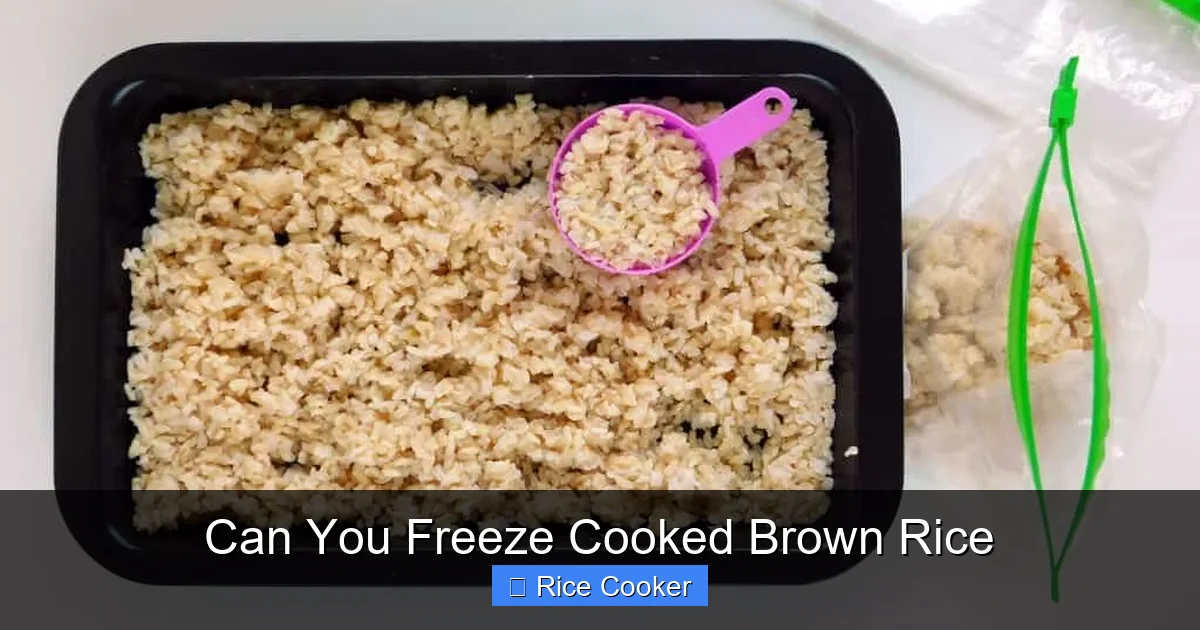
You absolutely can freeze cooked brown rice, and doing so is one of the easiest ways to reduce food waste while keeping meals ready in minutes. When stored properly, frozen brown rice retains its texture, nutrients, and taste for up to six months. Whether you’re meal prepping or saving leftovers, freezing is a smart, convenient option that works with any recipe.
Can You Freeze Cooked Brown Rice?
Have you ever opened your fridge only to find last week’s dinner staring back at you—cold, slightly questionable, and definitely not dinner-prep material? We’ve all been there. But what if you could turn those leftover grains of brown rice into something fresh, tasty, and ready in minutes? The answer lies in one simple kitchen hack: freezing cooked brown rice.
Freezing isn’t just for ice cream or frozen peas—it’s a game-changer for anyone who loves brown rice but doesn’t want to toss out half a pot. Whether you’re meal prepping for the week, cooking in bulk, or simply saving leftovers from last night’s stir-fry, freezing cooked brown rice is both practical and surprisingly effective. In this complete guide, we’ll walk through everything you need to know—from how to freeze it safely, how long it lasts, to the best ways to thaw and reheat it so it tastes like it just came out of the pot.
Why Brown Rice Is Worth Freezing
Brown rice is packed with fiber, vitamins, and minerals that make it a nutritional powerhouse compared to white rice. But its higher oil content (especially in hulled varieties) means it can go rancid faster than white rice when left at room temperature. That’s why proper storage is crucial.
Freezing slows down bacterial growth and oxidation, two major causes of spoilage and nutrient loss. When done correctly, freezing preserves not only the safety of your food but also its texture and flavor. Plus, it gives you the flexibility to grab a handful whenever you need a quick side dish, base for Buddha bowls, or ingredient in soups and curries.
How Long Can You Freeze Cooked Brown Rice?
The short answer: up to six months. The long answer depends on storage conditions and how well you seal your container.
For optimal quality, consume frozen brown rice within three to four months. Beyond that, while it’s still safe to eat, the texture may become slightly drier or more compact. If you’re using it in cooked dishes like fried rice or casseroles, even rice stored longer than six months will work fine—just add a splash of water or broth during reheating.
It’s important to note that the USDA recommends freezing perishable foods within two hours of cooking if the room temperature is above 90°F (32°C). In cooler environments, you have a bit more leeway—but always aim to freeze within four hours for best results.
Preparing Cooked Brown Rice for Freezing
Not all rice is created equal when it comes to freezing. The key to success starts the moment your rice is done cooking.
First, let your rice cool to room temperature before placing it in the freezer. Don’t rush this step—adding hot rice directly to a sealed container can trap steam, leading to condensation and potential bacterial growth once thawed. A quick tip: spread the rice out on a baking sheet lined with parchment paper and pop it in the freezer for 15–20 minutes. This flash-freezing technique creates individual “rice pearls” that separate easily later—perfect for portioning.
Next, choose your storage method. Glass containers with tight lids work well, but make sure they’re freezer-safe. Alternatively, heavy-duty freezer bags are space-efficient and allow for easy removal of portions. If using bags, lay them flat to save drawer space and speed up freezing.
Label each container or bag with the date and contents. Trust us—you’ll thank yourself later when you don’t have to guess whether that batch from January was actually quinoa.
Best Containers and Packaging for Freezing Rice
Choosing the right packaging is half the battle. Here’s what works best:
– **Airtight plastic containers:** Great for single servings or meal prep. Look for ones with silicone seals to prevent leaks.
– **Freezer bags:** Ideal for larger quantities or when space is tight. Squeeze out excess air before sealing; consider using a vacuum sealer for extra protection.
– **Silicone pouches:** Flexible and reusable, these are excellent for portion control and easy pouring.
– **Glass jars with lids:** Only recommended if they’re labeled freezer-safe and won’t crack under cold temperatures.
Avoid using cardboard boxes, newspaper, or unsealed plastic wrap—they offer no protection against freezer burn or odors from other foods.
How to Properly Thaw Frozen Brown Rice
Thawing might seem straightforward, but rushing the process can lead to mushy, unevenly heated rice. Patience pays off here.
The safest method is to transfer the frozen rice from the freezer to the refrigerator and let it thaw slowly overnight. This slow thaw helps preserve texture and prevents moisture from pooling at the bottom of the container.
If you’re in a hurry, use the microwave’s defrost setting in short intervals, stirring between bursts. Add a few drops of water to help redistribute moisture evenly. Avoid boiling or steaming frozen rice directly—it’ll stay icy in the center while becoming overcooked outside.
Another clever trick: crumble a block of frozen rice into small pieces before reheating. This mimics freshly cooked rice and speeds up the process without sacrificing quality.
Reheating Techniques for Perfect Results
Once thawed (or partially thawed), your brown rice is ready to shine again. The goal is to revive its fluffy, springy texture—not turn it into porridge.
**Stovetop method:** Place the rice in a saucepan with a splash of water or broth. Cover and heat over medium-low, stirring occasionally until warmed through. This mimics the steaming effect of fresh cooking.
**Microwave method:** Put the rice in a microwave-safe bowl, cover with a damp paper towel, and heat in 30-second increments, stirring in between. The towel traps steam, preventing dry spots.
**Oven method:** Spread rice on a baking sheet, drizzle with water, cover tightly with foil, and warm in a 300°F (150°C) oven for 10–15 minutes.
No matter which method you choose, always taste and adjust seasoning after reheating—frozen rice can absorb flavors differently than fresh.
Does Freezing Change the Texture or Taste?
This is a common concern—does freezing ruin brown rice? The short answer: not if you do it right. Many people worry that frozen rice will come out gummy or bland, but that usually happens when improper techniques are used.
In reality, freezing can actually improve texture. Because moisture migrates toward the surface during freezing, when you thaw and reheat the rice, that moisture redistributes, often resulting in fluffier grains. Think of it like a reset button for your rice.
As for taste, freezing doesn’t introduce new flavors—but it can mute existing ones slightly. To compensate, consider adding a pinch of salt, a drizzle of olive oil, or a splash of soy sauce when reheating. These small touches bring back brightness and depth.
Nutritional Impact of Freezing Cooked Brown Rice
One of the biggest myths about freezing is that it destroys nutrients. That’s simply not true—especially for brown rice, which is already rich in antioxidants, B vitamins, magnesium, and fiber.
Freezing locks in these nutrients by halting enzymatic activity and slowing oxidation. Studies show that frozen vegetables retain nearly as many vitamins as fresh ones, and the same principle applies to grains. Just avoid prolonged exposure to high heat during reheating, which can degrade some sensitive compounds like vitamin C and certain polyphenols.
That said, always store rice in clean, airtight containers to prevent contamination or absorption of freezer odors—nutrients aren’t the only thing worth protecting!
Using Frozen Brown Rice in Recipes
Frozen brown rice isn’t just for reheating solo. Its versatility shines when incorporated into other dishes.
– **Fried rice:** Crumble frozen rice into a hot wok or pan with oil, garlic, and your favorite veggies. The slight dryness actually helps create better texture.
– **Buddha bowls:** Scoop thawed rice into bowls topped with roasted sweet potatoes, chickpeas, avocado, and tahini dressing.
– **Soups and stews:** Add a handful directly to miso soup or chili for extra body and nutrition.
– **Rice pudding:** Warm frozen rice with milk, cinnamon, and maple syrup for a comforting dessert.
– **Salads:** Mix cooled, reheated rice with cucumber, cherry tomatoes, feta, and lemon vinaigrette.
The beauty of frozen rice is that it saves time without sacrificing flavor or nutrition. It’s especially helpful during busy weeks when you want healthy options ready to go.
Common Mistakes to Avoid When Freezing Rice
Even experienced home cooks make these errors:
– **Skipping the cooling step:** Hot rice in a sealed container creates condensation, leading to sogginess and bacteria.
– **Overpacking freezer bags:** Leaves no room for expansion, risking cracks and exposure.
– **Not labeling containers:** Makes it hard to track how long rice has been stored.
– **Thawing at room temperature:** Allows harmful bacteria to grow rapidly.
– **Using non-freezer-safe materials:** Plastic wrap or wax paper won’t hold up and may melt.
By avoiding these pitfalls, you’ll ensure every scoop of frozen brown rice delivers on taste and safety.
Tips for Meal Preppers Who Love Brown Rice
If you’re serious about meal prep, consider investing in a rice cooker with a keep-warm function—many models can also be programmed to start cooking while you sleep. Cook a large batch of brown rice, divide it into portions, freeze, and you’re set for weeks.
Pair your frozen rice with proteins like grilled chicken, tofu, or beans, plus frozen veggie mixes and sauces. Assemble everything in Mason jars or bento boxes, and you’ll have nutritious, ready-to-heat meals in minutes.
Also, keep a stock of reusable freezer bags or silicone containers on hand. They’re eco-friendly, cost-effective, and make portion control effortless.
Final Thoughts
So, can you freeze cooked brown rice? Absolutely. With the right techniques, it becomes a reliable, nutritious, and delicious addition to your kitchen routine. Freezing preserves flavor, reduces waste, and gives you the flexibility to enjoy brown rice anytime—whether you’re whipping up a quick lunch or feeding a hungry crowd.
From proper storage and thawing methods to creative recipe ideas, mastering frozen brown rice opens up a world of possibilities. And the best part? It’s simple, affordable, and backed by science.
Next time you cook a big pot of brown rice, don’t hesitate—freeze the extras. Your future self will thank you.
Key Takeaways
- Understanding can you freeze cooked brown rice: Provides essential knowledge
Quick Answers to Common Questions
Can you freeze cooked brown rice?
Yes! Cooked brown rice freezes exceptionally well and can be stored for up to six months. Proper packaging and cooling prevent spoilage and maintain texture.
How long does frozen brown rice last?
When stored correctly in an airtight container or freezer bag, cooked brown rice remains safe and high-quality for three to six months.
Should I freeze hot or cold brown rice?
Always let cooked brown rice cool completely before freezing. Adding hot rice to a sealed container can cause condensation and promote bacterial growth.
Can you refreeze brown rice?
It’s not recommended to refreeze rice that’s already been thawed, as repeated freezing-thawing cycles can degrade texture and increase contamination risk.
Is frozen brown rice as nutritious as fresh?
Yes—freezing preserves most of brown rice’s fiber, vitamins, and minerals. Just avoid excessive reheating to protect heat-sensitive nutrients.
Frequently Asked Questions
Can you freeze cooked brown rice in plastic bags?
Yes, but only if they’re heavy-duty freezer bags designed for long-term storage. Regular plastic bags may tear. Always squeeze out excess air before sealing.
How do you thaw frozen brown rice quickly?
Use the microwave’s defrost setting in 30-second intervals, stirring between bursts. Add a few drops of water to help distribute heat evenly.
Does freezing change the taste of brown rice?
Not significantly. Some people notice a subtle difference, but adding a touch of salt, oil, or soy sauce during reheating restores flavor beautifully.
Can you freeze brown rice in glass jars?
Only if the jars are labeled freezer-safe and have wide mouths to prevent cracking. Leave headspace for expansion, and avoid stacking filled jars.
Is it safe to eat frozen brown rice after six months?
While likely still safe, quality may decline after six months. Smell and texture are good indicators—if it smells off or feels overly dry, discard it.
What’s the best way to reheat frozen brown rice?
Steam it on the stovetop with a splash of water or broth, or microwave it with a damp paper towel to retain moisture and fluffiness.