
Can you leave rice in the rice cooker overnight? While it’s technically possible, food safety is a major concern. Rice contains spores of *Bacillus cereus*, which can grow if left at room temperature for too long. For best results, cool rice quickly, store it in an airtight container in the fridge within one hour, and reheat thoroughly before eating. Never leave cooked rice sitting out for more than two hours.
Key Takeaways
- Rice cookers are not refrigerators: The warm setting keeps food hot but doesn’t prevent bacterial growth. Leaving rice on “warm” for too long increases spoilage risks.
- Cooking time matters: Short-grain rice (like Japanese or sushi rice) is stickier and holds moisture longer, making it slightly safer—but still risky if left out overnight.
- Proper cooling is essential: Transfer cooked rice to shallow containers within 1 hour and refrigerate immediately to reduce bacterial load.
- Reheat thoroughly: Always bring leftover rice to a rolling boil (or 165°F internally) before eating to kill any potential bacteria.
- Use within 3–4 days: Refrigerated rice should be consumed within this window for maximum safety and taste quality.
- Freezing extends shelf life: Frozen rice lasts up to 6 months and is ideal for meal prep—just thaw and reheat properly.
- Signs of spoiled rice: Watch for off smells, slimy texture, mold, or unusual color changes. When in doubt, throw it out.
Quick Answers to Common Questions
Can you leave rice in the rice cooker overnight?
No, it’s not recommended. Cooked rice should be cooled and refrigerated within one hour to prevent bacterial growth, especially from Bacillus cereus.
Is it safe to eat rice that’s been left out for 8 hours?
Generally no. After two hours at room temperature, the danger zone for bacterial multiplication begins. Eight hours greatly increases the risk of food poisoning.
Does the type of rice matter when storing leftovers?
All types—white, brown, jasmine, basmati—are subject to the same storage rules. However, sticky short-grain rice may hold moisture longer, requiring extra attention.
How do I know if my leftover rice is bad?
Look for signs like sour smell, slimy texture, mold, or unusual color. When in doubt, discard it. Don’t rely solely on appearance or odor.
Can I freeze rice in the rice cooker pot?
It’s not advisable. Most rice cooker pots aren’t designed for freezing, which can damage the inner lining or affect performance. Transfer rice to freezer-safe containers instead.
📑 Table of Contents
Introduction: The Rice Cooker Dilemma
If you’re someone who loves having a hot bowl of rice ready at a moment’s notice, you’ve probably found yourself wondering: can you leave rice in the rice cooker overnight? It sounds convenient—after all, the rice cooker is designed to keep food warm. But convenience isn’t always synonymous with safety. In fact, leaving rice in the cooker overnight may pose serious health risks due to how certain bacteria thrive in moist, warm environments.
Most rice we cook at home—especially white rice—contains spores of Bacillus cereus, a bacterium that can survive the cooking process. While heat kills most of these spores during cooking, what happens afterward is critical. If the rice sits at room temperature (between 40°F and 140°F), those remaining spores can activate, multiply, and produce toxins that cause food poisoning. This is why many food safety experts warn against leaving cooked rice out for too long, even in a rice cooker set to “keep warm.”
In this comprehensive guide, we’ll explore everything you need to know about storing rice safely after cooking. From understanding the science behind bacterial growth to practical tips for reheating and meal prep, you’ll learn how to enjoy leftover rice without compromising your health. Let’s dive into the details so you can make informed decisions about your next bowl of rice.
Understanding Bacterial Growth in Cooked Rice
The Role of Bacillus Cereus
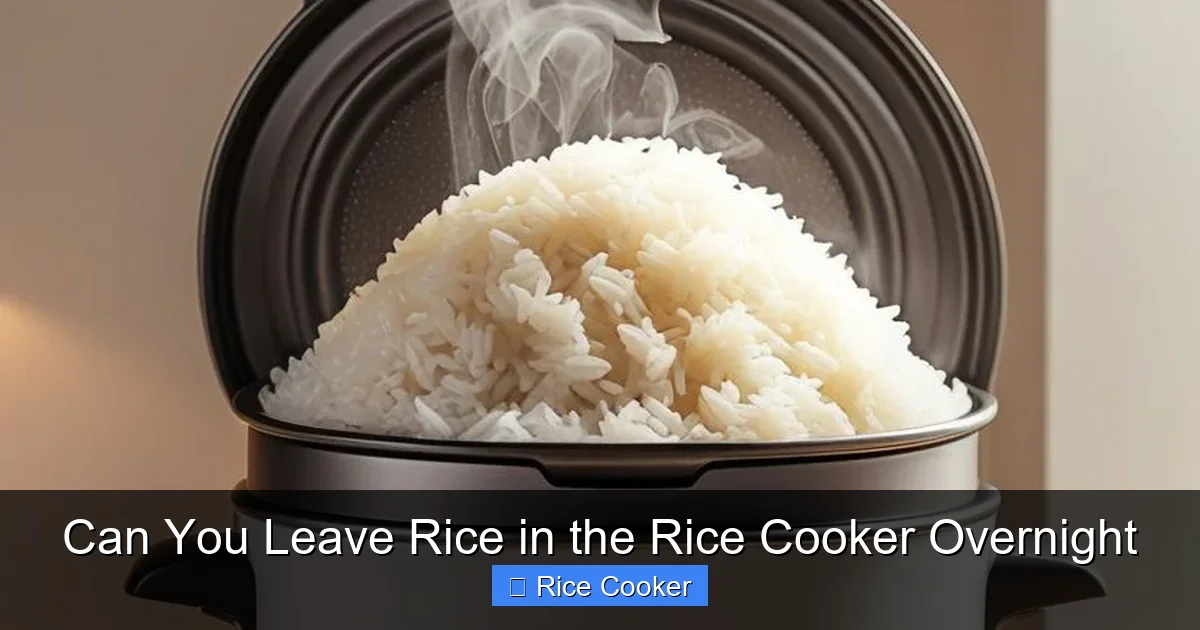
One of the biggest concerns when discussing whether you can leave rice in the rice cooker overnight lies in the presence of Bacillus cereus. This spore-forming bacterium is naturally found in soil and grains, including rice. During the growing stage, rice plants absorb these spores from the environment. Even though high temperatures kill them during cooking, some spores may survive if the rice wasn’t heated enough or cooled too slowly.
Visual guide about Can You Leave Rice in the Rice Cooker Overnight
Image source: i.pinimg.com
Once cooked rice is exposed to temperatures between 40°F and 140°F—known as the “danger zone”—these spores can reactivate and begin multiplying rapidly. Within just a few hours, they can reach levels high enough to produce toxins that cause gastrointestinal distress, including nausea, vomiting, and diarrhea. These symptoms typically appear 1 to 5 hours after eating contaminated rice.
Why Rice Is More Dangerous Than Other Grains
Unlike other starchy foods such as pasta or bread, rice has unique properties that make it particularly vulnerable to bacterial growth. First, rice contains more carbohydrates per unit volume, providing an excellent food source for bacteria. Second, it tends to retain moisture better than many other grains, creating an ideal environment for microbial activity.
Additionally, short-grain rice—commonly used in Asian cuisine—has a higher starch content and sticks together more readily, increasing surface area contact with air and moisture. This means it may cool more slowly and stay wetter longer, further encouraging bacterial development. Even if you use jasmine, basmati, or brown rice, the same principles apply: if not handled correctly, all types of cooked rice can become unsafe if left out too long.
How Long Can You Safely Leave Rice in the Cooker?
The USDA’s General Guidelines
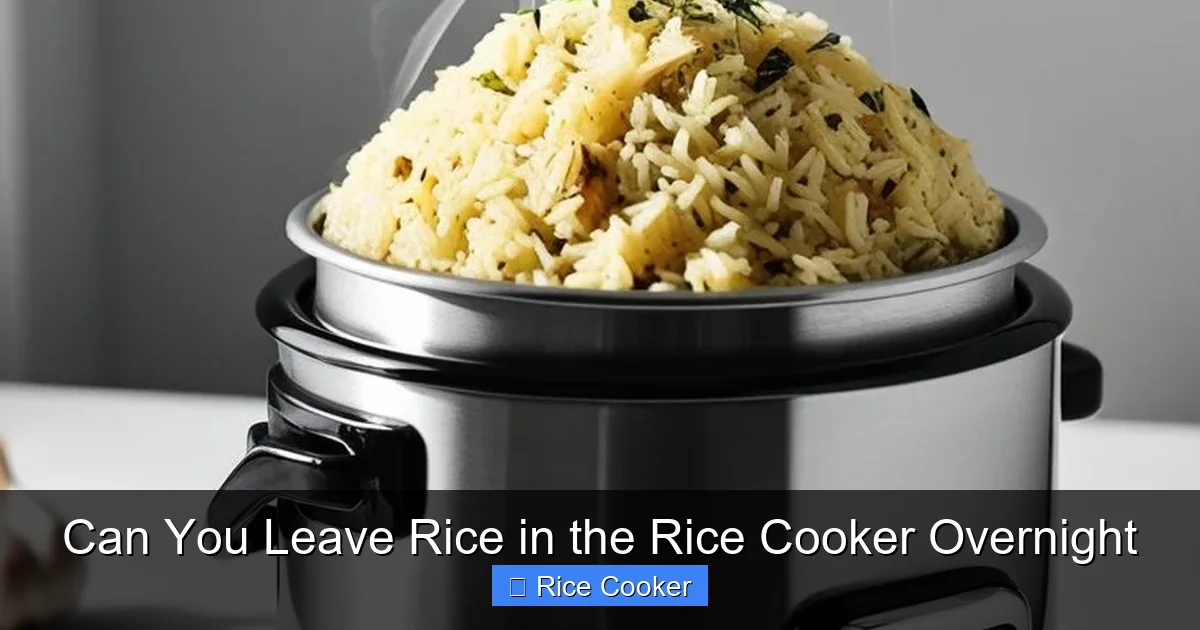
The United States Department of Agriculture (USDA) recommends that perishable foods like cooked rice should not be left at room temperature for more than two hours. After that window closes, the risk of bacterial contamination rises sharply. Many rice cookers have a “keep warm” function that maintains food at around 170°F, which sounds safe—but here’s the catch: once the cooker turns off automatically or the power goes out, the rice begins cooling into the danger zone.
Visual guide about Can You Leave Rice in the Rice Cooker Overnight
Image source: i.pinimg.com
Even with consistent warmth, prolonged exposure to heat accelerates protein breakdown and nutrient loss. Overnight storage (8+ hours) dramatically increases both bacterial growth and textural degradation. Therefore, while some people might argue that their rice cooker never shuts off, it’s still not recommended to rely on it as a long-term storage solution.
What About the “Keep Warm” Function?
Modern rice cookers often feature advanced “keep warm” modes that cycle between heating elements to maintain optimal serving temperature. Some models even claim 24-hour warm settings. However, these functions are meant for short-term holding (up to 4–6 hours), not extended storage. Manufacturers design them for convenience during mealtime, not for preserving food overnight.
Moreover, studies show that even with active warming, moisture evaporates over time, leading to crusting or hardening of the rice. This alters texture and flavor, making reheating less effective. So while technically possible, using your rice cooker as a refrigerator substitute is neither safe nor ideal.
Best Practices for Storing Leftover Rice
Cooling Down Quickly
Speed is your best friend when it comes to preventing bacterial growth. As soon as your rice is done cooking, spread it out in shallow containers or place portions directly into lidded containers. A wide surface area allows faster heat transfer to the surrounding air, helping it drop below 40°F more efficiently.
A useful trick is to divide large batches into smaller amounts—say, half-cup servings—so each portion cools uniformly without pooling. Avoid stirring constantly, as this introduces cold air and can create condensation inside the container, promoting mold or slime formation.
Refrigeration Tips
Once cooled to room temperature (usually within 30–60 minutes), place the rice in the refrigerator. Store it in airtight containers to prevent absorption of odors and moisture loss. Label each container with the date so you can track how long it’s been stored.
For best quality, consume refrigerated rice within 3–4 days. Beyond that, the flavor and texture degrade significantly, and the risk of spoilage increases. If you’re planning ahead, consider freezing portions for longer storage.
Freezing for Extended Shelf Life
Frozen rice can last up to six months without significant loss of nutrients or taste—provided it’s stored properly. Portion rice into freezer-safe bags or containers, removing as much air as possible to avoid freezer burn. Thaw frozen rice in the refrigerator overnight or microwave it directly when ready to eat.
Note that frozen rice may have a softer consistency upon thawing, especially if it was previously dried out during storage. To restore fluffiness, add a splash of water and steam briefly in the microwave or on the stovetop.
Reheating Rice Safely
Microwave Method
The quickest way to reheat leftover rice is in the microwave. Place the desired amount in a microwave-safe dish, cover loosely with a damp paper towel (this adds moisture and prevents drying), and heat in 30-second intervals until steaming hot throughout. Stir between bursts to ensure even heating.
Always check that the center reaches at least 165°F. Use a food thermometer if possible, especially when serving children, pregnant women, or elderly individuals who are more vulnerable to foodborne illness.
Stovetop Revival
For a fluffier result, try reheating rice on the stove. Add a tablespoon of water or broth to a nonstick pan, bring to a simmer, then add the rice. Cover and cook over low heat for 3–5 minutes, stirring occasionally. The gentle steam will revive moisture and separate grains.
This method works especially well for fried rice or dishes where texture matters—think stir-fries, casseroles, or grain bowls.
Oven Reheating
Preheat your oven to 350°F. Spread rice evenly on a baking sheet lined with parchment paper, sprinkle lightly with water, and cover tightly with foil. Bake for 10–15 minutes until heated through. Flip halfway through for uniform warmth.
While effective, this method uses more energy and takes longer than microwaving, so it’s best reserved for larger quantities or when multiple dishes need warming.
Meal Prep Strategies Using Rice
Batch Cooking and Storage
Many home cooks prepare rice in bulk on weekends to save time during busy weekdays. This practice, known as batch cooking, involves preparing several servings at once and storing them for later use. When done correctly, it’s a healthy, efficient way to manage meals.
To maximize benefits: cook rice with herbs or spices for added flavor; pair it with proteins and vegetables for balanced nutrition; and portion it into individual servings for easy grabbing. Remember to cool and refrigerate promptly after cooking.
Using Rice in Recipes
Rice isn’t just for side dishes—it shines in soups, salads, risottos, and even desserts like rice pudding. Pre-cooked rice simplifies many recipes, reducing prep time and ensuring consistent texture. For example, adding chilled rice to a cold noodle salad creates a satisfying crunch, while warm rice mixed with sautéed mushrooms makes a comforting risotto base.
When substituting pre-cooked rice in recipes, adjust liquid ratios accordingly, as reheated rice may absorb more moisture than fresh-cooked varieties.
Travel-Friendly Rice Options
For picnics, lunchboxes, or outdoor gatherings, consider packing rice in vacuum-sealed pouches or insulated lunch containers. These keep rice warm or cool depending on your needs. Just remember to reheat fully before consumption if it’s been stored at ambient temperature for extended periods.
Common Myths About Rice Storage
Myth: “Rice Cooker Keep Warm = Safe All Night”
While tempting, this belief is dangerous. Even with constant heating, rice continues to lose moisture and develop off-flavors. Plus, power outages, mechanical failures, or thermostat malfunctions can cause sudden temperature drops into the danger zone.
Myth: “Brown Rice Is Safer Than White Rice”
Not necessarily. Brown rice has more fiber and nutrients, but it also contains more oils that can go rancid faster. Both types are equally susceptible to bacterial growth if mishandled post-cooking.
Myth: “Leftover Rice Smells Fine, So It’s Safe”
Spoiled rice may not always emit strong odors initially. Toxins produced by Bacillus cereus don’t alter smell or taste, so visual cues like sliminess or discoloration aren’t foolproof either. When in doubt, follow the “use within 3–4 days” rule.
Conclusion: Stay Smart, Eat Safely
So, can you leave rice in the rice cooker overnight? The honest answer is no—not if you care about your health. While modern appliances offer convenience, they shouldn’t replace proper food handling practices. By cooling rice quickly, refrigerating promptly, and reheating thoroughly, you protect yourself from potentially harmful bacteria without sacrificing taste or nutrition.
Whether you’re meal prepping for the week or simply saving leftovers, keeping these guidelines in mind ensures every bowl of rice is as safe as it is delicious. Your future self—and your taste buds—will thank you.
Frequently Asked Questions
Should I rinse rice before cooking if I plan to store leftovers?
Yes, rinsing removes excess starch, which reduces clumping during storage and reheating. It also improves overall texture and helps prevent bacterial adhesion.
Can I reheat rice more than once?
Technically yes, but each reheating cycle increases the risk of contamination and nutrient loss. Limit reheating to once or twice for best quality and safety.
Does adding salt or vinegar help preserve rice?
Salt can enhance flavor but doesn’t significantly extend shelf life. Vinegar lowers pH slightly, which may inhibit some bacteria, but refrigeration remains the most reliable preservation method.
What’s the difference between “keep warm” and “warm” settings?
“Keep warm” usually cycles the heating element to maintain temperature; “warm” simply indicates the current temperature without active heating. Neither is suitable for overnight storage.
Can kids and pregnant women safely eat reheated rice?
Yes, provided the rice is reheated thoroughly to 165°F and stored properly. These groups are more vulnerable to foodborne illness, so strict adherence to safety rules is crucial.
Is instant rice different when it comes to storage?
Instant rice cooks faster and has lower moisture content, making it slightly less prone to rapid spoilage. Still, follow the same storage guidelines after cooking.