
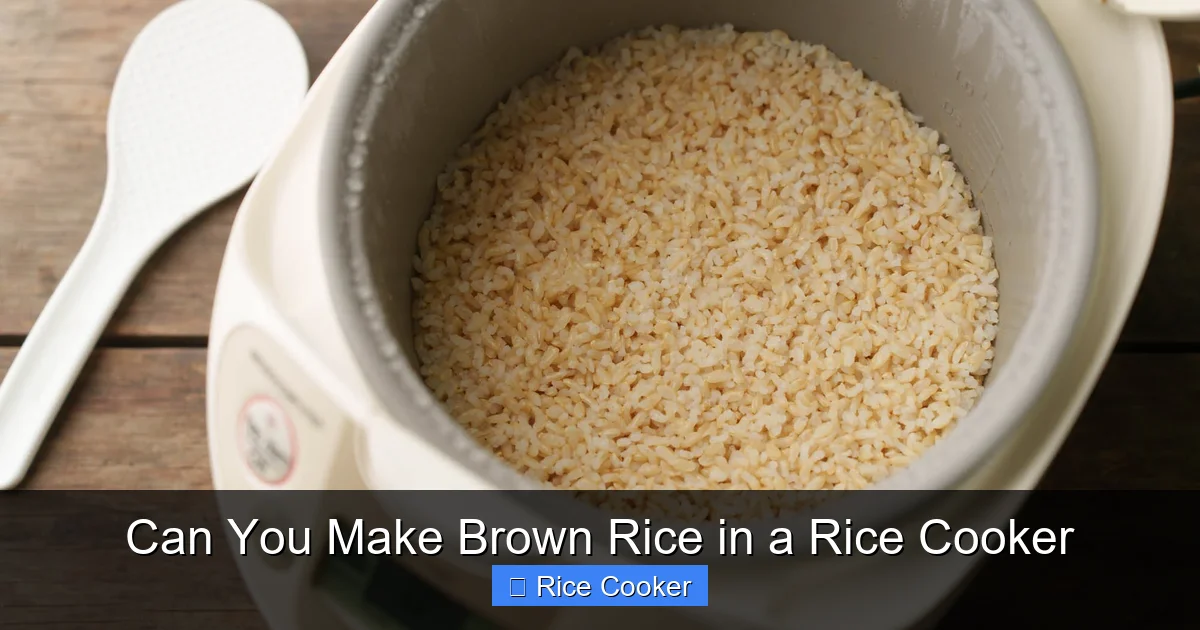
Can you make brown rice in a rice cooker? Absolutely! With the right water ratio and a few helpful tips, your rice cooker can produce tender, nutritious brown rice just like white rice. Whether you’re new to cooking whole grains or looking to upgrade your meal prep routine, this guide will show you how easy it is to enjoy flavorful, healthy brown rice using everyday kitchen tools.
Key Takeaways
- Yes, you can make brown rice in a rice cooker: It’s one of the simplest and most reliable ways to cook brown rice at home.
- Use the correct water-to-rice ratio: Typically 1.5 to 1.75 cups of water per 1 cup of uncooked brown rice.
- Soaking improves texture: Soaking brown rice for 20–30 minutes helps it cook more evenly and reduces stickiness.
- Don’t skip the resting period: Let the cooked rice sit for 5–10 minutes after cooking to finish steaming and absorb excess moisture.
- Choose the right rice cooker settings: Some models have a “brown rice” or “whole grain” setting for optimal results.
- Experiment with seasoning and storage: Add herbs, salt, or store leftovers properly to maintain freshness and flavor.
[FEATURED_IMAGE_PLACEHOLDER]
Key Takeaways
- Understanding can you make brown rice in a rice cooker: Provides essential knowledge
Quick Answers to Common Questions
Can you make brown rice in any rice cooker?
Yes, most rice cookers can make brown rice, though models with a dedicated “brown rice” setting will yield better results due to optimized timing and temperature.
How much water do I use for brown rice in a rice cooker?
Use 1.5 to 1.75 cups of water per 1 cup of uncooked brown rice, depending on the grain type. Check your rice cooker’s manual for specific recommendations.
Should I soak brown rice before cooking?
Soaking for 20–30 minutes is optional but highly recommended—it improves texture, reduces cooking time, and helps prevent stickiness.
Why is my brown rice always mushy?
Mushy rice usually results from too much water or overcooking. Try reducing water by ¼ cup and avoid stirring after cooking.
Can I cook brown rice in a slow cooker instead?
Yes, but it requires longer cooking time (about 60–90 minutes on low) and careful monitoring. A rice cooker is faster and more hands-off.
📑 Table of Contents
- Introduction: The Surprising Simplicity of Making Brown Rice
- The Science Behind Cooking Brown Rice
- Choosing the Right Rice Cooker for Brown Rice
- Step-by-Step Guide: How to Make Perfect Brown Rice in a Rice Cooker
- Common Mistakes and How to Fix Them
- Tips for Elevating Your Brown Rice
- Storing and Reheating Brown Rice
Introduction: The Surprising Simplicity of Making Brown Rice
Have you ever looked at your rice cooker and wondered, “Can you really make brown rice in a rice cooker?” The short answer is yes—and not only yes, but yes with delicious results. While many people associate rice cookers with fluffy white rice, modern appliances are more than capable of handling the slightly denser, heartier texture of brown rice. In fact, using a rice cooker might be one of the best ways to ensure your brown rice turns out perfectly cooked every single time.
Unlike stovetop methods, which require constant attention and precise timing, a rice cooker does all the hard work for you. You simply measure, add water, press a button, and wait. No stirring, no guesswork, no burnt bottoms. This makes rice cookers ideal not just for busy parents or professionals, but also for anyone trying to incorporate more whole grains into their diet without the hassle.
Brown rice is packed with fiber, vitamins, and minerals—making it a smart choice for a balanced diet. But let’s be honest: if cooking it feels complicated or risky (like ending up with mushy or undercooked grains), you’re less likely to use it. That’s where the rice cooker shines. By following a few simple guidelines, you can transform plain brown rice into a nutritious, satisfying side dish that pairs beautifully with stir-fries, curries, grilled meats, or even as a base for bowls.
In this article, we’ll walk you through everything you need to know about making brown rice in a rice cooker—from choosing the right appliance to mastering the perfect water ratio, and even storing leftovers like a pro. Whether you’re a beginner or a seasoned home cook, you’ll find practical tips and clear instructions to help you master this whole-grain staple.
The Science Behind Cooking Brown Rice
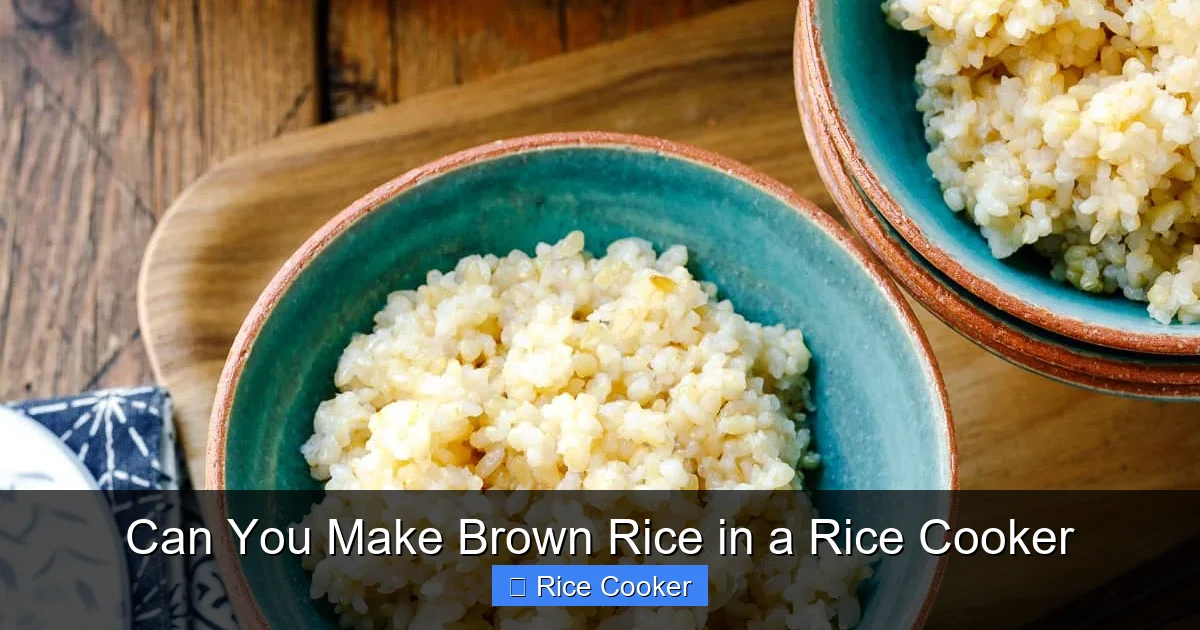
Visual guide about Can You Make Brown Rice in a Rice Cooker
Image source: justonecookbook.com
Before diving into the step-by-step process, it’s helpful to understand why brown rice behaves differently from white rice when cooked. Unlike refined white rice, which has its bran and germ removed, brown rice retains these nutrient-rich layers. These layers mean brown rice contains more fiber, protein, and essential fatty acids—but they also make it harder to cook evenly.
The bran layer acts like a barrier, slowing down water absorption and heat penetration. As a result, brown rice typically takes longer to cook than white rice. On the stove, this means you’d simmer it gently for 45–60 minutes. But in a rice cooker, the controlled environment helps manage this challenge more effectively.
Most rice cookers use a thermostat to detect when the water has been absorbed and the rice is done cooking. However, because brown rice absorbs water more slowly, some models may shut off too early, leaving the center undercooked. This is why adjusting the water ratio and using the right settings matters so much.
Additionally, brown rice has a higher oil content than white rice, which contributes to its nutty flavor and chewy texture. But this also means it can become sticky if overcooked or under-rinsed. Proper rinsing and soaking go a long way in preventing clumping and improving mouthfeel.
Understanding these differences empowers you to troubleshoot common issues—like mushy rice or uneven doneness—and make adjustments based on your specific rice cooker model and the type of brown rice you’re using (long-grain, short-grain, jasmine, basmati, etc.).
Choosing the Right Rice Cooker for Brown Rice
Visual guide about Can You Make Brown Rice in a Rice Cooker
Image source: lh3.googleusercontent.com
Not all rice cookers are created equal when it comes to handling brown rice. While most basic models can still produce decent results, investing in a high-quality appliance designed for versatility will give you better consistency and control.
Basic vs. Advanced Models
Entry-level rice cookers often lack specialized settings and may struggle with the extended cooking time required for brown rice. They usually rely solely on temperature detection, which can lead to premature shutdown before the rice is fully cooked.
On the other hand, advanced rice cookers feature multiple cooking programs—including dedicated “brown rice” or “whole grain” modes. These settings adjust both temperature and timing to mimic the gentle, prolonged simmering needed for brown rice. Some even include fuzzy logic technology that monitors moisture levels and adjusts heat accordingly.
Capacity Matters
Consider how much rice you typically cook. A 3-cup capacity works well for small households, while families may benefit from a 6- or 8-cup model. Larger capacities allow you to cook enough brown rice for meal prep without needing to repeat the process multiple times.
Non-Stick vs. Stainless Steel Inner Pots
Most rice cookers come with removable inner pots. Non-stick coatings are easier to clean and prevent sticking, which is especially useful when cooking brown rice. However, stainless steel pots are more durable and less likely to degrade over time. Just be sure to avoid metal utensils that could scratch non-stick surfaces.
Additional Features to Look For
– Keep-warm function: Keeps rice warm without drying it out.
– Timer: Allows for delayed start, great for meal planning.
– Steam vent: Helps release excess steam during cooking.
– Glass lid: Lets you monitor progress without opening the lid repeatedly.
If you already own a rice cooker, don’t worry—many older models can still handle brown rice with a few tweaks. Just remember to use extra water and possibly extend the cooking cycle manually if needed.
Step-by-Step Guide: How to Make Perfect Brown Rice in a Rice Cooker
Now that you understand the basics, here’s how to actually cook brown rice in your rice cooker. Follow these steps closely, and you’ll get consistently fluffy, tender results every time.
Step 1: Rinse the Rice Thoroughly
Start by placing 1 cup of uncooked brown rice in a fine-mesh strainer. Rinse it under cold running water for about 1–2 minutes, stirring occasionally. This removes excess starch and surface debris, which prevents clumping and ensures even cooking.
Pro tip: Don’t skip this step! Unrinsed brown rice tends to be gummy and overly sticky.
Step 2: Soak the Rice (Optional but Recommended)
Soaking isn’t mandatory, but it makes a noticeable difference. After rinsing, let the rice soak in water for 20–30 minutes. This softens the outer bran layer, allowing water to penetrate more evenly and reducing overall cooking time.
For even better results, try soaking overnight in the fridge. Drain and rinse again before cooking.
Step 3: Measure Water Accurately
The key to successful brown rice lies in the water ratio. Use between 1.5 and 1.75 cups of water for every 1 cup of rice. Here’s a quick reference:
– Short-grain brown rice: 1.5 cups water
– Long-grain (like basmati or jasmine): 1.75 cups water
– Instant brown rice: Follow package instructions—it often requires less water
Always check your rice cooker manual first, as some models recommend different ratios.
Step 4: Add Ingredients to the Cooker
Transfer the rinsed (and soaked) rice to the inner pot. Pour in the measured water. If desired, add a pinch of salt, a teaspoon of oil or butter, or even a bay leaf for extra flavor. Swirl gently to distribute ingredients evenly.
Step 5: Select the Appropriate Setting
If your rice cooker has a “Brown Rice” or “Whole Grain” setting, choose it. This activates a longer cooking cycle with lower heat, mimicking traditional stovetop methods.
If no special setting exists, use the standard “Cook” mode—just expect the cycle to take longer than usual.
Step 6: Start Cooking and Avoid Opening the Lid
Press the start button and resist the urge to peek! Opening the lid releases steam and can disrupt the cooking process. Let the rice cook undisturbed until the machine switches to “Keep Warm.”
Step 7: Rest and Fluff
Once cooking is complete, let the rice rest for 5–10 minutes with the lid on. This allows residual steam to finish cooking the grains and firms up the texture. Then, use a fork to gently fluff the rice—don’t mash it!
Common Mistakes and How to Fix Them
Even experienced cooks sometimes run into issues when making brown rice. Here are the most common problems—and how to solve them.
Mushy or Sticky Rice
This usually happens when too much water is used or the rice is overcooked. To fix it:
– Reduce water by ¼ cup next time
– Avoid stirring after cooking
– Ensure you’re using the correct rice variety for your cooker
Undercooked or Hard Center
If the middle remains firm, the rice cooker may have shut off too soon. Try:
– Increasing water slightly (by ½ cup)
– Extending cooking time manually if your model allows
– Pre-soaking the rice thoroughly
Rice Sticks to the Pot
This indicates either insufficient water or poor rinsing. Solutions:
– Rinse rice longer and more carefully
– Add a splash of oil to the water
– Clean the inner pot regularly to remove residue buildup
Inconsistent Texture
Some grains are soft while others remain crunchy. This suggests uneven distribution or old rice. Try:
– Storing rice in an airtight container
– Using fresh rice whenever possible
– Stirring once halfway through cooking (only if your cooker allows)
With practice, you’ll learn to recognize what works best for your setup.
Tips for Elevating Your Brown Rice
Plain brown rice is nutritious, but it doesn’t have to be boring. With a few creative touches, you can turn it into a flavorful, satisfying dish.
Add Aromatics Before Cooking
Instead of plain water, use broth (chicken, vegetable, or mushroom) for deeper flavor. You can also toss in garlic cloves, onion slices, or a sprig of thyme before adding rice and water.
Season After Cooking
After fluffing, mix in fresh herbs like parsley or cilantro, a drizzle of olive oil, or a squeeze of lime juice. A pat of butter adds richness and creaminess.
Make It a Bowl
Turn your brown rice into a complete meal by building a grain bowl. Top with roasted vegetables, grilled chicken, avocado, and a tahini dressing. It’s healthy, colorful, and Instagram-worthy.
Freeze Leftovers for Quick Meals
Portion cooked brown rice into freezer bags or containers. Thaw in the microwave or reheat directly from frozen—it works great in stir-fries, salads, or stuffed peppers.
Storing and Reheating Brown Rice
Proper storage keeps brown rice fresh and safe to eat. Always cool cooked rice within two hours of cooking to prevent bacterial growth.
Store leftover rice in an airtight container in the refrigerator for up to 5 days. For longer storage, freeze portions for up to 6 months.
When reheating, add a splash of water or broth to restore moisture. Cover and microwave in 30-second intervals, stirring between each, until heated through.
Avoid microwaving rice that’s been sitting at room temperature for more than an hour—bacteria like Bacillus cereus can grow rapidly in cooked grains.
Frequently Asked Questions
Is brown rice healthier than white rice?
Yes, brown rice retains its bran and germ, providing more fiber, vitamins, and minerals. It also has a lower glycemic index, helping stabilize blood sugar.
Can I cook brown rice in a pressure cooker?
Absolutely. Use the same water ratio and set the pressure cooker to cook for 15–20 minutes on high pressure. Natural release is best.
Does brown rice need to be soaked?
Soaking is not required but helps improve texture and cooking uniformity. A 20–30 minute soak is sufficient.
How long does cooked brown rice last in the fridge?
Cooked brown rice stays fresh in the refrigerator for up to 5 days when stored in an airtight container.
Can I add salt or spices to brown rice while cooking?
Yes, you can add a pinch of salt, garlic, or herbs to the water before cooking to infuse flavor.
What’s the difference between brown rice and wild rice?
Wild rice is a different species altogether and not technically rice. It has a nuttier flavor and firmer texture, and requires longer cooking times.