
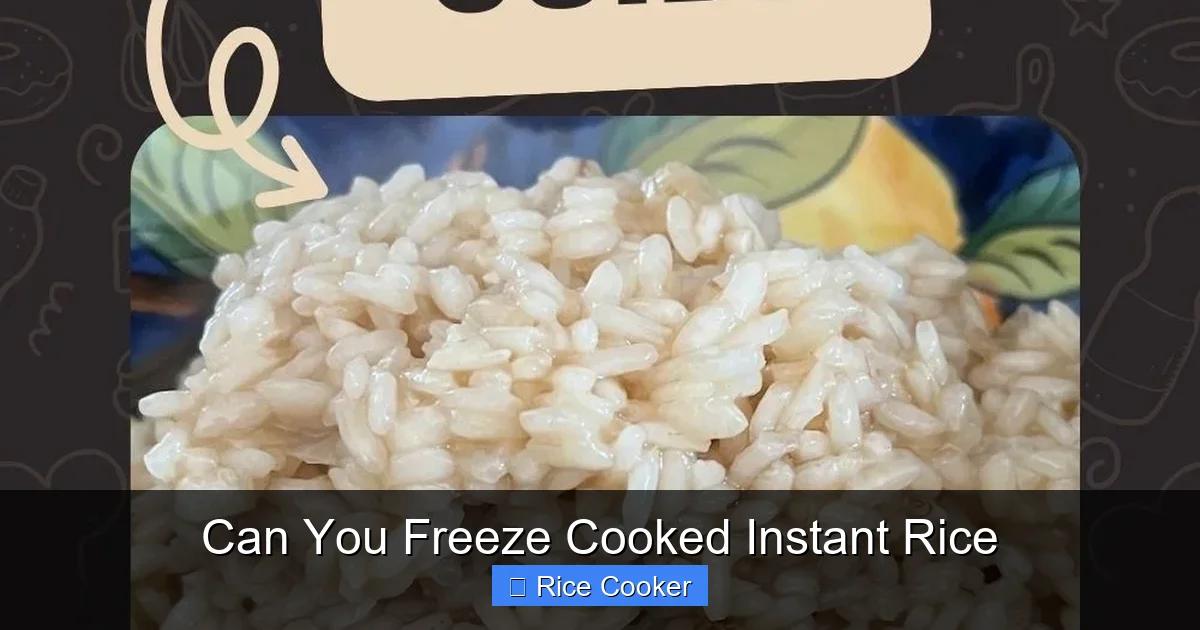
Can you freeze cooked instant rice? Absolutely — it’s a smart way to save time and reduce food waste. With proper packaging and storage, cooked instant rice keeps well in the freezer for up to 3 months, maintaining its texture and flavor when reheated correctly.
Key Takeaways
- Freezing cooked instant rice is safe and effective — it preserves quality and extends shelf life without compromising taste.
- Proper portioning prevents freezer burn — divide into meal-sized servings before freezing for easier thawing and reheating.
- Use airtight containers or freezer bags — this protects the rice from moisture and odors in your freezer.
- Label and date your containers — helps you keep track of freshness and avoid using expired batches.
- Thaw safely in the fridge or cold water — never thaw at room temperature to prevent bacterial growth.
- Reheat with care to restore texture — steaming or microwaving with a splash of water brings back moisture and fluffiness.
- Ideal for meal prep and busy weeks — freeze instant rice ahead to simplify dinners and lunches.
📑 Table of Contents
- Can You Freeze Cooked Instant Rice?
- The Science Behind Freezing Rice
- Why Freeze Instant Rice in the First Place?
- How to Properly Freeze Cooked Instant Rice
- How Long Can You Keep Frozen Instant Rice?
- How to Thaw and Reheat Frozen Instant Rice
- Common Mistakes to Avoid
- Benefits of Freezing Instant Rice for Meal Prep
- Instant Rice vs. Other Rice Types
- Final Thoughts: Is Freezing Instant Rice Worth It?
Can You Freeze Cooked Instant Rice?
If you’re a fan of quick, convenient meals, chances are you’ve reached for that handy box of instant rice more than once. Whether it’s a side dish for stir-fry, a base for fried rice, or a simple lunch bowl, instant rice saves time and fits into almost any meal plan. But what happens when you cook more than you need? Do you toss it out? Not if you know the secret: yes, you absolutely can freeze cooked instant rice. In fact, freezing is one of the most efficient ways to preserve leftover rice without losing quality. When done right, frozen instant rice retains its fluffy texture and mild flavor, ready to be reheated in minutes. This article dives deep into everything you need to know about freezing cooked instant rice — from preparation and storage to thawing and reheating techniques. Let’s explore why this simple step can make your meal prep smarter and your kitchen more sustainable.
The Science Behind Freezing Rice
Before we get into the “how,” let’s talk about the “why.” Rice, especially instant rice, contains starch molecules that break down during cooking. When cooled rapidly (like when freezing), these starches recrystallize, which can affect texture. However, because instant rice is pre-cooked and dried, it has already undergone significant starch modification. This means it freezes and thaws more gracefully than long-grain or basmati rice. The key to successful freezing lies in controlling moisture and preventing ice crystal formation. By using proper containers and avoiding large blocks, you minimize damage to the rice structure. Freezing also slows down enzyme activity and microbial growth, effectively preserving the rice until you’re ready to use it. So, while not all rice types freeze equally well, instant rice stands out as one of the best candidates for freezer storage.

Visual guide about Can You Freeze Cooked Instant Rice
Image source: acouplecooks.com
Why Freeze Instant Rice in the First Place?
There are several practical reasons to freeze cooked instant rice. First and foremost, it reduces food waste. According to the USDA, Americans throw away nearly one-third of all food produced each year — much of it due to spoilage or over-preparation. By freezing leftovers, you extend their usability and save money. Second, freezing supports meal planning. If you know you’ll want instant rice for stir-fry or rice bowls this week, cook a batch now and freeze portions. This cuts down on last-minute cooking stress and ensures you always have a nutritious base ready. Third, freezing maintains nutritional value. While some vitamins degrade over time, freezing actually helps lock in nutrients better than prolonged refrigeration. Finally, it’s a great strategy for busy households. Parents, students, and professionals alike benefit from having quick, ready-to-eat components on hand.

Visual guide about Can You Freeze Cooked Instant Rice
Image source: freezeit.net
How to Properly Freeze Cooked Instant Rice
Freezing cooked instant rice is straightforward, but doing it correctly makes all the difference. Start by allowing the rice to cool slightly after cooking — don’t seal it hot, as steam can create condensation and lead to freezer burn. Once it’s cool to the touch, portion it into manageable sizes. A good rule of thumb is to divide it into single-serving or half-serving amounts. This makes thawing and reheating faster and more consistent. Next, choose the right container. Airtight freezer-safe plastic containers, glass jars with tight lids, or heavy-duty freezer bags work well. If using bags, press out excess air before sealing — vacuum sealing is ideal but not necessary. Label each container with the date and contents. Then place it in the freezer. Avoid stacking heavy items on top of the containers to prevent crushing. Frozen instant rice can stay in the freezer for up to three months without noticeable loss in quality.
Best Containers for Freezing Rice
Not all containers are created equal when it comes to freezing. Glass is excellent because it doesn’t absorb odors or stains, but make sure it’s freezer-safe and won’t crack under temperature changes. Plastic containers should be BPA-free and designed for freezer use. Freezer bags are space-efficient and great for irregular shapes, but ensure they’re thick enough to resist tearing. Whichever you choose, always leave a small headspace — about half an inch — to allow for expansion as water turns to ice. Never use regular zip-top bags unless they’re specifically labeled for freezer use. And remember: once frozen, rice expands, so don’t overfill.
Portioning Tips for Ease of Use
Think of portioning like meal prep for rice. Instead of freezing a big batch all at once, consider dividing it into smaller cubes or rectangles. Some people even use silicone baking molds or ice cube trays lined with parchment paper. This method creates uniform portions that thaw quickly and reheat evenly. Another tip: freeze rice in layers separated by parchment paper. This prevents sticking and makes it easier to remove individual portions later. When you’re ready to use a portion, simply pop it out and reheat — no defrosting required.
How Long Can You Keep Frozen Instant Rice?
Cooked instant rice can safely remain in the freezer for up to three months. After that, while it may still be safe to eat, texture and flavor could begin to degrade. Signs of freezer burn — dry spots, discoloration, or off odors — indicate that the rice has absorbed too much moisture or developed ice crystals. If you notice these signs, it’s best to discard the affected portion. Always trust your senses: if it looks or smells unusual, don’t risk it. That said, many home cooks successfully use frozen instant rice beyond three months, especially if it was stored in optimal conditions. Just keep in mind that longer storage may result in slight changes in taste or consistency.
Signs Your Frozen Rice Has Gone Bad
While frozen rice is less prone to spoilage than refrigerated rice, it’s not immune to quality decline. Watch for mold, strong sour smells, or slimy textures upon thawing. Also, if the rice has darkened significantly or developed grayish patches, it may have absorbed freezer odors or suffered from poor packaging. These are clear indicators that the rice should not be consumed. Proper storage minimizes these risks, but vigilance pays off. When in doubt, throw it out — better safe than sorry, especially when it comes to food safety.
How to Thaw and Reheat Frozen Instant Rice
Thawing and reheating frozen instant rice is easy when you follow the right steps. For the safest approach, transfer the frozen portion to the refrigerator and let it thaw overnight. This slow thawing method preserves texture and reduces the risk of bacterial growth. If you’re in a hurry, place the sealed container in a bowl of cold water and change the water every 30 minutes until thawed. Never thaw rice at room temperature — bacteria multiply rapidly between 40°F and 140°F (the danger zone). Once thawed, reheat the rice thoroughly. Microwave it on high for 1–2 minutes per cup, adding a tablespoon of water to restore moisture. Stir halfway through. Alternatively, steam it over boiling water or heat it in a skillet with a lid to trap steam. The goal is to bring it back to a fluffy, warm state without drying it out.
Quick Reheating Methods
For those who prefer speed, here are a few fast options. In the microwave, place the rice in a microwave-safe dish, cover it with a damp paper towel, and heat in 30-second intervals. Stir after each interval to distribute heat evenly. On the stovetop, combine rice with a splash of broth or water in a saucepan, cover, and simmer on low heat for 5–7 minutes, stirring occasionally. Electric rice cookers can also be used — just add a little extra liquid and set to “warm” or “steam.” Each method works well, but the key is to reintroduce moisture gradually. Overheating can dry out the rice, so patience pays off.
Restoring Fluffy Texture
One common complaint about reheated rice is that it becomes mushy or clumpy. To avoid this, always add a small amount of liquid when reheating — even frozen rice loses moisture during storage. A teaspoon of water or broth per cup of rice works wonders. Also, fluff the rice gently with a fork before reheating to break up clumps. If the rice feels dry after thawing, sprinkle a bit of oil or butter while heating — this helps revive its natural sheen and softness. Remember: gentle handling goes a long way in maintaining quality.
Common Mistakes to Avoid
Even experienced cooks make mistakes when freezing rice. One frequent error is sealing hot rice in a container. This traps steam, leading to condensation and potential spoilage. Always let rice cool before freezing. Another mistake is overfilling containers. Ice expands, so leaving headspace prevents cracking. Skipping labels is another pitfall — without dates, you might forget how long the rice has been stored. Lastly, some people try to refreeze rice after thawing, which is generally safe but not recommended if the rice has been left at room temperature for more than two hours. Refreezing increases the risk of texture degradation and bacterial contamination.
What Happens If You Freeze Rice Too Long?
Storing rice beyond three months in the freezer isn’t necessarily dangerous, but quality suffers. The rice may become harder, drier, or develop off-flavors due to oxidation or freezer burn. It might also lose some of its original aroma and color. While still edible in most cases, the experience won’t be enjoyable. To preserve the best possible texture and flavor, aim to use frozen instant rice within three months. Plan your meal prep accordingly, and rotate stock regularly.
Can You Freeze Instant Rice Before Cooking?
Technically, yes — you can freeze uncooked instant rice. However, it’s not the most efficient method. Uncooked grains tend to clump together and may not distribute heat evenly during cooking. Plus, freezing raw rice adds an extra step without significant benefits. It’s far simpler and more effective to cook the rice, portion it, and then freeze. Save the raw freezing idea for bulk storage of other grains, but skip it for instant rice.
Benefits of Freezing Instant Rice for Meal Prep
Freezing cooked instant rice is a game-changer for anyone who values convenience and organization. Imagine waking up on a busy Monday morning and pulling out a perfectly reheated bowl of rice with soy sauce and vegetables — all ready to eat. With frozen portions on hand, this dream becomes reality. Freezing allows you to cook once and enjoy multiple meals throughout the week. It’s especially helpful for families, college students, or remote workers juggling multiple responsibilities. You can pair the rice with prepped proteins, stir-fried veggies, or even cold salads for variety. Plus, it encourages healthier eating habits by reducing reliance on takeout or processed foods.
Meal Prep Ideas Using Frozen Rice
Here are some creative ways to use your frozen instant rice. Make a batch on Sunday and use it for:
- Fried rice with scrambled eggs and mixed vegetables
- Rice bowls topped with grilled chicken, avocado, and teriyaki sauce
- Vegetable curry with coconut milk and spices
- Salads with chickpeas, cucumbers, and tahini dressing
- Rice pudding made with cinnamon, milk, and raisins (freeze-dough style)
Each of these meals takes just minutes to assemble once the rice is ready. And because the rice is already cooked and frozen, there’s no guesswork involved. Simply thaw, reheat, and mix in your favorite ingredients.
Sustainability Benefits
Beyond convenience, freezing rice supports eco-friendly living. Less food waste means fewer resources used in production, transportation, and disposal. It also reduces plastic packaging — buy rice in bulk and store it in reusable containers. When you freeze leftovers responsibly, you contribute to a more sustainable food system. Every small action adds up, and freezing rice is a simple, impactful choice.
Instant Rice vs. Other Rice Types
While the principles of freezing apply to most rice varieties, instant rice behaves differently due to its processing. Regular long-grain rice, such as basmati or jasmine, can also be frozen, but it often absorbs more water during thawing and may become gummy if not handled carefully. Brown rice, being higher in fiber and oil content, can go rancid if frozen improperly. Instant rice, however, is dried and stabilized, making it more forgiving. It freezes uniformly and reheats with minimal adjustment. For this reason, instant rice is often recommended for beginners learning to freeze rice. That said, with proper technique, other rice types can be preserved too — just follow the same guidelines: cool quickly, portion carefully, and store in airtight containers.
Tips for Freezing Other Rice Varieties
If you’re curious about freezing other kinds of rice, here’s how to adapt the process. For long-grain rice, spread it on a baking sheet before freezing to prevent clumping. For brown rice, add a teaspoon of oil per cup before freezing to prevent rancidity. Always use odor-proof containers for oily grains. And remember: regardless of type, the golden rules remain — cool, portion, label, and freeze promptly.
Final Thoughts: Is Freezing Instant Rice Worth It?
In short, yes — freezing cooked instant rice is not only worth it, it’s a smart kitchen habit. It saves time, reduces waste, supports healthy eating, and adds flexibility to your meal plans. With just a few simple steps — cooling, portioning, labeling, and storing — you unlock the full potential of instant rice. Whether you’re feeding a family, meal prepping for the week, or simply trying to use up leftovers, this method delivers consistent results. And the best part? It’s accessible to everyone, from novice cooks to seasoned chefs. So next time you open a package of instant rice, think twice before tossing the rest. Freeze it, and enjoy peace of mind knowing your future self will thank you.
Remember: food safety first. Always follow proper thawing and reheating practices, and trust your senses when evaluating quality. When done right, frozen instant rice is as delicious as the day it was cooked. Embrace this simple trick, and transform your kitchen routine for the better.
Frequently Asked Questions
Can you freeze cooked instant rice?
Yes, you can freeze cooked instant rice safely. It maintains its texture and flavor when properly packaged and stored in the freezer for up to three months.
How do you store frozen instant rice?
Store in airtight containers or heavy-duty freezer bags, leaving headspace for expansion. Label with the date and place in the freezer. Avoid overfilling and use within three months for best quality.
How long does frozen instant rice last?
Frozen cooked instant rice lasts up to three months in the freezer. Beyond that, quality may decline, though it remains safe if stored properly and shows no signs of freezer burn.
How do you reheat frozen instant rice?
Thaw in the refrigerator or under cold running water. Reheat in the microwave with a splash of water or on the stovetop with a lid to retain moisture. Add liquid gradually to restore fluffiness.
Can you freeze instant rice before cooking?
While possible, freezing uncooked instant rice is not recommended. It’s more efficient to cook, portion, and then freeze. Raw grains may clump and cook unevenly.
Does freezing affect the taste of instant rice?
When frozen and reheated correctly, instant rice retains its mild, neutral flavor. Poor storage or extended freezing may cause slight changes, but proper technique minimizes any impact.