
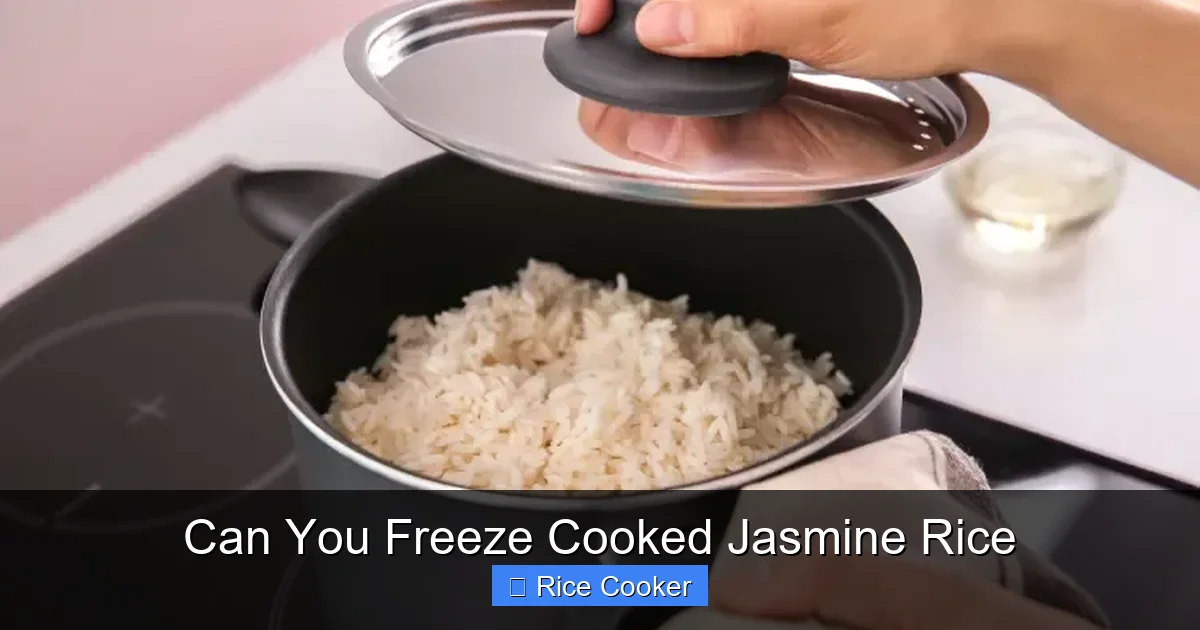
Can you freeze cooked jasmine rice? Absolutely—freezing is a smart way to preserve your leftover rice for weeks without losing much flavor or texture. When stored properly in airtight containers or freezer bags, cooked jasmine rice keeps well for up to 6 months. Just make sure it’s cooled completely before freezing to avoid ice crystals and bacterial growth. With a little preparation, you’ll always have ready-to-eat rice on hand for stir-fries, bowls, or quick meals.
Key Takeaways
- Yes, you can safely freeze cooked jasmine rice—it stays good for up to 6 months when stored properly.
- Cooling before freezing is essential to prevent condensation and bacterial contamination.
- Airtight containers or freezer-safe bags work best to maintain quality and prevent freezer burn.
- Labeling with dates helps track freshness and ensures you use the oldest portions first.
- Thawing and reheating require care—use the microwave or stovetop gently to avoid mushiness.
- Freezing preserves nutrients moderately, but texture may change slightly over time.
- Portion control improves convenience—freeze in meal-sized batches for easier thawing.
📑 Table of Contents
- Introduction: Why Freeze Cooked Jasmine Rice?
- Understanding Jasmine Rice and Its Properties
- How Long Can You Freeze Cooked Jasmine Rice?
- Step-by-Step Guide: How to Freeze Cooked Jasmine Rice
- Best Practices for Storing Frozen Jasmine Rice
- Reheating Frozen Jasmine Rice: Tips and Techniques
- Common Myths About Freezing Cooked Rice
- Creative Ways to Use Frozen Jasmine Rice
- Conclusion: Freeze with Confidence
Introduction: Why Freeze Cooked Jasmine Rice?
Have you ever cooked too much jasmine rice and wondered what to do with the leftovers? You’re not alone. Jasmine rice is beloved for its fragrant aroma, soft texture, and versatility in dishes like Thai curries, stir-fries, and rice bowls. But when you end up with more than you can eat in one sitting, the natural question arises: can you freeze cooked jasmine rice? The short answer is yes—and doing so can save time, reduce food waste, and keep your pantry stocked with ready-to-use grains.
Freezing cooked jasmine rice isn’t just about convenience; it’s also a practical strategy for meal prep and emergency planning. Whether you’re preparing for a busy week, stocking up during a bulk grocery trip, or simply want to avoid throwing away perfectly good food, freezing offers a reliable solution. However, like any food preservation method, it requires attention to detail. Temperature control, container selection, and proper thawing all play key roles in maintaining the rice’s quality.
In this guide, we’ll walk through everything you need to know about freezing cooked jasmine rice—from the science behind why it works to step-by-step instructions that ensure your rice stays delicious long after it leaves the fridge. We’ll also share tips for maximizing shelf life, avoiding common mistakes, and reviving frozen rice like a pro. So grab a cup of tea, settle in, and let’s explore how to master the art of frozen jasmine rice.
Understanding Jasmine Rice and Its Properties
Before diving into freezing techniques, it’s helpful to understand what makes jasmine rice unique—and how those qualities affect storage.

Visual guide about Can You Freeze Cooked Jasmine Rice
Image source: freezeit.net
The Science of Jasmine Rice
Jasmine rice is a type of long-grain rice native to Thailand, known for its distinctive floral aroma and slightly sticky texture when cooked. Unlike basmati rice, which becomes fluffy and separate, jasmine rice tends to clump together due to higher amylopectin content—a starch that promotes stickiness. This characteristic makes it ideal for dishes like pad thai or fried rice but can also pose challenges when freezing.
When frozen, the water in jasmine rice forms ice crystals, which can disrupt cell walls and lead to a gummy texture upon thawing. However, with proper handling—such as rapid cooling and airtight sealing—this effect can be minimized. The key is preserving moisture balance while preventing microbial growth.
Why Freeze Cooked Rice?
Cooking rice increases its susceptibility to spoilage because it provides an environment where bacteria like Bacillus cereus can thrive. These spores are naturally present in rice and become active once the grain is cooked and kept at room temperature. Within two hours, they can multiply rapidly, especially between 40°F and 140°F (the “danger zone”). Freezing halts this process by slowing down bacterial activity, effectively extending shelf life.
Additionally, freezing helps retain flavor and prevents the rice from drying out. While some texture changes are inevitable over time, many people find that properly frozen jasmine rice remains suitable for most recipes, including soups, casseroles, and salads.
How Long Can You Freeze Cooked Jasmine Rice?
One of the most common questions is: how long does frozen jasmine rice last? The general rule is that cooked rice can be safely stored in the freezer for up to six months. Beyond that point, while still technically safe to eat, quality begins to decline.

Visual guide about Can You Freeze Cooked Jasmine Rice
Image source: freezeit.co.uk
Quality vs. Safety
It’s important to distinguish between safety and quality when discussing frozen rice. According to food safety experts at the USDA, cooked rice remains safe indefinitely in the freezer. However, after six months, you may notice:
- Drier texture
- Loss of aroma
- Slightly chalky appearance
- Increased risk of freezer burn if packaging wasn’t optimal
To maintain peak quality, aim to consume frozen jasmine rice within three to four months. For best results, label containers with both the date and contents—this simple habit prevents confusion and reduces waste.
Signs Your Frozen Rice Is Still Good
Even after several months, your frozen jasmine rice might still be edible. Look for these indicators:
- No off-odors—jasmine rice should retain its mild floral scent even when frozen.
- Minimal discoloration—slight whitening is normal, but mold or dark spots signal spoilage.
- Acceptable texture post-thaw—if it’s still usable in recipes, it’s likely fine.
If in doubt, trust your senses. Smell first, then taste a small amount if appropriate for the dish you’re making.
Step-by-Step Guide: How to Freeze Cooked Jasmine Rice
Freezing cooked jasmine rice doesn’t require special equipment—just a few mindful steps. Follow this process to preserve your rice effectively:
Step 1: Cool the Rice Quickly
After cooking, spread the hot rice on a baking sheet or shallow pan to cool rapidly. This step prevents condensation buildup inside the freezer container, which can dilute flavor and promote ice crystal formation. Avoid letting rice sit at room temperature for more than two hours.
Step 2: Portion Into Meal-Sized Batches
Divide the cooled rice into portions based on how you plan to use it later. Common sizes include:
- ½ cup for salads
- ¾ cup for stir-fries
- 1 cup for bowls or side dishes
Smaller portions thaw faster and reheat more evenly, reducing the chance of uneven cooking.
Step 3: Use Airtight Containers or Freezer Bags
Transfer each portion to either:
- Freezer-safe plastic containers with tight lids
- Heavy-duty resealable freezer bags (preferably with double zipper seals)
For bags, lay them flat to save space and allow air to escape before sealing. Remove as much air as possible to prevent freezer burn.
Step 4: Label and Date Everything
Use waterproof labels to mark each container or bag with the date and quantity. This practice simplifies meal planning and ensures older batches get used first.
Step 5: Freeze Flat (If Using Bags)
If using freezer bags, place them flat in the freezer. This flattens them for efficient stacking and faster thawing later.
Best Practices for Storing Frozen Jasmine Rice
Proper storage is crucial to maintaining the flavor, texture, and safety of your frozen rice. Here are expert-recommended best practices:
Choose the Right Container Type
Glass containers offer excellent durability and don’t absorb odors, but they’re heavier and more prone to breaking. Plastic containers are lightweight and stackable but may degrade over time due to freezer temperatures. Freezer bags are space-efficient and flexible but require careful sealing.
Regardless of material, always opt for containers labeled “freezer safe.” Avoid metal containers unless specifically designed for freezing—they can rust or react with acidic foods.
Leave Room for Expansion
Water expands when it freezes. If your container is too full, the lid may crack or warp. Leave about an inch of headspace at the top of rigid containers or squeeze out excess air from bags.
Avoid Double-Dipping
Once thawed, never refreeze cooked rice unless it’s been reheated to steaming hot (165°F). Repeated freeze-thaw cycles increase the risk of bacterial growth and texture degradation.
Store Away from Strong Odors
Jasmine rice has a delicate fragrance. Keep it away from fish, onions, or other strong-smelling foods in the freezer to prevent cross-contamination of flavors.
Reheating Frozen Jasmine Rice: Tips and Techniques
Thawing and reheating frozen jasmine rice correctly is just as important as freezing it properly. Poor technique can result in mushy, dry, or unevenly heated grains. Here’s how to revive your rice like a pro:
Method 1: Microwave (Fastest Option)
1. Place the frozen rice in a microwave-safe bowl.
2. Cover with a damp paper towel or microwave-safe lid to trap steam.
3. Heat on high in 30-second intervals, stirring between bursts, until warm throughout.
4. Let stand for 1–2 minutes to redistribute heat.
This method works best for small portions and yields moist results.
Method 2: Stovetop (Best for Texture)
1. Transfer frozen rice to a saucepan.
2. Add a splash of water or broth per cup of rice.
3. Heat over medium-low, stirring frequently, until steam rises and rice feels warm.
4. Reduce heat to low and cover for 2–3 minutes to finish heating.
The stovetop allows better control over moisture and helps restore fluffiness.
Method 3: Oven (For Large Quantities)
Preheat oven to 300°F. Spread rice on a baking sheet lined with parchment, add water (¼ cup per cup of rice), cover tightly with foil, and bake for 15–20 minutes. Stir halfway through.
Avoid These Mistakes
- Never defrost at room temperature—this encourages bacterial growth.
- Don’t over-stir—excessive agitation breaks apart grains.
- Skip high heat—it dries out the exterior before the interior warms.
Common Myths About Freezing Cooked Rice
Despite its popularity, freezing cooked jasmine rice comes with misconceptions. Let’s debunk a few:
Myth 1: “Freezing ruins all rice”
While freezing can alter texture slightly, modern techniques minimize negative effects. Many home cooks successfully freeze rice weekly without noticing major differences—especially when used in recipes where texture isn’t critical.
Myth 2: “You must cook rice ahead of time to freeze it”
Actually, you can freeze uncooked jasmine rice! Dry rice freezes well and retains quality for up to a year. However, cooking first allows for portioning and immediate use after thawing.
Myth 3: “All rice types freeze equally well”
Short-grain and sticky rices (like sushi or glutinous) behave differently than long-grain varieties like jasmine. Their higher starch content makes them more prone to gumminess when frozen. Still, with proper handling, even these can be preserved.
Myth 4: “Leftover rice is always unsafe”
This stems from outdated advice about reheating rice once. As long as rice is refrigerated promptly (< 2 hours after cooking) and stored below 40°F, it’s safe to freeze. Freezing actually extends safety beyond refrigeration limits.
Creative Ways to Use Frozen Jasmine Rice
Frozen jasmine rice isn’t just for reheating straight from the freezer—it shines in countless recipes:
- Rice Pudding: Thaw and simmer with milk, sugar, cinnamon, and raisins.
- Fried Rice: Sauté with eggs, vegetables, soy sauce, and protein.
- Rice Salad: Mix with chopped veggies, herbs, olive oil, and lemon juice.
- Casseroles: Combine with cheese, meat, and cream soup for baked dishes.
- Porridge or Congee**: Simmer thawed rice with extra water until creamy.
Using frozen rice in cooked dishes masks minor textural changes, making it ideal for recipes where chewiness isn’t desired.
Conclusion: Freeze with Confidence
So, can you freeze cooked jasmine rice? Without a doubt—yes. With the right techniques, your leftover rice can remain delicious, nutritious, and ready to go for weeks or even months. Freezing isn’t just about saving food; it’s about embracing flexibility in the kitchen. Whether you’re meal prepping for the week, reducing waste, or building emergency food supplies, knowing how to freeze jasmine rice empowers you to make smarter choices.
Remember the golden rules: cool quickly, portion wisely, seal tightly, and label clearly. Treat your frozen rice with care, and it will reward you with consistent results. And when you thaw it properly—whether via microwave, stove, or oven—you’ll enjoy flavorful, satisfying meals every time.
Next time you have extra jasmine rice on your plate, don’t toss it. Pop it in the freezer instead. Your future self will thank you.
Frequently Asked Questions
Can you freeze cooked jasmine rice?
Yes, cooked jasmine rice can be safely frozen for up to 6 months. Proper cooling, airtight storage, and correct reheating ensure it remains usable and tasty.
How long does frozen jasmine rice last?
Frozen cooked jasmine rice is safe indefinitely, but best quality is maintained within 3–6 months. After that, texture and aroma may decline.
Should you cool jasmine rice before freezing?
Absolutely. Always cool cooked rice quickly to room temperature (within 1–2 hours) before freezing to prevent bacterial growth and condensation.
Can you freeze jasmine rice in glass containers?
Yes, but only if the containers are labeled “freezer safe.” Leave space at the top for expansion, and avoid sudden temperature changes.
How do you reheat frozen jasmine rice without making it soggy?
Use the microwave with a damp paper towel cover or reheat on the stovetop with a splash of water. Stir frequently and avoid high heat.
Is it better to freeze jasmine rice cooked or raw?
Both work, but cooked rice allows for portioning and immediate use after thawing. Raw rice freezes well but takes longer to prepare.