

Can you freeze cooked red beans and rice? Absolutely! This hearty, flavorful meal is one of the most freezer-friendly dishes you can make. With a few simple steps, you can preserve its taste and texture while saving time and reducing food waste.
Freezing red beans and rice is a smart move for meal prep enthusiasts, budget-conscious eaters, and anyone looking to enjoy comfort food anytime. The key lies in proper portioning, airtight storage, and gentle reheating. Whether you made a big batch from scratch or saved leftovers, freezing ensures your delicious red beans and rice stay fresh and ready to enjoy.
This guide walks you through everything—from preparation tips to thawing methods—so you get the best results every time. No more wasted food or soggy meals!
Key Takeaways
- Yes, you can safely freeze cooked red beans and rice for up to 3 months without major quality loss.
- Proper cooling and airtight containers are essential to prevent freezer burn and maintain flavor.
- Portion control helps with reheating—freeze in individual servings for convenience.
- Labeling containers with dates improves organization and ensures you use older batches first.
- Thaw overnight in the fridge for best texture and avoid refreezing to preserve quality.
- Reheat gently on the stovetop or in the microwave to keep the beans tender and rice from getting mushy.
- Freezing is ideal for meal prep and reducing food waste in households that cook large batches.
📑 Table of Contents
- Introduction: The Joy of Red Beans and Rice—And Freezing It Right
- Why Freeze Cooked Red Beans and Rice?
- How Long Can You Freeze Cooked Red Beans and Rice?
- Preparing Red Beans and Rice for Freezing
- Best Containers and Packaging for Freezing
- Thawing Methods: Safe and Efficient Ways
- Reheating Red Beans and Rice: Tips for Best Results
- Common Mistakes to Avoid When Freezing Red Beans and Rice
- Creative Ways to Use Frozen Red Beans and Rice
- Health and Safety Considerations
- Final Thoughts: Freeze Smart, Eat Delicious
Introduction: The Joy of Red Beans and Rice—And Freezing It Right
There’s something deeply satisfying about a warm bowl of red beans and rice. Whether it’s a Cajun-style dinner with andouille sausage, a vegetarian version with smoked paprika, or a humble leftover repackaged into tomorrow’s lunch, this dish is comfort food at its finest. But what happens when you’ve made too much? Do you toss it? Or do you find a way to save it?
The answer? You can absolutely freeze cooked red beans and rice—and doing so doesn’t mean sacrificing flavor or texture. In fact, many home cooks swear by freezing this dish as a time-saving strategy. Whether you’re meal prepping for the week or simply want to avoid food waste, freezing is a practical solution.
In this comprehensive guide, we’ll walk you through everything you need to know about freezing, storing, and reviving your red beans and rice. From preparation tips to thawing techniques and reheating hacks, you’ll learn how to enjoy this classic dish straight from the freezer—no compromise required.
Why Freeze Cooked Red Beans and Rice?
The Practical Benefits of Freezing
Freezing cooked red beans and rice isn’t just about saving leftovers—it’s about making life easier. Imagine being able to whip up a quick, nutritious meal without spending hours in the kitchen. That’s the power of freezing.
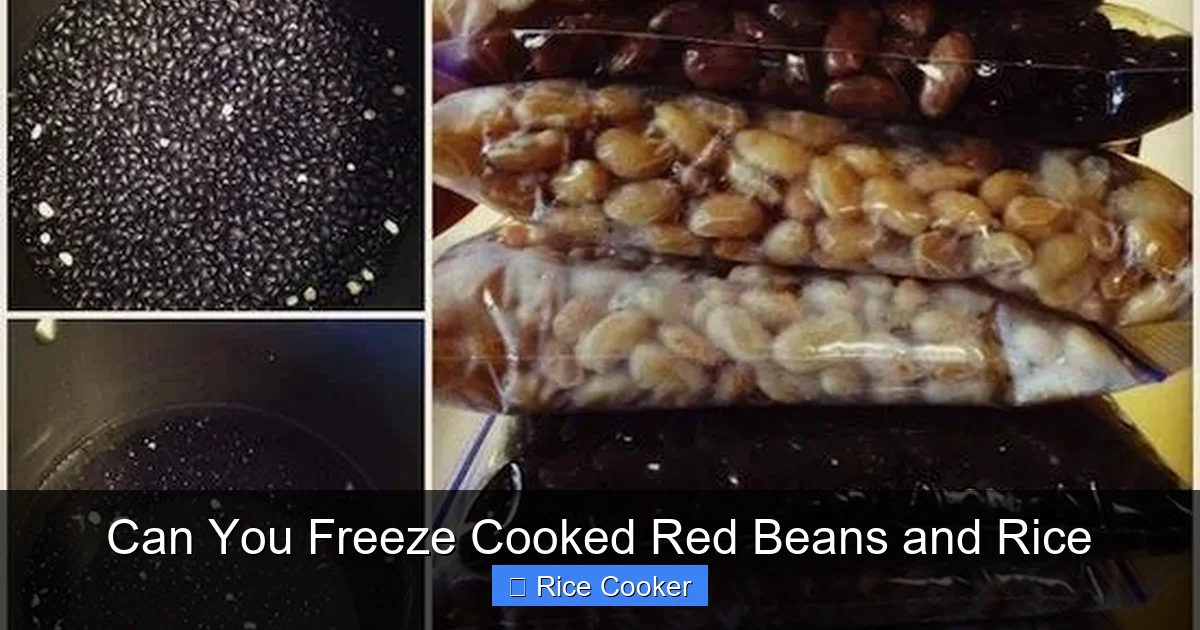
Visual guide about Can You Freeze Cooked Red Beans and Rice
Image source: theleangreenbean.com
One of the biggest advantages is time savings. If you make a large batch on Sunday, you can portion it out and freeze individual servings. Then, during a busy workweek, just grab one bag, thaw it overnight, and reheat. No need to cook from scratch!
Another benefit is food waste reduction. Instead of tossing uneaten beans and rice, you extend their shelf life. This is especially helpful for families who cook in bulk or enjoy restaurant-style meals at home.
Flavor Preservation: What to Expect
You might worry that freezing will dull the flavors or turn your beans to mush. But with the right method, your red beans and rice can retain much of its original taste and texture.
Beans, especially well-cooked ones, hold up surprisingly well in the freezer. Rice, when cooled and stored properly, also remains intact. The key is avoiding excess moisture and using airtight containers.
Over time, some separation or slight texture change may occur—especially in the rice—but these are minor compared to the convenience of having a ready-made meal.
How Long Can You Freeze Cooked Red Beans and Rice?
Recommended Storage Duration
When stored correctly in an airtight container or freezer bag, cooked red beans and rice can last up to 3 months in the freezer. Beyond that, while they won’t spoil, the quality may decline.

Visual guide about Can You Freeze Cooked Red Beans and Rice
Image source: thespicegirlkitchen.com
After three months, you might notice:
- Drier rice texture
- Lighter bean color
- Mild flavor loss
Still, even after three months, the dish remains safe to eat—just possibly less vibrant in taste and appearance.
Signs Your Frozen Dish Is Still Good
Before reheating, check for any off smells or freezer burn. If the beans look discolored, have ice crystals everywhere, or smell sour, it’s best to discard them.
But if it looks and smells normal, your red beans and rice should be fine. Just remember: quality decreases over time, so aim to use within two to three months for the best experience.
Preparing Red Beans and Rice for Freezing
Cooking Tips Before Freezing
Not all versions of red beans and rice freeze equally well. For the best results, follow these cooking guidelines before freezing:
- Fully cook the beans—undercooked beans can become tough after freezing and thawing.
- Don’t add salt until after thawing—salt can draw out moisture and cause the beans to become mushy.
- Use fresh, high-quality rice—long-grain white or brown rice works best.
- Avoid heavy cream or butter—these can separate or spoil faster in the freezer.
Cooling Down Properly
Never pour hot red beans and rice directly into the freezer. Doing so can raise the internal temperature of your freezer, affecting other items.
Instead, let the mixture cool to room temperature first. Place it in the refrigerator for 1–2 hours, then transfer to airtight containers or freezer bags.
This slow cooling process helps prevent bacterial growth and keeps the food safe.
Best Containers and Packaging for Freezing
Airtight Containers vs. Freezer Bags
You have two main options for storing frozen red beans and rice: rigid containers or freezer-safe plastic bags.
Rigid containers (like glass or hard plastic) are great if you plan to stack or organize freezer space. They’re reusable and easy to label.
Freezer bags (like Ziploc or vacuum-sealed) take up less space and are excellent for portion control. Lay them flat to save room.
Whichever you choose, ensure it’s labeled with the contents and date.
Portioning for Easy Meals
Think ahead: how will you use this meal later? Freeze in single-serving portions (about 1–1.5 cups per serving). This makes reheating quicker and prevents over-preparation.
Use muffin tins or small containers for perfect portions. You can even freeze them in ice cube trays for ultra-small servings—great for kids or side dishes.
Thawing Methods: Safe and Efficient Ways
Refrigerator Thawing (Recommended)
The safest way to thaw red beans and rice is in the refrigerator. Place the container or bag inside and let it sit overnight (about 8–12 hours).
This slow method preserves texture and reduces the risk of bacterial growth. Plus, your beans will stay tender and the rice won’t turn to paste.
Quick Thawing (For Urgent Situations)
If you’re in a hurry, you can thaw in cold water. Seal the container or bag tightly and submerge it in a bowl of cold water. Change the water every 30 minutes until thawed—usually takes 1–2 hours.
Never thaw at room temperature—this can lead to unsafe temperatures for bacteria like Salmonella.
Reheating Red Beans and Rice: Tips for Best Results
Stovetop Reheating (Most Reliable)
For the best texture and flavor, reheat on the stove. Add a splash of water or broth to loosen the consistency. Simmer over medium heat, stirring occasionally, until heated through.
This method gives you full control and prevents the rice from drying out.
Microwave Reheating (Fast and Convenient)
Place the thawed beans and rice in a microwave-safe dish. Cover with a damp paper towel to retain moisture. Heat in 30-second intervals, stirring between each, until hot.
Add liquid if needed—microwaves tend to dry out food quickly.
Adding Flavor Back After Reheating
After thawing, your dish might need a little boost. Try adding:
- A pinch of garlic powder or onion powder
- A dash of hot sauce or cayenne
- A squeeze of lime juice (great for a fresh twist)
- A sprinkle of Parmesan cheese
These small touches bring back the vibrancy of the original recipe.
Common Mistakes to Avoid When Freezing Red Beans and Rice
Freezing While Too Hot
This can damage your freezer and create ice crystals. Always cool completely before freezing.
Using Weak Bean Varieties
Pinto or kidney beans are ideal—they hold up well. Avoid delicate beans like cannellini if you want a softer texture after freezing.
Not Labeling Containers
You’ll forget what’s inside and when you froze it. Write the date and contents clearly on every bag or container.
Refreezing After Thawing
Once thawed, don’t refreeze unless you plan to cook it fully first. Refreezing increases the risk of spoilage and texture loss.
Creative Ways to Use Frozen Red Beans and Rice
Meal Prep Staple
Make a double batch once a month and freeze portions. Swap out ingredients (add corn, diced peppers, or shredded chicken) to keep meals exciting.
Bowl Assembly Base
Thaw and reheat as a base for grain bowls. Top with avocado, salsa, fried eggs, or hot sauce for a complete meal.
Soup or Stew Add-In
Crumble thawed beans and rice into soups or stews for extra protein and fiber. It thickens the broth naturally.
Snack Hack: Bean Dip
Blend thawed beans with garlic, olive oil, and spices for a quick dip with veggies or tortilla chips.
Health and Safety Considerations
Freezing food doesn’t kill bacteria—it slows them down. That’s why proper handling is crucial.
Always use clean containers, wash hands before handling food, and store at 0°F (-18°C) or lower. When in doubt, throw it out.
Also, avoid cross-contamination by keeping raw and cooked foods separate during storage.
Final Thoughts: Freeze Smart, Eat Delicious
Freezing cooked red beans and rice is not only possible—it’s a game-changer for home cooks. With the right techniques, you can enjoy this flavorful dish whenever you want, without the stress of daily cooking.
Whether you’re feeding a family, prepping for busy days, or simply love leftovers, freezing offers flexibility and peace of mind. Just remember: cool it down, pack it tight, label it clearly, and thaw slowly.
Your future self—and your taste buds—will thank you.
Frequently Asked Questions
Can you freeze red beans and rice together?
Yes, you can freeze red beans and rice together without any issues. The two components complement each other well in storage, and combining them saves space and simplifies reheating.
How long does frozen red beans and rice last?
Frozen red beans and rice can safely last up to 3 months. For best quality, consume within 2–3 months to maintain optimal flavor and texture.
Can you freeze red beans but not rice?
Absolutely. Both beans and rice freeze well individually. If you prefer, you can freeze them separately to control texture—rice tends to get firmer, while beans remain softer.
Do you need to add water when reheating frozen red beans and rice?
Not always, but it helps. Add a splash of water, broth, or vegetable stock when reheating to revive moisture and prevent dryness, especially in the rice.
Is it safe to reheat red beans and rice multiple times?
It’s safe to reheat once, but repeated reheating can affect texture and flavor. For best results, reheat only what you plan to eat immediately.
Can I freeze red beans and rice with dairy or cream added?
It’s not recommended. Dairy-based sauces or creams can separate or spoil faster when frozen and thawed. Save those versions for fresh consumption or use non-dairy alternatives if freezing is necessary.