
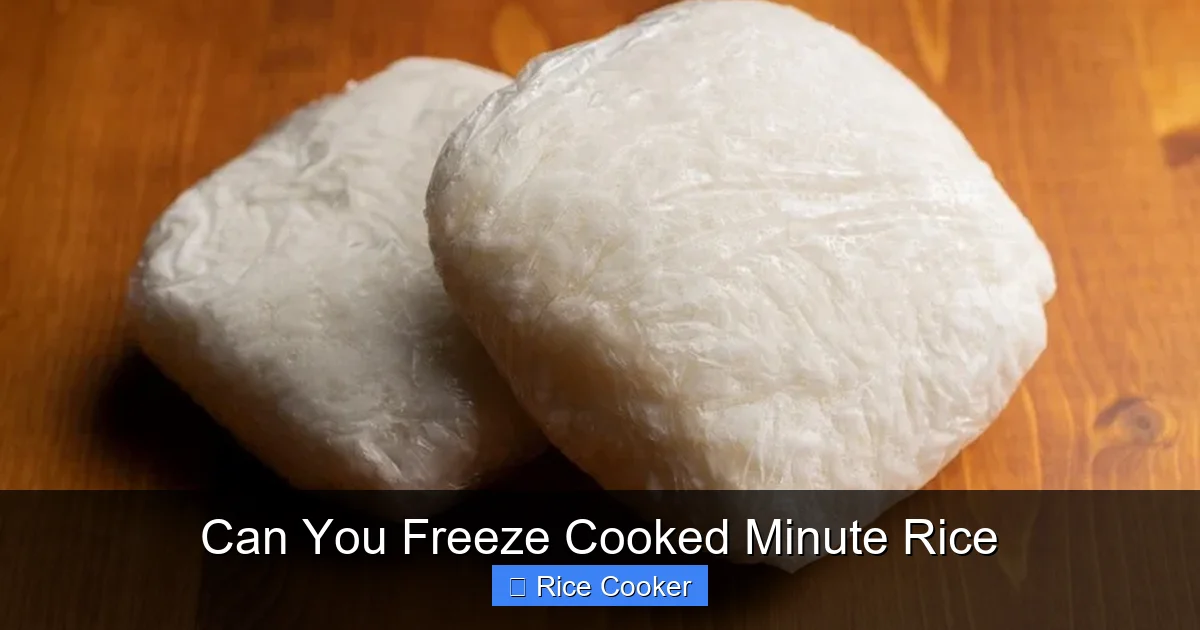
You absolutely can freeze cooked Minute rice—it’s a smart way to reduce food waste and save time. When stored correctly in airtight containers or freezer bags, frozen rice stays fresh for up to 3 months. Just remember to cool it quickly, portion it before freezing, and reheat it gently on the stovetop or microwave for best results.
Key Takeaways
- Freezing extends shelf life: Cooked Minute rice can be safely frozen for up to 3 months without losing quality.
- Proper storage is key: Use airtight containers or heavy-duty freezer bags to prevent freezer burn and moisture loss.
- Cooling matters: Always cool rice completely before freezing to avoid temperature spikes in your freezer.
- Portion control helps: Divide into meal-sized portions so you only thaw what you need.
- Reheating affects texture: Gentle reheating (not microwaving alone) helps restore softness and prevents mushiness.
- Label and date: Keep track of when you froze it to ensure you use it within the safe timeframe.
- Use frozen rice in recipes: It works great in casseroles, stir-fries, soups, and fried rice dishes.
[FEATURED_IMAGE_PLACEHOLDER]
Can You Freeze Cooked Minute Rice? The Ultimate Guide to Storing Your Leftovers Safely
If you’re like most home cooks, you’ve probably found yourself with a pot of perfectly cooked Minute rice sitting in your fridge—either because you overcooked it, made too much for dinner, or just didn’t eat everything. Instead of tossing it out (which feels wasteful), you might wonder: “Can you freeze cooked Minute rice?”
The short answer is yes—you absolutely can freeze cooked Minute rice, and doing so can actually help reduce food waste while giving you a quick, ready-to-use base for future meals. But before you toss that bowl into the freezer, there are a few important steps to follow to preserve its texture, flavor, and safety. In this complete guide, we’ll walk through everything you need to know about freezing, storing, thawing, and reheating cooked Minute rice so it comes back tasting almost as fresh as the day it was made.
Understanding Minute Rice and Its Unique Properties
Minute rice is a type of instant rice that’s pre-cooked and then dehydrated, which allows it to cook much faster than regular long-grain or basmati rice. It’s designed for convenience—just add hot water or boiling liquid and wait a couple of minutes. But this convenience also means it has a slightly different texture and moisture profile compared to traditional rice varieties.
Because Minute rice absorbs liquid quickly and can become overly soft if overcooked or left sitting too long at room temperature, proper handling after cooking becomes especially important. This is where freezing comes in handy. Freezing slows down bacterial growth and halts further degradation, helping maintain both safety and quality. However, because of its delicate structure, improper freezing or reheating can lead to clumping or mushiness. That’s why knowing the right techniques makes all the difference.
Why Freeze Cooked Minute Rice?
There are several practical reasons why freezing cooked Minute rice is a smart move for any busy kitchen:
- Reduces Food Waste: Leftover rice often goes uneaten because people forget about it or don’t want cold rice for breakfast or lunch. Freezing solves that.
- Saves Time: Pre-cooked rice means less prep work later. Whether you’re making fried rice, rice bowls, or stuffing peppers, having frozen rice ready cuts down on active cooking time.
- Maintains Nutritional Value: When frozen correctly, nutrients like carbohydrates and some B vitamins remain stable—better than letting rice sit in the fridge for days.
- Flexibility in Meal Planning: Frozen rice can be used across multiple meals—breakfast (rice porridge), lunch (burrito fillings), dinner (risotto-style dishes).
Now let’s get into the nitty-gritty: how exactly do you freeze cooked Minute rice so it stays delicious?
How Long Can You Store Cooked Minute Rice in the Freezer?
Cooked Minute rice can be safely stored in the freezer for up to 3 months. Beyond that, while it won’t necessarily spoil, it may start to develop freezer burn or lose moisture, affecting both taste and texture.
It’s important to note that the USDA recommends not refreezing rice once it has been thawed unless it’s been reheated to steaming hot (165°F/74°C). So plan accordingly—don’t freeze again after thawing unless you intend to cook it fully before eating.
Step-by-Step Guide: How to Freeze Cooked Minute Rice Properly
1. Cool the Rice Quickly
After cooking your Minute rice, let it cool for no more than 1–2 hours at room temperature. Don’t leave it out longer—this increases the risk of bacterial growth, even if it will eventually go into the freezer.
For faster cooling, spread the rice out in a shallow pan or tray. This increases surface area, allowing heat to escape more efficiently. Once it’s mostly cooled (but still warm), proceed to the next step.
2. Portion It Out
Divide the rice into meal-sized portions. Think about how much you’ll realistically use in one sitting—maybe half a cup per serving if you’re using it in a stir-fry, or a full cup for a grain bowl.
Using small portions ensures that when you defrost, you only take out what you need. Larger blocks of frozen rice can take longer to thaw unevenly, increasing the chance of partial spoilage.
3. Choose the Right Container
Airtight containers are ideal, but if you’re short on space, use heavy-duty freezer bags. Squeeze out as much air as possible before sealing to minimize ice crystal formation.
Glass containers work well, but plastic ones are lighter and take up less room. Avoid using paper bags or non-freezer-safe wraps—they won’t protect against moisture loss.
4. Label and Date Everything
Write the contents and date on each container or bag. Trust us—you’ll thank yourself later when you’re looking through your freezer and remembering what’s what.
5. Freeze Flat (If Using Bags)
If using freezer bags, lay them flat so they stack neatly in your freezer. This saves space and allows for quicker thawing later.
Thawing and Reheating Frozen Minute Rice
This is arguably the trickiest part—getting your frozen rice back to its original texture without turning it into a soggy mess. Here’s how to do it right.
Safe Thawing Methods
- Refrigerator Method (Recommended): Place the frozen portion in the fridge overnight. This slow thawing process preserves texture better than rapid methods.
- Water Bath (Fast Option): Submerge the sealed container in cold water for 30–60 minutes, changing the water every 15 minutes to keep it cold.
- Microwave (Not Ideal Alone): While you can microwave frozen rice, it often leads to uneven heating and mushy spots. Use this method only if you’re going to stir frequently and add liquid.
Best Ways to Reheat
Once thawed, your rice should be reheated thoroughly to 165°F (74°C) to kill any potential bacteria. Here are the top two methods:
- Stovetop with Steam: Heat a non-stick pan over medium-low heat. Add a splash of water or broth, cover the pan, and let the steam soften the rice while stirring occasionally. This mimics the original cooking environment.
- Microwave with Moisture: Put the rice in a microwave-safe dish, add 1–2 tablespoons of water, cover with a damp paper towel or lid, and heat in 30-second intervals, stirring between each.
Avoid simply microwaving frozen rice without adding moisture—it dries out fast and clumps together.
Practical Uses for Frozen Minute Rice
Don’t let your frozen rice go to waste—here are creative ways to put it to good use:
- Fried Rice: Sauté frozen rice with eggs, veggies, soy sauce, and sesame oil for a quick weeknight dinner.
- Rice Bowls: Layer rice with roasted vegetables, grilled chicken, and tahini dressing for a hearty lunch.
- Soups & Stews: Add a scoop directly into miso soup, chili, or curry for extra body and nutrition.
- Baked Goods: In savory baking (like rice puddings or quiches), frozen rice works just fine—just adjust liquid amounts.
- Breakfast Porridge: Warm frozen rice with milk, cinnamon, and fruit for a comforting morning meal.
Common Mistakes to Avoid When Freezing Rice
Even with the best intentions, things can go wrong. Here are some frequent errors and how to fix them:
- Mistake: Freezing rice while still hot.
Fix: Always cool completely first. Hot items raise the temperature inside your freezer, potentially affecting other foods. - Mistake: Not sealing containers tightly.
Fix: Double-check seals or use vacuum-sealed bags to prevent dryness. - Mistake: Skipping labeling.
Fix: Use a permanent marker on clear containers or write directly on freezer-safe bags. - Mistake: Reheating without adding liquid.
Fix: Always introduce a bit of moisture during reheating—steam is your friend. - Mistake: Eating rice that’s been at room temp too long.
Fix: Never let cooked rice sit out for more than 2 hours (1 hour if above 90°F/32°C).
Is Frozen Minute Rice Safe to Eat?
Yes, frozen Minute rice is safe to eat as long as it’s handled properly from start to finish. The key is maintaining cold temperatures throughout the process. As long as you follow basic food safety guidelines—cooling quickly, using clean utensils, storing at 0°F or below—there’s virtually no risk of foodborne illness.
However, always trust your senses: if the rice smells off, has an unusual texture, or shows signs of mold, discard it immediately—even if it’s still within the 3-month window.
Tips for Maintaining Quality Over Time
Want your frozen rice to taste as good as the day you made it? Try these expert tips:
- Use freshly cooked rice—older refrigerated rice may have dried out or absorbed odors from the fridge.
- Add a pinch of salt or a drizzle of olive oil before freezing; this helps retain moisture and enhances flavor upon reheating.
- Avoid overloading your freezer—maintain consistent cold air circulation by not packing it too tightly.
- Rotate stock regularly—use older batches first (FIFO principle).
- Consider batch-prepping: make a large pot of Minute rice, portion it, freeze it, and label it—ideal for meal prep weeks.
Final Thoughts: Is Freezing Worth It?
Absolutely. Freezing cooked Minute rice is not only safe—it’s practical, eco-friendly, and saves you time in the long run. With the right technique, you can enjoy perfectly textured rice whenever you need it, without sacrificing quality or safety.
Whether you’re meal prepping for the week, dealing with leftovers, or simply trying to cut down on waste, this simple habit can make a big difference in your kitchen routine. So next time you cook up a batch of Minute rice, think twice before tossing the extras. Grab a container, give it a quick cool-down, and send it straight to the freezer—your future self will thank you.
FAQs
Can you freeze cooked Minute rice directly after cooking?
Yes, but only after it’s cooled to room temperature (within 1–2 hours). Do not freeze hot rice—this raises your freezer’s internal temperature and can compromise other foods. Spread it out to cool faster for best results.
How long does frozen Minute rice last in the freezer?
Up to 3 months. After that, while it won’t be unsafe to eat, the texture and flavor may degrade due to freezer burn or moisture loss. For optimal quality, aim to use it within 2 months.
Can you refreeze cooked Minute rice?
Only if it has been reheated to 165°F (74°C) after thawing. Raw, thawed rice should not be refrozen unless it’s fully cooked again. Refreezing increases the risk of bacterial contamination.
Does frozen Minute rice taste the same after thawing?
With proper handling, it can taste very close to fresh. However, some people notice a slight change in texture—especially if not reheated with added moisture. Using the stovetop method usually yields the best results.
Can you freeze Minute rice with sauce or seasoning already added?
Yes, but be cautious. Sauces high in acid (like tomato-based) or dairy may separate or curdle when frozen. If possible, freeze plain rice and add fresh sauces later. Otherwise, stir well before freezing and expect minor texture changes.
Is it better to freeze Minute rice in single servings or larger quantities?
Single servings are ideal. They allow you to thaw only what you need, reducing waste and ensuring even thawing. Larger blocks can thaw unevenly and increase the chance of spoilage at the edges.
This is a comprehensive guide about can you freeze cooked minute rice.
Key Takeaways
- Understanding can you freeze cooked minute rice: Provides essential knowledge
Frequently Asked Questions
What is can you freeze cooked minute rice?
can you freeze cooked minute rice is an important topic with many practical applications.