
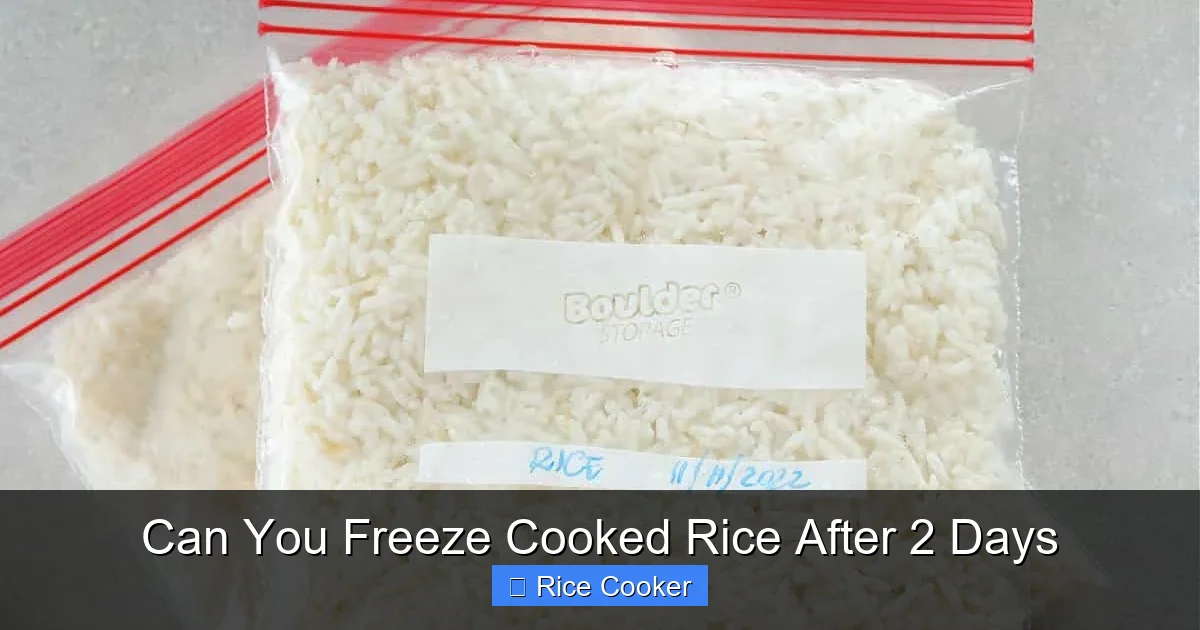
Can you freeze cooked rice after 2 days? The short answer is yes, but with important caveats. Cooked rice should be cooled, refrigerated within two hours, and frozen within two days to stay safe and delicious. Improper storage increases the risk of bacterial growth like *Bacillus cereus*, which can cause foodborne illness. With proper techniques—such as using airtight containers, removing excess moisture, and labeling with dates—your leftover rice can last up to six months in the freezer. This guide walks you through every step, from cooling to thawing, so you never waste another grain again.
Have you ever found yourself staring at a pot of perfectly cooked rice, wondering, “Can I freeze cooked rice after 2 days?” It’s a common dilemma—especially when you’re meal-prepping, hosting guests, or just trying to cut down on kitchen waste. Rice is one of those versatile staples: it pairs with curries, stir-fries, salads, soups, and more. But like many cooked grains, it doesn’t last forever—and freezing is often the best way to extend its life.
But here’s the thing: not all cooked rice is created equal when it comes to storage. The moment rice is cooked, it becomes a breeding ground for bacteria if left out too long. That’s why understanding how to safely store and freeze cooked rice is crucial. In this article, we’ll walk you through everything you need to know—from whether it’s safe to freeze rice after two days to how to do it right.
Whether you’re using a rice cooker, stovetop, or microwave, the principles of safe food storage apply the same way. We’ll also share practical tips, troubleshooting advice, and even some creative ideas for using frozen rice later. So grab your apron and let’s dive into the world of rice preservation!
Key Takeaways
- Refrigerate within two hours: Cooked rice must be chilled quickly to prevent bacterial growth. Leaving it at room temperature for more than two hours increases the risk of spoilage.
- Freeze within two days: For safety, freeze cooked rice no later than two days after cooking. After this point, even refrigerated rice loses quality and may harbor harmful bacteria.
- Use airtight containers: Store rice in freezer-safe, sealed containers or heavy-duty freezer bags to maintain freshness and prevent freezer burn.
- Label and date: Always mark your containers with the date of freezing. Properly frozen rice stays safe and usable for up to six months.
- Thaw safely: Thaw frozen rice in the refrigerator overnight or under cold running water to avoid temperature danger zones.
- Reheat thoroughly: When reheating, ensure the rice reaches an internal temperature of 165°F (74°C) to kill any potential pathogens.
- Quality matters: Frozen rice may lose some texture over time, especially if not stored correctly. Freezing within two days helps preserve taste and consistency.
📑 Table of Contents
- Understanding Food Safety and Rice Storage
- Can You Freeze Cooked Rice After 2 Days?
- Step-by-Step Guide to Freezing Cooked Rice Safely
- How Long Does Frozen Cooked Rice Last?
- Thawing and Reheating Frozen Cooked Rice
- Common Mistakes to Avoid When Freezing Rice
- Cooking Tips for Better-Freezing Rice
- Creative Ways to Use Frozen Rice
- Environmental and Economic Benefits of Freezing Rice
- Final Thoughts: Is Freezing Rice Worth It?
Understanding Food Safety and Rice Storage
When rice is cooked, its starches break down slightly, making it tender and fluffy—but that warmth also creates ideal conditions for bacteria to multiply. One of the biggest concerns with cooked rice is the presence of Bacillus cereus, a spore-forming bacterium that can survive cooking. If cooked rice is left at room temperature, these spores can activate, grow, and produce toxins that cause food poisoning—even if the rice looks and smells fine.
This is why the USDA recommends that cooked rice should not sit at room temperature for more than two hours. Once it hits the refrigerator, the growth slows significantly. However, refrigeration doesn’t stop the process entirely—it just delays it. That’s where freezing comes in.
Freezing halts bacterial activity completely, preserving the rice until you’re ready to use it. But timing matters. While you can freeze cooked rice after two days, doing so increases the risk of spoilage and reduces quality. The key is to freeze it while it’s still fresh—ideally within 24 to 48 hours of cooking.
The Science Behind Rice and Bacterial Growth
Cooked rice absorbs water, creating a moist environment perfect for bacterial survival. When rice is cooled slowly or left uncovered, moisture evaporates unevenly, creating condensation inside containers. This trapped moisture can lead to mold growth and off-flavors.
Moreover, Bacillus cereus produces heat-resistant spores that aren’t killed by reheating alone. That means even if you boil your rice again, the toxin may remain. This is why proper cooling, storage, and timing are so critical.
How Long Can You Keep Cooked Rice in the Fridge?
According to food safety guidelines, cooked rice can safely stay in the refrigerator for up to 4–6 days. But this assumes it was cooled properly and stored in clean, covered containers. If you’re unsure about how long it’s been sitting, it’s always better to err on the side of caution.
Signs of spoiled rice include a slimy texture, sour smell, discoloration, or unusual mold. If any of these are present, toss it immediately.
Can You Freeze Cooked Rice After 2 Days?

Visual guide about Can You Freeze Cooked Rice After 2 Days
Image source: canyoupreserve.com
So, back to the original question: can you freeze cooked rice after 2 days? Yes, you technically can, but it’s not ideal. Here’s why:
Freezing after two days increases the chance that bacteria have already started multiplying. Even though freezing stops further growth, the rice may have developed off-flavors, textures, or even become unsafe if contaminated. For example, if rice sat in the fridge for three days without being frozen, it could harbor enough bacteria to make you sick—even after reheating.
That said, if you forgot to freeze it earlier and it’s now day three, don’t panic. Just follow these steps:
– Check for signs of spoilage (smell, texture, color).
– If it looks and smells okay, proceed with freezing.
– Label the container clearly and freeze immediately.
Still, it’s best to freeze within two days for maximum safety and quality.
Best Practices for Freezing Within Two Days
To maximize shelf life and safety, follow this simple timeline:
– Cook rice.
– Cool it to room temperature within 1 hour.
– Refrigerate uncovered for 15–30 minutes to reduce surface moisture.
– Portion into airtight containers or freezer bags.
– Seal tightly, remove as much air as possible.
– Label with the date.
– Freeze within 48 hours.
This method ensures minimal exposure to air and bacteria, preserving both flavor and texture.
What Happens If You Freeze It Later?
If you freeze rice after two days, you might notice:
– A slightly drier or chalkier texture.
– Reduced volume due to freezer burn.
– Possible off-flavors from prolonged storage.
However, if handled correctly, rice frozen after two days can still be safe to eat—just not as good as freshly frozen rice. Always trust your senses: if it smells funky or feels slimy, don’t risk it.
Step-by-Step Guide to Freezing Cooked Rice Safely
Visual guide about Can You Freeze Cooked Rice After 2 Days
Image source: canyoufreezethis.com
Freezing cooked rice doesn’t have to be complicated. With the right tools and techniques, you can preserve your rice for months. Follow these steps to do it right.
Step 1: Cool the Rice Quickly
After cooking, transfer the rice to a shallow pan or bowl to cool faster. Stir occasionally to distribute heat evenly. Don’t let it sit in a deep pot—this traps steam and slows cooling.
You can speed up the process by placing the container in an ice bath or using a fan.
Step 2: Reduce Surface Moisture
Moisture is the enemy of frozen rice. If you pour rice directly into a freezer bag or container, excess water can turn into ice crystals, leading to a mushy texture.
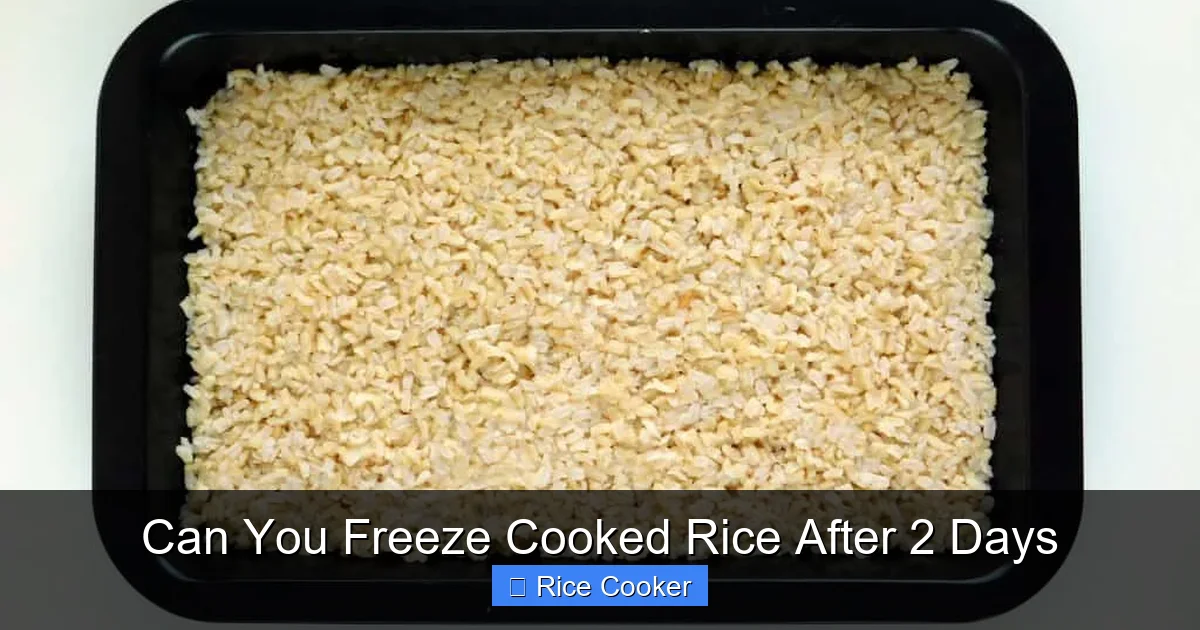
Instead, spread the cooled rice in a thin layer on a baking sheet and place it in the freezer for 30–60 minutes. This flash-freezes individual grains, preventing clumping. Once solid, transfer the rice to an airtight container or freezer bag.
Step 3: Choose the Right Container
Use containers designed for freezing—not regular glass or plastic unless they’re labeled freezer-safe. Glass can crack, and thin plastics may leach chemicals or absorb odors.
Freezer bags are great for small portions. Squeeze out as much air as possible before sealing. Vacuum-sealed bags work best for long-term storage.
Step 4: Label and Date
Write the contents and the date on a piece of tape or use a label maker. This helps you track how long it’s been frozen and rotate stock accordingly.
Step 5: Freeze Properly
Place the containers in the coldest part of your freezer—usually the back or bottom shelves. Avoid storing them near the door, which experiences temperature fluctuations.
How Long Does Frozen Cooked Rice Last?
When stored correctly, frozen cooked rice remains safe and edible for up to 6 months. Beyond that, while it may not be harmful, quality declines.
Here’s a quick reference:
– 1–2 months: Best quality (flavor, texture).
– 3–4 months: Still safe, minor texture changes.
– 5–6 months: Acceptable for cooking, but may be dry or grainy.
– After 6 months: Not recommended due to increased risk of freezer burn and flavor loss.
Tips to Extend Shelf Life
– Use opaque containers to block light, which degrades nutrients and flavors.
– Avoid opening the freezer frequently to maintain stable temperatures.
– Thaw only what you need to minimize waste.
How to Tell If Frozen Rice Is Still Good
Frozen rice shouldn’t have ice crystals forming on top or a strong freezer odor. If it smells metallic, chemical, or sour, discard it.
Also, check for mold or discoloration after thawing.
Thawing and Reheating Frozen Cooked Rice
Proper thawing and reheating are essential to maintain safety and quality. Never thaw rice at room temperature—this brings it into the “danger zone” (40°F–140°F), where bacteria thrive.
Safest Thawing Methods
Refrigerator Method: Transfer the container to the fridge and let it thaw overnight. This is the safest method and preserves texture best.
Cold Water Bath: Place the sealed container in a bowl of cold water. Change the water every 30 minutes until thawed. Do not use warm water—this can promote bacterial growth.
Microwave (Quick Option): Use the defrost setting or low power. Stir halfway through and finish heating in short bursts to avoid hot spots.
Reheating Tips
Once thawed, reheat rice thoroughly to 165°F (74°C). Add a splash of water, broth, or oil to restore moisture—frozen rice can become dry.
Stir constantly and cover the dish to trap steam. Let it rest for 1–2 minutes after heating to ensure even warmth.
Avoid reheating rice more than once—each cycle increases bacterial risk.
Common Mistakes to Avoid When Freezing Rice
Even experienced cooks make mistakes. Here are the most common errors and how to fix them.
Mistake 1: Not Cooling Fast Enough
Leaving hot rice uncovered in the fridge can raise the internal temperature, slowing bacterial kill and encouraging spoilage.
Fix: Cool rapidly using shallow pans and ice baths.
Mistake 2: Using Non-Freezer-Safe Containers
Plastic containers that warp or release odors can ruin your rice.
Fix: Invest in BPA-free, freezer-safe containers or heavy-duty freezer bags.
Mistake 3: Overpacking Freezer Space
Packing the freezer too tightly prevents airflow, leading to inconsistent freezing.
Fix: Leave space between containers for air circulation.
Mistake 4: Skipping the Label
Trying to remember what’s in the freezer leads to wasted food.
Fix: Label every container with date and contents.
Mistake 5: Thawing at Room Temperature
This is a major food safety hazard.
Fix: Always thaw in the fridge, cold water, or microwave.
Cooking Tips for Better-Freezing Rice
Not all rice freezes equally well. Some varieties hold up better than others.
Best Types of Rice for Freezing
– Long-grain white rice: Holds shape well, neutral flavor.
– Jasmine rice: Fragrant, slightly sticky—great for Thai dishes.
– Basmati rice: Fluffy when cooked, freezes well.
– Brown rice: Nutrient-dense but oilier; freeze within 1–2 days for best results.
Avoid Overcooking Before Freezing
Rice continues cooking slightly after being removed from heat. If it’s too soft before freezing, it will become mushy after thawing.
Tip: Cook rice al dente—it should be tender but still firm to bite.
Add Oil for Texture Preservation
A teaspoon of oil per cup of rice can help prevent sticking and maintain fluffiness.
Creative Ways to Use Frozen Rice
Don’t let your frozen rice go to waste. It’s incredibly versatile.
Rice Bowls
Top thawed rice with roasted veggies, grilled chicken, soy sauce, and sesame seeds for a quick Asian-inspired bowl.
Rice Pudding
Combine rice with milk, cinnamon, sugar, and raisins. Simmer until creamy—perfect for breakfast or dessert.
Risotto
Use frozen rice as a base for risotto. Add broth gradually and stir until creamy. The starch content works well for this dish.
Fried Rice
Frozen rice fries up beautifully—just thaw, squeeze out moisture, and stir-fry with eggs, veggies, and sauce.
Rice Cakes or Patties
Mix rice with beaten eggs, breadcrumbs, and seasonings. Pan-fry or bake for crispy rice cakes.
Environmental and Economic Benefits of Freezing Rice
Freezing cooked rice isn’t just about convenience—it’s also smart for your wallet and the planet.
By freezing leftovers, you reduce food waste significantly. According to the EPA, food waste accounts for nearly 20% of U.S. landfill volume. Freezing extends the life of rice, saving money and resources.
Plus, buying rice in bulk and freezing portions reduces packaging waste and lowers costs over time.
Energy Efficiency Tip
Only freeze what you’ll eat. Large batches use more energy. Instead, portion into single servings to save space and reduce thaw cycles.
Final Thoughts: Is Freezing Rice Worth It?
Yes—freezing cooked rice is absolutely worth it, especially if you cook in batches or enjoy rice-based meals regularly. As long as you follow food safety guidelines and freeze within two days, you can enjoy safe, flavorful rice for months.
The key is planning ahead: cool fast, store smart, and label clearly. With these habits, you’ll never throw away rice again.
Remember, when in doubt, toss it out. Your health is more valuable than one extra meal.
And if you’ve ever wondered, “Can you freeze cooked rice after 2 days?”—now you know the answer: yes, but only if it’s been refrigerated properly and hasn’t spoiled. When done right, freezing is one of the best ways to keep rice fresh, nutritious, and ready to use.
Frequently Asked Questions
Is it safe to freeze cooked rice that’s been in the fridge for 3 days?
It can be safe if it shows no signs of spoilage—like a sour smell or slimy texture. However, the risk of bacterial growth increases after two days, so it’s better to freeze within 48 hours for optimal safety and quality.
How do I prevent frozen rice from becoming mushy?
To avoid mushy rice, cool it quickly, reduce surface moisture by spreading it thin, and freeze in individual portions. Flash-freezing prevents clumping and preserves texture.
Can you freeze rice in plastic containers?
Only if they’re labeled freezer-safe and BPA-free. Regular plastic may warp or leach chemicals. Glass or heavy-duty freezer bags are safer options.
How long does frozen rice last in the freezer?
Frozen cooked rice stays safe for up to 6 months. For best quality, use within 2 months. After that, texture and flavor may decline, though it remains safe if stored properly.
Should I rinse rice before freezing?
No. Rinsing removes starch, which helps rice stay fluffy. Only rinse if you’re using it raw and haven’t cooked it yet.
Can I refreeze rice that has already been thawed?
No. Once thawed, rice should be cooked and eaten immediately. Refreezing increases the risk of bacterial contamination and spoilage.