
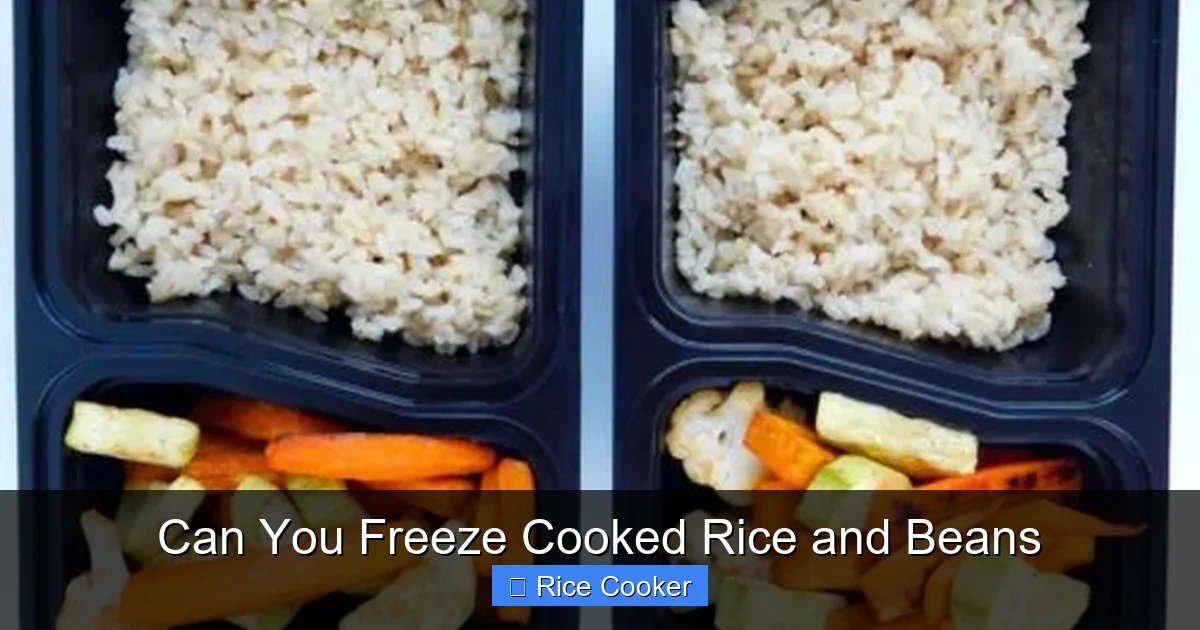
Freezing cooked rice and beans is not only possible but also a smart way to reduce food waste and save time. When stored properly, these staples stay safe and tasty for months. With the right techniques, you can enjoy homemade meals straight from your freezer.
Key Takeaways
- Freezing cooked rice and beans is safe and effective: Both are excellent candidates for freezer storage when handled correctly.
- Proper packaging prevents freezer burn: Use airtight containers or heavy-duty freezer bags to maintain quality.
- Thawing should be done gradually: Refrigerator thawing preserves texture better than microwave or room-temperature methods.
- Labeling is essential: Always date and label containers so you know how long they’ve been frozen.
- Reheating improves flavor and texture: Steam or sauté after thawing to bring back moisture and warmth.
- Best practices vary by bean type: Some beans hold up better in the freezer than others—plan accordingly.
- Meal prep becomes effortless: Freezing portions helps manage time during busy days without sacrificing nutrition.
📑 Table of Contents
- Can You Freeze Cooked Rice and Beans?
- Why Freeze Cooked Rice and Beans?
- How to Properly Freeze Cooked Rice
- Freezing Cooked Beans: Tips and Tricks
- Storing Combined Dishes: Rice + Bean Meals
- Thawing and Reheating: Getting the Best Results
- Maximizing Freshness and Minimizing Waste
- Troubleshooting Common Issues
- Health and Safety Considerations
- Eco-Friendly Benefits of Freezing
- Final Thoughts: Your New Kitchen Hack
Can You Freeze Cooked Rice and Beans?
We’ve all been there—you cook a big pot of rice or simmer a batch of black beans for tacos, chili, or burritos, only to realize you won’t eat it all before it goes bad. Instead of tossing it out (which feels wasteful), what if we told you that both cooked rice and beans can be safely frozen? Yes, really. And not just “kind of” frozen—they retain their texture, flavor, and nutritional value when stored properly.
In this comprehensive guide, we’ll walk you through everything you need to know about freezing cooked rice and beans. From preparation tips to storage hacks and reheating tricks, we’ve got your freezer-friendly meals covered. Whether you’re meal prepping for the week or saving leftovers for later, understanding how to freeze these kitchen staples will make your life easier—and your pantry more sustainable.
Why Freeze Cooked Rice and Beans?
Before diving into the “how,” let’s talk about the “why.” Freezing cooked rice and beans isn’t just about convenience; it’s a practical strategy for reducing food waste, cutting grocery costs, and maintaining healthy eating habits. These foods are rich in complex carbohydrates, plant-based protein, fiber, and essential vitamins—especially when whole grain rice and nutrient-dense beans like lentils or chickpeas are used.
When you freeze them correctly, you preserve nearly all of their nutritional benefits. Plus, having ready-made portions on hand means you’re less likely to reach for processed or fast food when hunger strikes. Think of it as building a personal emergency food kit—one that’s actually delicious and nutritious.
The Science Behind Freezing Rice and Beans
Food science plays a role here too. Both rice and beans contain starches and proteins that respond predictably to cold temperatures. When cooled rapidly and stored below 0°F (-18°C), microbial growth slows dramatically. This is why freezing is one of the safest preservation methods available.
However, improper handling can lead to texture changes—like mushy rice or dry beans—so understanding the process matters. The key lies in cooling quickly, using suitable containers, and avoiding repeated freeze-thaw cycles.
How to Properly Freeze Cooked Rice
Cooked rice is one of the most commonly frozen foods in households worldwide—and for good reason. It freezes well, reheats easily, and works in countless dishes: fried rice, grain bowls, casseroles, soups, even desserts like rice pudding.
Step-by-Step Guide to Freezing Rice
- Cool Quickly: After cooking, spread rice in a thin layer on a baking sheet or shallow tray. This speeds up cooling and prevents bacterial growth (like Bacillus cereus, which can multiply in warm, moist environments).
- Portion Control: Divide into meal-sized portions. Smaller amounts freeze faster and thaw quicker later.
- Use Airtight Containers or Bags: Plastic containers with tight lids work great. If using freezer bags, squeeze out as much air as possible before sealing.
- Label and Date: Write the contents and date on the container. Frozen rice lasts up to 6 months, though best quality is within 3–4 months.
Types of Rice That Freeze Well
Not all rice varieties behave the same in the freezer. Here’s a quick breakdown:
- White Rice: Holds up well; ideal for stir-fries and pilafs.
- Brown Rice: Slightly firmer texture post-freeze; great for salads and grain bowls.
- Wild Rice: Can become crumbly; best used in mixed dishes.
- Sushi Rice: Not recommended—it loses stickiness and becomes gummy.
Common Mistakes to Avoid
Even experienced cooks sometimes mess up rice storage. Watch out for these pitfalls:
- Leaving rice at room temperature too long: Never let cooked rice sit out for more than two hours.
- Overfilling containers: Leaves no room for expansion during freezing, risking cracked lids.
- Skipping the flash-chill step: Increases risk of bacterial contamination.
Freezing Cooked Beans: Tips and Tricks
Beans—whether canned, dried, or freshly cooked—are another powerhouse ingredient that thrives in the freezer. From black beans in tacos to white beans in stews, freezing allows you to stockpile protein-rich meals without preservatives.
Should You Freeze Canned or Dried Beans?
Canned beans: Yes, but rinse thoroughly first to remove excess sodium. They freeze well but may soften slightly upon thawing.
Dried beans (pre-cooked): Absolutely. Cooking them first ensures they don’t require long soaking times later. Cool completely, then portion and freeze.
How to Prepare Beans for Freezing
- Cook Fully: Undercooked beans can harden in the freezer. Ensure they’re tender before storing.
- Drain and Rinse (if needed): For canned beans, drain and rinse. For homemade, drain any excess liquid.
- Flash Freeze (Optional): Spread beans on a tray, freeze until solid, then transfer to bags. Prevents clumping.
- Pack Tightly: Use freezer-safe bags or rigid containers. Leave minimal headspace for expansion.
- Label Clearly: Include variety and date. Most beans stay good for 8–12 months.
Which Beans Freeze Best?
All common bean types freeze acceptably, but some perform better:
- Lentils & Chickpeas: Hold shape well; perfect for salads.
- Black Beans & Kidney Beans: Ideal for Latin-inspired dishes.
- Pinto & Cannellini: Great in soups and dips.
- Small Red Beans: May lose firmness; best blended into purees or mashed dishes.
Bean-Specific Considerations
Some beans have quirks worth noting:
- Green Beans (string beans): Usually frozen raw, not cooked—but if you’ve already boiled them, freeze immediately after cooling.
- Adzuki & Mung Beans: Often used in Asian recipes; freeze well but check for texture changes after thawing.
Storing Combined Dishes: Rice + Bean Meals
One of the biggest advantages of freezing rice and beans together is convenience. Think of it as building a foundation for countless meals—burritos, Buddha bowls, stuffed peppers, or even simple grain-and-bean salads.
Meal Prep Ideas Using Frozen Combinations
- Mexican Bowls: Thaw rice and black beans, add salsa, avocado, and cheese.
- Indian-Inspired Curries: Reheat with coconut milk and spices for instant dal or biryani.
- Middle Eastern Plates: Pair with hummus, tabbouleh, and roasted veggies.
Tips for Mixing Rice and Beans Before Freezing
- Don’t mix hot rice directly into hot beans—cool both separately first.
- Add acidic ingredients (tomatoes, lemon juice) just before serving, as acid can affect texture over time.
- Include herbs or spices at the end to prevent flavor degradation.
Thawing and Reheating: Getting the Best Results
You’ve done the hard part—now comes the fun: enjoying your frozen creations! But timing and technique matter. Improper thawing leads to soggy rice or chalky beans.
Safe Thawing Methods
- Refrigerator Method (Recommended):
- Move container from freezer to fridge 12–24 hours before use.
- This slow thaw maintains texture and safety.
- Cold Water Bath (Quick Option):
- Seal bag in cold water. Change water every 30 minutes until thawed (~1 hour).
- Pat dry before reheating.
- Microwave (Last Resort):
- Use defrost setting. Rotate frequently to avoid hot spots.
- Add a splash of water to rice to restore moisture.
Reheating Techniques That Work
- Stovetop Steaming: Place rice/beans in saucepan with a teaspoon of broth or water. Cover and steam on low heat, stirring occasionally.
- Oven Reheating: Spread on baking sheet, cover with foil, and warm at 300°F (150°C) for 15–20 minutes.
- Microwave with Moisture: Add a damp paper towel to the dish while heating to prevent drying.
Flavor Boosters After Thawing
Frozen foods sometimes need a little TLC:
- Season lightly with salt, pepper, or fresh herbs.
- Drizzle olive oil over beans for richness.
- Sauté briefly with onions and garlic to revive aroma.
Maximizing Freshness and Minimizing Waste
Beyond basic freezing, there are smart strategies to keep your rice and beans tasting great—and reduce kitchen waste.
Batch Cooking and Portioning
Cook once, freeze many times. Make large batches of rice or beans weekly, then divide into individual servings. This saves time and energy while ensuring balanced meals.
Using Leftovers Creatively
Don’t let small amounts go unused:
- Freeze leftover rice in ice cube trays with broth for instant soup bases.
- Blitz leftover beans into dips or spreads (e.g., black bean hummus).
Freezer Organization Tips
- Use clear containers so you can see contents without opening.
- Group similar items together (all rice here, all beans there).
- Rotate older items to the front (first in, first out).
Troubleshooting Common Issues
Even with careful handling, problems can pop up. Here’s how to fix them:
Problem: Mushy Rice After Thawing
Cause: Overcooking before freezing or inadequate draining.
Fix: Cook rice al dente next time. Drain excess starch thoroughly.
Problem: Dry or Crumbly Beans
Cause: Long storage or improper moisture retention.
Fix: Add a spoonful of broth or oil when reheating.
Problem: Off Smells or Mold
Cause: Contamination during storage.
Fix: Discard immediately. Clean containers thoroughly before reuse.
Health and Safety Considerations
Food safety is non-negotiable when freezing. Follow these guidelines:
- Never refreeze rice or beans that have been thawed at room temperature.
- Avoid cross-contamination by using clean utensils when scooping from containers.
- Check expiration dates regularly—even frozen food has limits.
Also, note that while freezing preserves nutrients, prolonged storage may slightly reduce vitamin content (especially B vitamins). Still, it’s far better than letting food spoil.
Eco-Friendly Benefits of Freezing
Choosing to freeze instead of discard reduces methane emissions from landfills and cuts down on packaging waste from takeout containers. It’s a small change with big environmental impact—especially when done consistently.
Final Thoughts: Your New Kitchen Hack
Freezing cooked rice and beans isn’t just practical—it’s empowering. It turns potential waste into future meals, supports healthier eating, and gives you control over your kitchen schedule. With the right techniques, you’ll never dread making too much again.
So go ahead: cook extra tonight. Portion it out. Pop it in the freezer. Tomorrow’s lunch—or next month’s dinner—is waiting.
Frequently Asked Questions
Can you freeze cooked rice and beans together?
Yes, you can freeze cooked rice and beans together! Just cool them separately first, combine in an airtight container, and store. They work well in burritos, bowls, or casseroles.
How long does frozen rice last in the freezer?
Frozen rice stays safe for up to 6 months, but tastes best within 3–4 months for optimal texture and flavor.
Do I need to blanch beans before freezing?
No, blanching isn’t required for beans. Since they’re usually cooked before freezing, simply cool, portion, and pack tightly into containers or bags.
Can I freeze uncooked rice?
Uncooked rice can be frozen, but it’s not common. Once cooked, it freezes much better due to its starch structure and ease of portioning.
Is it safe to refreeze rice and beans?
Only if they were thawed in the refrigerator or using a cold-water method. Never refreeze items that have reached room temperature, as bacteria may have grown.
What’s the best way to reheat frozen rice and beans?
For best results, thaw in the refrigerator overnight, then reheat on the stovetop with a splash of broth or water to restore moisture and warmth.