
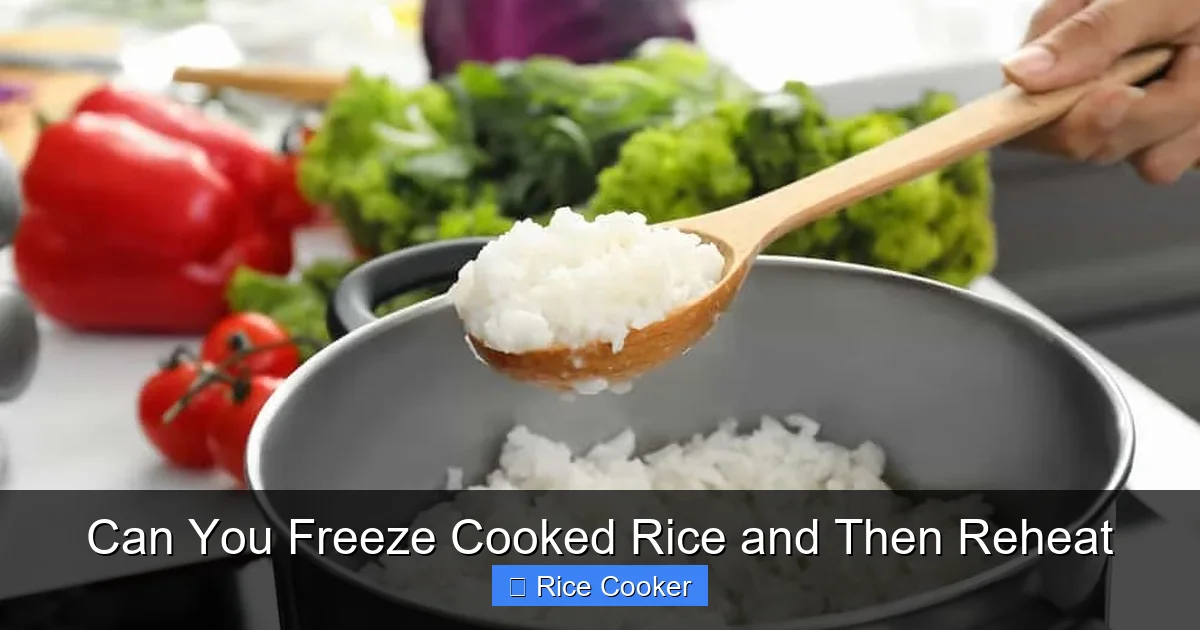
You absolutely can freeze cooked rice and reheat it later—without losing texture or taste! Freezing is a fantastic way to save time and reduce food waste. With proper storage and reheating methods, your rice stays safe and delicious for weeks.
Key Takeaways
- Freezing cooked rice preserves its quality for up to 3–6 months. When stored in airtight containers or freezer bags, it retains flavor and prevents freezer burn.
- Reheating frozen rice properly restores its original texture. Use a stovetop, microwave, or steamer to avoid sogginess or dryness.
- Always cool rice before freezing to prevent bacterial growth. Rapid cooling reduces the risk of harmful bacteria like Bacillus cereus.
- Label and date your rice containers for easy identification. This helps you use older batches first and avoid confusion.
- Thaw frozen rice gradually before reheating for even cooking. Let it sit in the fridge overnight or run under cold water.
- Use frozen rice within a few days of thawing for best results. Repeated freeze-thaw cycles can affect texture.
- Portion rice into meal-sized amounts for convenient reheating. This saves time and minimizes waste.
📑 Table of Contents
- Can You Freeze Cooked Rice and Then Reheat?
- Why Freeze Cooked Rice?
- How Long Can You Store Frozen Cooked Rice?
- Step-by-Step Guide to Freezing Cooked Rice
- Best Ways to Reheat Frozen Cooked Rice
- Common Mistakes When Freezing and Reheating Rice
- Does Freezing Change the Type of Rice?
- Creative Ways to Use Frozen Rice
- Final Thoughts: Is Freezing Cooked Rice Worth It?
Can You Freeze Cooked Rice and Then Reheat?
If you’re someone who loves cooking rice but sometimes end up with leftovers, you’re not alone. Whether you made a big batch for a family dinner or just cooked more than you needed, knowing how to preserve that extra rice can save you time, money, and effort in the long run. One of the most effective ways to do this is by freezing cooked rice—but here’s the catch: you need to freeze it correctly and reheat it properly to maintain both safety and taste.
In this comprehensive guide, we’ll walk you through everything you need to know about freezing cooked rice and reheating it safely and deliciously. From understanding why freezing matters to choosing the right containers and mastering reheating techniques, we’ve got you covered. Plus, we’ll share pro tips, common mistakes to avoid, and even how freezing affects different types of rice. So grab your favorite rice cooker and let’s dive in!
Why Freeze Cooked Rice?
Freezing cooked rice isn’t just about convenience—it’s a smart food preservation strategy that helps reduce waste and ensures you always have a quick side dish ready. Rice is a staple in many households, and having pre-cooked portions on hand means less time spent boiling pots and more time enjoying meals.
Visual guide about Can You Freeze Cooked Rice and Then Reheat
Image source: i.pinimg.com
The Science Behind Safe Storage
Cooked rice can be a breeding ground for Bacillus cereus, a type of bacteria that thrives in warm, moist environments. This bacterium produces spores that survive normal cooking temperatures and can multiply rapidly if rice is left at room temperature for too long. That’s why the USDA recommends cooling cooked rice within two hours and refrigerating it within one hour to minimize risk.
Freezing takes this safety a step further. By lowering the temperature to below 0°F (-18°C), bacterial growth is halted almost completely. However, the key lies in how quickly and safely you cool the rice before freezing. Rapid cooling (using an ice bath or shallow containers) helps bring the internal temperature down fast, reducing the window where bacteria could grow.
Benefits of Freezing Cooked Rice
- Saves time: No need to cook rice every single day when you have frozen portions ready to go.
- Reduces food waste: Leftover rice often gets tossed because people don’t know how to store it safely.
- Preserves nutrients: When done correctly, freezing locks in vitamins and minerals better than prolonged refrigeration.
- Versatile usage: Thawed rice works great in stir-fries, fried rice, soups, salads, or even as a base for casseroles.
How Long Can You Store Frozen Cooked Rice?
This is a question many home cooks ask—and the answer depends on how well you’ve stored it. According to food safety experts, frozen cooked rice is safe to eat indefinitely if kept below 0°F, but its quality starts to decline after several months.
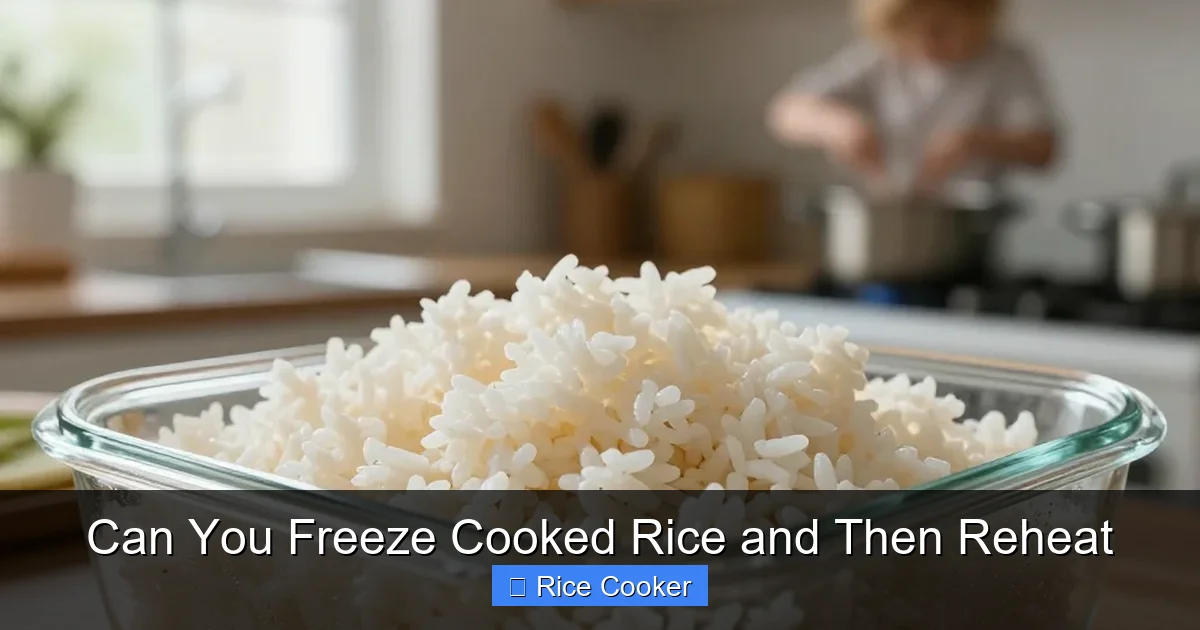
Visual guide about Can You Freeze Cooked Rice and Then Reheat
Image source: freezedryguy.com
Recommended Shelf Life
| Storage Method | Maximum Storage Time | Notes |
|---|---|---|
| Refrigerated (within 2 hours) | 4–5 days | Best for short-term use; ideal for immediate reheating. |
| Frozen (airtight container) | Up to 6 months | Quality remains excellent if sealed properly. |
| Frozen (vacuum-sealed) | Up to 1 year | Minimal exposure to air reduces oxidation and staleness. |
After six months, the rice may develop off-flavors or lose moisture, though it won’t necessarily make you sick if consumed soon after. Always trust your senses—if the smell, texture, or appearance seems off, discard it.
Signs Your Frozen Rice Has Gone Bad
- Unpleasant odor: A sour or rancid smell indicates spoilage.
- Ice crystals or frost buildup: This suggests repeated thawing and refreezing, which degrades quality.
- Hard or crumbly texture: Over time, starch recrystallization makes rice tough.
- Discoloration: Grayish or yellowish hues may signal freezer burn.
Step-by-Step Guide to Freezing Cooked Rice
Freezing rice might seem simple, but doing it right makes all the difference. Follow these steps to ensure your rice stays fresh, safe, and ready for reheating whenever you need it.
Step 1: Cool the Rice Quickly
Never leave hot rice sitting at room temperature. The danger zone for bacterial growth is between 40°F and 140°F (4°C–60°C). To avoid this:
- Spread the rice in a shallow layer on a baking sheet.
- Place it in the refrigerator or under cold running water (with occasional stirring).
- For faster cooling, use an ice bath—submerge the container in ice water and stir occasionally.
Aim to cool the rice to below 40°F within two hours.
Step 2: Portion Into Meal-Sized Batches
Divide the cooled rice into portions that match your typical serving size. This prevents you from thawing more than you’ll use, which leads to waste. Common portion sizes include:
- ½ cup per person (ideal for side dishes)
- ¾ cup for stir-fries or fried rice
- 1 cup for bowls or casseroles
Using muffin tins or ice cube trays is a clever trick—pour small portions into each slot, cover with plastic wrap, then transfer to a freezer bag once solid.
Step 3: Pack in Airtight Containers
Choose containers designed for freezer storage. Glass jars with tight lids, BPA-free plastic freezer bags, or silicone pouches work well. Leave about half an inch of headspace to allow expansion during freezing.
If using bags, remove as much air as possible before sealing. Squeeze out excess air or use a vacuum sealer for optimal protection.
Step 4: Label and Date Everything
Write the contents and date on masking tape or a permanent marker. This simple habit helps you rotate stock and avoid confusion later. Example labels: “Brown Rice – Oct 15” or “Jasmine Rice – Dec 2”.
Step 5: Freeze Flat (If Using Bags)
To save space and prevent clumping, lay freezer bags flat in the freezer. Once frozen, you can stack them neatly. This also makes it easier to grab individual portions when needed.
Best Ways to Reheat Frozen Cooked Rice
Reheating frozen rice doesn’t have to mean soggy, mushy disappointment. With the right technique, you can restore its fluffy, grainy texture and bring back its original aroma. Here are the top methods, ranked by effectiveness.
Method 1: Stovetop Reheating (Most Reliable)
The stovetop gives you the most control over texture and moisture. It’s especially good for larger quantities or when you want crisp edges—perfect for fried rice.
- Thaw the rice: Transfer frozen rice to the fridge overnight or place it in a bowl of cold water for 20–30 minutes.
- Add moisture: Place the rice in a saucepan with a splash of water, broth, or oil.
- Heat gently: Cover and simmer on low heat, stirring occasionally, until heated through (about 5–7 minutes).
- Fluff with fork: Break up any clumps and serve immediately.
Pro Tip: For extra fluffiness, add a teaspoon of butter or olive oil while heating. It adds richness and prevents sticking.
Method 2: Microwave (Fastest Option)
Microwaving is quick and convenient, but it requires attention to avoid uneven heating or drying out.
- Thaw slightly: Remove rice from freezer and let it sit at room temperature for 10–15 minutes.
- Transfer to microwave-safe dish: Use a glass or ceramic plate with a lid or vented plastic wrap.
- Moisten lightly: Sprinkle 1–2 tablespoons of water over the rice.
- Cover and heat: Microwave on high in 30-second intervals, stirring between each, until warm throughout (usually 2–4 minutes total).
Trick: Place a damp paper towel over the rice while microwaving to retain steam and prevent drying.
Method 3: Steamer Basket (Gentle and Even)
If you own a rice cooker or steamer, this method is gentle and evenly distributes heat—ideal for delicate grains like jasmine or basmati.
- Place rice in basket: Put thawed rice in the steamer.
- Add water to base: Fill the pot with ½ inch of water and bring to a boil.
- Steam covered: Cover and steam for 8–10 minutes until heated through.
This method keeps the rice light and separate—great for salads or reheating without mushing it.
Method 4: Oven (For Large Batches)
Use the oven when reheating multiple servings at once. It’s less efficient than other methods but works well for casseroles or baked dishes.
- Preheat oven: Set to 350°F (175°C).
- Mix with liquid: Combine rice with a bit of broth or water in an oven-safe dish.
- Cook covered: Bake for 15–20 minutes, uncovered, until steaming.
Common Mistakes When Freezing and Reheating Rice
Even experienced cooks make errors when handling frozen rice. Avoiding these pitfalls will keep your meals safe and delicious.
Mistake #1: Not Cooling Before Freezing
Leaving hot rice in a sealed container traps steam, creating condensation that promotes bacterial growth and freezer burn. Always cool rice first.
Mistake #2: Overfilling Containers
Packing too much rice into a container causes expansion during freezing, leading to cracked lids or torn bags. Stick to ¾ full.
Mistake #3: Skipping Portion Control
Thawing large chunks of rice is inefficient and increases the chance of uneven heating. Smaller portions reheat faster and more evenly.
Mistake #4: Repeated Freeze-Thaw Cycles
Each cycle damages cell structure, making rice gummy or crumbly. Only thaw what you plan to use within 1–2 days.
Mistake #5: Not Adding Moisture During Reheating
Rice dries out when frozen. Without added moisture, reheating leads to hard, chalky grains. Always add a splash of water, broth, or oil.
Mistake #6: Ignoring Smell or Texture After Thawing
If rice smells off or feels slimy after thawing, don’t risk it. When in doubt, throw it out.
Does Freezing Change the Type of Rice?
Different varieties of rice respond differently to freezing due to their starch content and grain structure. Understanding these differences helps you choose the best method for each type.
Long-Grain White Rice (e.g., Basmati, Jasmine)
This is the most forgiving type. It freezes and reheats beautifully without becoming overly sticky or mushy. Ideal for fried rice, pilafs, and stir-fries.
Short-Grain Rice (e.g., Sushi Rice, Arborio)
Higher amylopectin content makes short-grain rice more prone to clumping when frozen. To minimize issues:
- Cool thoroughly before freezing
- Store in single layers (not stacked)
- Reheat slowly with added liquid
Brown Rice
Rich in fiber and fat, brown rice oxidizes faster. Freeze it in vacuum-sealed bags to preserve flavor and prevent rancidity. Note: Brown rice takes longer to reheat—add extra liquid and cook longer.
Instant or Pre-Cooked Rice
These are already partially processed, so they may lose texture when frozen. Best used for quick recipes post-thaw rather than traditional reheating.
Creative Ways to Use Frozen Rice
Don’t let frozen rice sit unused! It’s incredibly versatile once thawed. Here are some inspired ideas:
- Fried Rice: Sauté with eggs, vegetables, soy sauce, and a splash of oyster sauce.
- Risotto: Simmer with broth and cheese for creamy comfort food.
- Arroz con Leche: Mix with cinnamon, sugar, and milk for a sweet dessert.
- Stuffed Peppers: Fill bell peppers with rice, tomato sauce, and ground meat.
- Rice Pudding: Combine with milk, sugar, raisins, and nutmeg for a warm treat.
- Burgers or Patties: Mix with binder ingredients and pan-fry for homemade veggie burgers.
- Salads: Cool thawed rice and toss with cucumbers, herbs, and vinaigrette.
These recipes not only stretch your meal prep but also introduce variety into your weekly menu.
Final Thoughts: Is Freezing Cooked Rice Worth It?
Absolutely. Freezing cooked rice is one of the simplest, most effective ways to manage kitchen efficiency and reduce waste. Whether you’re meal-prepping for the week, cooking for a crowd, or just want backup grains on standby, this method delivers consistent results when followed correctly.
Remember, safety comes first. Always cool rice promptly, store it properly, and reheat thoroughly. And don’t forget to label and rotate your stock—your future self will thank you.
So next time you open your rice cooker, think twice before tossing leftovers. Freeze them, save them, and enjoy them later—flavorfully and safely.
Frequently Asked Questions
Can you freeze cooked rice in the same container it was cooked in?
No, you should never freeze cooked rice in non-freezer-safe containers like original plastic takeout boxes or unsealed pans. Use dedicated freezer-safe containers or bags to prevent contamination and ensure even freezing.
How do you defrost frozen cooked rice quickly?
For fastest thawing, place frozen rice in a sealed bag and submerge it in cold water, changing the water every 10 minutes. Alternatively, transfer it to the refrigerator overnight for gradual, safe thawing.
Can you freeze rice immediately after cooking without cooling?
It’s not recommended. Hot rice creates condensation inside containers, promoting bacterial growth and freezer burn. Always cool rice to room temperature or below 40°F within two hours before freezing.
Is it safe to refreeze thawed rice?
Generally, no. Refreezing increases the risk of texture degradation and bacterial contamination. Only refreeze if the rice has been fully cooked and reheated to 165°F (74°C)—and even then, it’s better to use it fresh.
What’s the best container for freezing rice?
Glass jars with tight lids, BPA-free plastic freezer bags, or reusable silicone pouches are ideal. Vacuum-sealed bags offer the longest shelf life and least exposure to air.
How do you know if reheated rice is done?
Rice is fully reheated when it’s steaming hot throughout and reaches an internal temperature of at least 165°F (74°C). Stir occasionally during reheating to ensure even heat distribution.