
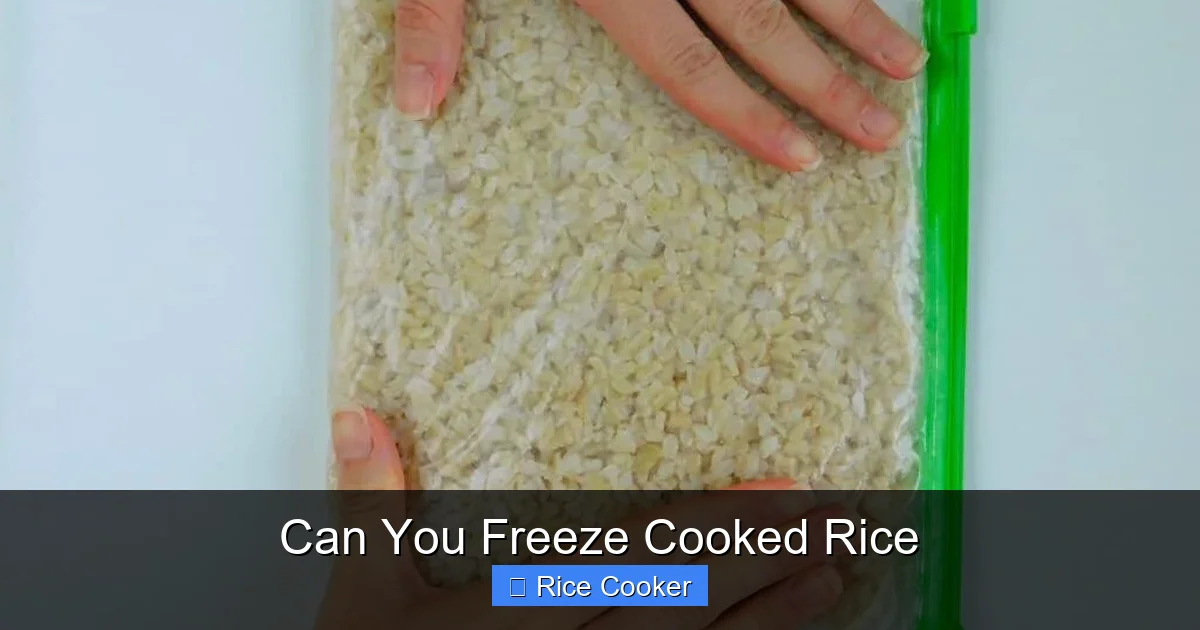
Yes, you can freeze cooked rice, and doing it the right way keeps it safe, tasty, and ready to eat. Freezing extends shelf life, prevents waste, and makes meal prep easier. With proper storage and thawing, your frozen rice stays fluffy and delicious.
Have you ever opened your fridge, stared at a pot of leftover rice, and wondered, “Can you freeze cooked rice?” The short answer? Absolutely—yes! But like many things in cooking, the details matter. Freezing cooked rice isn’t just possible; it’s a smart, practical way to reduce food waste, save time, and keep your meals convenient. Whether you’re prepping for the week, making extra fried rice, or just don’t want your perfectly cooked grains going to waste, freezing is your friend.
But before you toss that bowl into the freezer, let’s dive into exactly how to do it right—so your rice stays fresh, safe, and delicious when you thaw it later. From cooling tips to storage hacks and reheating secrets, this guide covers everything you need to know about freezing cooked rice like a pro.
Key Takeaways
- Freezing cooked rice is safe and effective: When stored properly in airtight containers or freezer bags, cooked rice can last up to 6 months without losing quality.
- Cool before freezing: Always cool rice to room temperature before placing it in the freezer to prevent ice crystals and maintain texture.
- Use shallow containers: Freeze rice in thin layers (½-inch depth) to speed up cooling and thawing while preserving fluffiness.
- Label and date everything: Mark containers with the date so you know exactly when the rice was frozen, helping you use it within the ideal window.
- Reheat thoroughly: When ready to eat, thaw and reheat rice fully on the stovetop or microwave to avoid foodborne illness risks.
- Avoid refreezing: Once thawed, do not refreeze rice unless you cook it first—this helps prevent bacterial growth.
- Best for large batches: Freezing is perfect for leftover fried rice, stir-fries, or big rice cooker meals that you want to enjoy later.
Quick Answers to Common Questions
Can you freeze cooked rice in plastic containers?
Yes, but only if they’re freezer-safe. Regular plastic can warp or leach chemicals when exposed to freezing temperatures. Use glass or BPA-free containers instead.
How long does frozen cooked rice last?
Up to 6 months in the freezer. For best quality, use within 3 months. Beyond that, it may dry out or develop freezer burn.
Do I need to drain water before freezing rice?
No, draining isn’t necessary. Cooked rice can have a bit of excess water—just spread it out to cool faster and freeze evenly.
Can you freeze rice from a rice cooker?
Absolutely. Rice cookers produce perfectly cooked rice that freezes beautifully. Just follow the same steps: cool, portion, and store.
Is it safe to reheat frozen rice more than once?
No. Each time you reheat rice, there’s a risk of bacterial growth. Reheat only once and eat immediately.
📑 Table of Contents
- Why Freeze Cooked Rice?
- How Long Can You Freeze Cooked Rice?
- Step-by-Step Guide: How to Freeze Cooked Rice Properly
- What Types of Cooked Rice Can Be Frozen?
- How to Thaw and Reheat Frozen Cooked Rice Safely
- Common Mistakes to Avoid When Freezing Cooked Rice
- Creative Ways to Use Frozen Cooked Rice
- Food Safety Tips for Freezing and Storing Rice
- Comparing Freezing vs. Refrigeration for Cooked Rice
- Final Thoughts: Freeze Cooked Rice with Confidence
Why Freeze Cooked Rice?
Cooked rice is one of those versatile staples that can turn into dozens of dishes—fried rice, rice bowls, salads, casseroles, and more. But it doesn’t last forever. In the fridge, plain cooked rice typically keeps for only 3–4 days. That’s not bad, but it’s not great if you’re meal prepping or have leftovers from a big family dinner.
Freezing cooked rice solves several problems:
- Reduces food waste: No more tossing out rice because it’s gone cold and soggy.
- Saves time: Make a big batch once, freeze portions, and grab one whenever you need quick meals.
- Preserves quality: Properly frozen rice retains its texture, flavor, and nutritional value far longer than refrigerated rice.
- Convenient for busy lifestyles: Perfect for parents, students, or anyone who wants dinner ready in minutes.
Plus, freezing cooked rice is especially useful for dishes like fried rice, which often require pre-cooked rice anyway. Why make fresh rice every time when you can freeze it ahead?
How Long Can You Freeze Cooked Rice?
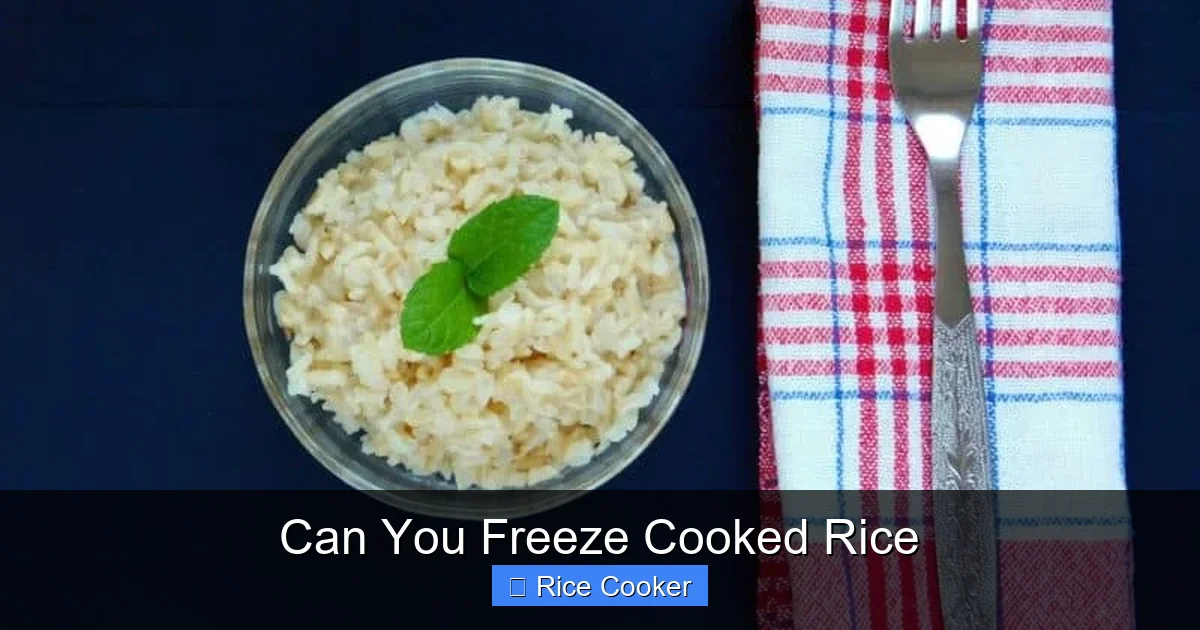
Visual guide about Can You Freeze Cooked Rice
Image source: canyoufreezethis.com
When frozen correctly, cooked rice can stay safe and good to eat for up to 6 months. After that, while it won’t necessarily be unsafe, it may start to develop freezer burn or lose some moisture and texture.
Here’s a general timeline to help you decide:
- 1–3 months: Best quality—fluffy, moist, and flavorful.
- 3–6 months: Still safe and usable, but texture may become slightly drier.
- Beyond 6 months: Possible off-flavors or freezer burn; consider using for recipes where rice texture isn’t critical (like casseroles or soups).
Remember: Just because rice has been frozen for months doesn’t mean it’s spoiled. Use your best judgment—if it smells off or has an unusual odor, discard it. But if it looks and smells fine, it’s likely still good.
Step-by-Step Guide: How to Freeze Cooked Rice Properly
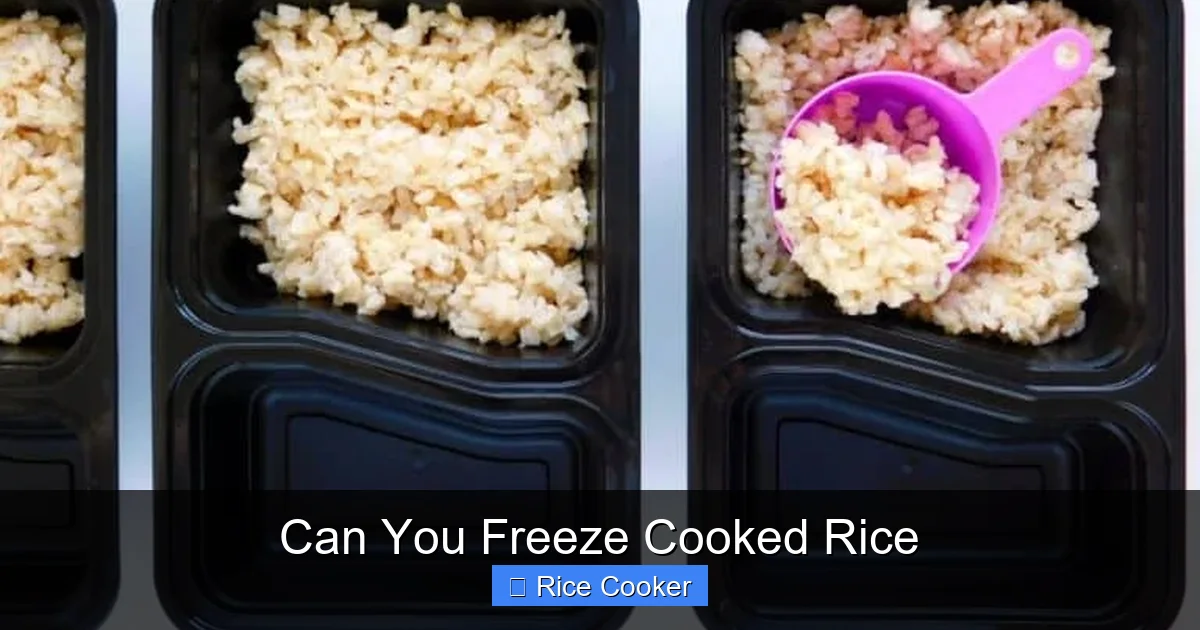
Visual guide about Can You Freeze Cooked Rice
Image source: canyoufreezethis.com
Freezing cooked rice sounds simple, but skipping a few key steps can lead to clumpy, icy rice or even food safety issues. Follow this easy process to get it right every time.
1. Let It Cool First
Never put hot rice straight into the freezer. Doing so raises the internal temperature, which can cause condensation, ice crystals, and uneven freezing. Instead, spread the rice out in a shallow layer on a baking sheet or large tray. This speeds up cooling and prevents it from forming a solid block.
Let it cool at room temperature for 30–60 minutes, stirring occasionally to break up clumps. Once it’s cool to the touch, transfer it to airtight containers or freezer-safe bags.
2. Portion It Out
Don’t freeze all your rice at once. Instead, divide it into smaller portions based on how you plan to use it later. A typical serving is about 1 cup of cooked rice.
Use freezer-safe containers, glass jars, or heavy-duty freezer bags. If using bags, squeeze out as much air as possible before sealing to prevent freezer burn.
3. Label and Date
Write the contents and date on each container or bag. Use a permanent marker or waterproof label. This helps you keep track of how long it’s been stored and ensures you use the oldest portions first.
4. Freeze Flat
Place containers or bags flat in the freezer. This saves space and allows the rice to thaw faster when needed. If you’re freezing large batches, consider stacking flat containers together for stability.
What Types of Cooked Rice Can Be Frozen?
Not all cooked rice is created equal when it comes to freezing. Some types freeze better than others due to their starch content and preparation method.
White Rice (Long-Grain or Basmati)
This is the most common type of rice used in home cooking and freezes exceptionally well. Its low moisture and fluffy structure hold up beautifully after thawing. Ideal for fried rice, rice bowls, and side dishes.
Brown Rice
Brown rice has more fiber and oil, which can affect texture over time. While it’s still safe to freeze, it may become slightly chewier after thawing. Still, it works well in hearty dishes like grain bowls or pilafs.
Coconut Milk Rice or Flavored Rice
Rice cooked with coconut milk, herbs, or spices freezes wonderfully because the flavors are preserved. Think Thai jasmine rice or Indian biryani—both freeze and reheat with minimal loss of taste.
Fried Rice
This is one of the best candidates for freezing. Because it’s already seasoned and cooked, frozen fried rice reheats like a dream. Just thaw, heat, and serve—perfect for quick lunches or dinners.
Avoid Freezing Raw Rice
Raw, uncooked rice should never be frozen. It needs to absorb water and cook properly. Freezing raw rice can lead to inconsistent cooking or mushy results.
How to Thaw and Reheat Frozen Cooked Rice Safely
Thawing and reheating are just as important as freezing. Done wrong, your once-perfect rice could end up soggy, dry, or worse—unsafe to eat.
Safe Thawing Methods
- In the refrigerator: Transfer the frozen rice to the fridge and let it thaw overnight. This is the safest method and helps retain moisture.
- On the counter (if using soon): Place it in a covered dish and let it sit at room temperature for 30–60 minutes. Stir occasionally to check progress.
- In the microwave: Use the defrost setting or low power to gradually thaw. Stir halfway through to ensure even warming.
Proper Reheating Techniques
Once thawed, reheat rice thoroughly to kill any potential bacteria. Never reheat rice multiple times.
- Stovetop method: Add a splash of water or broth to the rice in a saucepan. Cover and heat over medium-low, stirring frequently until steaming and heated through.
- Microwave method: Place rice in a microwave-safe dish, cover with a damp paper towel, and heat in 30-second intervals, stirring between each, until hot throughout.
For best results, add a teaspoon of butter or oil when reheating to restore softness and prevent drying.
Common Mistakes to Avoid When Freezing Cooked Rice
Even experienced cooks make these errors. Avoid them to keep your frozen rice tasting great:
- Skipping the cooling step: Hot rice traps steam, leading to ice crystals and uneven freezing.
- Using improper containers: Plastic containers that aren’t freezer-safe can warp or leak. Stick to glass or BPA-free plastic.
- Overfilling containers: Leave headspace (about ½ inch) for expansion during freezing.
- Not labeling: You’ll forget what you froze and when—leading to forgotten leftovers.
- Refreezing thawed rice: Once rice has been thawed, it should be eaten or cooked again before freezing. Refreezing increases food safety risks.
- Leaving rice in the “danger zone” too long: The 40°F–140°F range is where bacteria multiply fastest. Keep rice out of this zone during cooling and reheating.
Creative Ways to Use Frozen Cooked Rice
Frozen rice isn’t just for reheating plain. Use it creatively to elevate your meals:
- Meal prep bowls: Combine thawed rice with roasted veggies, protein, and sauce for instant lunches.
- Risotto: Yes, you can make risotto with frozen rice! Thaw it, sauté with onions, then slowly add warm broth.
- Pilafs and stuffing: Add frozen rice to soups, stews, or stuff peppers and tomatoes.
- Baked goods: Use in rice pudding, meatloaf, or cornbread for added texture and nutrition.
- Smoothie boost: A small amount in smoothies adds creaminess and sustained energy.
With a little imagination, frozen rice becomes a kitchen superhero—ready for breakfast, lunch, dinner, or dessert.
Food Safety Tips for Freezing and Storing Rice
Food safety is non-negotiable when dealing with rice. Unlike other grains, rice can harbor spores of *Bacillus cereus*, a bacteria that survives cooking and can grow if rice is cooled slowly or stored improperly.
Here’s how to stay safe:
- Cool quickly: Within 2 hours of cooking, rice should be either refrigerated or frozen.
- Store promptly: Don’t leave rice sitting out overnight.
- Reheat thoroughly: Always bring rice back to 165°F (74°C) during reheating.
- Avoid cross-contamination: Use clean utensils and containers.
- Trust your senses: If rice smells sour, slimy, or has mold, throw it out.
Following these guidelines ensures your frozen rice remains safe and delicious.
Comparing Freezing vs. Refrigeration for Cooked Rice
You might wonder: Should I freeze or just refrigerate my cooked rice? Both work, but they serve different purposes.
| Method | Shelf Life | Texture After Storage | Best For |
|————–|————|————————|———-|
| Refrigeration | 3–4 days | May dry out or harden | Small portions, immediate use |
| Freezing | Up to 6 months | Remains fluffy if done right | Large batches, long-term storage |
Freezing is clearly superior for bulk storage and convenience. Refrigeration is fine for quick use within a few days.
Final Thoughts: Freeze Cooked Rice with Confidence
So, can you freeze cooked rice? The answer is a resounding yes—and now you know exactly how to do it right. With proper cooling, portioning, storage, and reheating, frozen rice can remain safe, tasty, and versatile for months.
Whether you’re meal prepping, reducing waste, or simply love having backup rice ready, freezing is a game-changer. Next time you cook a big batch, don’t hesitate—freeze it and enjoy peace of mind knowing your future meals are just a thaw away.
And remember: The key to great frozen rice isn’t magic—it’s consistency. Cool it, store it properly, label it, and reheat like a pro. Your future self will thank you.
Frequently Asked Questions
Can you freeze cooked rice without a rice cooker?
Yes, you can freeze cooked rice whether you use a rice cooker, pot on the stove, or any other method. The cooking vessel doesn’t affect freezing quality.
Does freezing change the taste of cooked rice?
Not significantly if done correctly. Properly frozen and reheated rice retains its original flavor. Poor storage or reheating can lead to dryness or off-tastes.
How do you prevent frozen rice from getting icy?
Freeze in thin layers and ensure it cools completely before storing. Using shallow containers and removing air from bags also helps prevent ice crystal formation.
Can you freeze rice with sauce or mix-ins?
Yes, as long as the sauce or mix-ins are fully incorporated and the mixture cools before freezing. Dishes like fried rice or coconut curry rice freeze very well.
How do you reheat frozen rice without making it mushy?
Add a splash of water or broth when reheating, and stir frequently. Cooking it gently on the stovetop usually gives better results than microwaving alone.
Is it okay to freeze rice that’s already been refrigerated?
Yes, but only if it’s been stored in the fridge for less than 48 hours and hasn’t spoiled. Once refrigerated rice starts to smell off or grow mold, don’t freeze it.