

Cooked rice can safely stay in the fridge for up to 4 days, but improper storage can lead to rapid bacterial growth. Always cool it quickly, store in airtight containers, and reheat thoroughly to reduce health risks. Following these simple steps keeps your meals safe and delicious.
Key Takeaways
- Refrigeration Limit: Cooked rice should be eaten within 4 days when stored properly in the refrigerator at or below 40°F (4°C).
- Bacterial Risk: Rice can harbor Bacillus cereus spores that survive cooking and multiply in warm, moist environments—even in the fridge.
- Proper Cooling: Cool rice quickly by spreading it in shallow containers; don’t leave it at room temperature for more than 1 hour.
- Airtight Storage: Store cooled rice in sealed, clean containers to prevent contamination and moisture loss.
- Safe Reheating: Always reheat rice to an internal temperature of at least 165°F (74°C) to kill any potential bacteria.
- Freezing Option: For longer storage, freeze rice in portions—it stays safe for up to 6 months.
- Symptoms to Watch: Nausea, vomiting, or diarrhea after eating rice may indicate food poisoning—seek medical help if severe.
Quick Answers to Common Questions
How long can cooked rice stay in the fridge?
Up to 4 days when stored in an airtight container in the refrigerator at or below 40°F (4°C).
Can you eat rice after 5 days in the fridge?
It’s not recommended. After 4 days, the risk of Bacillus cereus contamination increases, even if the rice looks and smells normal.
Is it safe to reheat rice more than once?
No. Repeated reheating promotes bacterial growth and toxin production. Only heat rice once and consume immediately.
Should you rinse rice before cooking to keep it fresh longer?
Rinsing removes starch but doesn’t affect spoilage. It’s optional for taste or texture, not safety.
Can you freeze rice and reheat it safely?
Yes. Freeze in portion-sized containers for up to 6 months. Thaw in the fridge and reheat to 165°F (74°C).
📑 Table of Contents
- How Long Can Cooked Rice Stay in the Fridge?
- Understanding the Risks of Storing Cooked Rice
- Best Practices for Storing Cooked Rice
- How to Tell if Rice Has Gone Bad
- Reheating Leftover Rice Safely
- Can You Freeze Cooked Rice?
- Common Myths About Rice Storage
- Tips for Rice Meal Prep Success
- Conclusion: Keep Your Rice Safe and Delicious
How Long Can Cooked Rice Stay in the Fridge?
If you’ve ever wondered, “How long can cooked rice stay in the fridge?” you’re not alone. Whether you made a big batch for meal prep, had leftovers from dinner, or just wanted extra for tomorrow’s lunch, knowing how to store rice safely is essential. Rice is a staple food in many households, but its safety depends heavily on how it’s handled after cooking.
The short answer: cooked rice should be refrigerated within two hours of cooking and consumed within four days. But let’s dive deeper into why this matters, how to store it correctly, and what signs to look out for that might mean it’s gone bad. We’ll also explore freezing options, reheating tips, and common myths about rice storage. By the end, you’ll feel confident every time you cook with rice.
Understanding the Risks of Storing Cooked Rice
Rice isn’t inherently dangerous—but when it comes to leftover rice, caution is key. The main concern lies in a bacterium called Bacillus cereus. This spore-forming bacteria is commonly found in soil and grains. When rice is cooked, these spores survive and, if the rice cools slowly or sits at room temperature, they begin to multiply rapidly. Even refrigeration doesn’t always stop them—they can grow back once the rice warms up again during storage or reheating.

Visual guide about How Long Can Cooked Rice Stay in the Fridge
Image source: canyoupreserve.com
Why Room Temperature Is Dangerous
The danger zone for bacterial growth is between 40°F (4°C) and 140°F (60°C). If cooked rice sits out for more than two hours (or one hour if the temperature is above 90°F), bacteria can thrive. That’s why it’s critical to refrigerate rice quickly. Leaving rice on the counter overnight increases the risk of foodborne illness significantly.
What Happens When You Refrigerate Rice?
Refrigeration slows down bacterial growth, but it doesn’t eliminate it. Bacillus cereus can still produce toxins in cold temperatures, especially if the rice is reheated improperly. These toxins cause two types of food poisoning: emetic (vomiting) and diarrheal. The emetic type is linked to rice, while the diarrheal type affects other starchy foods too.
Best Practices for Storing Cooked Rice
Storing rice correctly is your best defense against foodborne illness. Here’s how to do it right:
Visual guide about How Long Can Cooked Rice Stay in the Fridge
Image source: expertreviewsbestricecooker.com
Cool It Fast
After cooking, spread the rice in a shallow layer or divide it into small containers. This increases the surface area, allowing it to cool faster. Use ice baths or place containers in front of a fan for quicker cooling. Never cover hot rice tightly—it traps heat and encourages bacterial growth.
Use Airtight Containers
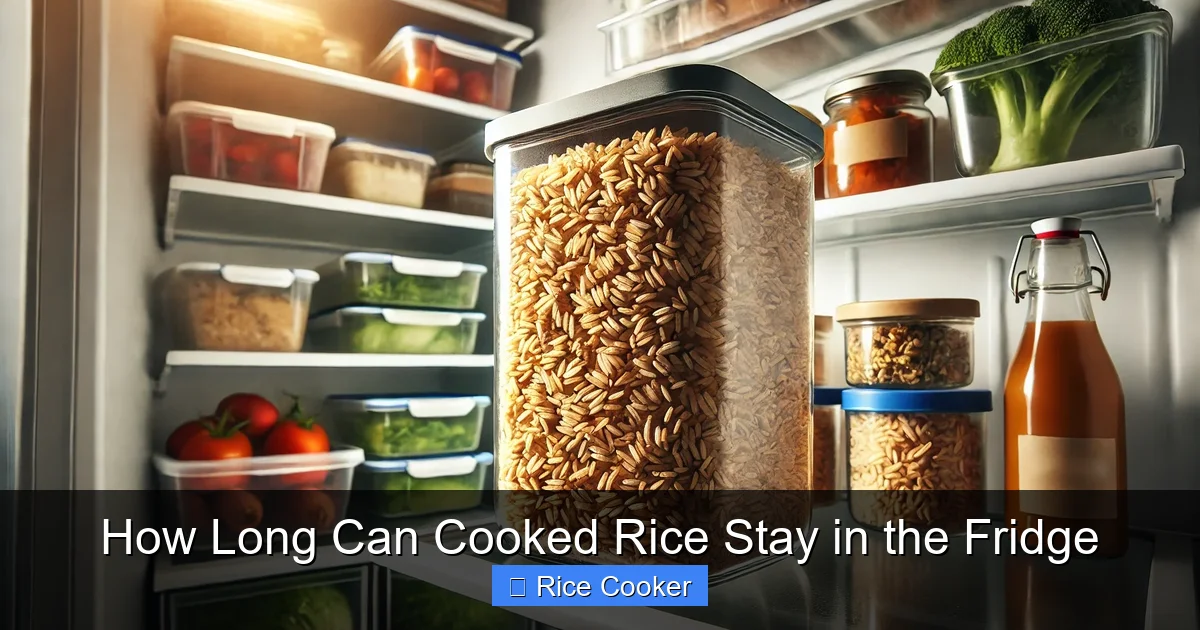
Once cooled, transfer rice to clean, airtight containers. Glass or BPA-free plastic containers work well. Label each container with the date so you know how long it’s been stored. Avoid leaving rice uncovered in the fridge, as it can absorb odors and dry out.
Store at the Right Temperature
Keep your refrigerator at or below 40°F (4°C). Use a thermometer to check if needed. Cold storage is essential, but even then, rice shouldn’t sit in the fridge for more than four days.
How to Tell if Rice Has Gone Bad
You won’t always see or smell spoilage in rice—that’s why it’s tricky. But there are some clues:
- Texture changes: If rice feels slimy, sticky, or has an unusual grittiness, toss it.
- Unpleasant odor: While rice doesn’t have a strong smell when fresh, spoiled rice may smell sour, rancid, or off.
- Mold: Any visible mold means immediate disposal.
- Color shifts: Discoloration—like gray or green patches—is a red flag.
When in doubt, throw it out. Food poisoning symptoms like nausea, cramps, or diarrhea usually appear within 6–15 hours of eating contaminated food. If you experience severe symptoms, seek medical attention immediately.
Reheating Leftover Rice Safely
Reheating rice properly reduces the risk of foodborne illness. Follow these steps:
Microwave Method
Place rice in a microwave-safe dish, add a tablespoon of water, cover loosely, and heat in 30-second intervals until steaming hot throughout. Stir between intervals to ensure even heating.
Stovetop Method
Heat rice in a saucepan over medium heat, stirring frequently. Add a splash of broth or water to prevent drying. Heat until the rice reaches 165°F (74°C) internally.
Oven Method
Spread rice on a baking sheet, sprinkle with water, cover with foil, and bake at 350°F (175°C) for 10–15 minutes, stirring halfway through.
Never reheat rice more than once. Repeated heating increases bacterial growth and toxin production.
Can You Freeze Cooked Rice?
Yes! Freezing rice is a great way to extend its shelf life and reduce waste. Frozen rice can stay safe for up to six months. Here’s how to do it:
Pour into Portion-Sized Containers
Divide rice into meal-sized portions before freezing. Use freezer-safe bags or containers with tight seals.
Label and Date
Always label containers with the date. This helps you track how long it’s been frozen.
Thaw Safely
Thaw frozen rice in the refrigerator overnight or under cold running water. Then reheat thoroughly before eating.
Frozen rice maintains better texture and flavor than refrigerated rice kept for too long.
Common Myths About Rice Storage
Let’s clear up some misconceptions:
- Myth: “If I rinse rice before cooking, it won’t spoil.”
Fact: Rinsing removes excess starch but doesn’t eliminate Bacillus cereus spores. - Myth: “Rice can last a week in the fridge.”
Fact: Most experts recommend eating within four days—even if it looks fine. - Myth: “Freezing ruins rice.”
Fact: Properly frozen rice retains quality and safety for months. - Myth: “You can leave rice out all night if it’s covered.”
Fact: Covering doesn’t prevent bacterial growth—cooling speed does.
Tips for Rice Meal Prep Success
Want to make rice ahead of time without worrying about safety? Try this:
- Cook rice in bulk on Sunday.
- Divide into containers and freeze portions.
- Thaw only what you need each day.
- Pair with proteins and veggies to create balanced meals.
- Use rice in stir-fries, bowls, or salads for variety.
This method saves time and ensures you always have a quick, safe base for meals.
Conclusion: Keep Your Rice Safe and Delicious
So, how long can cooked rice stay in the fridge? Up to four days, if stored properly. Beyond that, the risk of foodborne illness increases. By cooling rice quickly, using airtight containers, and reheating thoroughly, you protect yourself and your family. Freezing is another excellent option for longer storage. Remember: when in doubt, throw it out. Your health is worth the extra effort.
Whether you’re using a rice cooker, stove, or microwave, following these simple steps ensures every bowl of rice is safe and tasty. Next time you cook rice, think beyond one meal—plan ahead, store smartly, and enjoy peace of mind knowing your leftovers are as safe as they are delicious.
Frequently Asked Questions
Can rice go bad in the fridge?
Yes, rice can spoil or become unsafe after 4 days in the fridge due to bacterial growth, especially from Bacillus cereus.
How can you tell if rice is spoiled?
Look for slimy texture, off odors, mold, or discoloration. When in doubt, discard the rice to avoid food poisoning.
Does cooking rice kill all bacteria?
Most bacteria are killed during cooking, but Bacillus cereus spores can survive and multiply if rice is stored improperly.
Is it safe to leave rice out overnight?
No. Rice should be refrigerated within two hours of cooking to prevent bacterial growth in the danger zone (40°F–140°F).
Can you get sick from old rice?
Yes. Consuming rice older than 4 days increases the risk of foodborne illness, including vomiting and diarrhea.
How do you properly store rice after cooking?
Cool quickly in shallow containers, transfer to airtight containers, label with the date, and refrigerate immediately.