
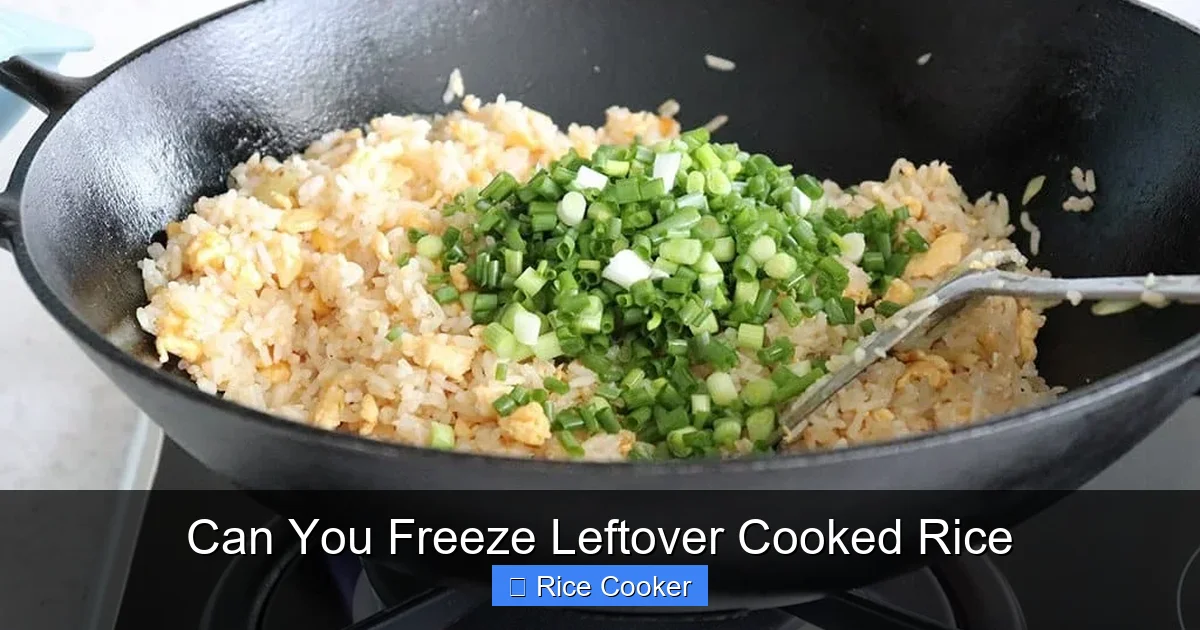
Can you freeze leftover cooked rice? Absolutely! Freezing is a smart way to reduce food waste and save time. With proper storage and handling, your cooked rice will stay fresh, flavorful, and ready to use in meals up to 6 months later.
Have you ever found yourself staring into the refrigerator, wondering what to make with that extra bowl of perfectly cooked rice? Or maybe you’re just trying to cut down on food waste—because honestly, who wants to toss out good food? If so, you’re not alone. Leftover cooked rice is one of those kitchen staples that often goes underutilized or ends up forgotten at the back of the fridge. But here’s a game-changing tip: yes, you absolutely can freeze leftover cooked rice. In fact, doing so not only saves money and reduces waste but also gives you a convenient base for countless delicious meals down the line.
Whether you used your rice cooker to whip up a batch of fluffy jasmine rice for dinner, made a big pot of biryani, or simply had too much white rice on hand, freezing it properly means you’ll have ready-to-use grains whenever inspiration strikes. From quick stir-fries to hearty casseroles, having pre-cooked, frozen rice on standby makes life easier and your pantry smarter. Let’s dive into everything you need to know about freezing cooked rice—so you never have to wonder again.
Key Takeaways
- Freezing preserves quality: When done correctly, freezing cooked rice maintains its texture and taste for weeks or even months.
- Proper cooling prevents bacteria: Never leave rice at room temperature for more than two hours before freezing—this reduces the risk of bacterial growth.
- Use airtight containers or freezer bags: Prevent freezer burn by removing as much air as possible from storage containers.
- Label with date and contents: Always mark packages with the date and type of rice (e.g., jasmine, brown) for easy identification.
- Reheat safely: Thaw rice in the fridge or microwave, then heat thoroughly until steaming hot throughout.
- Best for short-term storage: While safe beyond six months, optimal quality lasts about 1–3 months in the freezer.
- Ideal for meal prep: Freezing rice makes it perfect for quick stir-fries, fried rice, casseroles, and soups.
📑 Table of Contents
- Why Freeze Cooked Rice?
- How Long Can You Keep Cooked Rice in the Freezer?
- Step-by-Step Guide: How to Properly Freeze Cooked Rice
- Types of Rice That Freeze Well
- Common Mistakes to Avoid When Freezing Rice
- How to Safely Reheat Frozen Cooked Rice
- Creative Ways to Use Frozen Rice
- Food Safety Reminders
- Final Thoughts: Is Freezing Rice Worth It?
Why Freeze Cooked Rice?
Cooked rice is incredibly versatile—it forms the foundation of dishes like fried rice, risotto, rice bowls, salads, and even desserts like rice pudding. But when leftovers pile up, they lose their appeal quickly. The problem? Cooked rice has a tendency to dry out, become gummy, or develop off-flavors if stored improperly at room temperature or in the fridge for too long.
Freezing solves these problems by halting bacterial growth and preserving both moisture and flavor. According to food safety experts, cooked rice should never sit at room temperature for more than two hours because it becomes a breeding ground for *Bacillus cereus*, a bacteria that can cause food poisoning—even if the rice looks and smells fine. Freezing stops this process cold (literally), allowing you to store rice safely for days or even months.
Plus, freezing cooked rice is a fantastic strategy for meal prep. Imagine waking up Saturday morning, grabbing a portion of thawed rice, and turning it into a restaurant-quality fried rice in under ten minutes. That’s convenience, folks!
How Long Can You Keep Cooked Rice in the Freezer?
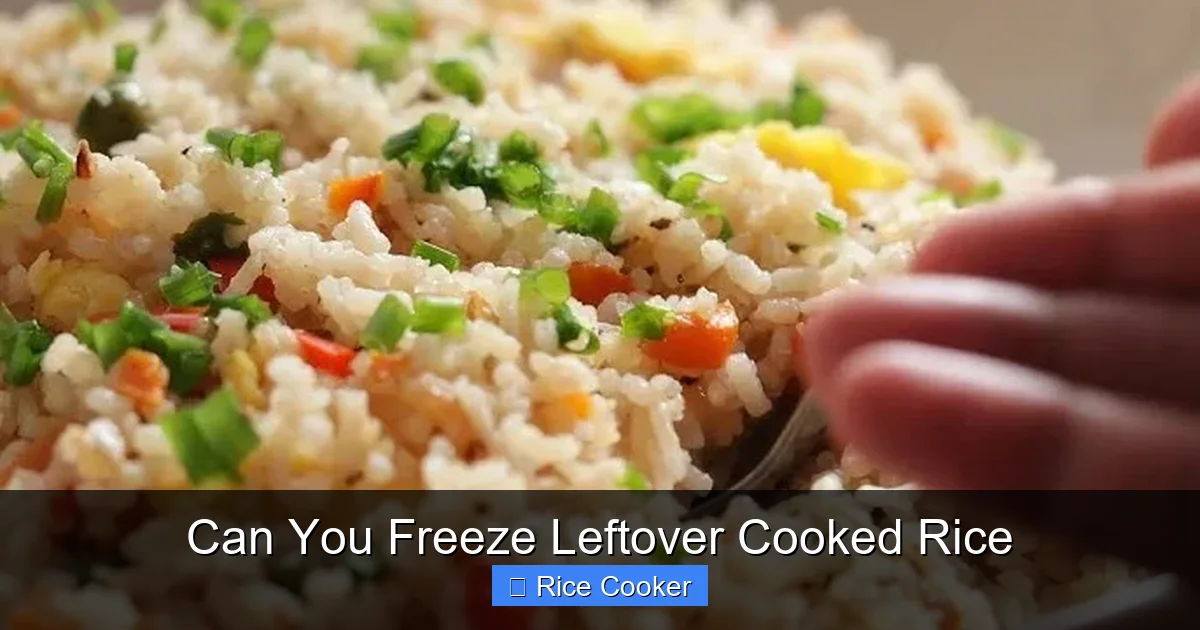
Visual guide about Can You Freeze Leftover Cooked Rice
Image source: sushiandrice.com
When stored correctly, cooked rice can last anywhere from 1 to 6 months in the freezer. Most people find that the best texture and flavor are maintained within the first 1–3 months. After that, while it remains safe to eat, the rice may start to lose moisture and become slightly harder or drier upon reheating.
It’s important to note that freezing doesn’t destroy nutrients—it actually helps preserve them. However, over time, oxidation and freezer burn can affect quality. To maximize freshness:
– Use high-quality, airtight containers or freezer-safe bags.
– Remove as much air as possible before sealing.
– Store in the coldest part of your freezer (usually the back).
– Avoid frequent temperature fluctuations by keeping the freezer consistently at 0°F (-18°C).
If you’ve labeled your containers with the date and type of rice, you’ll always know how long it’s been stored and whether it’s still at peak condition.
Step-by-Step Guide: How to Properly Freeze Cooked Rice
Visual guide about Can You Freeze Leftover Cooked Rice
Image source: i.pinimg.com
Freezing cooked rice might sound tricky, but it’s simpler than you think—especially if you follow a few key steps. Here’s how to do it right every time.
Step 1: Cool the Rice Quickly
After cooking, let the rice sit for a few minutes to cool slightly—but don’t leave it out for more than 30 minutes. Then spread it in a thin layer on a baking sheet lined with parchment paper. This technique, called “flash freezing,” prevents large ice crystals from forming and keeps individual grains separate instead of clumping together.
Step 2: Portion It Out
Once the rice is mostly cooled (not frozen yet), divide it into portions based on how you plan to use it later. Common sizes include:
– Half-cup servings (ideal for single meals)
– One-cup servings (great for family-sized dishes)
– Two-cup portions (perfect for fried rice or casseroles)
Using portion sizes makes thawing quicker and ensures you only take out what you need.
Step 3: Transfer to Airtight Containers
Place each portion into freezer-safe bags or rigid containers. Squeeze out excess air before sealing—this minimizes freezer burn. For added protection, double-wrap smaller portions in plastic wrap before placing them in zip-top freezer bags.
Step 4: Label and Date Everything
Write the contents and date on masking tape or a permanent marker. Trust me, you’ll thank yourself later when you’re digging through the freezer and need to identify that mysterious container labeled “Rice – ??/??/??”.
Step 5: Freeze Flat (Optional but Helpful)
Lay flat-sided freezer bags on their sides rather than stacking them vertically. This saves space and allows for quicker thawing since heat distributes evenly across the surface.
By following these steps, you’ll end up with uniformly frozen rice blocks that pop out easily and reheat beautifully.
Types of Rice That Freeze Well
Not all rice is created equal when it comes to freezing. Some varieties hold up better than others due to their starch content and grain structure.
White Rice (Long-Grain & Medium-Grain)
This is the most common type used in homes and restaurants. White long-grain rice freezes exceptionally well because it stays fluffy and non-sticky after thawing. Brown rice, while nutritious, behaves differently—its higher oil content can lead to rancidity if frozen improperly. Still, it’s possible to freeze brown rice if you use vacuum-sealed bags and consume it within 2–3 months.
Basmati and Jasmine Rice
These aromatic varieties retain their fragrance and texture surprisingly well when frozen. Just be sure to cool and portion them promptly, just like with any other cooked rice.
Instant Rice and Pre-Cooked Varieties
Avoid freezing instant or pre-cooked rice products unless specified on the package instructions—some contain additives or oils that aren’t ideal for freezing.
Specialty Rices (Black, Red, Wild)
These darker rices tend to darken further when frozen and may alter slightly in texture. If you’re using them for visual presentation (like in a salad), consider cooking fresh instead. But for everyday meals? Go ahead—they freeze just fine!
No matter the type, always prioritize proper cooling and airtight storage to maintain quality.
Common Mistakes to Avoid When Freezing Rice
Even experienced home cooks sometimes make errors that compromise the final result. Here are the top mistakes to watch out for:
- Leaving rice at room temperature too long: As mentioned earlier, bacteria multiply rapidly between 40°F and 140°F (the “danger zone”). Don’t risk it—cool and freeze within two hours.
- Using regular plastic bags without sealing properly: Standard grocery bags aren’t designed for long-term freezer storage and may tear or leak.
- Overpacking containers: Leave at least an inch of headspace so the rice expands during freezing without cracking the container.
- Not spreading rice thinly before freezing: Clumping defeats the purpose—thin layers freeze faster and prevent mushiness.
- Thawing incorrectly: Never thaw rice at room temperature. Always use the refrigerator or microwave.
Avoiding these pitfalls ensures your frozen rice stays fresh, safe, and delicious.
How to Safely Reheat Frozen Cooked Rice
The magic of frozen rice is revealed during reheating. Done right, it tastes almost identical to freshly cooked rice. Here’s how to bring it back to life:
Option 1: Microwave Method (Fastest)
Place the desired amount in a microwave-safe dish. Add a teaspoon of water or broth to reintroduce moisture. Cover with a damp paper towel or lid to trap steam. Heat on high in 30-second intervals, stirring between bursts, until steaming hot throughout (internal temperature should reach 165°F).
Option 2: Stovetop Revival
For stovetop lovers, place rice in a saucepan with a splash of water or broth. Bring to a simmer over medium heat, stirring occasionally. Cover and cook for 3–5 minutes until heated through.
Option 3: Oven Reheating (For Large Batches)
Spread thawed rice evenly on a baking sheet. Drizzle with oil or butter and bake at 350°F for 10–15 minutes, flipping halfway through. This method works great for repurposing rice into crispy rice cakes or baked rice dishes.
Troubleshooting Tips:
– If rice feels dry after thawing, add liquid gradually while reheating.
– For extra fluffiness, fluff with a fork before serving.
– Avoid microwaving directly from frozen—it heats unevenly and risks cold spots.
With practice, reheating frozen rice becomes second nature.
Creative Ways to Use Frozen Rice
Don’t limit yourself to plain rice! Frozen rice opens up a world of culinary possibilities:
Fried Rice Variations
Classic Chinese-style fried rice gets a boost when you start with pre-cooked, frozen rice. Sauté diced vegetables, scramble eggs, add soy sauce, and toss everything with the thawed rice. Boom—restaurant-quality dish in minutes.
Rice Bowls and Tacos
Top warm or cold rice with roasted veggies, beans, salsa, avocado, and protein. Perfect for meal prep lunches or quick dinners.
Casseroles and Baked Dishes
Fold frozen rice into macaroni and cheese, shepherd’s pie, or chicken pot pie filling. It absorbs flavors beautifully and cuts down on prep time.
Breakfast Options
Make rice porridge by heating frozen rice with milk, cinnamon, and fruit. Or form rice into patties, coat in breadcrumbs, and pan-fry for crispy rice fritters.
Desserts
Who knew frozen rice could be sweet? Simmer with coconut milk, sugar, and vanilla to create creamy rice pudding—no need to cook from scratch!
The key is letting your creativity flow. Once you master freezing rice, you’ll find endless ways to repurpose it.
Food Safety Reminders
While freezing extends shelf life significantly, it’s still crucial to follow basic food safety rules:
– Always wash hands, utensils, and surfaces before handling rice.
– Use clean containers to avoid contamination.
– When in doubt, throw it out—if rice smells off or shows signs of mold, discard it immediately.
– Never refreeze rice that has already been thawed and partially cooked unless you’re certain it was kept at safe temperatures during thawing.
Remember: freezing slows—but doesn’t eliminate—bacterial activity entirely. Proper handling from start to finish keeps everyone healthy.
Final Thoughts: Is Freezing Rice Worth It?
So, can you freeze leftover cooked rice? The answer is a resounding yes—and it’s one of the easiest, most effective ways to manage kitchen waste and streamline your cooking routine. Whether you’re meal prepping for the week, reducing spoilage, or simply want backup grains for impromptu meals, freezing cooked rice is a win-win.
With simple steps—proper cooling, airtight storage, labeling, and safe reheating—you’ll enjoy perfectly usable rice anytime. Plus, knowing that your rice cooker output won’t go to waste brings peace of mind and deliciousness together.
Next time you make that extra batch of rice, remember: freeze it. Your future self will thank you.
Frequently Asked Questions
Can you freeze cooked rice from the rice cooker?
Absolutely! Rice cooked in a rice cooker freezes just as well as rice cooked on the stove. Just cool it quickly, portion it out, and store it in airtight containers or freezer bags. Follow standard food safety guidelines to ensure quality and safety.
How long does frozen rice last in the freezer?
Frozen cooked rice remains safe indefinitely, but the best quality lasts about 1 to 3 months. After that, while still edible, it may become drier or less flavorful. For optimal texture and taste, aim to use it within three months.
Do I need to thaw frozen rice before reheating?
You can thaw rice in the refrigerator overnight or reheat it directly from frozen using the microwave. However, microwaving from frozen may require longer heating times to ensure even warming. Adding a little water helps restore moisture during reheating.
Can you freeze rice in glass containers?
Yes, but choose freezer-safe glass containers with tight-fitting lids. Leave some headroom for expansion during freezing. Avoid ordinary glass jars, which can crack when exposed to rapid temperature changes.
Is it safe to eat frozen rice that has been sitting in the freezer for over a year?
Yes, it’s safe—freezing prevents spoilage indefinitely. However, flavor and texture may degrade over time. If the rice smells odd, shows freezer burn, or feels excessively hard, it’s best to discard it.
Does freezing affect the nutritional value of rice?
No significant nutrient loss occurs during freezing. In fact, freezing helps preserve vitamins and minerals better than repeated refrigeration cycles. Just ensure proper packaging to prevent oxidation and maintain freshness.