
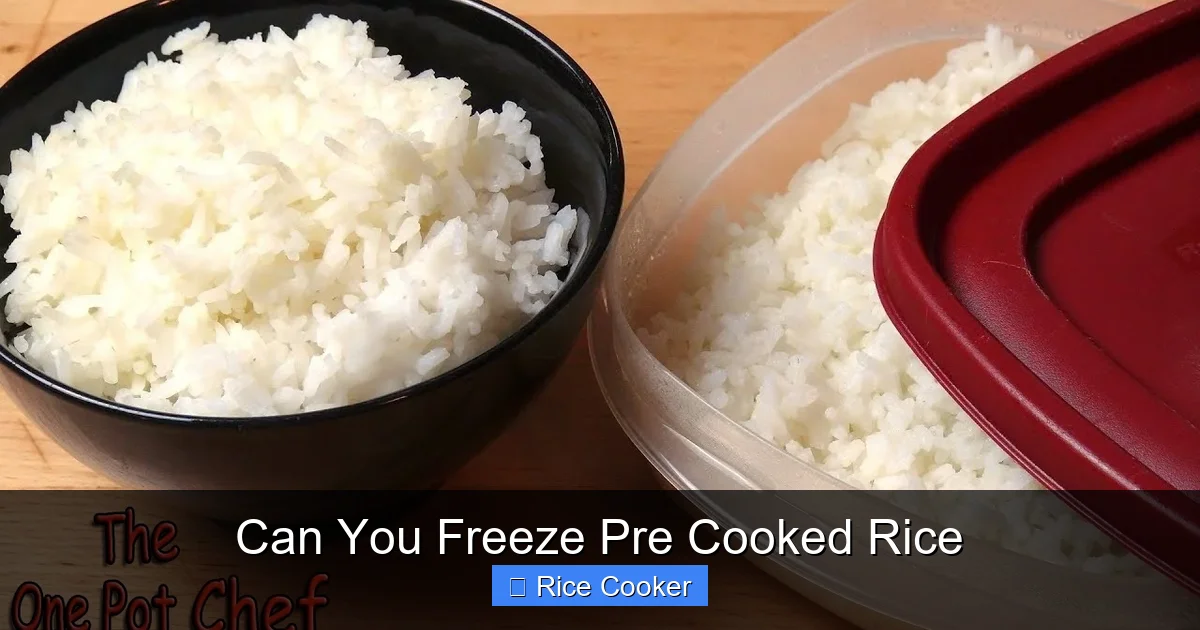
Can you freeze pre-cooked rice? Absolutely—freezing cooked rice is a smart way to cut down on waste and save time during meal prep. With the right steps, your rice will stay fresh for months and taste just as good when you reheat it. Whether you’re cooking in bulk or saving leftovers, freezing pre-cooked rice is simple, safe, and highly effective.
Key Takeaways
- Freezing pre-cooked rice is safe and preserves flavor: When stored correctly, rice maintains its texture and taste for up to 6 months.
- Proper cooling prevents bacterial growth: Never leave hot rice sitting at room temperature for more than 2 hours before freezing.
- Portion size matters: Divide rice into small portions (1–2 cups) for easier thawing and reheating later.
- Use airtight containers or freezer bags: This keeps out moisture and prevents freezer burn.
- Label and date your containers: Quick identification ensures you use older batches first and maintain quality.
- Reheat thoroughly for food safety: Always bring frozen or refrigerated rice to a full boil or steam until hot throughout.
- Best practices reduce waste: Freezing helps stretch meals and supports sustainable eating habits.
[FEATURED_IMAGE_PLACEHOLDER]
Introduction: Why Freeze Pre-Cooked Rice?
Have you ever cooked too much rice only to watch it go bad in the fridge? Or maybe you’re meal prepping for the week and want to save time on side dishes? If so, you’re not alone. Pre-cooked rice is a kitchen staple—easy, versatile, and quick to serve. But what do you do when you have more than you need?
This is where freezing comes in. Freezing pre-cooked rice is not only possible but also one of the most practical ways to extend its shelf life. Whether you’ve made a big batch with your rice cooker, saved dinner leftovers, or cooked rice ahead for stir-fries and salads, knowing how to freeze it properly makes all the difference.
In this article, we’ll walk you through everything you need to know about freezing pre-cooked rice—from safety tips to storage hacks and reheating methods. You’ll learn why freezing is beneficial, how to do it step by step, and how to enjoy perfectly cooked rice every time you need it.
Understanding Rice and Its Shelf Life
Before diving into freezing techniques, let’s talk about rice itself—specifically, cooked rice. Unlike raw rice, which can last years when stored in a cool, dry place, cooked rice is perishable. It’s rich in starch and moisture, making it a cozy environment for bacteria if not handled correctly.
According to food safety guidelines, cooked rice should be cooled and refrigerated within two hours of cooking. Once refrigerated, it stays safe for about 3 to 4 days. That’s not long if you’re feeding a family or planning ahead. But here’s the good news: freezing extends that window dramatically.
When you freeze pre-cooked rice, the cold temperature slows down bacterial growth and preserves the structure of the grains. This means your rice won’t spoil quickly and will remain usable for months. Just remember—while freezing doesn’t kill bacteria like Bacillus cereus (which can grow in improperly stored rice), it does stop them from multiplying.
The Risks of Improperly Stored Cooked Rice
One of the biggest concerns with cooked rice is the presence of Bacillus cereus, a bacterium that can survive cooking and produce toxins in warm, moist environments. These toxins cause food poisoning symptoms like nausea, vomiting, and diarrhea.
That’s why it’s crucial to cool rice quickly and store it properly. Leaving rice at room temperature for too long allows bacteria to multiply rapidly. Freezing halts this process almost immediately, giving you peace of mind.
Why Freezing Works So Well
Freezing rice essentially puts it in stasis. The low temperature stops enzymatic reactions and microbial activity that lead to spoilage. While texture may change slightly over time (more on that later), the rice remains safe and edible.
Additionally, freezing locks in flavor and aroma. Unlike some foods that lose taste when frozen, rice retains its neutral profile, making it perfect for future recipes like fried rice, casseroles, or grain bowls.
How Long Can You Freeze Pre-Cooked Rice?
If you’re planning to freeze your rice, timing and duration are important. So, how long can you freeze pre-cooked rice?
The short answer: up to 6 months. Most experts recommend using frozen rice within 3 to 6 months for the best quality. After that, while it’s still safe to eat, the texture might become slightly drier or more crumbly due to ice crystal formation.
Storage Duration Based on Container Type
| Storage Method | Recommended Duration |
|———————–|————————|
| Airtight container | 3–6 months |
| Freezer-safe bags | 3–6 months |
| Vacuum-sealed | 6–12 months |
Vacuum sealing removes air and moisture, significantly extending shelf life. But even with regular freezer bags or containers, your rice will stay usable for several months.
Signs Your Frozen Rice Is Still Good
How do you know if your frozen rice is still good after months in the freezer? Here’s what to look for:
– Smell: Should be neutral—no sour or off odors.
– Texture: May feel slightly firmer when thawed, but should rehydrate well.
– Color: No discoloration or mold spots.
– Taste: Once reheated, it should taste like fresh rice.
If any of these seem off, it’s better to err on the side of caution and discard the rice.
Step-by-Step Guide: How to Freeze Pre-Cooked Rice
Now that you understand the benefits and risks, let’s get practical. Here’s how to freeze pre-cooked rice safely and effectively.
Step 1: Cool the Rice Rapidly
The moment your rice is done cooking, start the cooling process immediately. Hot rice left at room temperature becomes a breeding ground for bacteria.
Tip: Spread the rice in a shallow pan or divide into smaller portions to speed up cooling. This increases the surface area, allowing heat to escape faster.
Avoid covering hot rice tightly—this traps steam and keeps it warm inside.
Step 2: Divide Into Portions
Instead of freezing a giant lump of rice, portion it into manageable sizes—about 1 to 2 cups each. This makes it easier to thaw only what you need later.
Why portioning matters: Large blocks take longer to freeze and thaw, increasing the risk of partial spoilage if not used quickly.
Use a spoon or scoop to divide the rice into equal servings.
Step 3: Choose the Right Container
Not all containers are created equal when it comes to freezing. Opt for:
– Airtight plastic containers
– Freezer-safe glass jars
– Heavy-duty freezer bags
Avoid regular plastic bags or cardboard boxes—they can leak or tear.
Step 4: Remove Air and Seal Tightly
Air exposure leads to freezer burn and dehydration. To minimize this:
– Squeeze out excess air from freezer bags before sealing.
– Press the container lid firmly to eliminate air pockets.
– For extra protection, vacuum seal the portions.
Step 5: Label and Date
Use a permanent marker to label each container or bag with the date and contents. This simple habit helps you track how long the rice has been frozen and ensures nothing gets forgotten in the back of the freezer.
Step 6: Freeze Flat (Optional)
If using freezer bags, lay them flat in the freezer. This saves space and helps them stack neatly. Thawing is also faster when the rice isn’t compressed into a thick block.
Best Practices for Freezing Rice
While the basic steps are straightforward, following best practices ensures your rice stays high-quality and safe.
Never Refreeze Thawed Rice
Once you’ve thawed rice in the refrigerator or microwave, don’t refreeze it unless you cook it first. Raw thawed rice can harbor bacteria that weren’t killed by thawing alone.
Rule of thumb: Only refreeze rice after it has been fully cooked and cooled again.
Avoid Ice Crystals
Ice crystals form when rice is frozen slowly or stored improperly. They can make the grains mushy when thawed.
To prevent this:
– Freeze in thin layers.
– Use rapid-freeze settings if your freezer has one.
– Store in small portions.
Use Within Recommended Time Frames
Even though rice can technically last longer in the freezer, quality declines over time. Stick to the 3–6 month guideline for best results.
Keep Your Freezer at 0°F (-18°C)
For optimal preservation, ensure your freezer is set to the recommended temperature. This keeps food safe and prevents unnecessary energy use.
Thawing and Reheating Frozen Rice Safely
You’ve successfully frozen your rice—now what? Proper thawing and reheating are key to restoring its texture and ensuring food safety.
Thawing Methods
There are three main ways to thaw frozen rice:
1. Refrigerator Thawing (Recommended):
– Transfer the container to the fridge.
– Allow 6–12 hours depending on portion size.
– This slow method keeps rice at a safe temperature and preserves quality.
2. Cold Water Thawing:
– Place the sealed bag in a bowl of cold water.
– Change water every 30 minutes.
– Takes about 1 hour for a 1-cup portion.
3. Microwave Thawing:
– Use the defrost setting.
– Rotate or stir every 30 seconds.
– Be careful—rice heats unevenly.
Reheating Tips
Thawed rice should always be reheated to an internal temperature of 165°F (74°C). Here’s how:
– Stovetop: Add a splash of water or broth, cover, and simmer for 3–5 minutes, stirring occasionally.
– Microwave: Place in a microwave-safe dish, cover with a damp paper towel, and heat in 30-second intervals, stirring between each.
– Oven: Preheat to 350°F (175°C), transfer to a baking dish, add liquid, cover, and bake for 10–15 minutes.
Adding a little oil or butter during reheating helps restore moisture and prevent sticking.
Fluffing After Reheating
After reheating, fluff the rice with a fork. This breaks up any compacted grains and restores a light, fluffy texture.
Can You Freeze Rice From a Rice Cooker?
Absolutely! Rice cooked in a rice cooker works just as well for freezing as rice cooked on the stove. In fact, rice cookers often produce evenly cooked, fluffy grains—ideal for future meals.
Tips for Rice Cooker Users
– Let the rice cooker cool naturally after cooking—don’t open the lid immediately.
– Scoop the rice directly from the cooker into containers or bags.
– Avoid using metal utensils near heating elements until cooled.
Rice cookers make consistent batches, so portioning becomes even easier when you know you’ll be freezing some.
Popular Recipes Using Frozen Rice
Frozen rice is incredibly versatile. Try it in:
– Fried Rice: Sauté with soy sauce, vegetables, and eggs.
– Rice Pudding: Warm with milk, cinnamon, and sugar.
– Stuffed Peppers: Mix with meat, cheese, and seasonings.
– Grain Bowls: Combine with roasted veggies and protein.
Having pre-cooked rice on hand cuts prep time in half—especially helpful on busy nights.
Troubleshooting Common Issues
Even with careful handling, you might run into problems. Here’s how to fix them.
Rice Is Too Dry After Thawing
This usually happens if the rice lost moisture during freezing or wasn’t reheated with enough liquid.
Fix: Add a tablespoon of water or broth per cup of rice. Cover and steam for 2–3 minutes.
Rice Is Mushy
Overcooking during reheating or poor freezing techniques can lead to mushiness.
Fix: Fluff gently and avoid over-stirring. Serve immediately.
Freezer Burn Appears
Caused by air exposure or improper sealing.
Fix: Trim affected areas. Reheat thoroughly to kill any surface bacteria.
Rice Smells Off
If your rice smells sour or rancid after thawing, it’s spoiled.
Action: Discard immediately. Do not taste test.
Environmental and Cost Benefits of Freezing Rice
Beyond convenience, freezing pre-cooked rice offers real-world advantages.
Reduces Food Waste
By freezing leftovers, you extend their life and reduce the chance of throwing food away. According to the USDA, households waste about 30–40% of the food they buy. Freezing rice is a small step toward fighting that trend.
Saves Money
Cooking in bulk and freezing portions means fewer trips to the grocery store and less waste. Plus, buying rice in larger quantities is often cheaper per pound.
Sustainable Kitchen Habits
Using freezer storage aligns with zero-waste goals. It encourages mindful cooking and reduces reliance on single-use packaging.
Final Thoughts: Make Freezing Part of Your Routine
Freezing pre-cooked rice is a game-changer for home cooks. It’s simple, safe, and adds flexibility to your meal plan. Whether you’re using a rice cooker or stovetop, the process is the same—cool fast, portion wisely, and store securely.
With proper techniques, your rice will stay fresh, tasty, and ready whenever you need it. Next time you cook a big batch, consider putting some aside for later. You’ll thank yourself when hunger strikes and there’s no time to cook.
Remember: freezing isn’t just about saving food—it’s about saving time, money, and reducing stress in the kitchen.
Conclusion
To wrap things up: yes, you can absolutely freeze pre-cooked rice, and doing so is a smart, practical choice. With the right steps—rapid cooling, proper portioning, and airtight storage—you can enjoy delicious rice for months. Just follow food safety rules, thaw and reheat thoroughly, and avoid common mistakes.
From busy parents to meal-prepping enthusiasts, freezing rice simplifies cooking without sacrificing quality. It’s a small habit that makes a big difference in your kitchen.
So go ahead—freeze that extra rice. Your future self will love you for it.
FAQs
Can you freeze rice from a rice cooker?
Yes, rice cooked in a rice cooker freezes very well. Just cool it quickly, portion it, and store in airtight containers or bags. Follow standard freezing guidelines for best results.
How long does pre-cooked rice last in the freezer?
Pre-cooked rice can safely stay in the freezer for up to 6 months. For optimal texture and flavor, use it within 3 to 6 months.
Can you freeze rice immediately after cooking?
It’s best to cool rice first before freezing. Leave it uncovered at room temperature for 30–60 minutes, or spread it in a shallow pan to cool faster. Don’t leave hot rice sitting too long—cool it as soon as possible.
Is it safe to freeze and reheat rice multiple times?
Yes, but with caution. Each time you thaw and reheat rice, ensure it reaches 165°F (74°C) internally. However, frequent freezing and thawing can affect texture, so it’s better to freeze only once.
How do you reheat frozen rice without making it soggy?
Add a splash of water or broth, cover the dish, and reheat slowly on the stovetop or in the oven. Stir occasionally and avoid overcooking. Microwave with a damp paper towel to retain moisture.
Can you freeze rice with sauce or seasoning?
Yes, but sauces may separate upon thawing. Stir well after reheating. For best results, freeze plain rice and add fresh seasoning later.
This is a comprehensive guide about can you freeze pre cooked rice.
Key Takeaways
- Understanding can you freeze pre cooked rice: Provides essential knowledge
Frequently Asked Questions
What is can you freeze pre cooked rice?
can you freeze pre cooked rice is an important topic with many practical applications.