
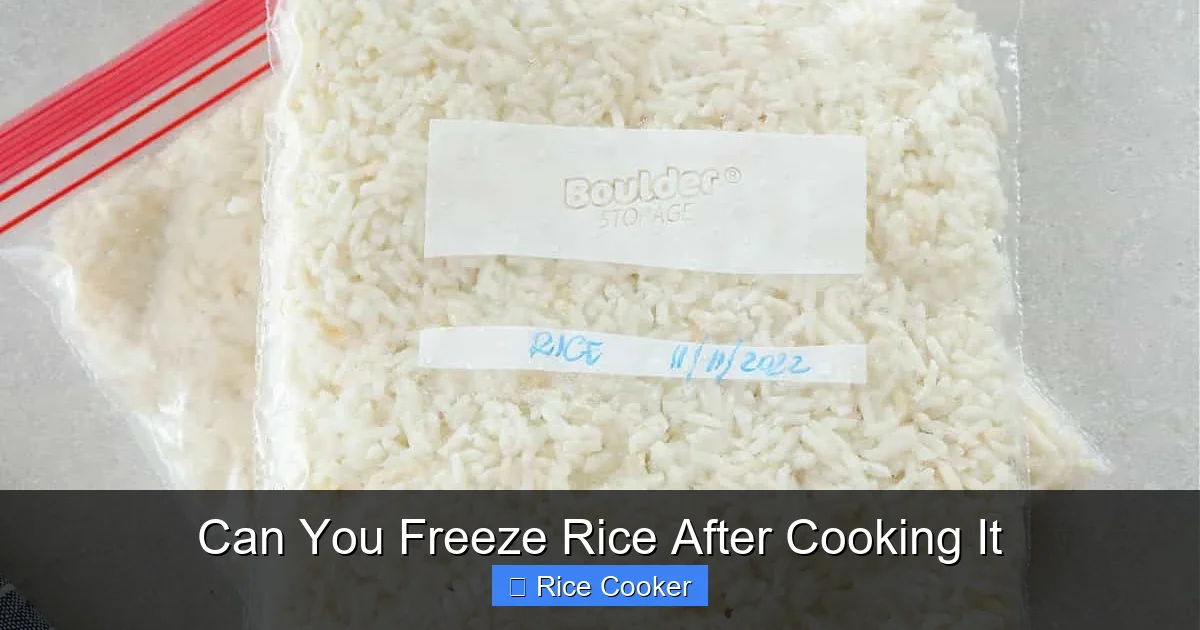
Can you freeze rice after cooking it? Absolutely! Freezing cooked rice is not only possible but also a smart way to extend its shelf life and prepare meals ahead. When stored properly in an airtight container or freezer bag, rice can stay fresh for up to 6 months without losing much flavor or texture. Whether you’ve made too much for dinner or want to meal prep for the week, freezing cooked rice saves time and reduces waste.
Key Takeaways
- Yes, you can freeze cooked rice safely. It’s one of the most common and effective ways to preserve rice for future meals.
- Proper cooling and packaging are essential. Pouring hot rice directly into a freezer container can cause ice crystals and uneven freezing.
- Freezer-safe containers or bags work best. Use BPA-free plastic containers, glass jars, or heavy-duty freezer bags with tight seals.
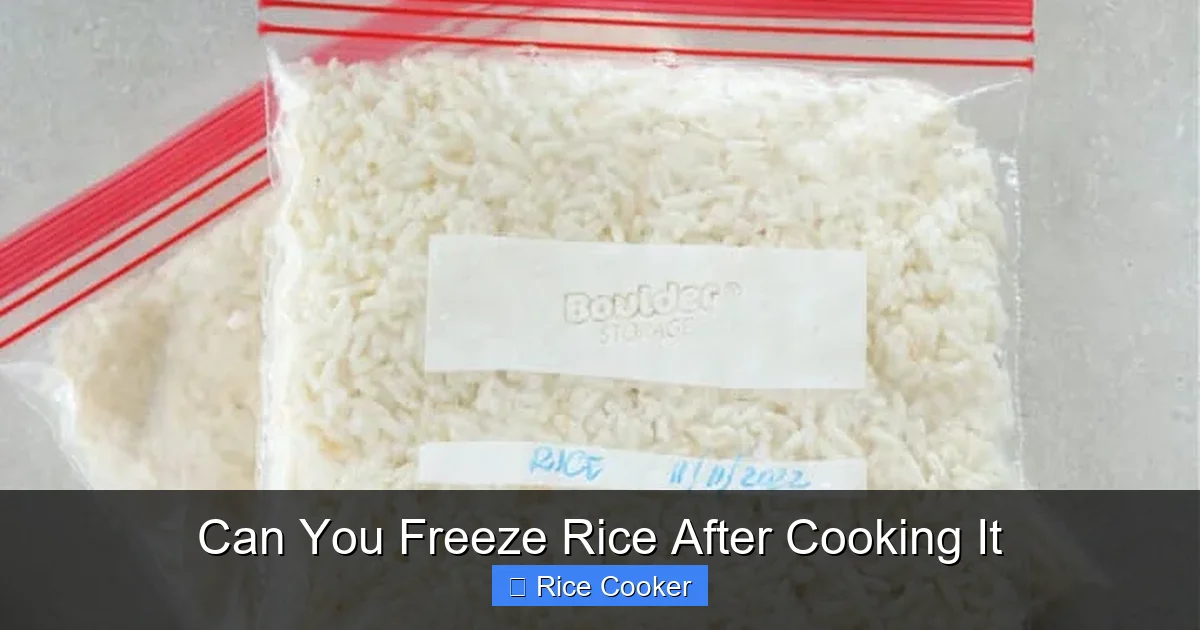
- Label and date your rice containers. This helps you keep track of how long it’s been frozen and ensures you use it within the recommended time frame.
- Thaw and reheat properly for best results. Always thaw rice in the fridge or microwave before reheating to avoid sogginess or bacterial growth.
- Freezing preserves nutrients and flavor better than refrigeration over time. Rice stays fresher longer in the freezer compared to the fridge.
📑 Table of Contents
- Introduction: The Surprising Truth About Freezing Cooked Rice
- Why Freeze Cooked Rice?
- How Long Can You Keep Cooked Rice in the Freezer?
- Step-by-Step Guide: How to Freeze Cooked Rice
- Best Containers and Tools for Freezing Rice
- How to Thaw and Reheat Frozen Rice
- Types of Rice That Freeze Well
- Myths and Misconceptions About Freezing Rice
- Food Safety Tips When Freezing Rice
- Creative Ways to Use Frozen Rice
- Conclusion: Freeze Smart, Eat Well
Introduction: The Surprising Truth About Freezing Cooked Rice
Have you ever found yourself staring at a pot of leftover rice after a big family dinner, wondering what to do with it? Or maybe you’re a busy parent juggling meal prep for the week, and you’re looking for a way to save time without sacrificing quality. If so, you’re not alone. Cooking rice in bulk—whether it’s jasmine, basmati, brown rice, or even wild rice—is a kitchen staple, but knowing how to store it properly is just as important.
One of the most common questions people ask is: Can you freeze rice after cooking it? The short answer is yes, absolutely. In fact, freezing cooked rice is not only safe but highly recommended by food safety experts and home chefs alike. It allows you to preserve the texture, flavor, and nutritional value of rice while reducing food waste. Plus, having pre-cooked rice on hand means you can whip up stir-fries, fried rice, grain bowls, or casseroles in no time.
In this comprehensive guide, we’ll walk you through everything you need to know about freezing cooked rice—from the science behind it to practical tips and tricks. Whether you’re using a rice cooker, stovetop, or Instant Pot, you’ll learn how to freeze rice properly, store it long-term, and reheat it to perfection every time. Let’s dive in!
Why Freeze Cooked Rice?
Before we get into the “how,” let’s talk about the “why.” Freezing cooked rice offers several benefits that make it a smart choice for any kitchen.
Visual guide about Can You Freeze Rice After Cooking It
Image source: crunchycreamysweet.com
Reduces Food Waste
One of the biggest advantages of freezing rice is that it helps cut down on food waste. Leftover rice often gets tossed out because people aren’t sure if it’s still good or how to use it. By freezing it, you can store it for weeks or even months, giving you flexibility in meal planning.
Saves Time
Imagine waking up on a Monday morning and realizing you have nothing quick to make for lunch. With a portion of frozen rice thawed and ready to go, you can turn it into a delicious fried rice or a hearty grain bowl in minutes. No need to cook from scratch every single day.
Preserves Nutrients
Cooking rice destroys some of its natural enzymes and nutrients, but freezing doesn’t make things worse. In fact, when done correctly, freezing helps lock in the remaining vitamins and minerals. Just remember to avoid reheating it too many times, which can degrade quality over time.
Maintains Texture and Flavor
Unlike refrigerated rice, which can dry out or become gummy after a few days, frozen rice retains its fluffy texture—especially if you store it properly. The key is rapid cooling and proper sealing to prevent freezer burn.
Ideal for Meal Prep
If you follow a meal prep routine, having a stash of frozen rice makes everything easier. You can cook it in bulk once a week and portion it out as needed. This is especially helpful for families or individuals who eat rice regularly.
How Long Can You Keep Cooked Rice in the Freezer?
Now that you know freezing is a great idea, you might be wondering: How long can you actually keep rice in the freezer?
Visual guide about Can You Freeze Rice After Cooking It
Image source: cooknovel.com
The General Rule: Up to 6 Months
According to food safety guidelines from organizations like the USDA, cooked rice can be safely stored in the freezer for up to 6 months. Beyond that, the quality may start to decline due to freezer burn or oxidation. However, many home cooks find that rice tastes best within the first 3–4 months.
Signs Your Frozen Rice Is Still Good
- Smell: Fresh rice should have a neutral, slightly sweet aroma. If it smells sour, fermented, or off, discard it.
- Texture: Properly frozen rice should feel dry to the touch and not clump together.
- Color: Avoid rice that looks dull, discolored, or has dark spots.
When to Discard Frozen Rice
- If you see mold growing on the surface.
- If it has a strong unpleasant odor.
- If it was left at room temperature for more than 2 hours before freezing.
Step-by-Step Guide: How to Freeze Cooked Rice
Freezing rice might seem simple, but doing it wrong can lead to soggy, freezer-burned rice. Follow these steps to ensure success every time.
1. Cool the Rice Quickly
After cooking, spread the rice out in a thin layer on a baking sheet or tray. This helps it cool faster and prevents condensation, which can lead to ice crystals. Let it sit for 15–20 minutes, stirring occasionally.
2. Portion It Out
Divide the cooled rice into manageable portions—about 1 cup per serving. This makes it easier to thaw only what you need later. Use a spoon or measuring cup to divide it evenly.
3. Choose the Right Container
Use freezer-safe containers, glass jars, or heavy-duty freezer bags. Make sure they’re labeled and dated. Leave about half an inch of headspace in rigid containers to allow for expansion during freezing.
4. Seal Tightly
Remove as much air as possible from freezer bags before sealing. For containers, press out excess air and close lids firmly. Double-bagging can provide extra protection against leaks.
5. Label and Date
Write the contents and date on each container or bag. This helps you keep track of how long it’s been stored and ensures you use older portions first.
6. Freeze Flat (Optional)
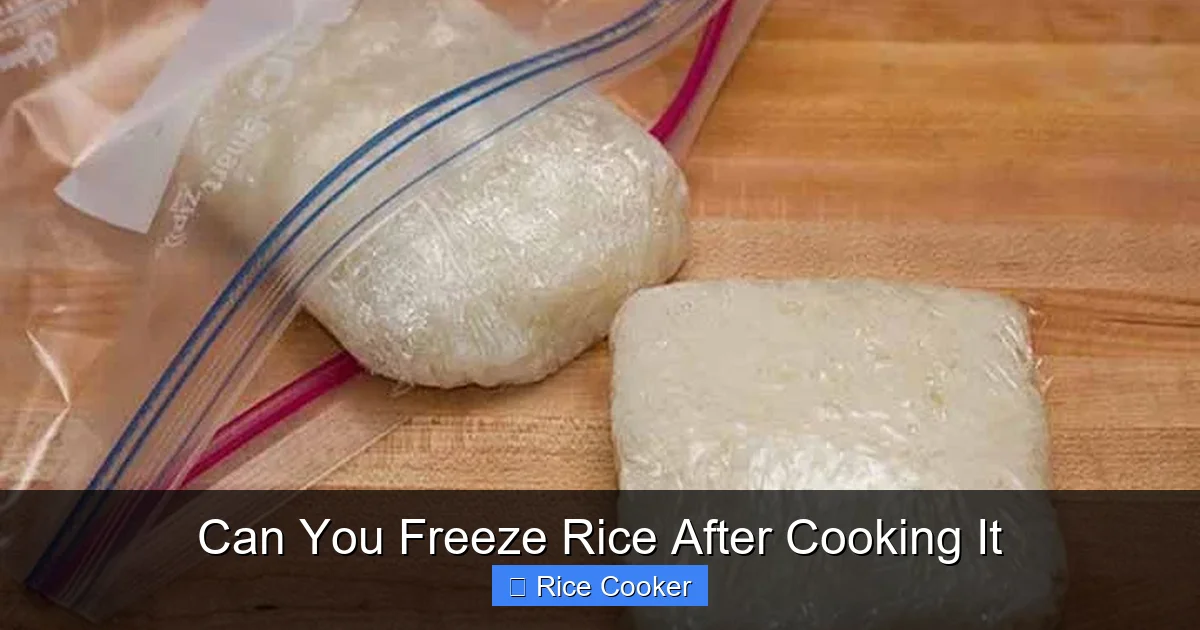
If using bags, lay them flat in the freezer. This saves space and helps them freeze evenly, making them easier to stack later.
Best Containers and Tools for Freezing Rice
Not all storage options are created equal. Here’s what works best—and what to avoid.
Top Choices
- Glass Jars: Great for portion control and easy stacking. Choose wide-mouth jars for easier scooping.
- Freezer Bags: Flexible and stackable. Look for thick, leak-proof varieties.
- Silicone Freezer Trays: Ideal for portioning into cubes or small servings.
Avoid These
- Plastic Wrap: Not airtight and prone to tearing.
- Aluminum Foil: Can’t hold shape well and may tear in the freezer.
- Non-Freezer-Safe Containers: May warp or leach chemicals when frozen.
Bonus Tip: Use Ice Cube Trays for Tiny Portions
Love making rice balls or mini fried rice bites? Freeze small portions in ice cube trays, then transfer the frozen cubes to a zip-top bag. Perfect for kids’ snacks or quick breakfasts!
How to Thaw and Reheat Frozen Rice
Thawing and reheating are where many people run into trouble. Done incorrectly, your once-fluffy rice becomes mushy or undercooked. Follow these methods for perfect results.
Method 1: Thaw in the Refrigerator (Overnight)
For best food safety, move frozen rice from the freezer to the fridge 8–12 hours before use. This slow thawing helps retain moisture and texture.
Method 2: Microwave Thawing (Quick Option)
Place frozen rice in a microwave-safe dish. Cover with a damp paper towel to prevent drying. Heat in 30-second intervals, stirring between each, until thawed.
Reheating Tips
- Add a Splash of Water: Rice tends to dry out when reheated. Add 1–2 tablespoons of water per cup before microwaving or steaming.
- Steam for Fluffiness: Place rice in a steamer basket over boiling water for 5–7 minutes. This restores moisture and fluffiness.
- Stir-Fry It: The ultimate way to reheat frozen rice—just add it to a hot wok with oil and your favorite veggies and protein.
Types of Rice That Freeze Well
Not all rice is created equal when it comes to freezing. Some types hold up better than others.
White Rice (Long-Grain, Basmati, Jasmine)
Excellent for freezing. It stays fluffy and doesn’t become sticky. Perfect for stir-fries and fried rice.
Brown Rice
Can be frozen, but it has a higher oil content, which may lead to rancidity over time. Store in airtight containers and use within 3 months.
Wild Rice
Freezes well but may change slightly in texture. Best used in soups or casseroles after thawing.
Rice Varieties to Avoid
- Sushi Rice: High starch content makes it gluey when frozen and reheated.
- Casserole Rice: Often contains dairy or sauces that separate when frozen.
Myths and Misconceptions About Freezing Rice
Let’s clear up some common myths so you don’t make mistakes based on false information.
Myth 1: “Freezing Ruins Rice”
Truth: Freezing doesn’t ruin rice if done properly. The key is avoiding temperature abuse and using airtight containers. Many professional kitchens freeze rice regularly.
Myth 2: “You Should Never Refreeze Rice”
Truth: You can refreeze rice only if it was previously thawed in the refrigerator and hasn’t been left out at room temperature. Once thawed, treat it like fresh cooked rice.
Myth 3: “All Rice Becomes Sticky After Freezing”
Truth: Only high-starch rice varieties like sushi rice become problematic. Long-grain white rice freezes beautifully and remains fluffy.
Myth 4: “You Must Eat Frozen Rice Within a Week”
Truth: While refrigeration lasts about 3–5 days, freezing extends shelf life to months. Just follow proper storage guidelines.
Food Safety Tips When Freezing Rice
Since rice can harbor spores of *Bacillus cereus*, a bacteria that causes food poisoning, food safety is critical.
Don’t Let Rice Sit at Room Temperature
Bacteria multiply rapidly between 40°F and 140°F (4°C and 60°C). Never leave cooked rice out for more than 2 hours.
Cool Before Freezing
Rapid cooling prevents bacterial growth. Spread rice thinly or use an ice bath to speed up the process.
Use Within Recommended Time
Even if your rice looks fine, don’t risk it past 6 months in the freezer. Better safe than sorry!
Creative Ways to Use Frozen Rice
Having frozen rice on hand opens up a world of culinary possibilities.
Breakfast Ideas
- Fried rice with scrambled eggs and vegetables.
- Rice muffins or pancakes with fruit and nuts.
- Rice porridge (congee) with toppings like green onions and soy sauce.
Lunch and Dinner
- Grain bowls with grilled chicken, beans, and avocado.
- Rice salads with herbs, lemon juice, and feta cheese.
- Stuffed bell peppers or cabbage rolls.
Desserts and Snacks
- Rice pudding made with milk, cinnamon, and raisins.
- Rice crispy treats (yes, really!).
- Mini rice cakes with peanut butter and banana.
Conclusion: Freeze Smart, Eat Well
So, can you freeze rice after cooking it? The answer is a resounding yes—and it’s one of the simplest, smartest ways to manage your kitchen, reduce waste, and enjoy convenient meals all week long. With the right techniques, tools, and timing, frozen rice can be just as delicious and nutritious as freshly cooked rice.
Remember: the key is to cool rice quickly, portion it properly, store it in airtight containers, and label everything clearly. Whether you’re meal prepping for the week, saving leftovers, or just stocking up on pantry staples, freezing cooked rice is a game-changer.
Next time you cook a large batch, consider putting some aside for the freezer. You’ll thank yourself later when you’re craving a hot bowl of fried rice or a warm grain bowl without the hassle of starting from scratch. Happy cooking—and freezing!
Frequently Asked Questions
Can you freeze rice immediately after cooking?
It’s best to cool rice first before freezing. Pouring hot rice directly into a freezer container can create ice crystals and uneven freezing. Let it cool for 15–20 minutes, spread it out, then portion and freeze.
How long does cooked rice last in the freezer?
Cooked rice can safely be stored in the freezer for up to 6 months. For optimal taste and texture, use it within 3–4 months. Always check for signs of freezer burn or spoilage before using.
Can you freeze rice in aluminum foil?
No, aluminum foil isn’t ideal for freezing. It doesn’t seal tightly and can tear. Use freezer-safe containers, glass jars, or heavy-duty freezer bags instead for better protection.
Does freezing rice affect its nutritional value?
Freezing doesn’t significantly reduce nutrients. In fact, it helps preserve what’s left after cooking. Just avoid repeated reheating, which can degrade vitamins over time.
Can you freeze rice in plastic bags?
Yes, but only if they’re thick, freezer-safe, and labeled. Remove as much air as possible to prevent freezer burn. Double-bagging adds extra protection.
Is it safe to reheat frozen rice multiple times?
It’s safe to reheat once or twice, but each time increases the risk of bacterial growth and texture loss. For best results, thaw only what you plan to eat.