
You absolutely can freeze cooked rice—it’s a smart way to reduce food waste and save time. With the right storage method, your rice will stay fresh for months and still taste great when reheated. Whether you’re meal prepping or saving leftovers, freezing rice is simple, safe, and effective.
Key Takeaways
- Freezing cooked rice preserves flavor and texture when done correctly. It allows you to enjoy homemade meals later without compromising quality.
- Proper cooling and airtight containers are essential. Never freeze hot rice directly, as it can create steam and ruin the texture.
- Cooked rice can be safely frozen for up to 6 months, though best quality is usually within 3–4 months.
- Reheating frozen rice brings it back to near-original taste when done with moisture and heat. Steaming or microwaving with a splash of water works well.
- Freezing rice supports meal prep and reduces waste. It’s ideal for busy people who want healthy, ready-to-eat meals.
- Different rice types (white, brown, jasmine, etc.) freeze similarly, but brown rice may have slightly firmer texture upon thawing.
- Labeling containers helps track how long rice has been stored, ensuring you use it before it loses optimal quality.
📑 Table of Contents
- Can You Freeze Rice After You Cook It?
- Why Freeze Cooked Rice?
- How Long Can You Keep Cooked Rice Before Freezing?
- Step-by-Step Guide: How to Properly Freeze Cooked Rice
- How Long Does Frozen Rice Last?
- How to Reheat Frozen Rice
- Types of Rice and Their Freezing Behavior
- Common Mistakes to Avoid When Freezing Rice
- Creative Ways to Use Frozen Rice
- Freezing Rice in a Rice Cooker
- Freezing Rice Without Compromising Taste or Texture
- Final Thoughts: Is Freezing Rice Worth It?
Can You Freeze Rice After You Cook It?
Have you ever found yourself staring at a pot of perfectly cooked rice, wondering what to do with the rest? Or maybe you’re meal prepping for the week and want to stretch your dinner into multiple lunches. If so, you’re not alone. One of the most common kitchen questions is: Can you freeze rice after you cook it? The short answer is yes—absolutely. In fact, freezing cooked rice is one of the most practical and efficient ways to manage leftovers, reduce food waste, and keep your pantry stocked with ready-to-use staples.
Rice is a pantry staple in many households, and for good reason. It’s versatile, filling, and pairs well with almost any dish. But like all perishable foods, cooked rice has a limited shelf life at room temperature. When left out too long, it can develop bacteria that cause foodborne illness. That’s why proper storage is key. Freezing rice extends its usability by several months, giving you flexibility without sacrificing safety or taste.
In this guide, we’ll walk through everything you need to know about freezing cooked rice—from timing and storage to reheating and troubleshooting common issues. Whether you’re using a rice cooker, stovetop, or instant pot, the process remains consistent. Let’s dive in and make rice storage easy, safe, and stress-free.
Why Freeze Cooked Rice?
Before we get into the “how,” let’s talk about the “why.” Freezing rice isn’t just about convenience—it’s a smart kitchen strategy with real benefits.
Visual guide about Can You Freeze Rice After You Cook It
Image source: cooknovel.com
Reduces Food Waste
One of the biggest reasons to freeze rice is to prevent waste. According to the USDA, nearly 30–40% of food in the U.S. goes uneaten each year. That includes perfectly good rice. By freezing leftovers, you can use them before they spoil. A single batch of rice can easily feed two or three meals, depending on portion size.
Saves Time and Money
Meal prepping becomes effortless when you freeze rice ahead of time. Imagine waking up on Monday morning, grabbing a container from the freezer, and having a ready-made base for stir-fries, fried rice, or grain bowls. No more last-minute cooking or takeout. Plus, buying rice in bulk is often cheaper than purchasing small packages frequently.
Preserves Nutritional Value
Cooking rice and then freezing it doesn’t strip it of nutrients. In fact, properly stored frozen rice retains much of its original nutritional profile. While some vitamins (like B vitamins) may degrade slightly over time, the core benefits—fiber, carbohydrates, and protein—remain intact. This makes frozen rice a smart choice for maintaining balanced meals.
Supports Healthy Eating Habits
When rice is readily available in your freezer, you’re more likely to choose homemade meals over processed alternatives. This supports healthier eating patterns, especially when combined with vegetables, lean proteins, and sauces.
How Long Can You Keep Cooked Rice Before Freezing?
The clock starts ticking the moment your rice is cooked. At room temperature, cooked rice should not sit out for more than two hours—especially if the weather is warm (above 90°F/32°C). Bacteria like Bacillus cereus can grow rapidly in rice at temperatures between 40°F and 140°F (the danger zone), leading to potential food poisoning.
Visual guide about Can You Freeze Rice After You Cook It
Image source: freezeit.net
Safe Refrigeration Window
If you don’t plan to freeze your rice immediately, store it in an airtight container or sealed plastic bag and refrigerate within two hours of cooking. In the fridge, rice lasts 3–5 days. Beyond that, even if it looks fine, it’s best to discard it to avoid risk.
Ideal Timing for Freezing
For maximum freshness and safety, freeze rice within 24 hours of cooking. The sooner it’s cooled and stored, the better the texture and flavor will be. If you’ve already refrigerated rice for a few days, you can still freeze it, but quality may decline slightly.
Step-by-Step Guide: How to Properly Freeze Cooked Rice
Freezing rice sounds easy, but doing it wrong can lead to clumpy, soggy, or freezer-burned results. Follow these steps for perfect frozen rice every time.
1. Cool the Rice Quickly
After cooking, spread the rice out on a baking sheet or large tray to cool rapidly. This prevents condensation inside the container and reduces the risk of bacterial growth. Stir occasionally to help it cool evenly. Once it reaches room temperature (about 30–45 minutes), transfer to a storage container.
2. Use Airtight Containers or Freezer Bags
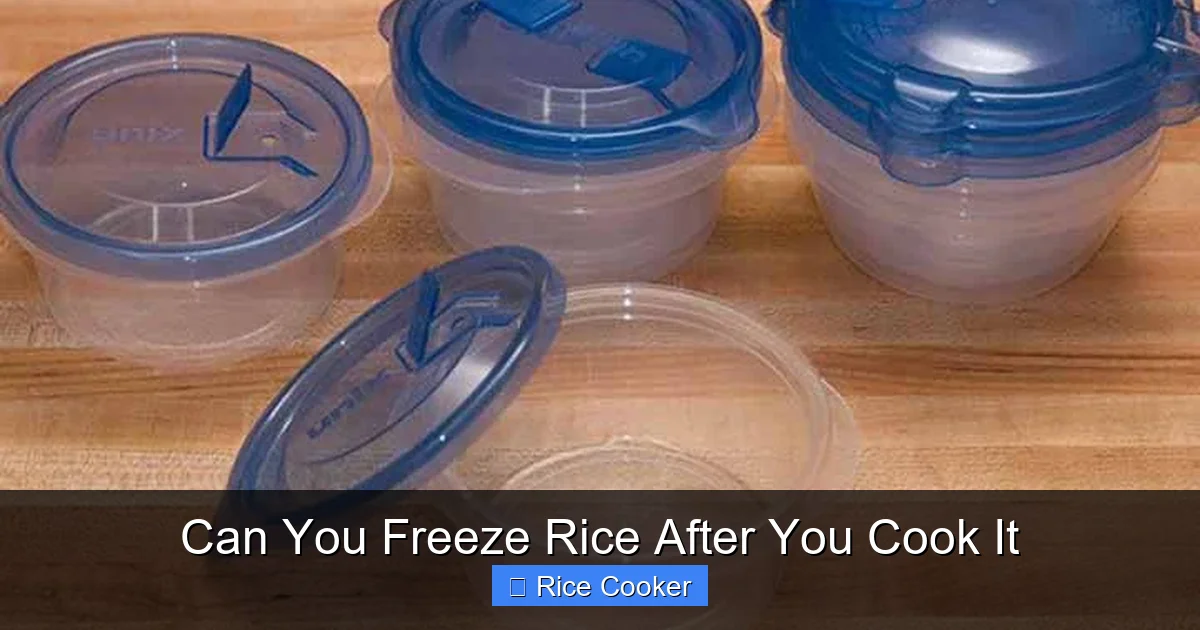
Choose containers with tight-fitting lids or heavy-duty freezer bags. Avoid leaving rice in open containers—moisture and odors from other foods can affect taste and quality. For portion control, consider dividing rice into meal-sized amounts before freezing.
3. Leave Space for Expansion
Never fill containers to the brim. Rice expands slightly when frozen, so leave at least an inch of headspace. If using freezer bags, squeeze out as much air as possible before sealing.
4. Label and Date Everything
Use a permanent marker to label each container with the date. This helps you track how long the rice has been stored and ensures you use it within the recommended timeframe. Frozen rice is safe indefinitely, but quality declines after 6 months.
5. Store in the Coldest Part of the Freezer
Place rice in the coldest section of your freezer, typically the back or middle shelves. Avoid frequent door openings to maintain consistent temperature.
How Long Does Frozen Rice Last?
Frozen rice is incredibly durable. Here’s a breakdown of storage times based on quality:
- Best Quality: 3–4 months
- Safe to Eat: Up to 6 months
- Beyond 6 Months: May become dry or develop off-flavors, though not necessarily unsafe
Always trust your senses when thawing. If rice smells sour, has a strange odor, or shows signs of mold, discard it immediately.
How to Reheat Frozen Rice
Reheating frozen rice is simple, but doing it right is crucial to restoring its texture. Follow these methods for best results.
Microwave Method (Fastest)
- Transfer frozen rice to a microwave-safe bowl.
- Add a tablespoon of water per cup of rice to prevent drying out.
- Cover with a damp paper towel or vented lid to trap steam.
- Heat in 30-second intervals, stirring in between, until heated through (usually 1–2 minutes).
Stovetop Method (Best for Texture)
- Place rice in a saucepan with a splash of water or broth.
- Cook over medium-low heat, stirring frequently.
- Cover and let simmer for 3–5 minutes until warmed through.
Oven Method (For Large Batches)
- Preheat oven to 300°F (150°C).
- Spread rice in a shallow baking dish, add a little liquid, and cover tightly with foil.
- Bake for 10–15 minutes, checking halfway through.
Tips for Fluffy Reheated Rice
- Don’t overcook—rice can become mushy if reheated too long.
- Use a fork to fluff rice after reheating for a lighter texture.
- For fried rice, cook frozen rice first, then stir-fry with oil, eggs, and veggies.
Types of Rice and Their Freezing Behavior
While the general freezing process applies to all rice varieties, some types behave slightly differently due to starch content and cooking method.
White Rice
White rice freezes best because it has less fiber and oil than brown rice. It tends to retain a soft, fluffy texture after thawing. Jasmine and basmati white rice also freeze well, though jasmine may absorb more water during reheating.
Brown Rice
Brown rice contains more bran and germ, which can make it slightly firmer when frozen. It also takes longer to cook initially. However, it freezes well and retains more nutrients than white rice. Just be sure to use a bit more liquid when reheating to compensate for moisture loss.
Wild Rice
Wild rice has a nutty flavor and chewy texture. It freezes well but may become even firmer after thawing. Add extra liquid when reheating to restore tenderness.
Sushi Rice
Sushi rice has sticky starch, making it tricky to freeze. It can clump and become mushy upon thawing. If you must freeze sushi rice, use it quickly (within a few days) and reheat gently with a splash of vinegar-water mix.
Instant or Pre-Cooked Rice
These varieties are designed for quick meals and freeze exceptionally well. They’re often sold pre-cooked and packaged for freezing, so follow package instructions for best results.
Common Mistakes to Avoid When Freezing Rice
Even experienced home cooks can make mistakes when freezing rice. Here are the top errors to watch out for.
Freezing Hot Rice Directly
This is the #1 mistake. Adding hot rice to the freezer causes condensation, ice crystals, and uneven freezing. Always cool rice completely first.
Using Non-Freezer-Safe Containers
Plastic containers that warp or crack in the freezer can leak. Choose BPA-free, freezer-safe containers or heavy-duty freezer bags.
Overpacking Containers
Leaving no space for expansion leads to cracked containers and air exposure, increasing freezer burn risk.
Not Labeling
Unlabeled containers mean guessing games about dates. Always write the contents and date—trust me, you’ll thank yourself later.
Thawing at Room Temperature
Never thaw rice on the counter. Use the refrigerator or cold water bath to prevent bacterial growth. Microwave thawing is fine if you reheat immediately after.
Creative Ways to Use Frozen Rice
Frozen rice isn’t just for reheating. It’s a blank canvas for countless meals.
Fried Rice
Defrost a small portion, heat with oil, and stir-fry with scrambled eggs, peas, carrots, soy sauce, and your favorite protein. It’s fast, flavorful, and satisfying.
Grain Bowls
Top reheated rice with roasted vegetables, grilled chicken, avocado, and tahini dressing. Customize with spices, nuts, or pickled onions.
Risotto
Use frozen rice as a base for creamy risotto. Simmer with broth, cheese, and herbs until thickened.
Stuffing and Filling
Mix rice with herbs, sausage, or mushrooms to stuff peppers, tomatoes, or tortillas.
Pilaf and Side Dishes
Cook frozen rice with onions, garlic, broth, and spices for a flavorful side dish.
Freezing Rice in a Rice Cooker
Many people love using their rice cooker for cooking—and yes, you can even freeze rice made in a rice cooker. Just follow the same steps: cool, containerize, and store. Some rice cookers come with built-in warming functions, but remember—they’re not designed for long-term storage. Transfer rice to freezer containers immediately after cooking.
Tip: If your rice cooker has a delay timer, set it to start cooking early in the morning so rice is ready and cooling by breakfast time. Then freeze portions for lunch or dinner prep.
Freezing Rice Without Compromising Taste or Texture
Quality matters. To ensure your frozen rice tastes great when reheated:
- Use freshly cooked rice—not day-old refrigerated rice unless it was frozen soon after.
- Avoid adding salt or seasonings before freezing, as they can concentrate during reheating.
- Store in small portions so thawing is faster and more even.
- Use high-quality containers that block light and air.
With proper technique, frozen rice can taste nearly identical to freshly cooked rice.
Final Thoughts: Is Freezing Rice Worth It?
Absolutely. Freezing cooked rice is a game-changer for anyone who cooks regularly. It’s safe, economical, and reduces stress around meal planning. Whether you’re feeding a family, prepping for work, or simply trying to eat smarter, freezing rice is a habit worth adopting.
Remember: the key is proper cooling, airtight storage, and timely use. Once you master the basics, you’ll wonder how you ever managed without it.
Next time you make a big pot of rice, think twice before tossing half of it. Instead, portion it out, freeze it, and enjoy it later—flavorful, nutritious, and ready to go.
Frequently Asked Questions
Is it safe to freeze cooked rice?
Yes, it’s completely safe to freeze cooked rice. When handled properly—cooled quickly and stored in airtight containers—freezing extends its shelf life and reduces food waste.
Can you freeze rice from a rice cooker?
Absolutely. Rice cooked in a rice cooker can be frozen using the same method as stovetop rice. Just cool it down and store it in freezer-safe containers.
How long does frozen rice last in the freezer?
Frozen rice is safe to eat indefinitely, but best quality lasts 3–6 months. After 6 months, texture and flavor may decline.
Do I need to defrost rice before reheating?
No, you can reheat frozen rice directly in the microwave, stove, or oven. Just add a bit of liquid to prevent drying out.
Can I freeze rice with sauce or toppings?
It’s best to freeze plain rice and add sauces or toppings after reheating. Mixing wet ingredients before freezing can lead to mushy texture.
Does freezing change the texture of rice?
Minimal change occurs if frozen properly. Some types, like brown or wild rice, may be slightly firmer, but reheating with liquid restores softness.