
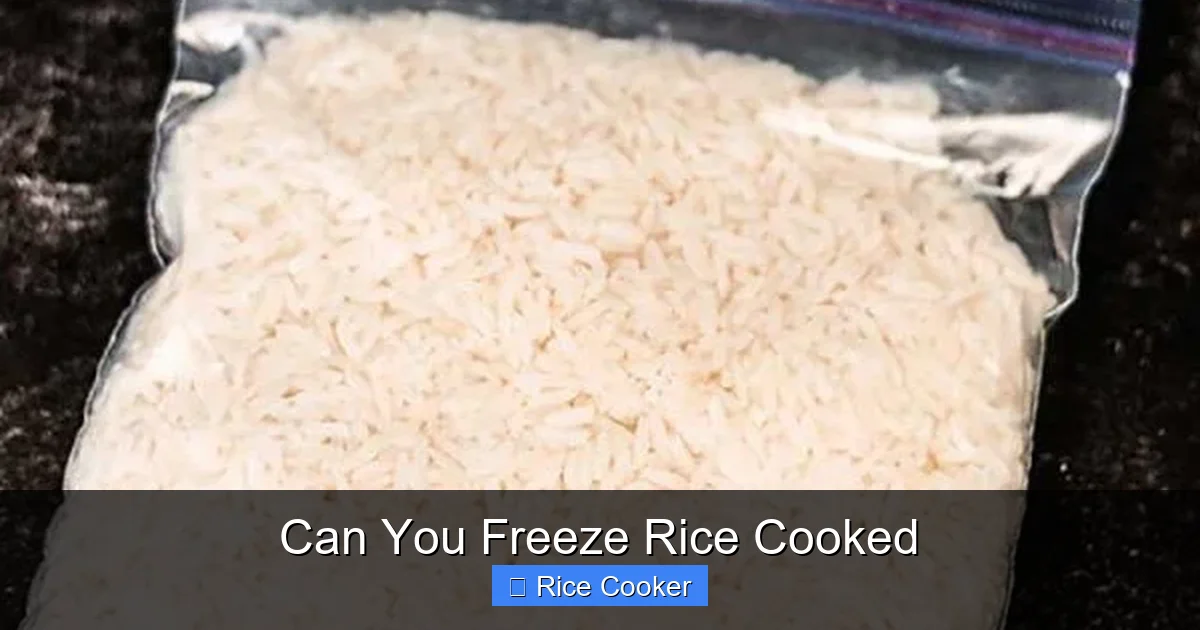
Yes, you can freeze rice cooked, and doing so is a smart way to save time, reduce waste, and keep meals ready for later. When stored properly in airtight containers, frozen rice maintains its quality for up to 3 months without losing taste or texture.
Can You Freeze Rice Cooked? Absolutely—Here’s How to Do It Right
Have you ever looked at a pot of perfectly cooked rice and thought, “I don’t need all of this”? Or maybe you cooked too much because you weren’t sure how long it would last? If so, you’re not alone. Many home cooks struggle with rice overcooking or spoiling before they can use it. But here’s the good news: yes, you can freeze rice cooked, and it’s one of the easiest ways to cut down on kitchen waste while keeping healthy meals on hand.
Freezing rice isn’t just about saving leftovers—it’s about convenience, nutrition, and smart meal planning. Whether you’re prepping for the week, cooking in bulk, or simply want to avoid throwing food away, freezing cooked rice is a game-changer. With the right techniques, frozen rice comes out tasting fresh, fluffy, and ready to eat. In this article, we’ll walk through everything you need to know—from how to store it to how to thaw and reheat it perfectly every time.
Why Freeze Cooked Rice?
You might be wondering why anyone would go through the trouble of freezing rice. After all, rice lasts several days in the fridge, right? That’s true—but there are real benefits to freezing it instead of just refrigerating:
– **Longer Shelf Life**: While cooked rice keeps in the fridge for 4–6 days, frozen rice can last up to 3 months without losing quality.
– **Reduced Food Waste**: Instead of tossing leftover rice after a few days, you can freeze it and use it whenever.
– **Meal Prep Efficiency**: Cook a big batch on Sunday and have rice ready for stir-fries, fried rice, casseroles, or grain bowls all week.
– **Consistent Texture**: Properly frozen rice retains a soft, non-gummy texture when reheated.
– **Nutrient Retention**: Freezing doesn’t significantly reduce the vitamins and minerals in rice—especially if you eat it within a few months.
The key is understanding how to freeze rice cooked properly. Let’s break it down step by step.
How Long Can You Freeze Cooked Rice?
One of the most common questions is: “How long does frozen rice last?” The short answer is up to three months. Most experts agree that rice begins to lose quality after about two months in the freezer, but it remains safe to eat beyond that. However, for the best taste and texture, aim to use it within three months.
Here’s a quick reference:
| Storage Method | Maximum Time |
|—————-|————–|
| Refrigerator | 4–6 days |
| Freezer | Up to 3 months |
Keep in mind that these timeframes apply to properly stored rice. If the container isn’t sealed tightly or the rice was exposed to air before freezing, freezer burn or ice crystals can form, affecting texture and flavor.
What Types of Rice Can Be Frozen?
Almost any type of cooked rice freezes well—white, brown, jasmine, basmati, arborio, even instant rice. Each has slightly different freezing behaviors, so we’ll cover them individually below.
**White Rice**: This is the most commonly frozen rice. It freezes quickly and stays fluffy when reheated. Because it has less fiber and oil than brown rice, it doesn’t develop off-flavors as easily.
**Brown Rice**: Slightly more challenging due to its higher fat content, but still freezes well. Just make sure it’s completely cooled before storing to prevent condensation.
**Jasmine and Basmati Rice**: These aromatic varieties retain their fragrance even after freezing and reheating. They work great in Thai or Indian-inspired dishes post-thaw.
**Instant Rice**: Already pre-cooked, so it freezes quickly and reheats easily. Ideal for emergency meals or backpackers.
**Arborio Rice**: Commonly used in risotto, it freezes well but should be cooled slowly to maintain creamy texture.
No matter the variety, the freezing process remains largely the same.
Step-by-Step Guide: How to Freeze Rice Cooked
Freezing rice cooked is simpler than you think. Follow these steps to preserve quality and avoid common mistakes:
1. **Let It Cool Completely**
Never put hot rice directly into the freezer. Doing so raises the temperature inside the appliance, causing other foods to thaw faster and increasing energy use. Instead, spread the rice in a thin layer on a baking sheet or tray and let it cool at room temperature for 30–60 minutes. Once cooled, transfer to an airtight container or freezer bag.
2. **Portion It Out**
Divide the rice into single-serving or meal-sized portions. This makes thawing easier and reduces waste from repeatedly opening containers.
3. **Use Airtight Containers or Freezer Bags**
Choose containers with tight-fitting lids or heavy-duty freezer-safe zip-top bags. If using bags, squeeze out as much air as possible before sealing—this prevents freezer burn.
4. **Label and Date**
Write the contents and date on a sticky note or marker. Frozen rice is safe indefinitely, but labeling helps you rotate stock and use older batches first.
5. **Store in the Coldest Part of Your Freezer**
Place the containers toward the back of the freezer where temperatures are most stable. Avoid frequent door openings.
By following these steps, your rice will stay fresh, dry, and delicious until you’re ready to enjoy it.
Common Mistakes to Avoid When Freezing Rice
Even experienced cooks make errors when freezing rice. Here are some pitfalls to watch out for:
– **Skipping the cooling step**: This causes condensation, which leads to sogginess and potential bacterial growth.
– **Using improper containers**: Plastic tubs without lids or paper bags won’t protect against freezer burn.
– **Overfilling containers**: Leave at least ½ inch of headspace for expansion during freezing.
– **Not portioning properly**: Large blocks of rice take longer to thaw and may heat unevenly.
– **Freezing rice with sauce or oil**: Moisture-heavy mixtures can create ice crystals and affect texture.
Avoiding these mistakes ensures your rice stays high-quality and safe to eat.
How to Thaw and Reheat Frozen Rice
Thawing and reheating frozen rice correctly makes all the difference. Microwaving straight from frozen often results in cold centers and mushy edges. Here are the best methods:
**Method 1: Refrigerator Thawing (Recommended)**
Place the sealed container in the fridge overnight. This slow thawing preserves texture and prevents bacteria growth. Once thawed, reheat immediately using one of the methods below.
**Method 2: Cold Water Bath**
If you’re short on time, submerge the sealed bag in cold water for 15–20 minutes. Change the water every 5 minutes to keep it cold. This method is faster than thawing in the fridge and works well for small portions.
**Method 3: Stovetop Reheating**
This gives the best results for texture and flavor. Add a splash of water or broth to a saucepan, bring to a simmer, then add the frozen or thawed rice. Cover and cook on low heat for 5–7 minutes, stirring occasionally, until heated through.
**Method 4: Microwave (Use with Caution)**
For microwave users, place rice in a microwave-safe bowl, cover with a damp paper towel, and heat in 1-minute intervals, stirring between each. Add a tablespoon of water if needed to prevent drying.
Whichever method you choose, avoid reheating rice more than once to maintain safety and quality.
Creative Ways to Use Frozen Rice
Frozen rice isn’t just for plain bowls—it’s incredibly versatile. Try these ideas:
– **Fried Rice**: Stir-fry with eggs, vegetables, soy sauce, and protein for a quick dinner.
– **Rice Pudding**: Simmer with milk, cinnamon, sugar, and raisins for dessert.
– **Rice Balls (Onigiri)**: Shape into triangles, wrap in nori, and enjoy as a snack.
– **Sushi Rolls**: Use cold, thawed rice mixed with seasonings for homemade sushi.
– **Casseroles and Baked Dishes**: Fold into mac and cheese, shepherd’s pie, or chicken pot pie.
– **Breakfast Burritos**: Fill tortillas with scrambled eggs, beans, salsa, and rice.
– **Grain Bowls**: Top with roasted veggies, grilled chicken, and tahini dressing.
With so many uses, you’ll never run out of ideas for your frozen rice stash.
Does Freezing Affect Rice Nutrition?
Good news: freezing cooked rice doesn’t destroy nutrients. In fact, it helps preserve them better than repeated reheating. Vitamins like B1 and B6 remain stable, and minerals such as iron and magnesium aren’t lost during freezing.
However, prolonged storage can lead to minor nutrient degradation over time. For maximum nutritional benefit, consume frozen rice within two months.
Also, remember that rice is primarily a source of carbohydrates. Pair it with proteins, healthy fats, and vegetables to create balanced meals.
Safety Tips: Is Frozen Rice Safe to Eat?
Yes—frozen rice is safe to eat as long as it’s stored and handled properly. The freezing process halts bacterial growth, including the prevention of Bacillus cereus, a common cause of food poisoning from improperly stored rice.
To ensure safety:
– Always cool rice before freezing.
– Use clean utensils and containers.
– Don’t refreeze rice that’s been thawed in the fridge.
– Discard rice with unusual smells, slimy texture, or mold.
When in doubt, throw it out.
Freezing Rice vs. Refrigerating: Which Is Better?
Both methods extend shelf life, but freezing offers significant advantages:
| Feature | Refrigeration | Freezing |
|———————-|———————|———————-|
| Shelf Life | 4–6 days | Up to 3 months |
| Texture Preservation | Good | Excellent |
| Convenience | Daily use | Batch prep |
| Energy Use | Low | Moderate |
| Portion Control | Limited | Highly flexible |
For meal preppers, freezers are essential tools. For everyday leftovers, refrigeration suffices.
Tips for Meal Preppers Who Freeze Rice
If you’re serious about meal prep, consider these pro tips:
– Cook rice in large batches using a rice cooker with a keep-warm function.
– Freeze in silicone muffin trays—pop out individual cubes when solid.
– Combine rice with sauces or proteins before freezing (e.g., teriyaki chicken and rice).
– Use vacuum-sealed bags for extra protection.
– Rotate stock regularly using the FIFO (first in, first out) method.
With these strategies, you’ll save hours of cooking time each week.
Environmental Impact of Freezing Rice
Freezing rice isn’t just convenient—it’s eco-friendly. By reducing food waste, you lower methane emissions from landfills. Plus, cooking in bulk reduces energy consumption compared to daily stovetop use.
Small changes like freezing leftovers make a big difference over time.
Frequently Asked Questions About Freezing Rice
Can you freeze rice cooked in a rice cooker?
Absolutely. Rice cookers produce perfectly cooked rice that freezes beautifully. Just follow the cooling and storage steps outlined above.
How do you defrost frozen rice?
The safest way is to thaw in the refrigerator overnight. Alternatively, use a cold water bath for quicker results. Once thawed, reheat immediately.
Can you freeze rice with sauce?
Yes, but only if the sauce is water-based and not too oily. Cream-based sauces may separate upon thawing. Add a little extra liquid when reheating to restore consistency.
Will frozen rice get hard?
Not if stored properly. Ice crystals can make rice stiff, but using airtight containers and avoiding large portions minimizes this issue.
Can you freeze rice cooked with butter or oil?
Yes, but oil can rise to the surface during thawing. Stir well after reheating to redistribute it.
Is it okay to freeze rice for a year?
While technically safe, quality declines after 3 months. For best taste and texture, use within 3 months.
Final Thoughts: Make Freezing Rice a Habit
Freezing rice cooked is simple, safe, and incredibly useful. Whether you’re a busy parent, a college student, or someone who loves meal prepping, this technique saves time, cuts costs, and reduces waste. With the right containers, proper storage, and smart reheating methods, frozen rice tastes nearly as good as fresh.
So next time you make a pot of rice, think twice before tossing half of it. Instead, cool it down, portion it out, and pop it in the freezer. You’ll thank yourself later—whether you’re whipping up a quick stir-fry or pulling together a last-minute dinner.
Start today. Your future self will love you for it.
Key Takeaways
- Freezing cooked rice is safe and effective: It preserves flavor, nutrients, and texture when done correctly.
- Proper storage prevents freezer burn: Use airtight containers or heavy-duty freezer bags to seal moisture.
- Thawing methods matter: Refrigerator thawing is best for even warming; reheating on the stove gives better results than the microwave.
- Best rice types freeze well: White rice, brown rice, jasmine, basmati, and instant rice all hold up in the freezer.
- Label and date your containers: This helps track freshness and avoid confusion during meal prep.
- Meal prep becomes effortless: Freezing rice allows you to cook once and eat multiple times throughout the week.
- Freezing reduces food waste: Leftover rice from dinner can become breakfast burritos or lunch bowls the next day.
Frequently Asked Questions
Can you freeze rice cooked in a rice cooker?
Absolutely. Rice cookers produce perfectly cooked rice that freezes beautifully. Just follow the cooling and storage steps outlined above.
How do you defrost frozen rice?
The safest way is to thaw in the refrigerator overnight. Alternatively, use a cold water bath for quicker results. Once thawed, reheat immediately.
Can you freeze rice with sauce?
Yes, but only if the sauce is water-based and not too oily. Cream-based sauces may separate upon thawing. Add a little extra liquid when reheating to restore consistency.
Will frozen rice get hard?
Not if stored properly. Ice crystals can make rice stiff, but using airtight containers and avoiding large portions minimizes this issue.
Can you freeze rice cooked with butter or oil?
Yes, but oil can rise to the surface during thawing. Stir well after reheating to redistribute it.
Is it okay to freeze rice for a year?
While technically safe, quality declines after 3 months. For best taste and texture, use within 3 months.