
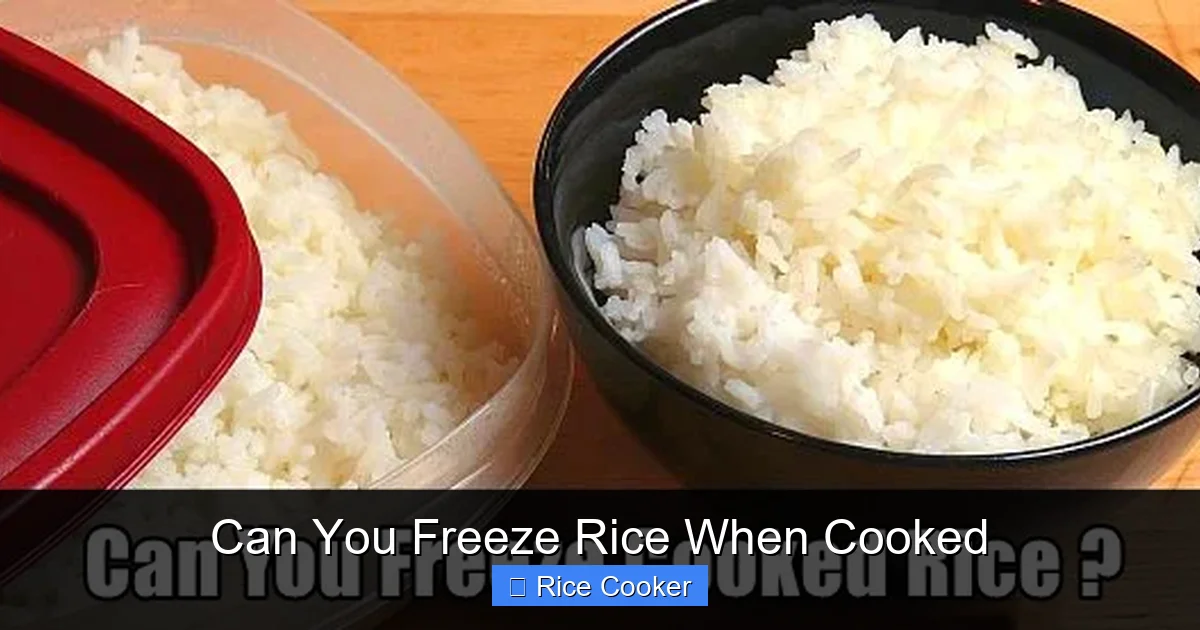
Can you freeze rice when cooked? Absolutely! Freezing cooked rice is a smart way to save time and reduce food waste. With proper storage and handling, your leftover rice stays fresh, flavorful, and safe to eat for up to 3 months. Whether you’re meal prepping or saving leftovers, freezing rice is simple and effective.
Key Takeaways
- Freezing cooked rice is safe and convenient: It preserves texture and flavor, making it ideal for future meals.
- Proper cooling prevents bacterial growth: Cooling rice quickly reduces the risk of contamination from Bacillus cereus.
- Use airtight containers or freezer bags: This keeps rice from drying out and absorbing freezer odors.
- Label and date your portions: Helps you track freshness and avoid using expired rice.
- Reheat thoroughly for safety: Always bring frozen rice to a full boil or steam until hot throughout.
- Best types of rice to freeze: White rice freezes better than brown rice due to lower oil content.
- Meal prep hack: Freeze rice in individual portions for quick, ready-to-use bases for stir-fries or salads.
📑 Table of Contents
- Can You Freeze Rice When Cooked? The Ultimate Guide to Safe and Delicious Storage
- Why Freezing Cooked Rice Makes Sense
- How to Properly Freeze Cooked Rice
- Best Types of Rice to Freeze
- Thawing and Reheating Frozen Rice
- Creative Ways to Use Frozen Rice
- Common Mistakes to Avoid
- Storage Tips for Maximum Freshness
- Conclusion: Freeze Rice, Save Time, Eat Better
Can You Freeze Rice When Cooked? The Ultimate Guide to Safe and Delicious Storage
Have you ever come home from work with a big pot of leftover rice and wondered, “What do I do now?” If you’re like most people, you might toss it in the fridge—only to find it dry and unappetizing by dinner time. But here’s the good news: yes, you absolutely can freeze rice when cooked. In fact, freezing cooked rice is one of the easiest and most effective ways to reduce food waste, save time, and have ready-made side dishes on hand whenever you need them.
Cooking rice is a daily ritual for millions around the world—whether it’s jasmine rice with Thai curry, basmati with biryani, or simple white rice to go with stir-fries. But what happens when you cook too much? Instead of letting that perfectly fluffy rice go to waste, freezing it can be a game-changer. Not only does it extend the shelf life of your rice, but when done correctly, it preserves both flavor and texture. Think of it as building a personal pantry of instant grains ready to transform into meals with just a few minutes of reheating.
In this complete guide, we’ll walk you through everything you need to know about freezing cooked rice—from the science behind why it’s safe to freeze, to step-by-step instructions, storage tips, and even creative ways to use thawed rice. We’ll also debunk common myths and answer your burning questions so you can freeze rice with confidence. Whether you’re meal prepping for the week or salvaging last night’s dinner, this article will make freezing cooked rice second nature.
Why Freezing Cooked Rice Makes Sense
Let’s start with the basics: why should you even consider freezing cooked rice? The short answer? Convenience and food safety. But the long answer is even better. Freezing rice allows you to stretch your cooking efforts further, cut down on grocery trips, and minimize the chance of throwing away uneaten food. Plus, when stored properly, rice can retain its quality for several months.
The Science Behind Safe Freezing
You might be thinking, “But isn’t rice risky to store?” There’s a common misconception that cooked rice is prone to dangerous bacteria like Bacillus cereus, which can cause food poisoning if not handled correctly. However, this risk mainly applies to rice left at room temperature for too long—not to rice that’s cooled and frozen promptly.
When rice is cooked, spores of Bacillus cereus can survive the process. These spores can grow and produce toxins if the rice is left to cool slowly at room temperature. That’s why experts recommend cooling rice within two hours of cooking and then refrigerating or freezing it within an hour after that. Freezing halts bacterial growth entirely, making it one of the safest preservation methods available.
Benefits of Freezing Cooked Rice
Beyond safety, freezing cooked rice offers practical advantages:
- Reduces food waste: No more tossing out half-used pots of rice.
- Speeds up meal prep: Grab a portion, thaw, and serve in minutes.
- Preserves nutrients: When frozen quickly, rice retains most of its vitamins and minerals.
- Versatile storage: Use it for fried rice, soups, casseroles, or even rice pudding.
- Cost-effective: Buy rice in bulk, cook once, and freeze portions instead of buying pre-packaged servings.
How to Properly Freeze Cooked Rice
Now that you understand the benefits, let’s get into the nitty-gritty: how do you actually freeze cooked rice without turning it into a sticky brick? The key lies in technique—especially during the cooling phase.
Visual guide about Can You Freeze Rice When Cooked
Image source: themillerskitchen.com
Step 1: Cool the Rice Quickly
After cooking, don’t let the rice sit at room temperature. Bacteria multiply rapidly between 40°F (4°C) and 140°F (60°C), often called the “danger zone.” To avoid this:
- Spread the warm rice thinly on a baking sheet or large tray.
- Place it in the refrigerator or freezer for 15–20 minutes to cool rapidly.
- Alternatively, run cold water over the pot while stirring gently to speed cooling.
This step is crucial—even though you’re going to freeze it eventually, cooling fast prevents any potential bacterial growth before freezing.
Step 2: Portion and Pack
Once cooled, divide the rice into usable portions. Think ahead: what size servings will you likely need? A typical serving is about 1 cup cooked rice. Portioning prevents repeated thawing and refreezing, which can degrade quality.
Use airtight freezer-safe containers or heavy-duty freezer bags. For bags, squeeze out as much air as possible before sealing to prevent freezer burn. Label each container with the date—this helps you keep track of freshness.
Step 3: Freeze Flat (Optional)
If you’re using freezer bags, lay them flat so they freeze quickly and take up less space. This also makes it easier to stack containers neatly in your freezer.
Most cooked rice freezes well for 2–3 months. While it won’t spoil, quality may decline after that—texture can become slightly drier, and flavor may fade. Still, it’s safe to eat past the 3-month mark if stored properly.
Best Types of Rice to Freeze
Not all rice is created equal when it comes to freezing. Some varieties hold up better than others due to their starch content and cooking behavior.
White Rice vs. Brown Rice
White rice is generally the best choice for freezing. Its low oil content and neutral flavor make it less likely to develop off-notes in the freezer. Brown rice, on the other hand, contains natural oils that can oxidize and turn rancid over time—even in the freezer. While brown rice *can* be frozen, it’s best used within 1–2 months and stored in very airtight containers.
Long-Grain vs. Short-Grain
Long-grain rice (like jasmine or basmati) tends to separate nicely when frozen and reheated, making it ideal for dishes like fried rice. Short-grain rice (such as sushi rice) becomes stickier when frozen, which can work well for rice balls or casseroles but may be less appealing in stir-fries.
Instant or Pre-Cooked Rice?
Instant rice is convenient, but it often contains additives and preservatives. If you buy it pre-cooked, check the label for sodium levels and storage instructions. Homemade rice is always the safest bet for freezing.
Thawing and Reheating Frozen Rice
One of the biggest concerns people have about frozen rice is: “Will it still taste good?” The answer is yes—if you thaw and reheat it correctly. Improper handling can lead to mushy, dry, or unevenly heated rice.
Safe Thawing Methods
There are three main ways to thaw frozen rice:
- Refrigerator method: Transfer the container to the fridge overnight. This is the safest option and takes about 12–24 hours.
- Microwave method: Place rice in a microwave-safe dish, cover with a damp paper towel, and heat in 30-second intervals, stirring between each, until heated through.
- Cooking method: Add frozen rice directly to soups, stews, or stir-fries where it will cook through.
Avoid leaving rice at room temperature for extended periods during thawing—always aim to use it within a few hours of thawing.
Reheating Tips for Perfect Texture
To revive frozen rice:
- Add a splash of water or broth while reheating to restore moisture.
- Steam it for 5–7 minutes in a covered pot or microwave-safe container.
- For fried rice, sauté thawed rice with oil, soy sauce, and your favorite vegetables and proteins.
Remember: the goal is to bring the internal temperature to at least 165°F (74°C) to ensure food safety.
Creative Ways to Use Frozen Rice
Freezing rice isn’t just about saving leftovers—it’s about unlocking new culinary possibilities. Here are some fun and delicious ideas:
Rice Bowl Base
Thaw a cup of rice and top it with roasted veggies, grilled chicken, and tahini dressing for an instant healthy bowl.
Fried Rice
This is probably the most popular use. Sauté frozen rice with scrambled eggs, peas, carrots, soy sauce, and diced meat or tofu. Stir-fry until hot and slightly crispy on the edges.
Risotto
Slow-cook thawed rice in broth with butter, Parmesan, and herbs for a creamy, restaurant-quality dish.
Rice Pudding
Simmer thawed rice with milk, cinnamon, sugar, and raisins for a comforting dessert.
Sushi Rolls
If you use sushi rice, thaw it gently and season with rice vinegar, sugar, and salt. Then roll with nori, fish, and veggies.
Common Mistakes to Avoid
Even with the best intentions, mistakes happen. Here are some pitfalls to watch out for:
- Not cooling rice fast enough: Leads to bacterial growth.
- Overfilling containers: Leaves no room for expansion during freezing, causing leaks or cracks.
- Using regular plastic bags: They may tear or allow air in, leading to freezer burn.
- Thawing at room temperature for too long: Again, invites bacteria.
- Not labeling containers: Results in guessing how old the rice is.
Storage Tips for Maximum Freshness
To get the longest shelf life and best quality from your frozen rice:
- Store in the coldest part of the freezer (usually the back).
- Avoid frequent temperature fluctuations.
- Use vacuum-sealed bags if available for extra protection.
- Rotate stock—use older portions first.
When in doubt, trust your senses: if the rice smells off, has an unusual texture, or shows signs of freezer burn (discoloration or ice crystals), it’s best to discard it.
Conclusion: Freeze Rice, Save Time, Eat Better
So, can you freeze rice when cooked? Without a doubt—yes. It’s safe, practical, and surprisingly easy when you follow the right steps. By cooling quickly, portioning wisely, and storing in airtight containers, you can preserve the flavor and texture of your rice for weeks—or even months.
Whether you’re a busy parent, a college student, or someone who loves cooking in batches, freezing rice is a habit worth adopting. It reduces stress, cuts costs, and ensures you always have a reliable staple on hand. From quick breakfast bowls to hearty dinners, thawed rice adapts beautifully to countless recipes.
Next time you cook a big pot of rice, don’t hesitate to freeze the extras. Your future self will thank you—with every delicious meal.
Frequently Asked Questions
Is it safe to freeze cooked rice?
Yes, freezing cooked rice is completely safe when done correctly. The key is to cool it quickly and store it in airtight containers. Freezing stops bacterial growth, especially from Bacillus cereus, making it one of the safest preservation methods.
How long can you freeze cooked rice?
Properly stored cooked rice can be kept in the freezer for up to 3 months. While it remains safe beyond that, quality may decline—texture can become drier and flavor less vibrant after 3 months.
Can you freeze rice immediately after cooking?
Yes, but you should cool it first. Let the rice cool to room temperature within 2 hours, then place it in the freezer. Rapid cooling prevents bacterial growth before freezing.
Do I need to drain excess water before freezing rice?
No, there’s no need to drain rice unless it has added liquids like broth or sauces. Plain cooked rice can be frozen as-is. Just make sure it’s not clumped together.
How do you reheat frozen rice without making it mushy?
Steam or microwave with a little water or broth. Cover the container to retain moisture, and heat in short bursts, stirring occasionally. Adding a pat of butter while warming also helps restore creaminess.
Can you freeze rice in plastic containers?
Only if they’re labeled as freezer-safe and BPA-free. Regular plastic may leach chemicals or crack in the freezer. Glass or hard plastic freezer containers are best.