
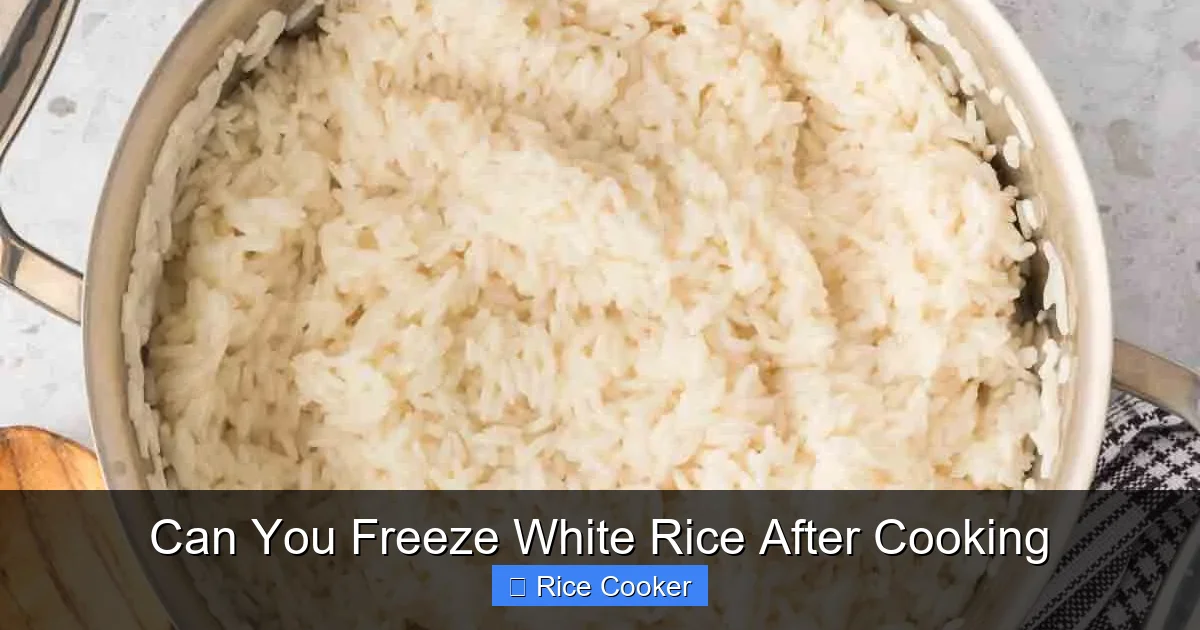
You absolutely can freeze white rice after cooking, making it a smart way to reduce food waste and save time on meal prep. Freezing helps preserve nutrients and flavor while keeping the rice safe for weeks or even months. With the right techniques—like cooling quickly, using airtight containers, and labeling with dates—you’ll enjoy perfectly reheated rice every time.
Key Takeaways
- Freezing cooked white rice is safe and effective: It preserves texture and flavor when done properly, allowing you to store it safely for up to 6 months.
- Cooling before freezing is essential: Never put hot rice directly into the freezer; cool it to room temperature first to avoid ice crystals and bacterial growth.
- Use airtight containers or freezer bags: Prevent freezer burn and moisture loss by storing rice in sealed, labeled containers designed for freezing.
- Portion control makes reheating easier: Freeze rice in small portions (1–2 cups) so you only thaw what you need, reducing waste and saving time.
- Reheat thoroughly and safely: Always reheat frozen rice to an internal temperature of 165°F (74°C) to ensure food safety and restore softness.
- Label with date and contents: Keep track of how long rice has been stored to maintain quality and follow recommended freezer timelines.
📑 Table of Contents
- Can You Freeze White Rice After Cooking?
- Why Freeze Cooked White Rice?
- The Science Behind Freezing Cooked Rice
- How Long Can You Freeze Cooked White Rice?
- Step-by-Step Guide: How to Freeze Cooked White Rice
- Thawing and Reheating Frozen White Rice Safely
- Comparing Freezing vs. Other Storage Methods
- Common Concerns About Freezing Cooked Rice
- Creative Ways to Use Frozen Cooked White Rice
- Final Thoughts: Is Freezing Cooked White Rice Worth It?
Can You Freeze White Rice After Cooking?
We’ve all been there—you cook a big batch of white rice for dinner, but life gets busy, and you end up with leftovers. Instead of letting that perfectly cooked grain go to waste, you might wonder: can you freeze white rice after cooking? The short answer is yes—absolutely! Freezing cooked white rice is not only safe but also one of the most practical ways to preserve it for future meals. Whether you’re meal prepping for the week, saving extra rice from a family gathering, or just trying to cut down on kitchen cleanup, freezing offers a convenient solution without sacrificing quality.
But here’s the catch—freezing rice isn’t as simple as tossing it into the freezer right after serving. Doing so can lead to soggy, unevenly textured rice when you go to reheat it later. To get the best results, you need to understand the science behind cooling, packaging, and storage. In this guide, we’ll walk you through everything you need to know about freezing cooked white rice, from preparation to reheating, so you can enjoy delicious, fluffy rice anytime.
Why Freeze Cooked White Rice?
Before diving into the “how,” let’s talk about the “why.” There are several compelling reasons to freeze your cooked white rice instead of letting it sit at room temperature or throwing it away.

Visual guide about Can You Freeze White Rice After Cooking
Image source: rusticaly.com
1. Prevents Food Waste
One of the biggest benefits of freezing cooked rice is reducing food waste. According to the USDA, millions of pounds of food are discarded each year due to spoilage. By freezing leftover rice within two hours of cooking, you significantly extend its shelf life. Uncovered rice can go bad in just a few days, but properly frozen rice can last up to six months. That means fewer trips to the grocery store and more money saved.
2. Saves Time and Effort
Meal prep enthusiasts love freezing cooked rice because it turns a time-consuming task—cooking rice from scratch—into a quick add-on for future meals. Think of it as prepping a pantry staple. Once you have frozen rice ready, making fried rice, burritos, casseroles, or rice bowls takes minutes instead of 30–40 minutes. This is especially helpful during busy weekdays when you don’t want to spend time chopping vegetables or boiling water.
3. Maintains Nutritional Value
Contrary to popular belief, freezing doesn’t destroy nutrients in white rice. In fact, flash-freezing soon after cooking can help lock in vitamins and minerals better than leaving rice out to sit. While white rice isn’t as nutrient-dense as brown rice, it still provides carbohydrates and energy. Freezing ensures you don’t lose any of those calories to spoilage.
4. Preserves Flavor and Texture
When done correctly, freezing keeps white rice tasting fresh and maintains a tender, slightly chewy texture. The key is avoiding improper storage, which can cause dryness or freezer burn. By following best practices—like using airtight containers and portioning wisely—you’ll find that reheated rice tastes almost as good as the day it was made.
The Science Behind Freezing Cooked Rice
Understanding how freezing affects food helps explain why certain steps matter. When rice cools, its starches begin to gel, which gives it structure. If rice sits too long before freezing, bacteria like Bacillus cereus can multiply—even in cooked rice—and produce toxins that survive normal reheating. That’s why rapid cooling and timely freezing are critical.
Visual guide about Can You Freeze White Rice After Cooking
Image source: powerupcook.com
Freezers operate at temperatures around 0°F (-18°C), which halts bacterial growth almost completely. However, water inside the rice begins to form ice crystals. These crystals can break down cell walls, affecting texture. That’s why it’s important to freeze rice quickly and in small amounts—so the center of each portion freezes fast, minimizing large crystal formation.
Additionally, moisture evaporates in the freezer over time, leading to freezer burn if rice isn’t sealed properly. This creates tough, rubbery spots and off-flavors. Using high-quality freezer containers or vacuum-sealed bags prevents this by creating an airtight environment.
How Long Can You Freeze Cooked White Rice?
If you’re planning ahead, knowing the shelf life of frozen rice is essential. When stored correctly, cooked white rice can be kept in the freezer for up to 6 months. Most people notice the best quality within the first 2–3 months, though it remains safe to eat beyond that period.
After 6 months, the risk of freezer burn increases, and the texture may become slightly compromised. However, if you use rice within 1–2 months, you’ll likely experience no difference in taste or mouthfeel compared to freshly cooked rice.
To maximize longevity, always label your containers with the date of freezing. This helps you rotate your stock—using the oldest rice first—and ensures nothing gets lost in the back of the freezer.
Step-by-Step Guide: How to Freeze Cooked White Rice
Now that you know why freezing is beneficial, let’s go through the actual process. Follow these steps carefully for optimal results:
- Cool the rice quickly: Spread the cooked rice out on a baking sheet or shallow dish and let it cool at room temperature for 30–60 minutes. Don’t leave it sitting too long—ideally, it should cool within 2 hours to prevent bacterial growth.
- Portion the rice: Divide the cooled rice into single-serving or meal-sized portions (about 1–2 cups each). This makes reheating faster and reduces the number of times you open the freezer door.
- Pack tightly in airtight containers: Use freezer-safe plastic containers, glass jars, or heavy-duty freezer bags. Leave a little space at the top if using rigid containers, as liquids expand when frozen.
- Remove excess air from bags: If using freezer bags, squeeze out as much air as possible before sealing. For extra protection, consider double-bagging or using vacuum sealers.
- Label and date: Write the contents and the date on a piece of tape or use a permanent marker on the container. This helps you keep track of how long it’s been stored.
- Store in the coldest part of the freezer: Place the containers in the back of the freezer where the temperature is most stable—away from the door.
Pro Tips for Better Results
- Don’t freeze rice with added sauces or oils: Ingredients like butter or soy sauce can separate or create ice crystals. Store them separately and mix just before reheating.
- Use rice within 1–2 cups per meal: Thawing large portions takes longer and can affect texture.
- Consider using silicone molds: For small batches, pour rice into ice cube trays, freeze until solid, then transfer cubes to a bag. Perfect for soups or stir-fries!
Thawing and Reheating Frozen White Rice Safely
Once your rice is frozen, the next challenge is getting it back to eating condition without turning it mushy or unsafe. Here’s how to do it the right way.
Safe Thawing Methods
Refrigerator method (best for planning ahead): Transfer the frozen rice to the refrigerator and let it thaw slowly overnight. This method preserves texture and minimizes the risk of bacteria reactivation. It’s ideal if you know you’ll be using the rice the next day.
Microwave defrost (fastest option): Place the rice in a microwave-safe dish, cover it with a damp paper towel (to retain moisture), and use the defrost setting in 1-minute intervals, stirring in between. Check frequently to avoid overheating.
Stovetop method (for immediate use): Add a tablespoon of water or broth to the frozen rice in a saucepan, cover, and heat over low-medium heat while stirring occasionally until fully thawed and warmed through.
Reheating Techniques
Even after thawing, frozen rice may lose some moisture. The secret to restoring fluffiness lies in adding steam during reheating.
- Microwave with a splash of water: Place rice in a bowl, add 1–2 tablespoons of water, cover with a lid or plate, and heat in 30-second bursts. Stir and check every minute.
- Steam on the stovetop: Heat rice in a covered pot over low heat with a bit of liquid (water, broth, or oil). Stir occasionally until heated evenly.
- Use in recipes: Frozen rice works great in fried rice, rice balls, risotto, or casseroles. Just add it directly to hot dishes—no need to thaw first.
Safety First: Avoid Common Mistakes
- Never reheat rice more than once: Each cycle increases the risk of bacterial contamination.
- Avoid leaving rice at room temperature too long: Even if you plan to freeze it later, let it cool within 2 hours.
- Check for off smells or slimy texture: If rice smells sour or feels sticky, discard it immediately.
Comparing Freezing vs. Other Storage Methods
While freezing is excellent for long-term storage, other methods exist. Let’s compare them so you can choose what works best for your lifestyle.
| Storage Method | Shelf Life | Texture After Storage | Best For |
|---|---|---|---|
| Room Temperature (covered) | 1–2 days | Sticky, soft | Immediate use |
| Refrigerator (airtight) | 3–5 days | Slightly firmer, may dry out | Short-term leftovers |
| Freezer (properly packed) | Up to 6 months | Tender if thawed correctly | Bulk prep, meal planning |
For most home cooks, refrigeration is fine for a few days, but freezing is unbeatable when you want rice ready for months. It’s especially useful for families, students, or anyone who dislikes daily cooking.
Common Concerns About Freezing Cooked Rice
Despite its benefits, some people hesitate to freeze rice due to myths or misunderstandings. Let’s clear up a few common concerns.
Does Freezing Make Rice Hard?
Not if you thaw and reheat it properly. Some believe freezing dries out rice, but that’s usually due to poor packaging or improper reheating. With moisture retention techniques—like adding water before reheating—you’ll get fluffy rice every time.
Is Frozen Rice Safe to Eat?
Yes, as long as you follow food safety guidelines. Bacteria can grow in cooked rice if it’s left unrefrigerated, but freezing stops that process. As long as the freezer is working below 0°F and the rice is sealed well, it’s safe for months.
Can You Freeze Rice in the Original Pot?
No—never freeze rice in its original cooking vessel, especially non-stick pans or aluminum pots. They aren’t designed for freezing and can warp or leach chemicals. Always transfer rice to proper freezer containers.
Will Freezing Affect the Taste?
Minimal impact if done correctly. Some people detect a slight change after 3–6 months, but most won’t notice unless they compare side-by-side tastings. Using high-quality rice and proper storage minimizes any flavor shift.
Creative Ways to Use Frozen Cooked White Rice
Having frozen rice on hand opens up endless culinary possibilities. Here are some tasty ideas:
- Fried Rice: Sauté frozen rice with soy sauce, eggs, peas, carrots, and protein for a quick dinner.
- Rice Bowls: Layer thawed rice with grilled chicken, steamed veggies, and tahini dressing.
- Burgers and Wraps: Mix rice into patties or stuff burritos for added texture and nutrition.
- Soup Base: Add frozen rice cubes to soups or stews—they melt slowly and thicken the broth.
- Rice Pudding: Simmer frozen rice with milk, cinnamon, and sugar for a comforting dessert.
These uses not only save time but also make healthy, balanced meals easier to prepare. Plus, you’re using ingredients efficiently—no more wasted leftovers!
Final Thoughts: Is Freezing Cooked White Rice Worth It?
So, can you freeze white rice after cooking? Yes, and it’s one of the smartest habits you can adopt in the kitchen. Whether you’re looking to save money, reduce waste, or simplify meal prep, freezing cooked rice delivers real benefits. With just a few extra minutes of preparation—cooling, portioning, and sealing—you unlock months of convenient, delicious meals.
The key is doing it right. Cool quickly, store airtight, label clearly, and reheat safely. By following these steps, you’ll never dread leftover rice again. Instead, you’ll look forward to easy dinners, quick lunches, and stress-free weekends.
Next time you cook a pot of rice, think twice before tossing half of it. Freeze it, and you’ll thank yourself later. Your future self—and your wallet—will appreciate the effort.
Frequently Asked Questions
How long does cooked white rice last in the freezer?
Cooked white rice can safely stay in the freezer for up to 6 months when stored in airtight containers. For best quality, use it within the first 2–3 months.
Can I freeze rice in the same pot it was cooked in?
No, you should never freeze rice in its original cooking pot. Transfer it to freezer-safe containers to prevent warping and ensure even freezing.
How do I reheat frozen rice without making it soggy?
Reheat rice with a splash of water or broth, cover it, and warm it in the microwave or on the stove. Stirring and steaming help maintain fluffiness.
Is it safe to freeze rice that has already been refrigerated?
Yes, but only if it’s been refrigerated for less than 2 days and hasn’t gone bad. Always check for signs of spoilage before freezing.
Can I freeze rice with oil or sauce mixed in?
It’s better to store sauces and oils separately to avoid separation or texture issues. Mix them right before reheating or using in recipes.
Does freezing ruin the nutritional value of white rice?
No, freezing doesn’t significantly reduce nutrients. In fact, quick freezing helps preserve vitamins and minerals better than leaving rice at room temperature.