
Can you freeze white rice after it’s cooked? Absolutely! Freezing cooked white rice is a smart way to reduce food waste and save time on busy days. When stored correctly in airtight containers or freezer bags, rice can stay fresh for up to 3 months without losing much flavor or texture. The key is cooling it quickly, using the right containers, and labeling with dates. With a little know-how, frozen rice reheats beautifully—just steam it or microwave with a splash of water to restore that soft, fluffy bite.
Key Takeaways
- Yes, cooked white rice can be safely frozen. It retains quality for up to 3 months when stored properly.
- Cooling rice rapidly prevents bacterial growth. Spread it out on a baking sheet before transferring to containers.
- Airtight packaging is essential. Use freezer-safe containers or heavy-duty plastic bags to avoid freezer burn.
- Label and date each container. This helps you track freshness and rotate your stock effectively.
- Reheating methods matter. Steam, microwave, or sauté with a bit of moisture to revive texture.
- Freezing reduces waste and saves money. Ideal for large batches from meal prep or leftovers.
- Quality stays best within 1–2 months. While still safe beyond that, flavor and texture may decline.
📑 Table of Contents
- Can You Freeze White Rice After It’s Cooked? The Full Guide
- Why Freeze Cooked White Rice?
- Is It Safe to Freeze Cooked White Rice?
- How to Properly Freeze Cooked White Rice
- How Long Does Cooked White Rice Last in the Freezer?
- Reheating Frozen Cooked White Rice
- Common Mistakes to Avoid
- Creative Ways to Use Frozen Rice
- Conclusion: Freeze Smart, Save Big
Can You Freeze White Rice After It’s Cooked? The Full Guide
If you’re like most people, chances are you’ve stared into your refrigerator at a half-empty pot of perfectly cooked white rice—wondering what to do next. Do you throw it away? Eat it cold? Or maybe you’ve heard that freezing cooked rice is risky because of bacteria? Let’s clear that up once and for all.
Yes, you absolutely can freeze white rice after it’s cooked, and doing so is not only safe but incredibly practical. Whether you made too much for dinner, want to prep meals ahead, or simply hate wasting good food, freezing rice is a game-changer. In this detailed guide, we’ll walk you through everything—from why it’s safe to how to do it right, and even how to bring it back to life when you need it. Think of this as your personal rice-saving superpower manual!
Why Freeze Cooked White Rice?
The Problem: Leftovers and Waste
Every year, millions of pounds of food end up in landfills—and rice is no exception. A single pot of overcooked white rice can easily double as a week’s worth of meals, yet many people toss it after one or two days. Not only is that wasteful, but it also defeats the purpose of cooking efficiently.
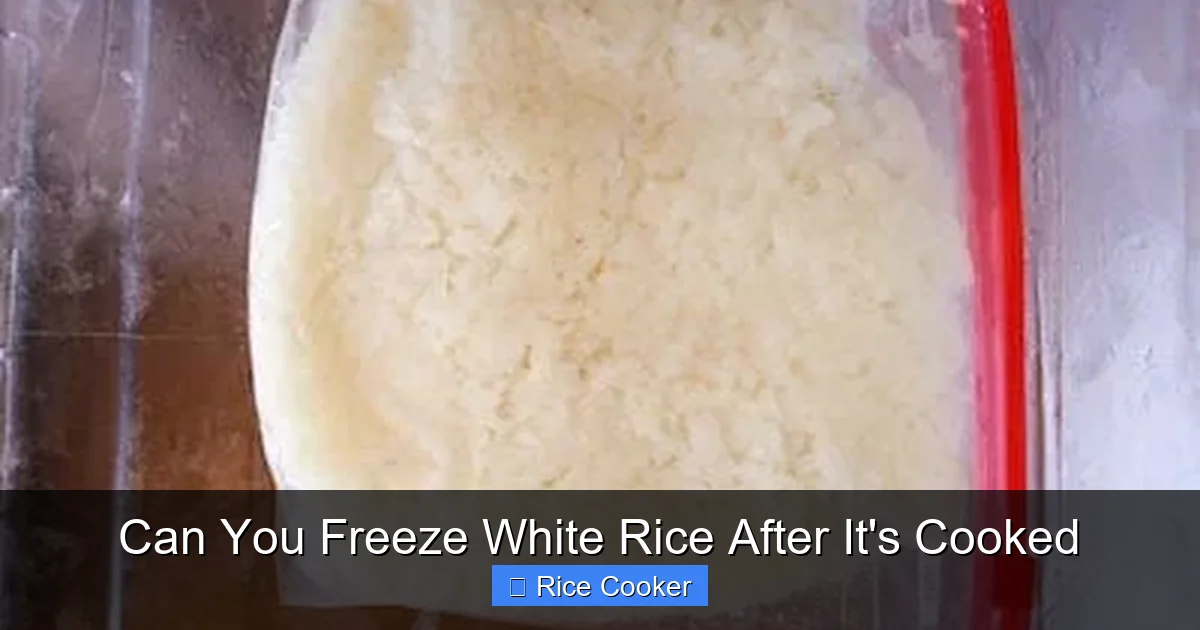
Visual guide about Can You Freeze White Rice After It’s Cooked
Image source: freezeit.co.uk
Freezing cooked rice solves this problem by extending its shelf life significantly. Unlike raw rice (which keeps almost indefinitely in its original packaging), cooked rice starts losing moisture and flavor within hours if left at room temperature. But here’s the good news: when handled correctly, cooked white rice can last up to three months in the freezer.
Benefits Beyond Convenience
Beyond reducing waste, freezing rice offers several advantages:
- Meal prep made easy: Make a big batch on Sunday, then grab individual portions during the week for quick lunches or dinners.
- Saves time: No more rushing to cook rice when you’re short on time.
- Cost-effective: Buying rice in bulk is often cheaper—freezing lets you take advantage of sales without spoilage.
- Consistent results: Pre-portioned frozen rice ensures every meal starts with perfect texture and flavor.
Is It Safe to Freeze Cooked White Rice?
Busting the Bacterial Myth
A common concern is that rice contains spores of *Bacillus cereus*, a bacterium that can survive cooking and multiply in warm, moist environments. These spores produce toxins that cause food poisoning—but only if rice is left to cool slowly at room temperature.

Visual guide about Can You Freeze White Rice After It’s Cooked
Image source: canyoupreserve.com
Here’s the science in simple terms: when cooked rice sits uncovered for more than two hours (or one hour above 90°F/32°C), those spores wake up, grow, and release harmful compounds. That’s why experts always warn against letting rice cool on the counter overnight.
But freezing changes the game. Once rice reaches 40°F (4°C) or below—ideally within two hours of cooking—the bacteria stop multiplying. Freezers maintain temperatures around 0°F (-18°C), which essentially puts everything on pause. So yes, freezing cooked white rice is completely safe as long as you follow proper handling steps.
Food Safety Guidelines Recap
- Cook rice fully (internal temp: 165°F/74°C).
- Cool it quickly—spread in shallow layers or use an ice bath.
- Store in airtight containers within two hours of cooking.
- Use within 3 months for best quality; discard after 6 months if unsure.
How to Properly Freeze Cooked White Rice
Step-by-Step Process
Getting the details right makes all the difference between fluffy, usable rice and gummy, ruined cubes. Here’s how to freeze cooked white rice like a pro:
- Cool Rapidly: Don’t let rice sit! Pour hot rice onto a clean baking sheet lined with parchment paper. Spread it into a thin, even layer (about ¼ inch thick). This accelerates cooling and prevents clumping.
- Transfer to Containers: Once mostly cool (not warm), divide into portions and pack into freezer-safe containers or resealable plastic bags. Leave about ½ inch of headspace—rice expands slightly when frozen.
- Label Everything: Write the date and contents on masking tape or a permanent marker. Frozen rice blurs together quickly!
- Seal Tightly: Press out excess air from bags, or use containers with tight-fitting lids. Moisture = freezer burn.
- Freeze Flat: If using bags, lay them flat so they stack neatly in your freezer. This saves space and makes grabbing one portion easier later.
Best Containers and Packaging Tips
Not all storage options are created equal. For optimal results:
- Use freezer-grade containers: Look for BPA-free plastics labeled “freezer-safe.” Avoid glass unless it’s specifically designed for extreme temperature shifts—some types crack when frozen.
- Heavy-duty zip-top bags: Great for portion control. Squeeze out as much air as possible before sealing.
- Silicone pouches: Reusable and collapsible—perfect for small kitchens.
- Avoid cardboard or wax paper: They don’t hold up well in freezers and can leach chemicals.
How Long Does Cooked White Rice Last in the Freezer?
Shelf Life Breakdown
| Storage Method | Max Storage Time | Notes |
|---|---|---|
| Frozen in airtight containers | 3 months | Best quality retained |
| Frozen in vacuum-sealed bags | 4 months | Even less exposure to air = better preservation |
| Thawed rice (refrigerated) | 3–5 days | Use immediately or refreeze only once |
Remember: “Safe” doesn’t always mean “tasty.” While rice remains microbiologically safe past 3 months, flavor, texture, and nutritional value begin to degrade. Stick to 2 months if you want restaurant-quality results.
Signs Your Rice Has Gone Bad
Even in the freezer, rice won’t last forever. Watch for these red flags:
- Unusual odors: Musty, sour, or off smells indicate spoilage.
- Discoloration: Greyish or green patches suggest mold or contamination.
- Ice crystals: While expected, excessive frost buildup means repeated thawing/refreezing.
- Rancid feel: Though rare, if oil was added (like in fried rice), separation or sliminess signals trouble.
Reheating Frozen Cooked White Rice
Methods to Restore Fluffy Texture
The biggest challenge with frozen rice isn’t safety—it’s bringing back that soft, separate-grain texture. Dry, crumbly rice ruins any dish! Here are foolproof ways to reheat:
1. Microwave with Steaming Technique
- Place rice in a microwave-safe bowl.
- Add 1 tablespoon of water per cup of rice.
- Cover with a damp paper towel or lid (vents allowed).
- Heat on high in 1-minute intervals until warm throughout—usually 2–3 minutes total.
This mimics steaming and prevents drying out.
2. Oven or Toaster Oven
- Preheat oven to 350°F (175°C).
- Mix rice with a splash of water and a drizzle of oil.
- Pour into an oven-safe dish and cover tightly with foil.
- Bake for 15–20 minutes, stirring halfway.
Great for large batches or when you have time.
3. Stovetop Revival
- Bring a small amount of water or broth to a simmer in a saucepan.
- Add rice, stir, cover, and cook over low heat for 5–7 minutes.
- Let stand covered for 2 minutes before fluffing.
Ideal for savory dishes like rice pilaf or fried rice.
Pro Tips for Perfect Reheat
- Never reheat twice: Each cycle increases bacterial risk.
- Fluff while hot: Use a fork gently—don’t mash it.
- Add moisture early: A few drops of water during reheating work wonders.
- For fried rice: Thaw completely, then stir-fry over high heat with sauce.
Common Mistakes to Avoid
What NOT to Do
Even experienced cooks make these errors—and they lead to mushy, unusable rice:
- Leaving rice at room temperature overnight: Always refrigerate or freeze within 2 hours.
- Packing hot rice directly into sealed containers: Traps steam, creates condensation, promotes spoilage.
- Using regular plastic wrap instead of lids: Wrap alone doesn’t block air.
- Overloading containers: Thick piles delay freezing and create icy spots.
- Skipping labels: You’ll forget what’s inside—or worse, mix up dates.
Special Cases: Fried Rice vs. Plain Boiled Rice
While plain white rice freezes beautifully, dishes with added fats or sauces behave differently:
- Fried rice: Best frozen soon after cooking. Oil can oxidize over time, causing rancidity. Still safe, but flavor suffers after 1 month.
- Rice with dairy/eggs: Avoid freezing—curdling occurs upon thawing.
- Gravies or creamy sauces: Don’t freeze with rice; reheat separately.
Creative Ways to Use Frozen Rice
Meal Prep Magic
Turn frozen rice into entire meals with minimal effort:
- Breakfast bowls: Warm rice with scrambled eggs, spinach, and soy sauce.
- Lunch wraps: Mix with beans, veggies, and tahini in whole-wheat tortillas.
- Dinner sides: Serve alongside grilled chicken, roasted vegetables, or soup.
- Snack bites: Form into balls with peanut butter and roll in sesame seeds.
Global Flavors Made Easy
Frozen rice becomes a canvas for cuisines worldwide:
- Jasmine rice + coconut milk + lime = Thai-inspired porridge.
- Cumin, coriander, and turmeric = Indian-style pulao.
- Sriracha, garlic, and scallions = Korean bibimbap base.
Conclusion: Freeze Smart, Save Big
So, can you freeze white rice after it’s cooked? The answer is a resounding YES—with confidence and care. Freezing isn’t just about saving leftovers; it’s about embracing efficiency, sustainability, and kitchen creativity. By following the steps outlined here, you’ll never look at that pot of rice the same way again.
Whether you’re prepping for the week, avoiding waste, or simply love having go-to side dishes ready, frozen cooked white rice is your new best friend. Just remember: cool fast, seal tight, label clearly, and reheat with moisture. In under 10 minutes, you’ll have restaurant-quality rice that tastes like it came straight from the pan.
Next time you cook up a big batch, don’t hesitate—freeze it! Your future self (and the planet) will thank you.
Frequently Asked Questions
Can you freeze cooked white rice the same day it’s made?
Absolutely! As long as it’s cooled within two hours and stored in airtight containers, freshly cooked white rice freezes perfectly. This is actually the ideal time to freeze it—before any quality loss begins.
How do you defrost frozen white rice safely?
The safest method is thawing in the refrigerator overnight. For quicker use, place portions in a colander and rinse under cold running water while stirring gently. Never thaw at room temperature—this invites bacterial growth.
Does frozen rice taste different than fresh?
In most cases, no—if handled properly, frozen rice maintains excellent flavor and texture. However, rice with added oils or sauces may develop slight changes after 1–2 months due to oxidation.
Can you freeze rice from a rice cooker?
Yes! Rice cookers produce standard cooked rice, so the same freezing rules apply. Just pour it into containers right after it finishes cooking and proceed with rapid cooling.
Is it okay to freeze rice that’s already been refrigerated?
Yes, but only if it’s within 3–4 days of refrigeration. Once refrigerated rice warms up and cools down slowly, bacterial risks increase. Freeze it promptly for safety and quality.
Can babies eat frozen rice?
Only after 6 months of age and once solid foods are introduced. Ensure rice is thoroughly reheated to steaming hot and checked for lumps. Avoid adding salt, sugar, or seasonings for infants.