
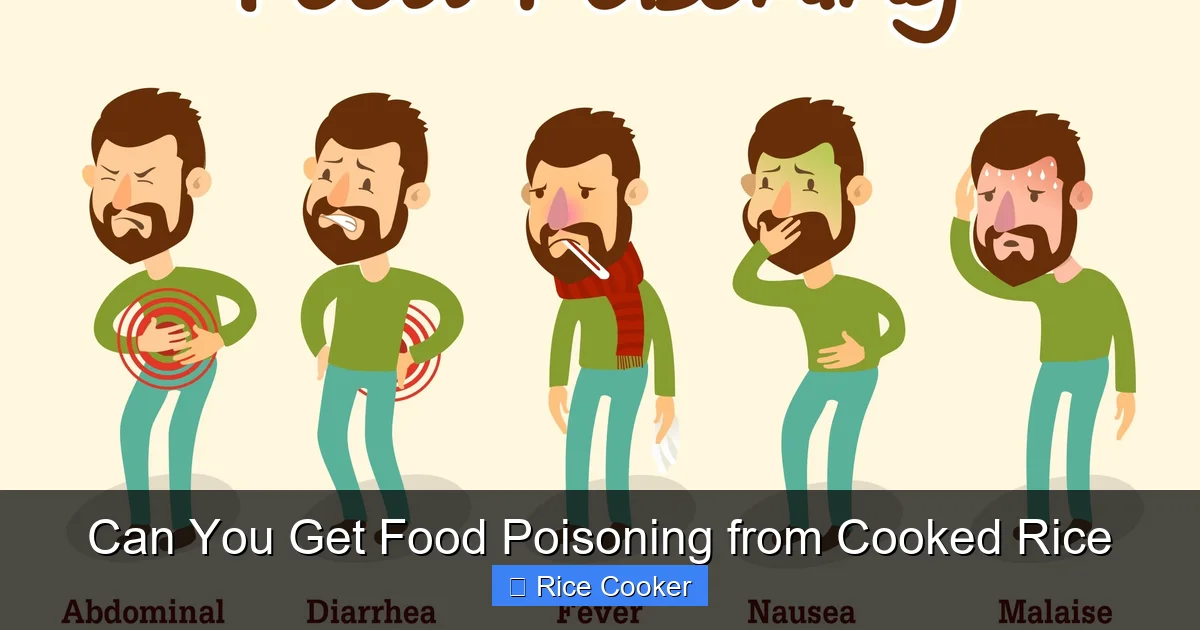
Cooked rice can indeed cause food poisoning when bacteria like Bacillus cereus grow and produce toxins. These spores survive normal cooking and multiply in warm, moist conditions—especially at room temperature. The good news? With proper storage and reheating, you can enjoy rice safely every time.
Key Takeaways
- Understanding can you get food poisoning from cooked rice: Provides essential knowledge
📑 Table of Contents
- Can You Get Food Poisoning from Cooked Rice?
- The Science Behind Rice and Food Poisoning
- Common Scenarios Where Rice Becomes Dangerous
- Safe Handling Practices for Rice
- Signs You Might Have Rice-Related Food Poisoning
- Special Considerations: Brown Rice, Wild Rice, and Other Varieties
- How Rice Cookers Fit Into the Picture
- Real-Life Examples and Case Studies
- Conclusion: Enjoy Rice Safely Every Time
Can You Get Food Poisoning from Cooked Rice?
You’ve probably heard the advice: “Don’t let rice sit out overnight.” But why? After all, rice is just rice—how dangerous could it really be? The truth is, cooked rice can absolutely make you sick if handled improperly. It’s not the grain itself, but the invisible bacteria lurking inside it.
The culprit behind most cases of food poisoning linked to rice is a sneaky microbe called Bacillus cereus. This bacterium lives in soil, dust, and even grains like rice before they’re harvested. What makes it especially tricky is its ability to form spores—tiny, dormant cells that resist heat, drying, and chemicals. These spores survive your rice cooker’s high temperatures and wait for the perfect moment to wake up.
Once rice is cooked, those spores become active bacteria as soon as the environment turns warm and wet—like when left on the counter or in a slow cooker. Within hours, they multiply rapidly, especially between 40°F and 140°F (the “danger zone” for bacterial growth). And here’s the catch: even if you boil rice later, you might still get sick because the real villain isn’t the living bacteria—it’s the toxins they’ve already released into the food.
So yes, you can definitely get food poisoning from cooked rice. But don’t panic! With simple precautions, you can enjoy fluffy rice dishes without worry.
The Science Behind Rice and Food Poisoning
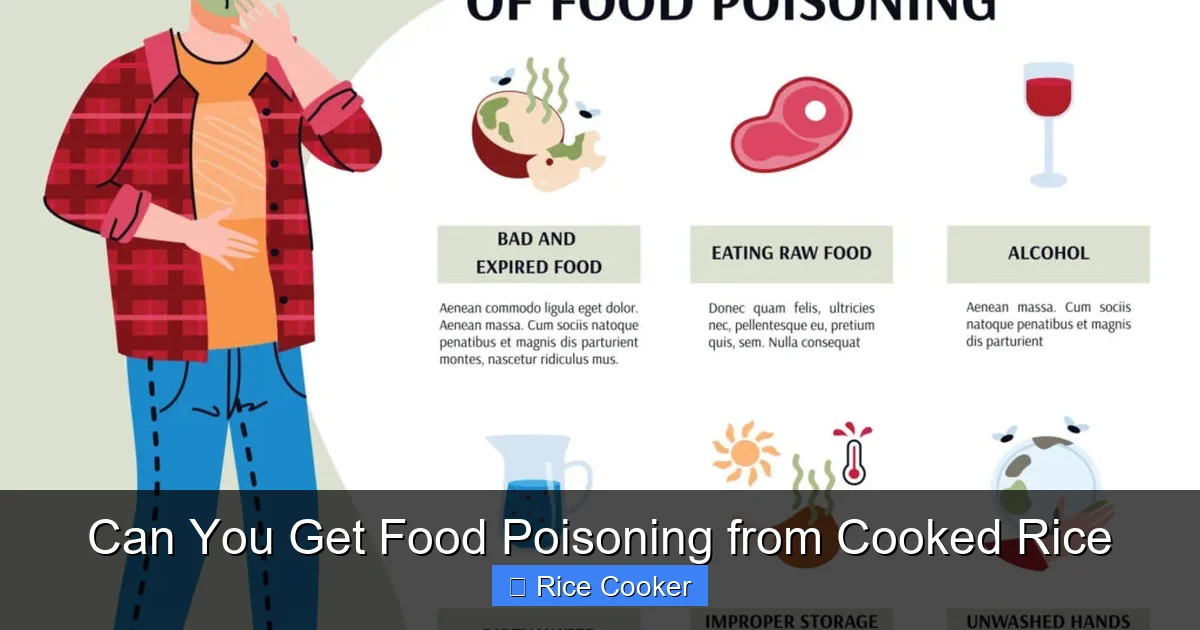
Visual guide about Can You Get Food Poisoning from Cooked Rice
Image source: pizzaware.com
To understand why rice poses this risk, we need to look at what happens inside your kitchen after you press “start” on your rice cooker.
How Bacillus Cereus Survives Cooking
Unlike other bacteria that die at typical cooking temperatures (around 160°F / 71°C), Bacillus cereus spores are built for survival. They’re like tiny superheroes—resistant to extreme heat, cold, and even some disinfectants. That means when you rinse and cook brown or white rice, you’re not killing them—you’re simply waking them up.
After cooking, these newly activated bacteria begin reproducing. In ideal conditions, one cell can divide into two in as little as 20 minutes. If rice sits at room temperature for several hours, the population explodes. A single teaspoon of improperly stored rice can contain millions of bacteria—enough to trigger illness in many people.
Why Reheating Doesn’t Always Help
Here’s where things get confusing. Many assume that boiling leftover rice will neutralize all risks. Unfortunately, that’s only partially true.
Boiling kills live bacteria, which is great. But here’s the problem: Bacillus cereus starts producing harmful toxins while still alive. These toxins—called cereulide—are heat-stable. That means even if you bring rice to a rolling boil, the toxin remains intact and ready to wreak havoc once consumed.
This leads to two types of food poisoning caused by rice:
- Emetic type: Causes nausea and vomiting within 1–6 hours of eating contaminated rice. Symptoms typically last less than 24 hours.
- Diarrheal type: Results in watery diarrhea, stomach cramps, and mild fever 6–12 hours after ingestion. This version is triggered by enterotoxins produced during germination or early growth phases.
Both types stem from improper handling rather than the rice itself—but both can leave you feeling miserable.
Common Scenarios Where Rice Becomes Dangerous

Visual guide about Can You Get Food Poisoning from Cooked Rice
Image source: spicemastery.com
Not all rice is created equal when it comes to safety. Certain habits increase your risk significantly. Let’s break down the most common risky situations.
Leaving Rice at Room Temperature
This is the #1 mistake people make. After cooking, many leave rice uncovered on the stove, in a serving bowl, or wrapped tightly in foil—all while it slowly cools toward room temperature.
Between 100°F and 90°F, bacteria thrive. Within 2–4 hours, Bacillus cereus levels can rise dramatically. If you’re serving fried rice at a potluck or picnic, leaving it out for more than 1–2 hours (especially in warm weather) creates a breeding ground.
Tip: Never let cooked rice sit above 90°F for more than 1 hour. Use ice baths or refrigerate immediately.
Using Keep-Warm Settings Improperly
Many modern rice cookers—and even some electric kettles or slow cookers—have a “keep-warm” function. While convenient, this setting often maintains rice around 120°F to 140°F—right in the danger zone!
Studies show that rice left on keep-warm for over 2 hours develops enough bacteria to cause illness. Some models cycle the heating element off and on, creating pockets of warmth that allow steady reproduction.
Solution: Once your rice cooker signals “done,” unplug it or transfer the rice to a clean container and refrigerate within 1 hour.
Storing Rice Incorrectly
Even if you refrigerate rice promptly, improper storage can still lead to problems.
Avoid storing rice in deep, wide containers. Bacteria grow fastest in large volumes of food because oxygen reaches the center. Instead, spread rice in shallow layers (no more than 2 inches thick) so it cools rapidly.
Also, never reuse leftover rice from an unwashed pot. Residual moisture and bacteria can contaminate new batches.
Cross-Contamination Risks
Rice used in dishes like fried rice, sushi, or casseroles often touches raw ingredients (meat, eggs, vegetables). If utensils or surfaces aren’t cleaned properly, harmful microbes from raw foods can transfer to cooked rice—or vice versa.
Always wash hands, cutting boards, and tools after handling raw items. Use separate chopping boards for produce vs. meat.
Safe Handling Practices for Rice
Now that you know the dangers, let’s talk solutions. Follow these steps to enjoy rice safely—whether you’re using a traditional pot, instant pot, or rice cooker.
Cooking Tips
Start with clean equipment. Rinse your rice briefly under cold water before cooking (this removes surface starch and some spores). Then cook using the correct ratio of water (usually 1:1.5 for white rice, slightly more for brown).
Once cooked, fluff gently with a fork to aerate the grains—this helps release steam and speeds cooling.
Cooling Quickly
Speed is key. The longer rice takes to drop below 140°F, the more bacteria multiply.
Best method: Spread rice in a large, shallow pan or divide into small airtight containers. Add a layer of ice cubes or run cold water over the container while stirring occasionally. Aim to cool from 140°F to below 40°F within 1 hour.
If you’re prepping rice ahead, cook it earlier in the day and refrigerate immediately.
Refrigeration Guidelines
Store cooled rice in the fridge within 1 hour (or 2 hours in temperatures above 90°F). Use airtight containers to prevent drying out and cross-contamination.
Label containers with the date. Most cooked rice stays safe for 3–4 days in the refrigerator.
Never refreeze rice that has been fully thawed—bacterial growth accelerates during freezing/thawing cycles.
Reheating Properly
When ready to eat, reheat rice thoroughly. Bring it to a rolling boil for at least 1 minute, ensuring it reaches 165°F internally. Stir frequently to distribute heat evenly.
Avoid microwave reheating unless you rotate the dish halfway through—cold spots allow bacteria to survive.
For best texture, add a splash of water or broth while reheating to revive dryness.
Freezing for Long-Term Storage
Want to prep ahead? Freeze rice in portion-sized bags or containers. Frozen rice keeps well for up to 1 month. Thaw overnight in the fridge before reheating.
Note: Texture may soften slightly after freezing, but it remains safe to eat.
Signs You Might Have Rice-Related Food Poisoning
Symptoms usually appear within 1–6 hours (for vomiting) or 6–12 hours (for diarrhea). Look for:
- Nausea or sudden urge to vomit
- Watery or bloody diarrhea
- Stomach cramps or bloating
- Mild fever (in diarrheal cases)
- Occasional headache or fatigue
These symptoms typically resolve within 24 hours. Seek medical attention if you experience severe dehydration, persistent vomiting, blood in stool, or signs of infection.
Remember: Not everyone who eats contaminated rice gets sick—but some do, depending on their immune system and how much toxin was present.
Special Considerations: Brown Rice, Wild Rice, and Other Varieties
Most food poisoning cases involve white rice, but other types aren’t immune.
Brown Rice
Brown rice retains its bran layer, which contains more fiber and nutrients—but also more potential contaminants like mold and bacteria. It also takes longer to cook, so timing matters.
Since brown rice has a higher surface area exposed during milling, it may harbor more spores initially. However, proper washing and cooking reduce this risk.
Still follow the same safety rules: cool quickly, refrigerate promptly, reheat thoroughly.
Wild Rice and Mixed Grains
Wild rice is technically a grass seed, not actual rice. Mixed grain dishes (like pilaf or risotto) combine multiple ingredients, increasing complexity.
If any component was contaminated (e.g., dried herbs, nuts, or meats), the whole dish could pose a risk. Always treat mixed rice dishes like any other high-risk meal.
Instant or Pre-Cooked Rice Packets
Some convenience products (like microwaveable rice packets) claim “no refrigeration needed.” While convenient, many rely on chemical preservatives rather than refrigeration.
Read labels carefully. If a product says “refrigerate after opening,” do so. Avoid leaving opened packets at room temperature for extended periods.
Even if labeled shelf-stable, once opened, treat like fresh rice.
How Rice Cookers Fit Into the Picture
As someone who likely uses a rice cooker regularly, you’ll want practical advice tailored to your appliance.
Choosing a Safe Rice Cooker Model
Not all rice cookers are created equal. Look for models with:
- Automatic shut-off after cooking
- Avoidance of continuous keep-warm modes
- Clear instructions about post-cooking handling
Top brands like Zojirushi, Panasonic, and Tiger offer reliable designs with better temperature control. Read reviews focusing on safety features.
Best Practices for Rice Cooker Users
After your rice cooker clicks off:
- Unplug it immediately
- Transfer rice to a shallow container within 30 minutes
- Place container in fridge or ice bath if not eating right away
- Avoid pressing the “keep warm” button unless serving immediately
If you must use keep-warm, limit exposure to under 2 hours and monitor temperature with a food thermometer.
Cleaning Your Rice Cooker
Bacteria love hiding in the inner pot, lid, and steam vents. Clean thoroughly after each use:
- Wash removable parts with hot, soapy water
- Sanitize with a vinegar-water solution weekly
- Check manufacturer guidelines for dishwasher safety
Never store a wet rice cooker—moisture encourages mold and bacterial growth.
Real-Life Examples and Case Studies
Let’s look at actual scenarios where poor rice handling led to outbreaks—and how prevention saved the day.
School Lunchroom Incident (2018)
In a Midwestern school district, over 30 students developed gastroenteritis after eating chicken fried rice served at lunch. Investigation revealed the rice had been cooked the night before, stored in a large industrial pot, and kept on a warming tray for 5+ hours. The cafeteria staff assumed boiling would kill all bacteria—but toxins remained.
Lesson: Never leave rice warming for more than 2 hours.
Family Picnic Outbreak (2020)
At a summer gathering, 12 relatives fell ill after eating potato salad containing cooked rice. The host had made the dish the night before, stored it in a ceramic bowl covered with plastic wrap, and left it outside during 85°F weather for 6 hours. Symptoms appeared within 3 hours of eating.
Lesson: Even small amounts of rice in salads can be dangerous if mishandled.
Restaurant Recall (2021)
A popular Asian chain recalled thousands of meals after a customer reported vomiting. Lab tests confirmed Bacillus cereus toxins in leftover fried rice. The issue traced back to improper cooling procedures in the kitchen.
Lesson: Professional kitchens must follow strict HACCP protocols for high-risk foods.
These examples highlight that anyone—from home cooks to chefs—can face serious consequences without proper knowledge.
Conclusion: Enjoy Rice Safely Every Time
Cooked rice is delicious, nutritious, and versatile—but it demands respect. Thanks to resilient bacteria like Bacillus cereus, mishandling can lead to uncomfortable—and sometimes alarming—illness.
The good news? Prevention is simple. Cool rice quickly, refrigerate promptly, reheat thoroughly, and always think about temperature and time. Whether you use a classic stovetop, modern rice cooker, or microwave, these principles apply universally.
By treating rice like any other perishable food—not as an innocent carb—you protect yourself and your loved ones. And honestly, once you adopt these habits, you’ll feel more confident in the kitchen. No more anxiety about that leftover fried rice!
So go ahead—enjoy your next bowl of jasmine rice, sushi, or creamy risotto. Just remember: rice isn’t dangerous… but carelessness is.
Frequently Asked Questions
Can you get food poisoning from cooked rice?
Yes, cooked rice can cause food poisoning if it’s left at room temperature for too long. Bacteria like Bacillus cereus produce heat-stable toxins that survive reheating and cause vomiting or diarrhea within hours of consumption.
How long can cooked rice sit out before it becomes unsafe?
Cooked rice should not sit at room temperature for more than 1–2 hours, especially in warm climates. Ideally, it should be refrigerated within 1 hour of cooking to prevent bacterial growth.
Does boiling rice kill Bacillus cereus?
Boiling kills live bacteria but does not destroy the toxins they’ve already produced. Since these toxins are heat-stable, reheating rice won’t eliminate the risk of food poisoning if contamination occurred earlier.
Is it safe to eat rice that’s been left out overnight?
No, rice left out overnight is unsafe to eat. Even if it looks fine, Bacillus cereus can multiply to dangerous levels and produce toxins during prolonged exposure to room temperature.
How should I store leftover rice?
Store leftover rice in shallow airtight containers and refrigerate within 1 hour of cooking. Label with the date and consume within 3–4 days. Freeze for longer storage, up to 1 month.
Can rice cookers cause food poisoning?
Yes, if the keep-warm setting maintains rice in the danger zone (40°F–140°F) for too long. Unplug your rice cooker after it finishes cooking and transfer rice to a container for rapid cooling.