
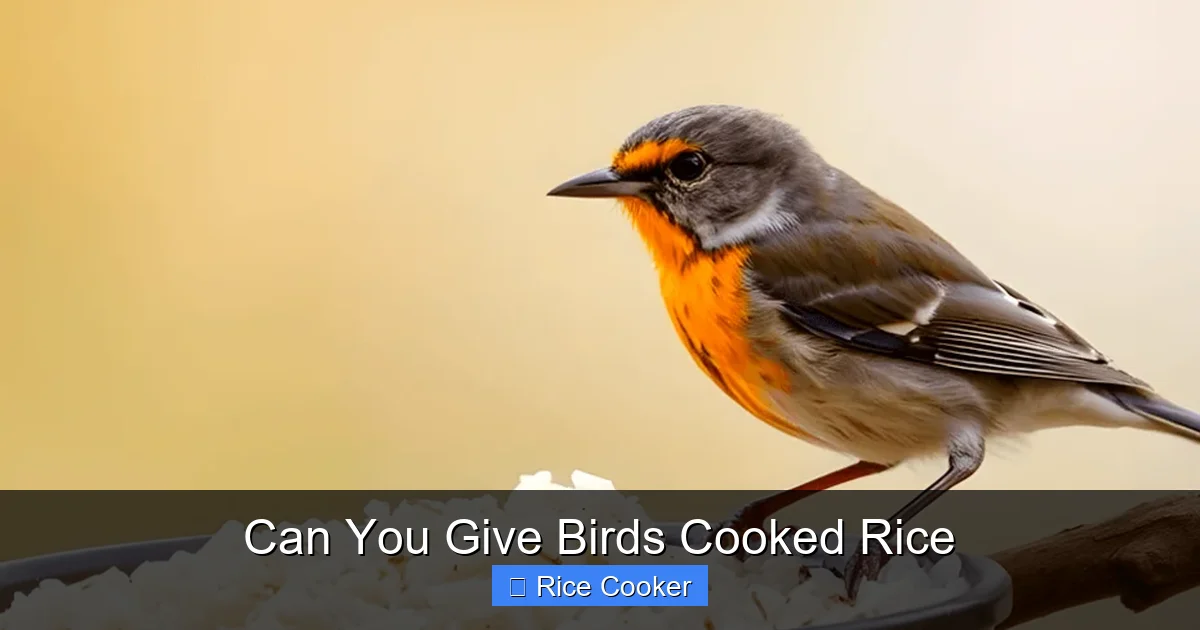
Yes, birds can safely eat cooked rice—especially plain, unseasoned rice that’s fully cooled. It provides a good source of carbohydrates and energy, but should only be offered occasionally as part of a varied diet. Always avoid adding salt, spices, or oils, as these can harm birds.
Key Takeaways
- Yes, birds can eat cooked rice — plain, cooled rice is safe and nutritious when fed in moderation.
- Avoid seasoning or additives — salt, oil, garlic, or herbs can be toxic or harmful to birds.
- Cooked rice should be soft and cool — this makes it easier for birds to digest and reduces choking risks.
- Rice is not a complete food — it should complement, not replace, seeds, fruits, vegetables, and protein sources.
- Use a rice cooker for consistent results — it ensures perfectly cooked, fluffy rice every time.
- Monitor portion sizes — overfeeding rice can lead to digestive issues or obesity in pet birds.
- Offer rice as an occasional treat — think of it like a healthy snack, not a staple meal.
📑 Table of Contents
- Can You Give Birds Cooked Rice?
- Why Birds Might Enjoy Cooked Rice
- Is Cooked Rice Safe for All Bird Species?
- Nutritional Value of Cooked Rice for Birds
- How to Prepare Cooked Rice for Birds
- Precautions When Feeding Birds Cooked Rice
- Alternatives to Cooked Rice for Birds
- Wild vs. Domestic Birds: Differences in Feeding Practices
- Final Thoughts: Cooked Rice Is a Safe Treat—Not a Staple
Can You Give Birds Cooked Rice?
If you’re a bird lover—whether you have a backyard flock of sparrows, pigeons, or even a pet parrot—you might find yourself wondering about what foods are safe and beneficial for them. One common question that comes up often is: Can you give birds cooked rice?
The short answer is yes—birds can eat cooked rice, especially when it’s plain, unseasoned, and fully cooled. But before you start tossing leftover dinner onto your bird feeder or into your cockatiel’s cage, there are important details to consider. This article will walk you through everything you need to know about feeding cooked rice to birds, from nutritional value to safety precautions, and even how a rice cooker can make the process easier.
Whether you’re feeding wild birds at your birdbath or preparing a special treat for your domesticated feathered companion, understanding how to properly serve cooked rice ensures their health and happiness. Let’s dive in!
Why Birds Might Enjoy Cooked Rice
Birds are naturally curious creatures, and many enjoy exploring new textures and tastes—especially if they resemble foods found in nature. Cooked rice fits into this category nicely. While wild birds typically forage for seeds, insects, and berries, domestic or urban birds may come across human leftovers, including rice.
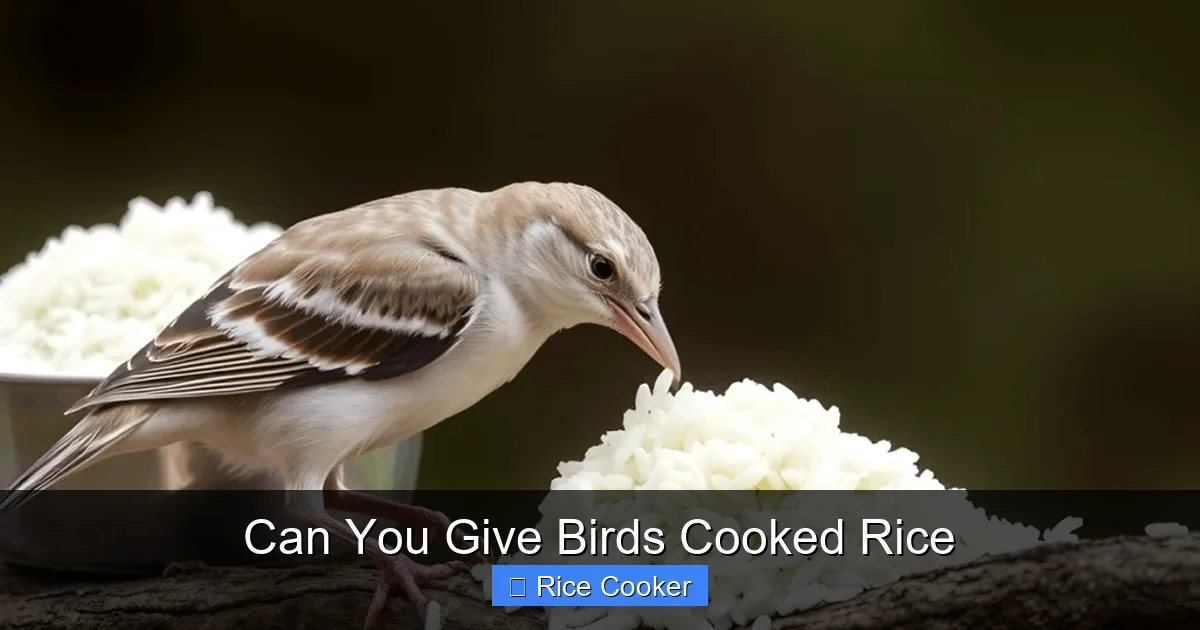
Visual guide about Can You Give Birds Cooked Rice
Image source: birdsspotter.com
Rice, when prepared correctly, offers several benefits. It’s rich in carbohydrates, which provide quick energy—great for birds that need fuel for flying, singing, or foraging. Additionally, cooked rice has a soft texture that’s easy to chew and swallow, making it suitable for young birds or those with dental issues. The mild flavor also appeals to many species without being overwhelming.
A Natural Food Source?
Interestingly, some birds do encounter rice-like grains in the wild. Certain grasses and seeds can look similar to rice, and in agricultural areas, spilled grain—including rice—can attract birds like sparrows, finches, and doves. So while rice isn’t native to most bird diets, it doesn’t pose a problem when introduced thoughtfully.
In fact, offering small amounts of cooked rice can be a way to supplement a bird’s diet, especially during colder months when natural food sources are scarce. However, it’s crucial to remember that rice alone doesn’t provide all the nutrients birds need—so it should never replace balanced meals.
Is Cooked Rice Safe for All Bird Species?
Just because birds can eat cooked rice doesn’t mean all birds should eat it—or that all types of rice are equally safe. Different bird species have varying dietary needs and sensitivities. For example, seed-eating birds like finches may nibble on rice grains, while larger parrots or waterfowl might enjoy mashed rice mixed with other ingredients.
Visual guide about Can You Give Birds Cooked Rice
Image source: canyoupreserve.com
Safety Guidelines by Species
- Small songbirds (e.g., sparrows, wrens): Can safely consume tiny portions of cooled, plain rice. Offer just a few grains at a time to avoid waste or spoilage.
- Medium-sized birds (e.g., robins, jays): May enjoy soft-cooked rice mixed with chopped fruits or insects.
- Large birds (e.g., pigeons, ducks): Can handle slightly larger servings but still require variety to stay healthy.
- Pet birds (e.g., parrots, cockatiels): Should receive rice only as an occasional treat—never more than once or twice a week.
It’s also worth noting that some birds may not be interested in rice at all. Experimentation is key. If your bird ignores it, don’t force it—there are plenty of other safe treats available.
Nutritional Value of Cooked Rice for Birds
To understand whether cooked rice is a good addition to a bird’s diet, let’s break down its nutritional profile. Plain, boiled white or brown rice contains carbohydrates, small amounts of fiber, and trace minerals like magnesium and phosphorus. While it lacks significant protein or fat, it does offer steady energy—something many birds appreciate.
Macronutrients Overview
- Carbohydrates: ~28 grams per cup (uncooked), providing sustained energy.
- Fiber: Moderate levels in brown rice; helps with digestion.
- Protein: Minimal (~2.7g per cup cooked)—not sufficient as a primary protein source.
- Fat: Very low—less than 1 gram per cup.
This means cooked rice works best when paired with protein-rich foods like legumes, eggs (cooked), or mealworms. For pet birds, you might mix rice with mashed sweet potato or pureed vegetables to boost nutritional content.
Wild birds, on the other hand, get most of their protein from insects and seeds. So while rice won’t hurt them, it shouldn’t dominate their intake either.
How to Prepare Cooked Rice for Birds
The way you prepare rice makes a big difference in both safety and appeal. Raw rice, for instance, can expand in a bird’s stomach and cause blockages. That’s why cooked rice is essential—it’s been softened and broken down during cooking.
Step-by-Step Preparation Guide
- Choose plain rice: Use white or brown basmati, jasmine, or long-grain rice—nothing seasoned.
- Cook thoroughly: Boil until grains are tender and separate. A rice cooker ensures consistent results.
- Cool completely: Let rice sit until lukewarm or room temperature—hot rice can burn delicate mouths.
- Break into small pieces: Especially important for small birds or chicks.
- Serve immediately or store safely: Leftover rice should be refrigerated within two hours to prevent bacterial growth.
For wild birds, place rice near water sources or on a clean surface where they feel safe eating. For pet birds, offer rice in a shallow dish or mix it into their regular food bowl.
Using a Rice Cooker: The Best Tool for Bird Owners
Many bird owners swear by using a rice cooker to prepare treats like rice, oats, or even mashed fruits. These appliances automate the cooking process, reduce cleanup, and ensure perfect texture every time. Plus, you can cook multiple servings at once—ideal if you’re feeding several birds or want to freeze extras.
Look for a rice cooker with non-stick surfaces and easy-to-clean parts. Avoid models with complex settings unless you plan to experiment with recipes. Most basic rice cookers work flawlessly for simple grain-based bird food.
Precautions When Feeding Birds Cooked Rice
While cooked rice is generally safe, there are a few pitfalls to avoid. First and foremost: no salt, no spices, and no butter or oil. Seasonings can be toxic to birds, and fats can clog their digestive systems. Even a tiny pinch of salt can be dangerous—birds are much more sensitive to sodium than humans.
Common Mistakes to Avoid
- Feeding hot rice: Burns are painful and can deter future feeding attempts.
- Overfeeding: Too much rice leads to malnutrition since it lacks essential nutrients.
- Leaving uneaten rice out too long: Bacteria multiply quickly in warm environments.
- Mixing with unsafe foods: Never combine rice with chocolate, caffeine, avocado, or citrus—all toxic to birds.
If you’re unsure about a specific ingredient, consult an avian veterinarian before introducing it to your bird’s diet. When in doubt, stick to basics.
Alternatives to Cooked Rice for Birds
Cooked rice is a great option, but it’s not the only one. In fact, offering variety is one of the best ways to keep birds healthy and engaged. Here are some excellent alternatives:
Safe Grain Options
- Quinoa: Higher in protein and packed with amino acids.
- Oats: Soft when cooked and rich in fiber.
- Millet: Tiny and loved by many small birds.
- Barley: Nutrient-dense and easy to digest.
Fruits & Vegetables
- Sweet potato: Rich in beta-carotene; mash and cool before serving.
- Apple slices (without seeds): Great for hydration and vitamins.
- Leafy greens: Kale, spinach, or romaine lettuce in moderation.
Protein Sources
- Mealworms: High in protein; perfect for breeding or molting birds.
- Hard-boiled egg: Crushed and mixed with rice or vegetables.
- Lentils or chickpeas (cooked): Plant-based protein powerhouses.
Rotating between these options ensures your birds get a full spectrum of nutrients. Think of rice as one piece of the puzzle—not the whole board.
Wild vs. Domestic Birds: Differences in Feeding Practices
There’s a big difference between feeding wild birds and caring for pet birds. Wild birds rely heavily on natural foraging, so offering cooked rice should mimic what they’d find in nature—small, scattered grains near water or open spaces. Avoid placing large piles of rice where it could rot or attract pests.
For domestic birds—like parrots, canaries, or finches—rice can be integrated into daily meals. Just remember: balance is key. A typical pellet-based diet already includes grains, so extra rice should be limited.
In both cases, observation is your best tool. Watch how your birds respond. Do they eat eagerly? Reject it? Share with others? Adjust accordingly.
Final Thoughts: Cooked Rice Is a Safe Treat—Not a Staple
So, can you give birds cooked rice? Absolutely—with conditions. When prepared properly and given in moderation, cooked rice can be a harmless and even enjoyable addition to a bird’s diet. It’s especially useful during winter months or as a training treat for pet birds.
But always remember: rice is not a complete food. It lacks the protein, fats, vitamins, and minerals birds need to thrive. Use it as a supplement, not a substitute. And never forget to prioritize fresh water, high-quality feed, and mental stimulation through toys and interaction.
With a little care and attention, you can safely share this humble grain with your feathered friends—whether they’re fluttering in your backyard or perched beside you on the couch. After all, sharing food with animals we love is one of the simplest joys of life.
Frequently Asked Questions
Can wild birds eat cooked rice?
Yes, wild birds can safely eat plain, cooled cooked rice. It provides energy and is often found in spill-over from human food. Place it near water sources or open areas where birds feel secure eating.
Is brown rice better than white rice for birds?
Brown rice offers more fiber and nutrients, but both types are safe when plain and cooked. Brown rice may be slightly harder to digest, so monitor your bird’s reaction if switching varieties.
How often can I feed my pet bird cooked rice?
Limit cooked rice to once or twice a week for pet birds. Overfeeding can lead to nutritional imbalances since rice lacks essential proteins and fats needed for optimal health.
Can I cook rice in a rice cooker for my bird?
Absolutely! A rice cooker makes perfect, consistent batches of cooked rice ideal for bird treats. Just ensure no seasonings or oils are added, and let it cool before serving.
What happens if a bird eats raw rice?
Raw rice can expand in a bird’s stomach, potentially causing blockages or digestive distress. Always cook rice thoroughly before offering it to birds.
Can baby birds eat cooked rice?
Yes, but only after they’ve started eating solid foods, usually around 4–6 weeks old. Break rice into very small, soft pieces and mix with other age-appropriate foods like mashed insects or vegetables.