
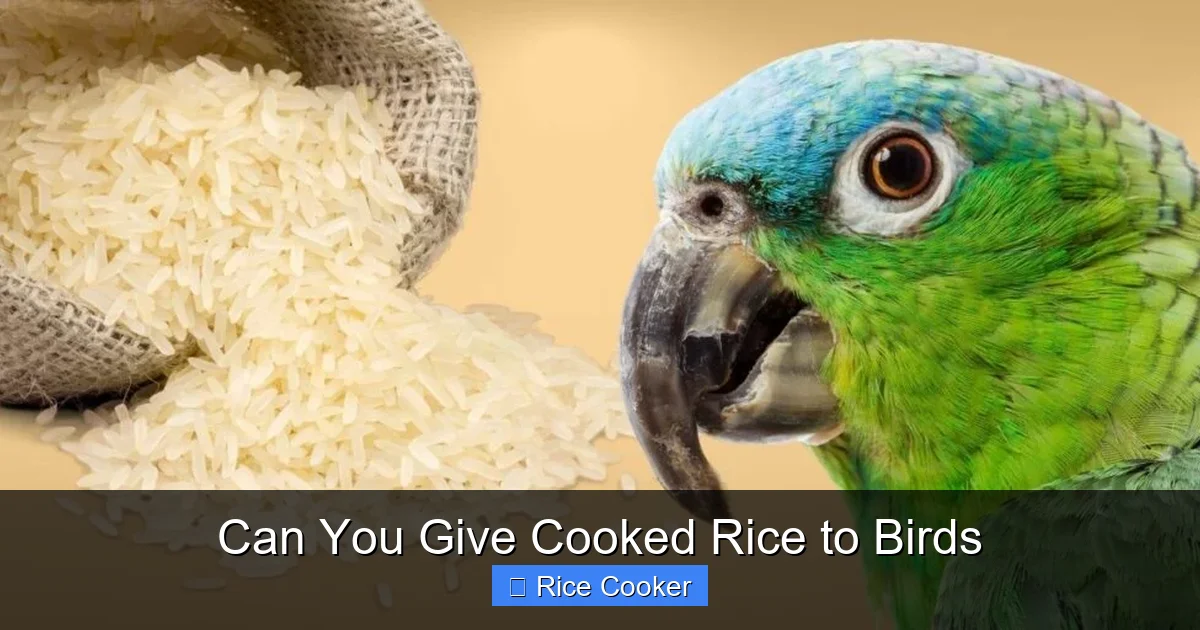
Can you give cooked rice to birds? Yes, cooked rice is generally safe and can be a nutritious treat for many bird species when prepared correctly. However, it should only be offered in moderation and never as a staple part of their diet.
Birds like sparrows, finches, doves, and even some waterfowl can enjoy small portions of plain, cooled rice. But uncooked rice poses choking risks, and adding salt, butter, or seasonings makes it unsafe. Always prioritize fresh seeds, fruits, and greens as their main food sources.
When shared responsibly, cooked rice can enrich your backyard bird’s meals and attract more feathered friends to your feeders.
Key Takeaways
- Safety First: Cooked, plain rice is safe for many birds—but uncooked rice can cause choking or digestive blockages.
- Limit Portions: Rice should only make up a small portion of a bird’s diet; it lacks essential nutrients on its own.
- Avoid Additives: Never serve rice with salt, oil, spices, or sauces—these are toxic to birds.
- Cool Before Serving: Always let rice cool completely to prevent burns and ensure safe consumption.
- Species-Specific Needs: Different birds have different dietary needs; not all species benefit equally from rice.
- Hydration Matters: Birds need access to clean water, especially after eating dry foods like rice.
- Use as Occasional Treat: Think of rice as a special snack, not a regular meal component.
📑 Table of Contents
- Can You Give Cooked Rice to Birds?
- The Basics: Is Cooked Rice Safe for Birds?
- Which Birds Can Eat Cooked Rice?
- How to Safely Feed Cooked Rice to Birds
- Nutritional Value of Rice for Birds
- Risks and Misconceptions About Feeding Birds Rice
- Alternatives to Rice: Healthier Bird-Friendly Foods
- Creating a Bird-Friendly Environment Beyond Rice
- Conclusion: Rice as a Treat, Not a Diet
Can You Give Cooked Rice to Birds?
Have you ever wondered if the leftover bowl of jasmine rice from last night’s stir-fry could be repurposed to feed the sparrows that visit your window feeder? It’s a common question among bird lovers, especially those who love sharing food scraps with backyard wildlife. While it may seem harmless to toss a few grains into the yard, understanding what’s safe and beneficial for our feathered friends is crucial.
Cooked rice is often considered a “safe” human food, but birds have unique digestive systems and nutritional requirements. So, before you start sprinkling rice around your garden, let’s explore whether this staple of many diets is actually good for birds—and how to do it responsibly.
In this article, we’ll dive deep into the topic of feeding cooked rice to birds, covering everything from safety concerns and species compatibility to proper preparation and sustainable feeding habits. Whether you’re a seasoned birdwatcher or just starting your journey into bird-friendly gardening, this guide will help you make informed decisions about what you share with nature.
The Basics: Is Cooked Rice Safe for Birds?
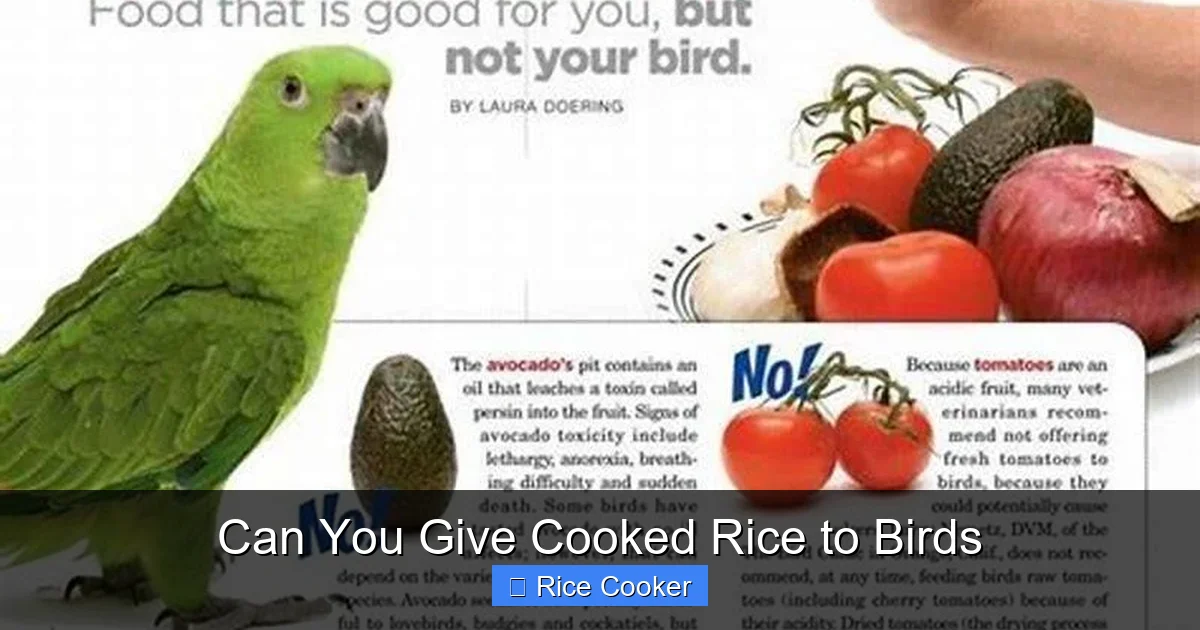
Visual guide about Can You Give Cooked Rice to Birds
Image source: diyseattle.com
Before jumping into feeding tips, let’s clarify one of the most important facts: **yes, plain, cooked rice is generally safe for birds**—but with important caveats. Unlike uncooked rice, which can expand in a bird’s crop and potentially cause blockages, fully cooked rice is soft, easy to digest, and poses minimal risk when served in moderation.
However, safety doesn’t mean nutrition. Rice alone lacks the protein, fats, vitamins, and minerals that wild birds need to thrive. Think of it as a treat rather than a meal replacement. For example, while house sparrows might nibble on leftover rice near your porch, they still rely primarily on seeds, insects, and plant matter for balanced nutrition.
It’s also worth noting that not all birds will show interest in rice. Small seed-eating birds like finches and sparrows tend to prefer smaller, crunchier items, whereas larger birds such as pigeons or doves may be more likely to eat softer foods like rice.
What Makes Rice Safe When Cooked?
When rice is cooked, its starches break down, making it easier for birds (and humans) to digest. This process also reduces the risk of the grain swelling in the crop—a dangerous situation that can occur if uncooked rice is ingested. Additionally, cooked rice has a neutral flavor and texture that many birds find palatable, especially when mixed with other natural foods.
That said, the cooking method matters. Rice boiled in plain water without any seasonings or oils is ideal. Avoid serving rice straight from a curry dish, fried rice, or any preparation containing garlic, onion, salt, or butter—these ingredients are harmful to birds.
Which Birds Can Eat Cooked Rice?
Visual guide about Can You Give Cooked Rice to Birds
Image source: parrotkeen.com
Not every bird species will appreciate your leftover dinner, but several common backyard visitors do enjoy rice—especially when it’s offered alongside more familiar foods.
Common Backyard Birds That May Enjoy Rice
- House Sparrows: These adaptable birds often scavenge for crumbs and leftovers. They may pick through spilled rice near feeders or under tables.
- American Doves: Known for their gentle feeding habits, doves often consume soft foods like soaked grains, including rice.
- Northern Cardinals: While they prefer seeds, cardinals have been observed eating small amounts of cooked rice during colder months when food is scarce.
- Starlings: Highly opportunistic and intelligent, starlings will readily eat rice if it’s available in urban environments.
- Pigeons: Often found in parks and cities, pigeons commonly eat human food scraps—including rice—especially in areas where people feed them.
Keep in mind that while these birds may eat rice, they don’t necessarily require it. Their natural diets already provide the nutrients they need. Offering rice should be an occasional gesture of generosity, not a daily habit.
Birds to Watch Out For
Some birds have more sensitive digestive systems or specific dietary needs. For instance:
– Songbirds like warblers or thrushes: These insectivores primarily eat live insects and rarely benefit from grains.
– Nectar-feeding birds (hummingbirds): They require sugary liquids, not starchy solids.
– Young birds (nestlings): Baby birds need protein-rich diets; rice offers little value to them.
Always observe local species and their behaviors before introducing new foods.
How to Safely Feed Cooked Rice to Birds
If you decide to share your cooked rice with birds, follow these simple steps to ensure it’s both safe and welcomed:
1. Choose Plain, Unseasoned Rice
Avoid rice that’s been cooked with salt, spices, oil, or sauces. Even a pinch of salt can be deadly to small birds because their kidneys aren’t equipped to process excess sodium efficiently. Similarly, oils coat the stomach lining and can cause serious health issues.
Stick to plain white or brown rice boiled in water only. Brown rice is slightly healthier due to its fiber content, but both types are acceptable as long as they’re unadulterated.
2. Let It Cool Completely
Never feed hot rice to birds. The temperature alone can burn delicate tissues in their mouths and crops. Allow the rice to cool to room temperature before scattering it near bird-friendly zones—such as gardens, patios, or beneath feeders.
You can even soak the rice in water overnight to soften it further, mimicking how some birds naturally process seeds in the wild.
3. Offer Small Amounts
A handful of rice scattered on the ground is enough for a day. Overfeeding leads to waste and attracts unwanted pests like rats or ants. Remember, variety is key in a bird’s diet—rice should complement, not dominate, their meals.
4. Place It Strategically
Scatter rice on open ground away from tall grass to reduce predation risk. Alternatively, place it near existing feeders so birds can easily spot and access it. Some birders even mix rice with cracked corn or millet to create a more natural foraging experience.
5. Keep It Fresh
Discard any uneaten rice after 24 hours. Stale or moldy rice loses nutritional value and can introduce harmful bacteria. Clean up spills promptly to maintain a healthy environment.
Nutritional Value of Rice for Birds
While rice isn’t a complete food, it does offer certain benefits when included in moderation:
Carbohydrates for Energy
Rice provides carbohydrates, which give birds quick energy—useful during migration or cold weather. However, unlike seeds, rice contains no fat or protein, so it shouldn’t replace core components of their diet.
Minimal Fiber (in Brown Rice)
Brown rice retains its bran layer, offering modest fiber that aids digestion. Still, most wild birds get fiber from seeds, fruits, and plant matter, making rice a minor contributor at best.
Lack of Essential Nutrients
Here’s the reality check: rice alone cannot sustain a bird. It lacks:
– Protein (needed for feather growth and repair)
– Healthy fats (for insulation and metabolism)
– Calcium (critical for bone health, especially in laying hens like robins)
– Vitamins A, B-complex, and D
Therefore, always pair rice with nutrient-dense foods like sunflower seeds, mealworms, berries, or leafy greens.
Risks and Misconceptions About Feeding Birds Rice
Despite being commonly believed safe, feeding rice to birds comes with real risks—if done incorrectly.
Choking Hazards with Uncooked Rice
One of the biggest myths is that birds can safely eat raw rice. In fact, uncooked rice expands significantly when wet, potentially causing a blockage in a bird’s crop. This condition, known as “crop impaction,” can lead to starvation, infection, or death. Always ensure rice is fully cooked before offering it.
Toxic Ingredients in Human Food
Many people assume “leftover food” is fine for birds, but restaurant-style dishes often contain harmful additives:
– Onions and garlic (toxic to all birds)
– Artificial sweeteners (like xylitol)
– Preservatives and MSG
– Excessive salt or sugar
Even small amounts can cause vomiting, seizures, or organ failure. When in doubt, stick to plain, whole ingredients.
Overreliance on Human Food
Birds that become dependent on human-provided food may lose their natural foraging skills. This dependency can make them vulnerable during winter or droughts when handouts stop.
Moreover, concentrated feeding areas can spread disease among bird populations. Always practice responsible feeding: keep it seasonal, varied, and limited.
Alternatives to Rice: Healthier Bird-Friendly Foods
Instead of rice, consider these nutritious options:
Seeds and Nuts
– Sunflower seeds (black oil sunflower preferred)
– Millet, cracked corn, and safflower seeds
– Crushed peanuts (unsalted)
Fruits and Vegetables
– Chopped apples, grapes, or berries
– Steamed carrots, sweet potatoes, or peas
– Leafy greens like spinach or kale
Insects and Proteins
– Mealworms (great for insect-loving species)
– Crickets or waxworms (occasional treats)
– Hard-boiled eggs (crushed, once a week)
These foods better mimic a bird’s natural diet and support long-term health.
Creating a Bird-Friendly Environment Beyond Rice
Feeding rice occasionally is great—but true bird stewardship goes deeper. Here’s how to create a welcoming habitat:
Install Proper Feeders
Choose feeders suited to your local bird species. Tube feeders attract finches and chickadees, while platform feeders welcome doves and jays.
Provide Fresh Water
A shallow birdbath or dripper system ensures hydration, especially after eating dry foods like rice or seeds.
Plant Native Species
Native shrubs, trees, and grasses provide shelter, nesting sites, and natural food sources year-round.
Minimize Pesticide Use
Chemical-free lawns and gardens protect birds from poisoning and preserve insect populations they rely on.
By combining thoughtful feeding with environmental care, you’ll support healthier, happier bird communities in your area.
Conclusion: Rice as a Treat, Not a Diet
So, can you give cooked rice to birds? Absolutely—but only as an occasional treat, never as a staple. Plain, cooled rice is safe and palatable for many backyard birds, offering a quick energy boost. Yet, it lacks the full spectrum of nutrients birds need to flourish.
The key lies in balance. Offer rice sparingly, avoid all additives, and prioritize whole, natural foods whenever possible. Remember, your goal isn’t just to feed birds—it’s to nurture their independence and well-being.
Whether you scatter a few grains on your patio or set up a dedicated feeding station, every small act contributes to a healthier ecosystem. And who knows? That next batch of rice might just bring a flash of color to your morning routine as sparrows and finches come to greet you.
With care, awareness, and respect, sharing food with birds becomes a joyful, sustainable practice—one grain at a time.
Frequently Asked Questions
Is it okay to feed birds uncooked rice?
No, uncooked rice should never be given to birds. When ingested, it can swell in the crop and cause blockages, leading to serious health risks or death. Always serve rice that has been fully cooked.
Can I add salt or butter to rice before feeding it to birds?
Absolutely not. Salt is toxic to birds because they cannot process excess sodium efficiently. Oils like butter coat the stomach and interfere with digestion. Stick to plain, unseasoned rice only.
Do all bird species eat rice?
No. While some birds like sparrows, doves, and pigeons may eat rice, others—such as hummingbirds, warblers, or insectivorous songbirds—do not benefit from it and typically avoid grains altogether.
How much rice should I give birds?
Offer only a small amount—about a handful scattered on the ground. Overfeeding leads to waste, attracts pests, and deprives birds of more nutritious foods. Limit rice to occasional treats.
Can baby birds eat rice?
No. Nestlings and fledglings require high-protein diets rich in insects and soft meats. Rice offers little nutritional value and could displace vital foods, delaying development or causing malnutrition.
Will feeding rice attract more birds to my yard?
Possibly, but temporarily. While some birds may be drawn to rice, consistent feeding encourages dependency and can disrupt natural foraging behaviors. Focus instead on diverse, bird-safe foods and habitat improvements for lasting results.