
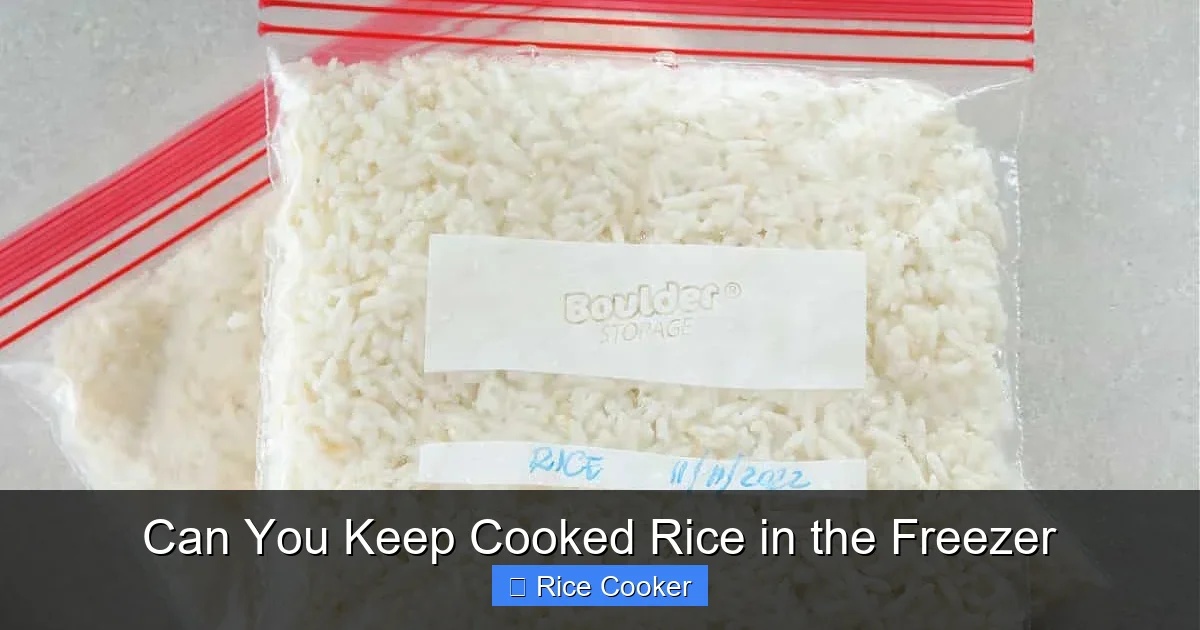
You can safely store cooked rice in the freezer, extending its usability from days to months without losing quality. Properly packed and labeled, frozen rice retains texture and flavor and reheats well. With the right techniques, you’ll avoid waste and enjoy convenient meals anytime.
Have you ever made too much rice and wondered what to do with the leftovers? You’re not alone. Whether you’re meal prepping for the week, cooking for a big family dinner, or simply trying to reduce food waste, storing cooked rice properly is key. One of the most efficient ways to do this is by freezing it. But can you keep cooked rice in the freezer? The short answer is yes—absolutely. In fact, freezing rice is one of the best long-term storage methods available.
Freezing extends the shelf life of cooked rice significantly compared to refrigeration, where rice typically lasts only 3 to 5 days. By freezing properly, you can preserve rice for 6 to 12 months without sacrificing taste or safety. This makes it an excellent strategy for households that cook rice frequently or want to prepare meals ahead of time. Plus, frozen rice reheats beautifully, retaining its texture when done right.
In this comprehensive guide, we’ll walk through everything you need to know about freezing cooked rice—from preparation and packaging to reheating and avoiding common mistakes. Whether you’re using a rice cooker, stovetop, or Instant Pot, these tips apply universally. Let’s dive in.
Key Takeaways
- Freezing preserves cooked rice for up to 6–12 months: When stored correctly, frozen rice stays fresh and usable far beyond refrigerator storage.
- Proper packaging prevents freezer burn: Use airtight containers or heavy-duty freezer bags to maintain moisture and prevent contamination.
- Cool rice quickly before freezing: Rapid cooling reduces bacterial growth and keeps grains from becoming mushy.
- Label and date your portions: Clear labeling helps you track storage time and use rice efficiently.
- Reheating is simple and effective: Steam or microwave frozen rice to restore soft, fluffy texture.
- Avoid refreezing thawed rice: Once thawed, rice should be used immediately or discarded to prevent foodborne illness.
- Freezer space-saving benefits: Freezing allows bulk cooking and meal prep, ideal for busy schedules.
📑 Table of Contents
- Why Freeze Cooked Rice?
- How Long Can You Keep Cooked Rice in the Freezer?
- Step-by-Step: How to Freeze Cooked Rice Safely
- Best Containers and Packaging for Frozen Rice
- How to Thaw and Reheat Frozen Cooked Rice
- Common Mistakes to Avoid When Freezing Rice
- Types of Rice and Their Freezing Suitability
- Tips for Meal Prep with Frozen Rice
- Can You Freeze Rice in the Rice Cooker?
- Health and Safety Considerations
- Environmental Impact of Freezing Rice
- Creative Ways to Use Frozen Rice
- Final Thoughts
Why Freeze Cooked Rice?
Storing rice at room temperature is risky—bacteria like *Bacillus cereus* can multiply rapidly, leading to foodborne illness. Refrigeration slows this process but doesn’t stop it entirely. Freezing, however, halts bacterial growth completely, making it the safest option for long-term storage.
Beyond safety, freezing offers practical advantages. It allows you to cook rice in large batches, which saves time and energy. Imagine preparing a double batch of jasmine rice for stir-fries, fried rice, or grain bowls—then portioning and freezing it for later. You’ll have ready-to-eat meals whenever you need them.
Another benefit is reduced food waste. Leftover rice often goes uneaten and spoils. By freezing small portions, you can use exactly what you need and discard nothing. This is especially helpful if you’re cooking for one or two people but don’t want to sacrifice convenience.
How Long Can You Keep Cooked Rice in the Freezer?
Visual guide about Can You Keep Cooked Rice in the Freezer
Image source: theasianslice.com
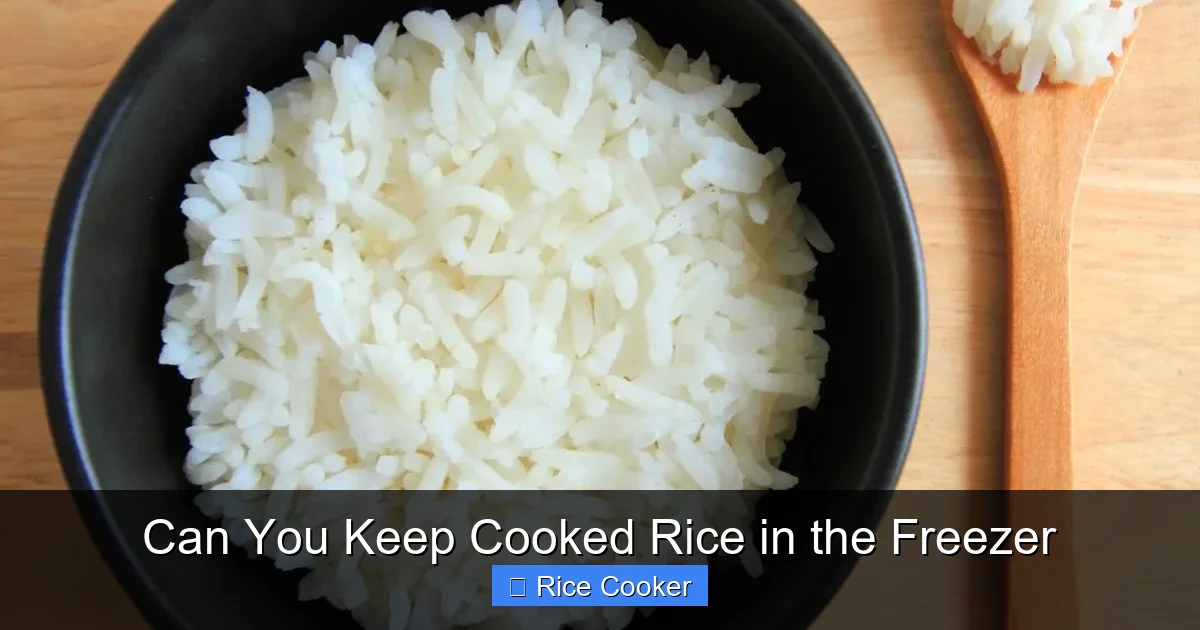
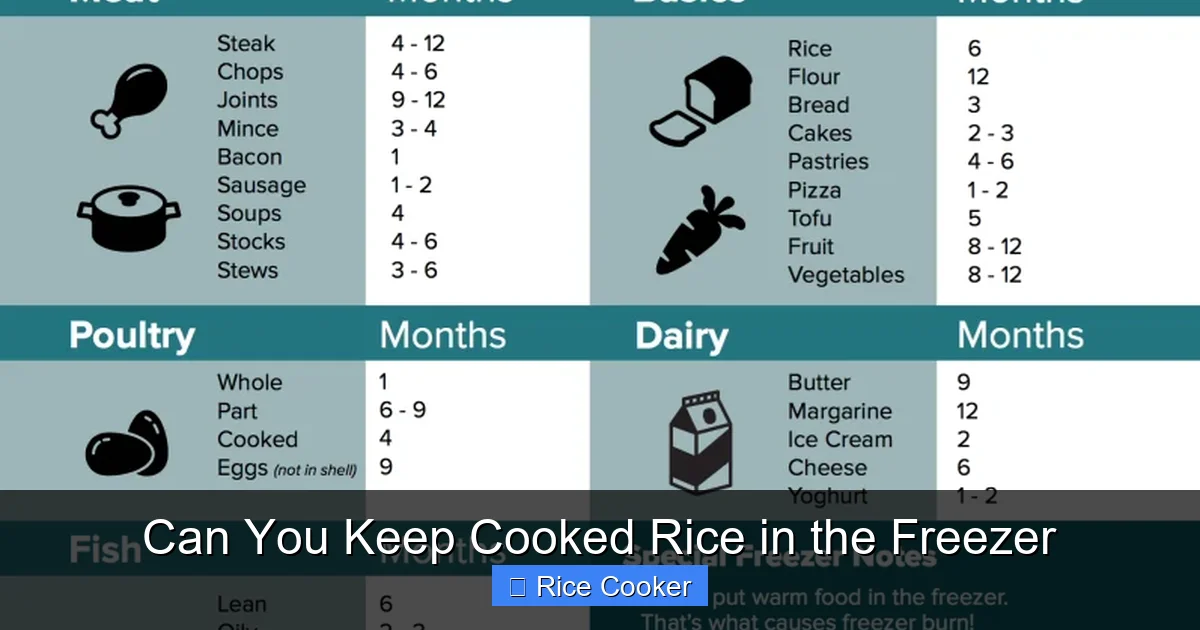
When properly stored, cooked rice can last anywhere from 6 to 12 months in the freezer. While you won’t notice a dramatic difference in taste after several months, the texture may begin to change slightly as moisture migrates within the grains.
For best results, consume frozen rice within 3 to 4 months. At this point, the rice will retain its original flavor and structure the most. After that, while still safe to eat, it may develop a slightly drier or more compact texture.
It’s important to note that freezer storage doesn’t make rice immortal. Over time, oxidation and ice crystal formation can affect quality. That said, even older frozen rice is perfectly safe if handled correctly. Just avoid letting it sit at room temperature for extended periods during thawing.
Step-by-Step: How to Freeze Cooked Rice Safely
Visual guide about Can You Keep Cooked Rice in the Freezer
Image source: res.cloudinary.com
Freezing rice isn’t complicated, but doing it correctly ensures safety and quality. Follow these steps for optimal results.
1. Cool the Rice Quickly
After cooking, let the rice cool for no more than 30 minutes. The goal is to bring it down from near-boiling temperatures to below 70°F (21°C) as fast as possible. This minimizes the window for bacterial growth.
Use shallow containers or spread the rice on a baking sheet lined with parchment paper. This increases surface area and speeds up cooling. Once cooled, break up any clumps so it freezes evenly.
2. Portion Into Usable Sizes
Divide the cooled rice into portions that match how you plan to use it—such as single servings or meal-sized amounts. This prevents repeatedly thawing large blocks of rice, which increases the risk of spoilage.
Use freezer-safe containers or resealable plastic bags. Squeeze out excess air before sealing to prevent freezer burn. If using bags, lay them flat to save space and allow for easy stacking.
3. Label and Date
Write the contents and date on each container or bag using a permanent marker. This simple step helps you organize your freezer and ensures you use older stock first. Include notes like “Basmati Rice” or “Fried Rice Mix” if applicable.
4. Freeze Immediately
Place the labeled containers in the freezer. For best results, freeze rice within 2 hours of cooking. Avoid placing it directly next to raw meats or other strong-smelling foods to prevent cross-contamination.
Best Containers and Packaging for Frozen Rice
Choosing the right container is crucial for maintaining rice quality. Not all packaging options are created equal.
Glass Containers
Glass is non-porous and reusable, making it an eco-friendly choice. Look for containers with tight-fitting lids designed for freezer use. They resist cracking under cold temperatures and don’t absorb odors.
However, glass is heavier and more fragile than plastic. Handle with care, and avoid sudden temperature changes.
Plastic Containers
Many freezer-safe plastic containers work well for rice storage. Ensure they’re labeled as “freezer-safe” and BPA-free. These containers are lightweight and stack easily.
Avoid microwaving rice in plastic unless it’s specifically rated for both freezer and microwave use. Otherwise, transfer to glass or ceramic before reheating.
Heavy-Duty Freezer Bags
These are ideal for saving space. Brands like Ziploc Heavy Duty or vacuum-sealed bags offer excellent protection against air and moisture.
To use them effectively:
– Pour cooled rice into the bag.
– Press out as much air as possible.
– Seal tightly and flatten for compact storage.
For extra security, place bags inside a rigid container to prevent punctures.
Avoid Paper Bags or Regular Plastic Wrap
Paper absorbs moisture and can introduce contaminants. Regular plastic wrap doesn’t hold up well in freezers and may tear. Neither provides adequate protection against freezer burn.
How to Thaw and Reheat Frozen Cooked Rice
Thawing and reheating frozen rice properly restores its texture and ensures safety. Here’s how to do it right.
Thawing Methods
There are three safe ways to thaw frozen rice:
1. **Refrigerator Thawing:** Place the container in the fridge overnight. This slow method preserves texture and prevents bacteria from multiplying.
2. **Cold Water Bath:** Submerge the sealed bag in cold water for 30–60 minutes. Change the water every 15 minutes to keep it cold.
3. **Microwave Thawing:** Use the defrost setting. Check frequently to avoid partial cooking.
Never thaw rice at room temperature—this creates a danger zone where bacteria thrive.
Reheating Techniques
Once thawed, reheat rice thoroughly to at least 165°F (74°C). Here are the best methods:
Microwave Method
– Place rice in a microwave-safe dish.
– Cover with a damp paper towel or lid to trap steam.
– Heat in 30-second intervals, stirring between each, until hot throughout.
Stovetop Method
– Transfer rice to a saucepan.
– Add a tablespoon of water or broth.
– Heat over medium-low, stirring occasionally, until warmed through.
Oven Method
– Preheat oven to 325°F (160°C).
– Spread rice on a baking sheet or oven-safe dish.
– Cover tightly with foil and heat for 10–15 minutes.
Adding a splash of water during reheating helps revive dry frozen rice. For fried rice, sauté briefly in oil or butter to restore crispness.
Common Mistakes to Avoid When Freezing Rice
Even experienced home cooks make errors when freezing rice. Avoid these pitfalls to ensure safety and quality.
Not Cooling Before Freezing
Leaving hot rice in the freezer can raise the internal temperature of the appliance, affecting other foods. It also creates condensation, leading to sogginess and potential bacterial growth.
Overfilling Containers
Rice expands slightly when frozen. Leave about an inch of headspace in containers to accommodate expansion and prevent cracking.
Using Non-Freezer-Safe Materials
Plastic bags not rated for freezer use may become brittle and leak. Always verify labels before storing.
Mixing Raw and Cooked Rice
Never freeze raw rice with cooked rice. Raw rice contains spores that survive normal cooking temperatures. If consumed cold or improperly reheated, they can produce toxins.
Thawing and Refreezing
Once thawed, rice should not be refrozen unless cooked again. Repeated freeze-thaw cycles degrade texture and increase contamination risk.
Storing Near Strong Odors
Rice readily absorbs smells. Keep it away from onions, garlic, fish, or spices to preserve neutral flavor.
Types of Rice and Their Freezing Suitability
Not all rice varieties behave the same way when frozen. Understanding differences helps you choose the best approach.
White Rice
Jasmine, basmati, and regular white rice freeze exceptionally well. They retain their fluffy texture and mild flavor. Ideal for stir-fries, risottos, or side dishes.
Brown Rice
Brown rice has more fiber and fat, which can make it slightly grainier after thawing. Still, it freezes well for up to 6 months. For best results, add a bit of oil or broth during reheating.
Wild Rice
This nutty-tasting grain holds shape better than white rice. Freezes well and works great in salads or soups after thawing.
Sushi Rice
Sticky sushi rice can become clumpy when frozen. To minimize this, mix in a little rice vinegar or sugar before freezing. Use within 2 months for best texture.
Risotto and Cream-Based Rice
Cream-based dishes don’t freeze well due to separation. Instead, freeze the rice base separately and add dairy when reheating.
Tips for Meal Prep with Frozen Rice
Freezing rice is a game-changer for busy lifestyles. Use these strategies to streamline your routine.
Cook Large Batches Weekly
Set aside 30 minutes once a week to cook rice in bulk. Portion into containers and freeze. You’ll have instant meals ready.
Combine with Other Ingredients
Make rice ahead and pair it with proteins or vegetables in freezer meals. For example, freeze cooked chicken and broccoli with rice for ready-to-reheat bowls.
Use Ice Cube Trays for Tiny Portions
Freeze rice cubes for quick use in soups or casseroles. Each cube is perfect for adding to stews without overloading.
Rotate Stock Regularly
Follow the “first in, first out” rule. Use older rice before newer stock to maintain quality and reduce waste.
Can You Freeze Rice in the Rice Cooker?
Yes—you can freeze rice directly in the rice cooker pot, provided it’s designed for freezer use. Most modern rice cookers have stainless steel inner pots that are freezer-safe.
Steps:
1. Let rice cool completely.
2. Transfer to the rice cooker pot.
3. Seal tightly with a lid or aluminum foil.
4. Freeze flat to save space.
Note: Some rice cookers aren’t meant for freezer storage. Always check the manufacturer’s guidelines. Never freeze rice in non-stick or plastic-coated pans unless explicitly approved.
Health and Safety Considerations
Food safety is paramount when handling rice. Follow these guidelines to protect yourself and others.
Always Wash Hands and Surfaces
Before and after handling rice, wash hands, cutting boards, and utensils with soap and hot water.
Check for Signs of Spoilage
If frozen rice develops unusual odors, slimy textures, or mold, discard it immediately. When in doubt, throw it out.
Avoid Cross-Contamination
Keep rice separate from raw meat, eggs, and seafood during storage and reheating.
Reheat Thoroughly Every Time
Even if rice looks fine, reheat it to steaming hot before serving. This kills any potential bacteria that may have developed during thawing.
Don’t Taste Before Reheating
Tasting raw or undercooked rice risks ingestion of harmful toxins. Always reheat fully before consumption.
Environmental Impact of Freezing Rice
While freezing rice reduces food waste and saves time, it does require energy. However, the environmental benefit of preventing spoilage often outweighs the carbon footprint of freezing.
Bulk cooking and freezing align with sustainable living. Fewer trips to the grocery store and less packaging waste contribute positively to your ecological footprint.
Consider using energy-efficient appliances and defrosting in the fridge to conserve power.
Creative Ways to Use Frozen Rice
Frozen rice isn’t just for reheating. Get creative with these ideas:
– **Breakfast Bowls:** Add scrambled eggs, avocado, and soy sauce.
– **Sushi Rolls:** Thaw sushi rice and roll with veggies or fish.
– **Porridge:** Heat with milk and cinnamon for a warm breakfast.
– **Stuffing:** Mix with herbs and breadcrumbs for holiday dishes.
– **Pudding Base:** Combine with sugar, vanilla, and milk for rice pudding.
With a little imagination, frozen rice becomes a versatile pantry staple.
Final Thoughts
Freezing cooked rice is a smart, safe, and practical solution for anyone who loves rice but hates waste. With proper techniques, you can enjoy fresh-tasting rice for months—even after freezing. From quick meal prep to emergency backups, frozen rice keeps your kitchen running smoothly.
Remember: cool fast, pack tight, label clearly, and reheat thoroughly. These simple steps make all the difference. Whether you’re using a rice cooker or stovetop, the principles remain the same.
So go ahead—freeze that extra bowl of jasmine rice. Your future self will thank you.
Frequently Asked Questions
How long can cooked rice be kept in the freezer?
Cooked rice can safely be stored in the freezer for 6 to 12 months. For best quality, consume within 3 to 4 months. Proper packaging and rapid cooling help maintain texture and flavor.
Can you freeze rice from a rice cooker?
Yes, you can freeze rice cooked in a rice cooker. Ensure the inner pot is freezer-safe, cool the rice quickly, then transfer to airtight containers or bags before freezing.
How do you reheat frozen cooked rice without drying it out?
Add a teaspoon of water or broth to the rice before reheating. Use the microwave with a damp paper towel cover or heat on the stovetop with occasional stirring to retain moisture.
Is it safe to freeze and thaw rice multiple times?
No, it’s not recommended. Each freeze-thaw cycle degrades texture and increases the risk of bacterial growth. Use thawed rice immediately and never refreeze unless cooked again.
Can you freeze rice with sauce or seasoning?
Yes, but avoid thick sauces like cream-based gravies, which may separate. For tomato-based or broth-based sauces, freeze with rice and reheat gently to blend flavors.
Does freezing affect the nutritional value of rice?
Freezing does not significantly reduce nutrients. Rice remains a good source of carbohydrates and small amounts of protein and fiber, even after freezing and reheating.