

Can you keep cooked rice in fridge? Absolutely—but only if you store it correctly. Cooked rice should be cooled quickly, placed in an airtight container, and refrigerated within two hours to prevent bacterial growth. When handled properly, leftovers can stay safe and tasty for up to five days.
Key Takeaways
- Refrigeration is safe: Yes, you can keep cooked rice in the fridge safely when stored properly.
- Time matters: Refrigerate within two hours of cooking to avoid dangerous bacterial growth, especially from Bacillus cereus.
- Use airtight containers: Store rice in sealed, shallow containers to cool faster and reduce contamination risk.
- Reheat thoroughly: Always reheat leftover rice to at least 165°F (74°C) to kill any potential bacteria.
- Freezing extends shelf life: For longer storage, freeze rice in portions for up to six months.
- Check for spoilage: Discard rice that smells off, feels slimy, or shows signs of mold.
- Best practices reduce waste: Proper storage keeps rice fresh, safe, and delicious for future meals.
📑 Table of Contents
- Introduction: Is It Safe to Refrigerate Cooked Rice?
- Why You Shouldn’t Leave Cooked Rice at Room Temperature
- How Long Can You Keep Cooked Rice in the Fridge?
- Step-by-Step Guide: How to Properly Store Cooked Rice
- Can You Freeze Cooked Rice? Benefits & Tips
- Common Myths About Storing Cooked Rice Debunked
- Practical Tips for Everyday Rice Storage
- Conclusion: Yes, You Can Keep Cooked Rice in Fridge Safely
Introduction: Is It Safe to Refrigerate Cooked Rice?
You’ve just finished a delicious meal of fried rice, jasmine rice with chicken, or even a simple bowl of steamed white rice. Instead of eating it all at once, you decide to save some for lunch tomorrow. But then comes the question: can you keep cooked rice in fridge? The short answer is yes—but not without care. While refrigeration is a safe and common way to preserve cooked rice, doing it wrong can lead to foodborne illness.
Cooked rice is a prime breeding ground for bacteria like Bacillus cereus, which produces heat-resistant spores that survive normal cooking temperatures. These spores can grow back into active bacteria if rice is left at room temperature too long—especially in warm environments. That’s why timing and technique are everything. In this guide, we’ll walk you through everything you need to know about storing cooked rice safely in your refrigerator, so you can enjoy leftovers without worry.
Whether you’re using a rice cooker, stovetop, or microwave to prepare your grains, understanding how to handle them after cooking makes a big difference. From cooling methods to container choices and reheating tips, we’ll cover practical advice backed by food safety experts. So let’s dive in and make sure your next bowl of leftover rice is both safe and satisfying.
Why You Shouldn’t Leave Cooked Rice at Room Temperature
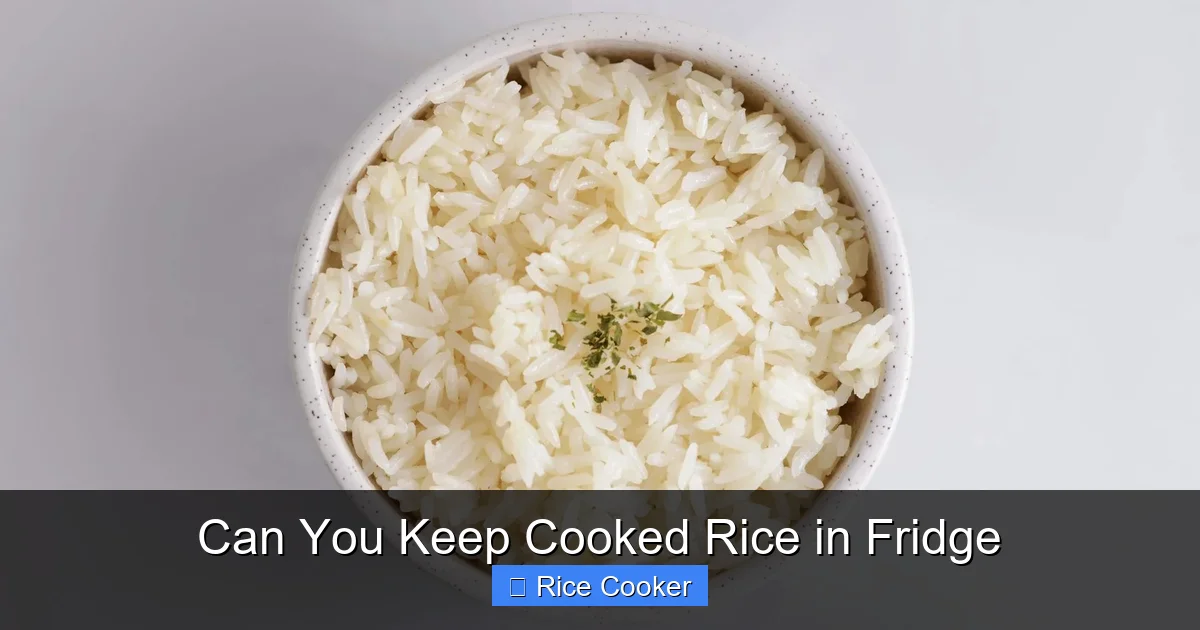
Visual guide about Can You Keep Cooked Rice in Fridge
Image source: uhkkfeeqacwcyryreuie.supabase.co
One of the biggest risks with cooked rice is leaving it out on the counter. Even if it looks and smells fine, harmful bacteria can multiply rapidly between 40°F and 140°F—the so-called “danger zone.” Within just a few hours, Bacillus cereus can begin reproducing, producing toxins that cause nausea, vomiting, or diarrhea.
This bacterium thrives in starchy foods like rice because they provide an ideal environment for spore germination. Once activated, these spores can survive reboiling or reheating unless the rice reaches a high enough internal temperature. That’s why simply reheating cold rice doesn’t always eliminate the risk—it may kill the bacteria but not the pre-formed toxins.
So what happens if you leave rice sitting out overnight? Studies show that rice left at room temperature for more than two hours can harbor dangerous levels of B. cereus. This is especially true in humid climates or during summer months when ambient temperatures are higher. To put it simply: cooling rice quickly and refrigerating it is non-negotiable for food safety.
The Danger Zone Explained
Food safety guidelines define the danger zone as temperatures between 40°F (4°C) and 140°F (60°C). Bacteria multiply fastest here—doubling their numbers every 20 minutes under ideal conditions. When you cook rice, you destroy most bacteria, but not necessarily their spores. If those spores get into the danger zone, they can wake up, multiply, and release toxins.
That’s why rapid cooling is essential. By getting your cooked rice below 40°F as soon as possible, you stop bacterial growth dead in its tracks. Skipping this step increases your risk of food poisoning—even if the rice tastes fine.
How Long Can You Keep Cooked Rice in the Fridge?

Visual guide about Can You Keep Cooked Rice in Fridge
Image source: uhkkfeeqacwcyryreuie.supabase.co
Now that we’ve established can you keep cooked rice in fridge safely, let’s talk duration. According to the U.S. Department of Agriculture (USDA), cooked rice can be safely stored in the refrigerator for up to 4–5 days. This timeframe assumes proper handling and storage conditions.
But remember: “safe” doesn’t always mean “best quality.” After day three, rice may start losing moisture, texture, and flavor. Starchy rice like jasmine or basmati can become slightly dry or grainy when refrigerated, while sticky varieties like sushi rice might clump together. Still, as long as it smells fresh and hasn’t been contaminated, it’s perfectly edible.
It’s also worth noting that different types of rice have varying storage characteristics:
– **White rice**: Stores well due to low oil content; maintains texture better than brown rice.
– **Brown rice**: Higher in fiber and fat, so it oxidizes faster; best used within 3–4 days.
– **Wild rice**: Similar to brown rice; best consumed within 3 days.
– **Sushi rice**: High moisture content; keep tightly sealed to prevent drying.
Always label your containers with the date you refrigerated the rice. This helps you track freshness and avoid guessing whether something is still good.
Signs Your Refrigerated Rice Has Gone Bad
Even though cooked rice lasts several days in the fridge, it won’t last forever. Here’s how to tell if your leftovers are no longer safe to eat:
– **Off smell**: A sour, fermented, or rancid odor indicates spoilage.
– **Unusual texture**: Sliminess, stickiness, or mold growth means discard immediately.
– **Discoloration**: Green, gray, or black spots suggest bacterial or fungal contamination.
– **Mold**: Any visible mold—even small patches—means throw it away. Mold spreads microscopically.
If you’re unsure, when in doubt, throw it out. Foodborne illnesses are unpleasant enough; don’t take unnecessary risks.
Step-by-Step Guide: How to Properly Store Cooked Rice
Storing cooked rice correctly isn’t hard, but it does require attention to detail. Follow these steps to ensure your rice stays safe and delicious:
1. Cool Rapidly (Within Two Hours)
The first rule of thumb: refrigerate cooked rice within two hours of cooking. If your kitchen is above 90°F, aim to refrigerate within one hour. Why? Because the longer rice sits in the danger zone, the higher the chance of bacterial growth.
To speed up cooling:
– Spread rice in a thin layer on a baking sheet.
– Place it in front of a fan or near an open window.
– Stir occasionally to expose more surface area to air.
Avoid letting hot rice sit uncovered—this increases contamination risk from dust, insects, or airborne particles.
2. Portion Into Shallow Containers
Use shallow, airtight containers rather than deep bowls. Thick layers trap heat, slowing down the cooling process and extending time spent in the danger zone.
Recommended options include:
– Glass or plastic food storage containers with tight lids
– Freezer-safe bags laid flat (after sealing)
– Silicone baking molds (great for portion control)
Label each container with the type of rice and date stored.
3. Seal Tightly
Once cooled to room temperature (or still slightly warm), seal the container immediately. Oxygen promotes oxidation and spoilage, while loose lids allow odors and moisture to escape or enter.
Vacuum-sealed containers offer extra protection but aren’t necessary for short-term fridge storage.
4. Store in the Coldest Part of the Fridge
Place your containers in the back of the refrigerator, away from the door where temperatures fluctuate. The ideal fridge temperature is 40°F or below.
Don’t stack heavy items on top of rice containers—pressure can damage seals or cause leaks.
Can You Freeze Cooked Rice? Benefits & Tips
While refrigeration works well for short-term storage, freezing offers longer preservation with minimal quality loss. Yes, you can keep cooked rice in fridge freezer—and doing so can extend shelf life to up to six months.
Freezing halts bacterial growth completely and slows enzyme activity that causes aging and flavor degradation. Plus, frozen rice reheats surprisingly well when done right.
How to Freeze Cooked Rice Safely
1. **Cool completely** before freezing (never freeze hot rice—it creates condensation and ice crystals).
2. **Portion into manageable sizes**—about 1 cup per serving works well.
3. **Use freezer-safe containers or bags**, removing as much air as possible.
4. **Label clearly** with contents and date.
5. **Freeze flat** if using bags to save space and prevent sticking.
Thaw frozen rice in the refrigerator overnight or reheat directly from frozen (adding a splash of water helps prevent drying).
Reheating Frozen Rice Like a Pro
Frozen rice often comes out drier than fresh. To revive it:
– Add 1 tablespoon of water per cup of rice before microwaving.
– Cover loosely with a damp paper towel to retain steam.
– Microwave in 30-second intervals, stirring between bursts.
– Finish with a dash of butter or oil if desired.
This method restores moisture and prevents overcooking.
Common Myths About Storing Cooked Rice Debunked
Over the years, several myths have circulated about rice storage. Let’s clear them up:
Myth #1: “Rice Should Never Be Refrigerated”
False. While raw uncooked rice is fine at room temperature, cooked rice must be refrigerated to remain safe. Raw rice contains dry spores that only activate once moisture and warmth are introduced—like during cooking or improper cooling.
Myth #2: “Boiling Rice Before Storing Kills All Bacteria”
Not quite. Boiling kills existing bacteria but doesn’t eliminate heat-stable toxins produced by B. cereus. Repeated boiling also degrades texture and nutrients.
Myth #3: “Leftover Rice Lasts Forever in the Fridge”
Nope. Even under perfect conditions, rice loses quality after 4–5 days. Nutrients break down, flavors dull, and texture suffers.
Myth #4: “All Rice Types Store Equally Well”
Different grains behave differently. Brown rice oxidizes faster due to natural oils; sushi rice retains moisture better but dries out if unsealed.
Practical Tips for Everyday Rice Storage
Want to make rice storage effortless? Try these real-world hacks:
– **Prep ahead**: Cook a large batch on Sunday and divide into daily portions. Ideal for busy weeknights.
– **Use ice baths**: Fill a sink or large bowl with ice water. Submerge the baking sheet with rice for rapid cooling (change water every 10 minutes).
– **Invest in glass containers**: They’re microwave-safe, durable, and don’t absorb odors like plastic.
– **Keep a “rice log”**: Track what you cook and when you stored it. Prevents confusion and reduces waste.
– **Pair with sauces**: Store rice with a bit of sauce (e.g., soy, curry, or gravy) to combat drying during reheating.
These small tweaks make a big difference in safety and convenience.
Special Considerations: Sushi and Specialty Rice
For sushi rice—which is vinegared and highly perishable—storage requires extra caution. Always refrigerate within one hour and consume within 24 hours for optimal taste and safety. Vinegar inhibits some bacteria, but not enough to skip rapid cooling.
Other specialty rice like arborio (used in risotto) or glutinous rice behave similarly to regular white rice but may dry out faster due to starch structure.
Conclusion: Yes, You Can Keep Cooked Rice in Fridge Safely
So, to answer the question once and for all: yes, you can keep cooked rice in fridge—as long as you follow food safety best practices. Cool it fast, store it tight, and use it within five days (or freeze for longer). With these steps, you’ll never have to wonder whether your leftovers are safe again.
Remember, the goal isn’t just to preserve rice—it’s to protect yourself and your family. Taking just a few extra minutes to cool and store properly pays off in peace of mind and delicious meals later.
Whether you’re using a modern rice cooker with built-in timers or cooking on the stove, the principles remain the same. Treat your rice like any other perishable food: respect its limits, honor its shelf life, and handle it with care.
Next time you’re making rice, think beyond tonight’s dinner. Plan ahead, portion smart, and turn leftovers into tomorrow’s favorite dish—safely, easily, and without guilt.
Frequently Asked Questions
How long can cooked rice stay in the fridge?
Cooked rice can safely be kept in the fridge for up to 4–5 days when stored properly in an airtight container. Always label with the date and check for signs of spoilage before eating.
Is it safe to reheat leftover rice?
Yes, reheating rice to at least 165°F (74°C) makes it safe to eat. Use a microwave or stovetop with added moisture to prevent drying. Avoid reheating multiple times.
Can you freeze cooked rice?
Absolutely. Freeze cooked rice in portion-sized containers or bags for up to 6 months. Thaw in the fridge or reheat directly from frozen with added water.
What should I do if my rice smells off?
If refrigerated rice has a sour, fermented, or rancid odor, it’s likely spoiled. When in doubt, discard it to avoid foodborne illness.
Does rice type affect storage time?
Yes. White rice stores longer than brown or wild rice due to lower oil content. Sushi rice dries out quickly if not sealed tightly.
Can I leave rice out overnight?
No. Rice left at room temperature for more than two hours can harbor dangerous bacteria like Bacillus cereus. Always refrigerate promptly.