
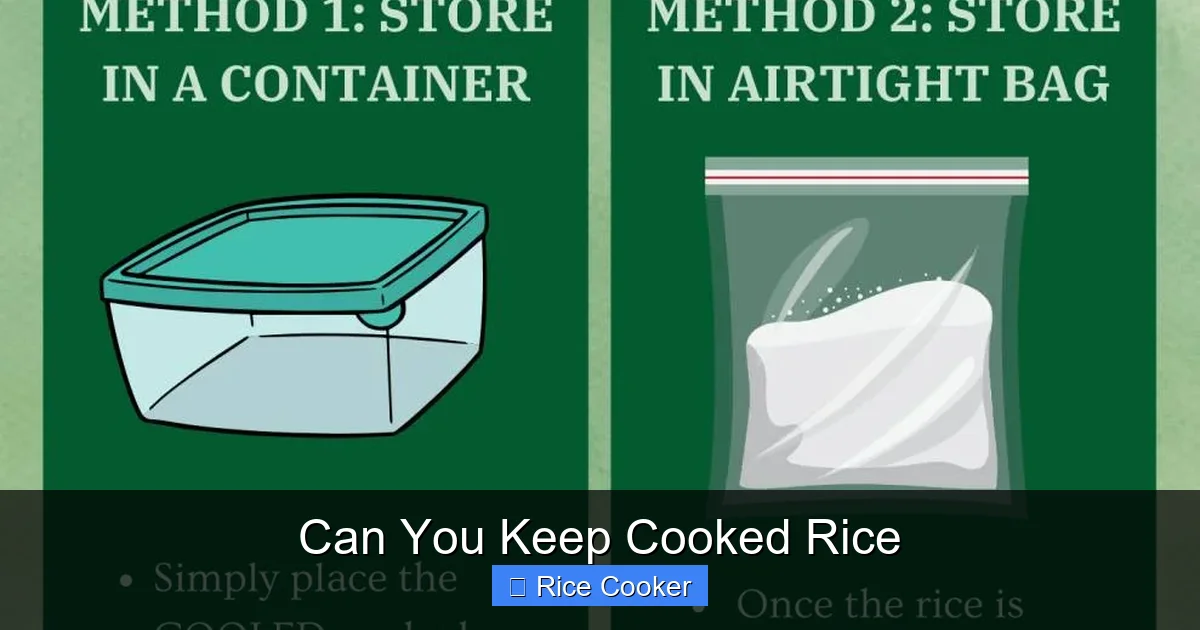
Yes, you can safely keep cooked rice for up to 7 days in the fridge, but only if stored properly to avoid food poisoning. Freezing extends freshness to 6 months and is ideal for meal prep—just reheat with a splash of water to restore moisture. Whether you’re using a rice cooker or stovetop method, proper handling makes all the difference in taste and safety.
Key Takeaways
- Cooking method matters: Rice cookers produce consistently moist, evenly cooked grains that store better than overcooked or dried-out rice.
- Refrigeration timeline: Cooked rice should be refrigerated within 2 hours of cooking and consumed within 5–7 days for optimal safety and flavor.
- Proper cooling prevents bacteria: Never leave rice at room temperature for more than 2 hours—this is when harmful bacteria like Bacillus cereus multiply rapidly.
- Reheating kills germs: Always reheat leftover rice to 165°F (74°C) to ensure any potential bacteria are destroyed.
- Freezing preserves quality: Freeze cooked rice in portions for up to 6 months; thaw slowly in the fridge or microwave with steam to avoid dryness.
- Storage containers are key: Use airtight, shallow containers to cool and store rice quickly, minimizing bacterial growth.
- Signs of spoilage: Discard rice if it smells sour, has an off color, slimy texture, or develops mold—don’t risk foodborne illness.
📑 Table of Contents
- Can You Keep Cooked Rice? The Short Answer Is Yes—With Conditions
- Why Cooked Rice Can Be Risky—And What That Means For Storage
- How Long Can You Safely Keep Cooked Rice?
- Best Practices For Storing Cooked Rice From Your Rice Cooker
- How To Reheat Cooked Rice Safely And Flavorfully
- Freezing Cooked Rice: Pros, Cons, And Tips
- How To Tell If Cooked Rice Has Gone Bad
- Bonus Tips For Rice Lovers Using A Rice Cooker
- Conclusion: Yes, You Can Keep Cooked Rice—Safely And Deliciously
Can You Keep Cooked Rice? The Short Answer Is Yes—With Conditions
Cooked rice is one of those kitchen staples that feels both comforting and convenient. Whether you’re prepping meals for the week or making a quick stir-fry, having fluffy, ready-to-eat rice on hand saves time. But let’s be honest—leftover rice raises a real question: *Can you keep cooked rice?* And if so, how long, and how safely?
The answer isn’t just a simple yes or no. It depends on how you store it, how long ago it was cooked, and whether you’re using a rice cooker (your best friend in this game). In this guide, we’ll walk through everything you need to know about keeping cooked rice safe, fresh, and delicious—whether you’re using a modern rice cooker or a classic pot on the stove.
From understanding why rice can be risky if not handled correctly to smart storage hacks and reheating tricks, you’ll learn how to turn yesterday’s dinner into tomorrow’s lunch without compromising taste or safety. Let’s dig in!
Why Cooked Rice Can Be Risky—And What That Means For Storage
Visual guide about Can You Keep Cooked Rice
Image source: mashed.com
You might wonder: why is cooked rice considered potentially hazardous? After all, it’s just grain—how dangerous can it be?
The real concern lies in a type of bacteria called *Bacillus cereus*. This bacteria is naturally found in uncooked rice because it survives even when rice is dried during processing. When raw rice is cooked, the spores of this bacteria can survive too—and if the rice is left out at room temperature after cooking, those spores can wake up, grow, and produce toxins that cause food poisoning.
Symptoms of *B. cereus* food poisoning include nausea, vomiting, and diarrhea—typically starting within 1–6 hours after eating contaminated rice. Unlike many other foodborne illnesses, these toxins aren’t killed by reheating, which makes proper storage critical.
That’s why experts recommend never letting cooked rice sit at room temperature for more than two hours before refrigerating it. A rice cooker helps here—it keeps rice warm but doesn’t hold it in the “danger zone” (40°F to 140°F) indefinitely like some slow cookers might. Still, once you’re ready to eat or store it, speed is key.
The Role Of Your Rice Cooker In Safe Storage
Modern rice cookers aren’t just for cooking—they’re also designed with storage considerations in mind. Many have a “keep warm” function that maintains rice at around 167°F (75°C), which is hot enough to inhibit bacterial growth but not so hot that it dries out the rice.
However, most rice cookers aren’t meant to keep rice warm for extended periods (more than 10–12 hours). Prolonged warming can actually encourage starch breakdown and sogginess. Plus, if your rice cooker’s warming plate isn’t perfectly sanitary, bacteria could transfer from the warmer to the rice over time.
So while your rice cooker is excellent for cooking perfectly fluffy rice every time, don’t rely on it as a long-term storage solution. Once your meal is served or the rice has cooled slightly, move it to the refrigerator promptly.
How Long Can You Safely Keep Cooked Rice?
Visual guide about Can You Keep Cooked Rice
Image source: mashed.com
Let’s cut to the chase: **yes, you can keep cooked rice**, but only under certain conditions and for limited time frames.
In the refrigerator, cooked rice can safely last **up to 5–7 days**. This timeframe applies regardless of whether you used a rice cooker or stovetop method—though rice cookers tend to yield more uniformly cooked grains, which may help preserve texture during storage.
Freezing cooked rice significantly extends its shelf life. When stored properly in an airtight container or freezer bag, cooked rice can last **up to 6 months** in the freezer. While quality may gradually decline (slightly drier texture, less aroma), the rice remains safe to eat well beyond that date.
It’s important to note that these are general guidelines. If you notice unusual odors, colors, or textures before then, trust your senses—when in doubt, throw it out.
What Happens If You Don’t Store It Properly?
Leaving cooked rice uncovered or in a deep, wide container can lead to uneven cooling. Cold spots allow moisture to linger, creating an environment where bacteria thrive. Also, if you reheat rice multiple times, each cycle increases the risk of contamination unless done carefully.
Repeated reheating (especially in microwaves without proper stirring) can also dry out rice and create hot spots that don’t reach full kill temperatures for bacteria.
But don’t panic! With simple habits—like using shallow containers, sealing tightly, and reheating thoroughly—you can enjoy safe, tasty leftovers every time.
Best Practices For Storing Cooked Rice From Your Rice Cooker
If you love using your rice cooker, you’ll appreciate these foolproof steps to maximize both safety and flavor:
1. Cool It Quickly (But Not Too Fast)
After your rice cooker signals “done,” turn it off and remove the inner pot. Open the lid briefly to release excess steam, then place the pot over a damp paper towel. This helps absorb moisture and speeds cooling.
Alternatively, spread the rice in a large, shallow baking dish or tray. This increases surface area, allowing faster and more even cooling—critical for preventing bacterial growth.
Never pile hot rice into a deep container right away. Doing so traps heat and creates a breeding ground for bacteria.
2. Refrigerate Within Two Hours
This is non-negotiable. Per USDA recommendations, perishable foods (including cooked rice) should not sit in the danger zone (40°F–140°F) for more than two hours. In hotter environments (above 90°F), that window drops to just one hour.
So if you’ve made rice for a family gathering and it’s still warm after three hours, refrigerate it now—even if it looks fine.
3. Use Airtight Containers
Transfer cooled rice to clean, airtight containers. Glass or BPA-free plastic containers work well. Make sure they’re labeled with the date so you track freshness.
Avoid reusing disposable takeout containers or bags—they’re rarely food-safe for long-term storage.
4. Portion For Future Meals
Instead of storing a big batch of rice, divide it into smaller portions (about 1–1.5 cups each). This way, you only thaw or reheat what you need, reducing waste and maintaining quality.
Label each container with the date and contents—especially helpful if you’re freezing multiple types of meals.
How To Reheat Cooked Rice Safely And Flavorfully
Reheating rice is where many people go wrong—either by microwaving it dry or skipping the step altogether. But with the right technique, you can revive even day-old rice beautifully.
Microwave Method (Quick & Easy)
Place rice in a microwave-safe bowl. Add a tablespoon of water or broth per cup of rice—this restores moisture and prevents drying. Cover with a damp paper towel or lid to trap steam.
Heat on high in 30-second intervals, stirring between each, until heated through (internal temp should reach 165°F). Avoid overcooking, which leads to mushiness.
Stovetop Method (Best For Large Quantities)
Heat a skillet over medium heat. Add rice in an even layer. Sprinkle with water or broth as needed, cover, and let it simmer for 3–5 minutes, stirring occasionally. The covered method steams the rice gently, preserving fluffiness.
Avoid These Common Mistakes
– Not adding liquid: Dry rice reheats poorly.
– Using the “keep warm” setting again: This doesn’t kill bacteria—only proper heating does.
– Eating cold rice: Cold rice may harbor live bacteria; always reheat to safe temps.
Freezing Cooked Rice: Pros, Cons, And Tips
Freezing is one of the safest ways to preserve cooked rice long-term. Here’s what you need to know:
Advantages Of Freezing
– Extends shelf life to 6+ months
– Ideal for meal prep
– Prevents rapid spoilage during busy weeks
– Maintains nutritional value better than repeated refrigeration
Practical Freezing Tips
– Spread rice in a thin layer on a baking sheet before freezing. Once solid, transfer to freezer bags—this prevents clumping.
– Leave space in bags for expansion.
– Use vacuum sealers or double-wrap for extra protection.
– Thaw overnight in the refrigerator or in the microwave using the defrost setting.
Texture Considerations
Frozen-thawed rice tends to be slightly firmer. To fix this, add a splash of water or butter during reheating and cover to steam.
While not as fluffy as freshly cooked rice, it still tastes great in soups, salads, or fried dishes—where texture differences are less noticeable.
How To Tell If Cooked Rice Has Gone Bad
Your senses are your best tool. Look for:
– Sour or unpleasant odor: Normal rice doesn’t smell bad—even when old.
– Off-color appearance: Grayish, yellowish, or spotted areas suggest spoilage.
– Slimy or sticky texture: Fresh cooked rice should be soft but separate; sliminess means trouble.
– Mold: Any fuzzy growth—discard immediately.
When in doubt, follow the golden rule: When you’re not sure, throw it out. Food poisoning is no joke.
Exceptions: Certain Dishes Where Old Rice Is Still Good
Some recipes tolerate older rice better than others. Think:
– Fried rice (day-old rice absorbs flavors and gets crispy)
– Rice pudding (moist, cooked texture hides minor changes)
– Salads (cold rice adds nice bite)
Just make sure to inspect the rice first and reheat thoroughly.
Bonus Tips For Rice Lovers Using A Rice Cooker
Want to get the most out of your rice cooker—and your leftovers? Try these pro tips:
– Pre-soak brown rice: If using brown rice, soak it for 30 minutes before cooking. This improves texture and reduces cook time.
– Season while cooking: Add a pinch of salt, garlic powder, or herbs to the water for flavor infusion.
– Use a trivet: Elevate the inner pot with a trivet to prevent bottom rice from burning during prolonged warmth.
– Clean immediately: Wash the inner pot right after use to prevent starch buildup, which affects future cooking performance.
Also, consider investing in a rice cooker with a delay timer if you want hot rice ready when you get home—just remember to transfer it to the fridge once it’s cooled.
Conclusion: Yes, You Can Keep Cooked Rice—Safely And Deliciously
So, back to the original question: *Can you keep cooked rice?* Absolutely—but with smart practices that prioritize safety and quality. Whether you’re using a rice cooker to whip up a perfect batch or saving leftovers from last night’s stir-fry, the key lies in timing, temperature, and technique.
By cooling rice quickly, storing it in airtight containers, and reheating to the right temperature, you eliminate risks and preserve flavor. Freezing offers a fantastic option for bulk prep, and with proper labeling and portioning, you’ll always have a backup plan.
Remember: your rice cooker is a powerful ally, but it’s up to you to finish the job with good food-handling habits. With these tips, you’ll never look at cooked rice the same way again—because it’s not just sustenance, it’s a flexible, delicious foundation for countless meals.
Now go ahead—make that rice, cool it fast, pop it in the fridge, and enjoy peace of mind knowing you’ve got tasty, safe leftovers waiting for you.
Frequently Asked Questions
Can you keep cooked rice in the rice cooker overnight?
No, it’s not recommended. Most rice cookers aren’t designed for long-term storage, and keeping rice warm for more than 10–12 hours can lead to sogginess or bacterial growth. Transfer cooled rice to the fridge instead.
Is it safe to eat rice that’s been in the fridge for a week?
Generally yes, if stored properly. Cooked rice lasts 5–7 days in the fridge. Check for off smells, sliminess, or mold before eating—when in doubt, discard it.
Can you freeze cooked rice from your rice cooker?
Absolutely! Let it cool, portion it, and freeze in airtight containers. Frozen rice stays safe for up to 6 months and works well in soups, salads, or reheated dishes.
Why does my reheated rice taste bland?
Old rice loses moisture and flavor. Reheat with a splash of water, broth, or oil, and cover to steam. Adding sauces or seasonings during reheating also helps boost taste.
Does all rice cooker rice store better than stovetop?
Rice cookers usually produce more consistent, evenly cooked grains, which helps maintain texture during storage. However, proper cooling and storage matter more than the cooking method itself.
Can I eat cold rice from the fridge?
Only if it’s been stored properly and reheated to 165°F (74°C). Cold rice may contain live bacteria; always heat it thoroughly before consumption.